Japan · Fukuoka Prefecture
Where to Stay in Ōmuta, Fukuoka Prefecture
Ōmuta is a coal city of Fukuoka Prefecture on Kyūshū, where the Port of Miike and the Miike Railway served the mines. The museum keeps the record.
Hotel links are affiliate links: booking through them may earn us a commission, at no extra cost to you. It never affects how places are ranked. How this works


Where to stay in Ōmuta
Where the beds are, and what that means for the visit.
Ōmuta trades on industry, not leisure. Beds here run to business hotels rather than resorts, and the practical choice is a room near the centre, from which the Ōmuta Coal Industry and Science Museum, the Miike Railway and the shops are all short moves. That suits most visits.
The city is compact for the size of its history, and one base covers the industrial sites without any need to shift luggage between one side of it and the other. Asia Park and the Miyazaki Brothers Museum are close enough to fill a spare afternoon without a second move. Rooms are simple rather than smart.
Families plan differently. Ultra Twister Megaton pulls its own traffic, and rooms out that way put the roller coaster and the Arao-higata Waterfowl and Wetland Center within reach of an early start. The Port of Miike is the other pole.
Staying towards the water trades evening choice for a first look at the quays that shipped the coal out, which is the part of Ōmuta that explains the rest of it. Two nights cover the museum, the port and the rides, and a third only pays if the wetland birds are the reason for coming.
Find hotels in Ōmuta
Direct booking searches for these neighbourhoods.
The centre by the Ōmuta Coal Industry and Science Museum
Business hotels stand thickest in this part of Ōmuta, and the museum's machinery halls and the Miike Railway story are both a short move away.Find hotels in The centre by the Ōmuta Coal Industry and Science MuseumTravellers heading first to the Port of MiikeTowards the Port of Miike
The quays and the approach to the water sit closest here, and the seaward end of the coal story starts at the harbour rather than in a gallery. Rooms are few around here — worth securing early.Find hotels in Towards the Port of MiikeFamilies whose plan starts at Ultra Twister MegatonOut by Ultra Twister Megaton
The rides sit away from the museum quarter, and the Arao-higata Waterfowl and Wetland Center makes the natural second stop of that day. Beds are limited here, so book early.Find hotels in Out by Ultra Twister MegatonHotel links are affiliate links: booking through them may earn us a commission, at no extra cost to you. It never affects how places are ranked. How this works
About Ōmuta
Coal made this city.
What is Ōmuta known for?
The Port of Miike and the Miike Railway were built to move it, and the Ōmuta Coal Industry and Science Museum now explains both to visitors who arrive knowing nothing about mining. There is a lighter side. Ultra Twister Megaton, a roller coaster, draws families who would not otherwise come, while Asia Park and the Miyazaki Brothers Museum fill an afternoon between the industrial sites.
What are the main landmarks in Ōmuta?
The Port of Miike anchors the list. The Miike Railway ran to it, and the Ōmuta Coal Industry and Science Museum sets out the machinery, the seams and the working lives that joined the two ends of that system. Not everything is industrial.
The Miyazaki Brothers Museum, the teahouse site on the Buzen Kaidō and the Arao-higata Waterfowl and Wetland Center each pull in a different direction, and Ultra Twister Megaton pulls hardest of all with children.
What is the history of Ōmuta?
Coal came first, and everything followed it. The Miike workings drew capital and labour into this stretch of Fukuoka Prefecture, and the settlement that grew around the pits took the shape of an industrial creation rather than that of an older market town. The Port of Miike followed.
Coal had to reach ships, so a harbour was cut and the Miike Railway laid to feed it, and the two together fixed the map of the city that exists now. The layout has not really changed. City status came in 1917.
Before that the register carried Omuta Town, a town name for a place already outgrowing it, and the century since has moved the industry that built Ōmuta out of the ground and into the Ōmuta Coal Industry and Science Museum. The Arao-higata Waterfowl and Wetland Center keeps watch on the tidal flats at the other end of that story. The harbour name survives.
Ultra Twister Megaton and Asia Park belong to a later economy altogether, one that sells a day out where an earlier one sold fuel, and the Miyazaki Brothers Museum sits between the two as a record of what else the district produced.
Where is Ōmuta?
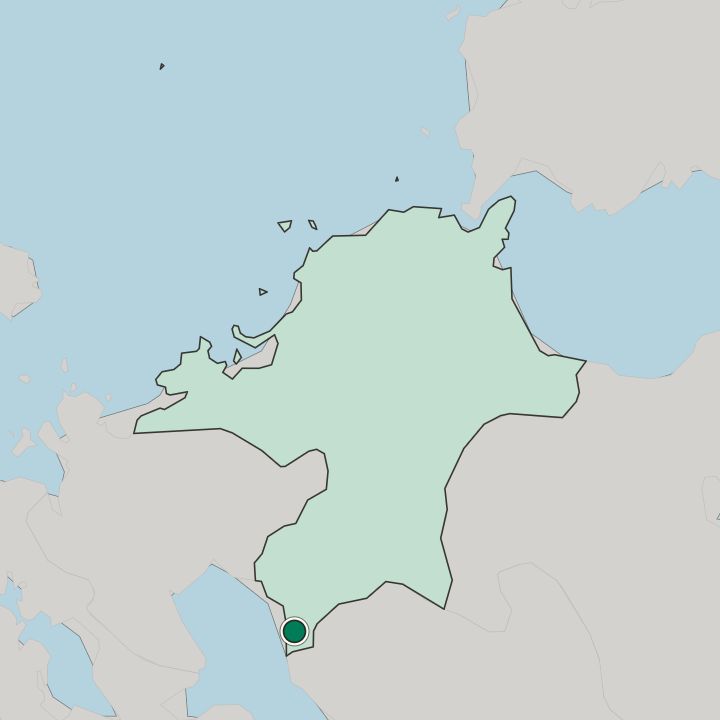
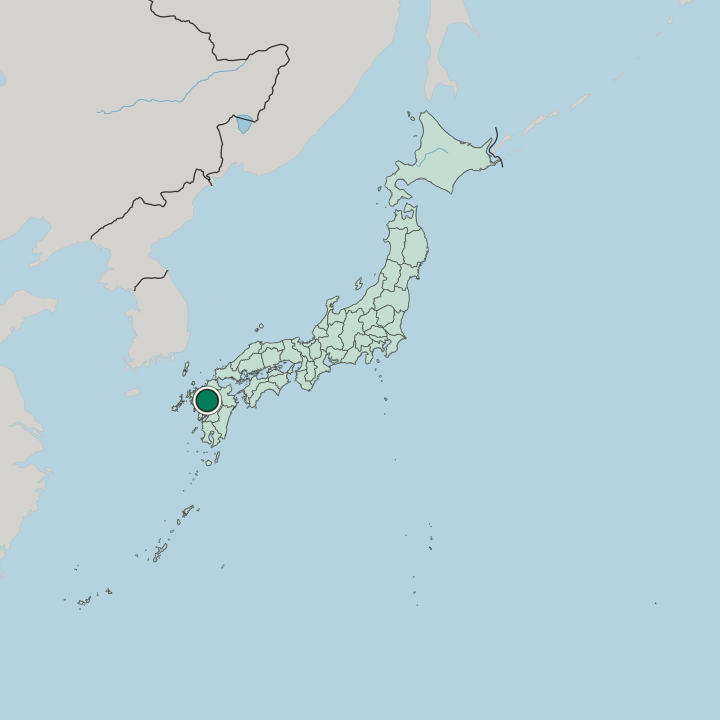
Ōmuta meets the sea in Fukuoka Prefecture, on the island of Kyūshū. The Port of Miike marks that edge, and beyond it the tidal ground of the Arao-higata runs out flat at low water, wide enough that a wetland centre exists to interpret it. Inland the city is small.
Its whole area is modest for a place with this much industrial past, which is why the museum, the harbour and the rides sit closer together than a visitor expects.
What is the climate of Ōmuta?
The sea takes the edge off. Ōmuta lies in the subtropical belt, so the warm months run long and damp, and the water at the Port of Miike moderates the extremes a little without doing anything to shorten the season. August is heavy. The Ōmuta Coal Industry and Science Museum is the obvious refuge, and the birds of the Arao-higata are better watched in the cooler half of the year.
How do you get to Ōmuta?
Every arrival in Ōmuta comes by land. The city sits within Fukuoka Prefecture on Kyūshū, and travellers come in on the prefecture's own network rather than through any terminal of the city's own. Getting about the city takes little time.
The Ōmuta Coal Industry and Science Museum, the Port of Miike and Ultra Twister Megaton can all be taken in one day, though the Arao-higata Waterfowl and Wetland Center is worth a trip of its own.
Common questions
What is the best area to stay in Ōmuta?
The centre by the Ōmuta Coal Industry and Science Museum: Nights within reach of the Ōmuta Coal Industry and Science Museum. Towards the Port of Miike: Travellers heading first to the Port of Miike. Out by Ultra Twister Megaton: Families whose plan starts at Ultra Twister Megaton.
Good for
More cities in Fukuoka Prefecture
Updated September 2026