Japan · Fukuoka Prefecture
Where to Stay in Kurume, Fukuoka Prefecture
Kurume is a city of Fukuoka Prefecture on Kyushu, keeper of Kōra Taisha and of Bairin-ji Temple. Museums fill its centre.
Hotel links are affiliate links: booking through them may earn us a commission, at no extra cost to you. It never affects how places are ranked. How this works


Where to stay in Kurume
The practical side of choosing where to sleep.
Kurume spreads wide, and the real choice is between the built-up middle and the outlying stretches where the burial grounds sit. Most visitors take the middle. The Kurume City Art Museum and the Arima Memorial Museum pull people into the urban core, and a bed there leaves the evening free rather than spent covering ground between one side of the municipality and the other.
Kōra Taisha is the other pull. Rooms towards the shrine trade restaurant choice for quiet, and they buy a morning approach to Kōra Taisha and to the stone lines of Kōrasan Kōgoishi before the day has warmed. Families sometimes plan around the Kurume City Bird Center instead.
Whichever base you take, nothing here is beyond a short drive, and even the Tanushimaru Kofun Cluster out on the municipal fringe works as a half-day run from a central room.
Find hotels in Kurume
Direct booking searches for these neighbourhoods.
Central Kurume
The Arima Memorial Museum and the Fukuoka Science Museum stand close by, so one base covers most of an itinerary without a second move.Find hotels in Central KurumeEarly risers climbing to Kōra Taisha before the heatTowards Kōra Taisha
Beds out this way put the shrine approach and the stone lines of Kōrasan Kōgoishi within an easy start, at the cost of a quieter evening. Rooms are few around here — worth securing early.Find hotels in Towards Kōra TaishaTravellers working through the Tanushimaru Kofun ClusterAround the Tanushimaru Kofun Cluster
Kurume's mounded burials lie out on the municipal edge, and a night nearby spares the return leg to the museum streets. Lodging is scarce in this area; reserve in advance.Find hotels in Around the Tanushimaru Kofun ClusterHotel links are affiliate links: booking through them may earn us a commission, at no extra cost to you. It never affects how places are ranked. How this works
About Kurume
Shrines and museums carry the name.
What is Kurume known for?
Kōra Taisha is the sanctuary most often spoken of alongside Kurume, and Bairin-ji Temple supplies the Buddhist counterpart, a walled compound of halls set apart from the working streets. The Kurume City Art Museum, the Arima Memorial Museum and the Fukuoka Science Museum together give the place a run of collections unusual for a city of this size, while the Kurume City Bird Center adds an outing built for children. Little of it feels pressed.
What are the main landmarks in Kurume?
Kōra Taisha heads the list. Bairin-ji Temple answers it from the Buddhist side, and the ground between the two holds the Chikugo Kokufu site, where the provincial seat of Chikugo once stood, along with the stone lines of Kōrasan Kōgoishi that run across the slope. After those, the city turns to museums.
The Kurume City Art Museum, the Arima Memorial Museum and the Fukuoka Science Museum cover painting, local memory and the sciences, and the Kurume City Bird Center gives the youngest visitors somewhere of their own.
What is the history of Kurume?
The ground was worked long before the city. Mounded graves at Urayama Kofun and across the Tanushimaru Kofun Cluster, together with the jars of the Ankokuji Jar Burial Cluster, record generations who farmed this part of Fukuoka Prefecture and buried their dead in it. Chikugo Kokufu came after them.
The provincial seat of Chikugo gave the district an administrative weight that outlasted the families who held it, and the stone lines of Kōrasan Kōgoishi survive from the same long stretch of early building. Religion left the clearer marks. Kōra Taisha grew into the sanctuary bound up with the name of Kurume, while Bairin-ji Temple built the Buddhist counterweight in halls and enclosure walls.
The modern municipality dates from 1889. Everything since has been layered onto that older ground, the Kurume City Art Museum, the Fukuoka Science Museum and the Arima Memorial Museum among the additions to a place that had counted its past in shrines and graves.
Where is Kurume?
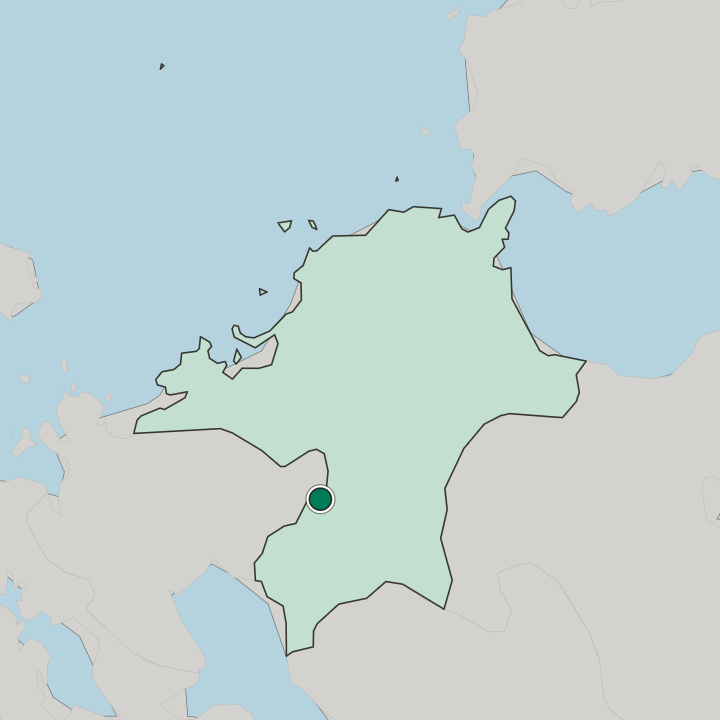
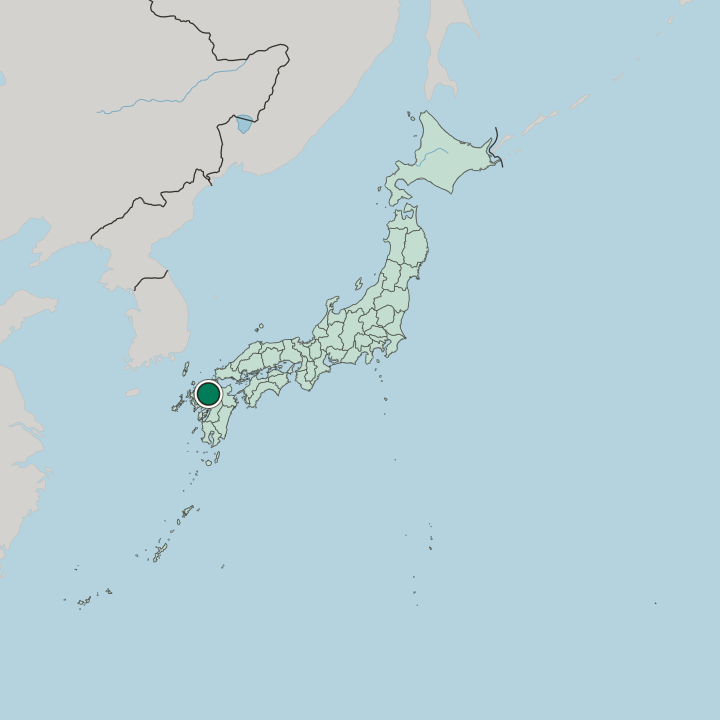
Kurume occupies a broad stretch of Fukuoka Prefecture on Kyushu. The Minō Fault runs through the rock beneath it, a line that marks this part of the island as ground still under slow movement rather than anything fixed, and the surface above it carries farmland, suburb and a widely spaced city. City limits reach a long way.
Its edges take in country far from the centre, from the Tanushimaru Kofun Cluster on one side to Kōrasan Kōgoishi on the other.
What is the climate of Kurume?
Kurume falls inside the subtropical belt that covers Kyushu, and that placement, rather than any local shelter, is what keeps the warm season long here and the cold season brief. Summer is the demanding half. Heat and damp air settle over the plain for months on end, and the Fukuoka Science Museum and the Kurume City Art Museum become the sensible middle of a day out.
Winter passes quickly.
How do you get to Kurume?
Getting here means road or rail. Kurume lies within Fukuoka Prefecture on the island of Kyushu, so the rail and road links that bind the prefecture together are what carry travellers the final stretch into the city. Once here, distances still count.
The municipality covers a wide spread of ground, and its sites, Kōra Taisha, the Tanushimaru Kofun Cluster, the Kurume City Bird Center, are scattered across it rather than gathered into one walkable quarter.
Common questions
What is the best area to stay in Kurume?
Central Kurume: Nights within walking reach of the Kurume City Art Museum. Towards Kōra Taisha: Early risers climbing to Kōra Taisha before the heat. Around the Tanushimaru Kofun Cluster: Travellers working through the Tanushimaru Kofun Cluster.
Good for
More cities in Fukuoka Prefecture
Updated September 2026