Japan · Fukuoka Prefecture
Where to Stay in Yame, Fukuoka Prefecture
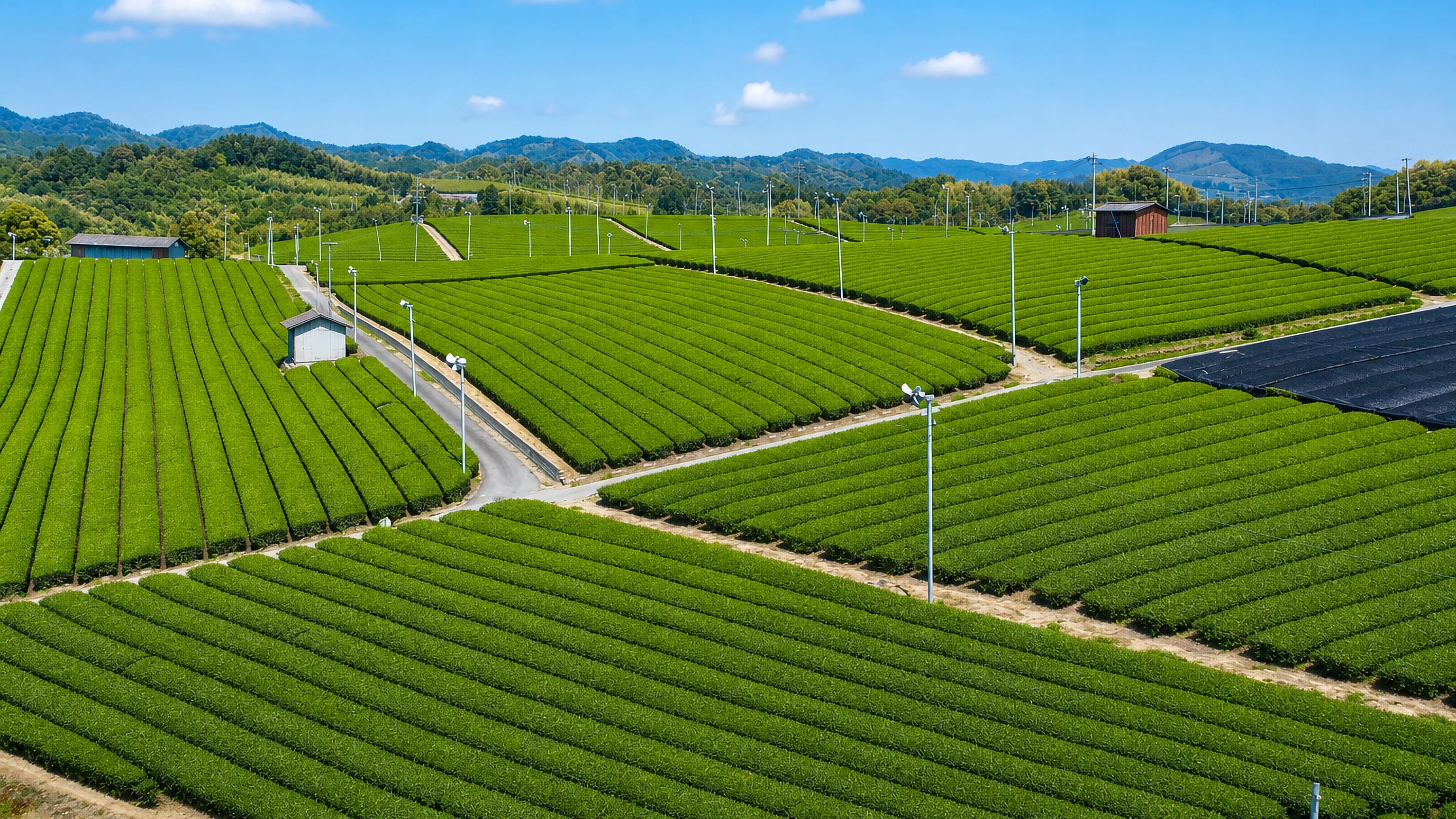
Yame grows Yamecha, one of Japan's largest tea crops, in a corner of Fukuoka Prefecture. Iwatoyama Kofun is older still.
Hotel links are affiliate links: booking through them may earn us a commission, at no extra cost to you. It never affects how places are ranked. How this works


Where to stay in Yame
The practical side of choosing where to sleep.
A bed in Yame takes some finding. Yame works as a tea district rather than a resort, and the small stock of beds sits in and around Fukushima, the older town name that the city still carries in its official register. Book early.
Most travellers make the Yame Traditional Crafts Museum and the Yame Folk Museum the anchor of a day and take a room within reach of both, which keeps the evening walkable and leaves the car for the mounds. The choice is small, but what exists sits close to the working centre rather than out on a bypass. Kurogi lies further out.
The outlying reaches of the municipality around Kurogi are rural and quieter still, and they suit a traveller whose plan runs to tea fields and old ground rather than to an evening out. Iwatoyama Kofun pairs with the Iwatoyama Historical and Cultural Community Center, so a base near either one covers both. Distances stretch.
Yame covers a wide municipal area, and the Yame Kofun Cluster is spread through the same country that grows the tea, which makes a car the difference between two sites in a day and five.
Find hotels in Yame
Direct booking searches for these neighbourhoods.
Fukushima, the old centre
The city's few inns stand within reach of the Yame Folk Museum, and the district still carries the Fukushima name the municipality registers as its own. Few places to stay nearby — book ahead.Find hotels in Fukushima, the old centreTravellers who want the tea country around KurogiKurogi
Beds thin out again this far from the centre, and the trade is restaurants for quiet among the fields that make Yamecha. Few places to stay nearby — book ahead.Find hotels in KurogiVisitors timing a morning at Iwatoyama KofunAround Iwatoyama Kofun
The Iwatoyama Historical and Cultural Community Center stands with the mound, and the rest of the Yame Kofun Cluster opens out from there. Beds are limited here, so book early.Find hotels in Around Iwatoyama KofunHotel links are affiliate links: booking through them may earn us a commission, at no extra cost to you. It never affects how places are ranked. How this works
About Yame
Tea carries the name.
What is Yame known for?
Yamecha is grown across the municipality and stands with Shizuoka, Uji and Chiran among the tea districts known throughout Japan, which is a considerable standing for a place of this size. The Yame Traditional Crafts Museum sets out the district's other trades, while the Yame Folk Museum keeps the domestic side of the same account. Then there are the mounds.
Iwatoyama Kofun and the wider Yame Kofun Cluster put a second, much older reason to come within reach of the tea fields.
What are the main landmarks in Yame?
Iwatoyama Kofun is the headline. The mound belongs to the Yame Kofun Cluster, a spread of burials whose stone figures, the Sekijin from Tsurumiyama Kofun, the Sekijin Stone Human Figure with Quiver, are the pieces that set this cluster apart within Fukuoka Prefecture. Museums fill the rest of the list.
The Yame Traditional Crafts Museum and the Yame Folk Museum handle the living trades, while the Iwatoyama Historical and Cultural Community Center explains the mounds themselves.
What is the history of Yame?
Burial mounds came first. The people who raised Iwatoyama Kofun and the rest of the Yame Kofun Cluster left the largest concentration of such work in this part of Fukuoka Prefecture, and they left it in stone as well as earth. The Sekijin from Tsurumiyama Kofun is one of those pieces.
So is the Sekijin Stone Human Figure with Quiver, a carved figure whose quiver is the detail that names it, and the two together are why the cluster is studied well beyond the district. Tea came much later. Yamecha turned the district into one of Japan's principal tea areas, ranked in the same company as Shizuoka, Uji and Chiran, and it is the crop rather than any castle or port that shaped how the modern municipality earns its living.
The city itself dates from 1954. Its official register still carries the older name Fukushima, a reminder that the present boundaries gathered up towns and villages, Kurogi among them, that had run their own affairs long before the merger. The Yame Traditional Crafts Museum and the Yame Folk Museum are the recent additions, set up to hold what that merger inherited.
Where is Yame?
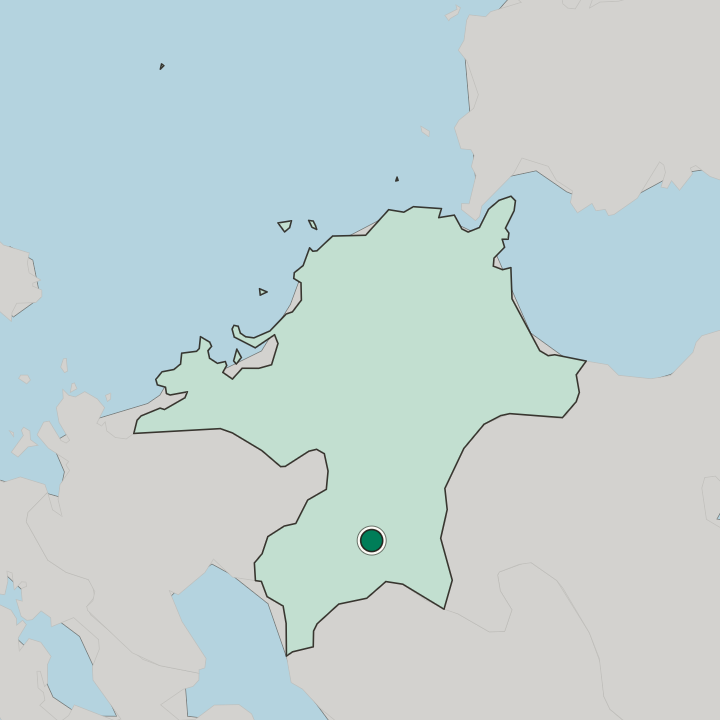
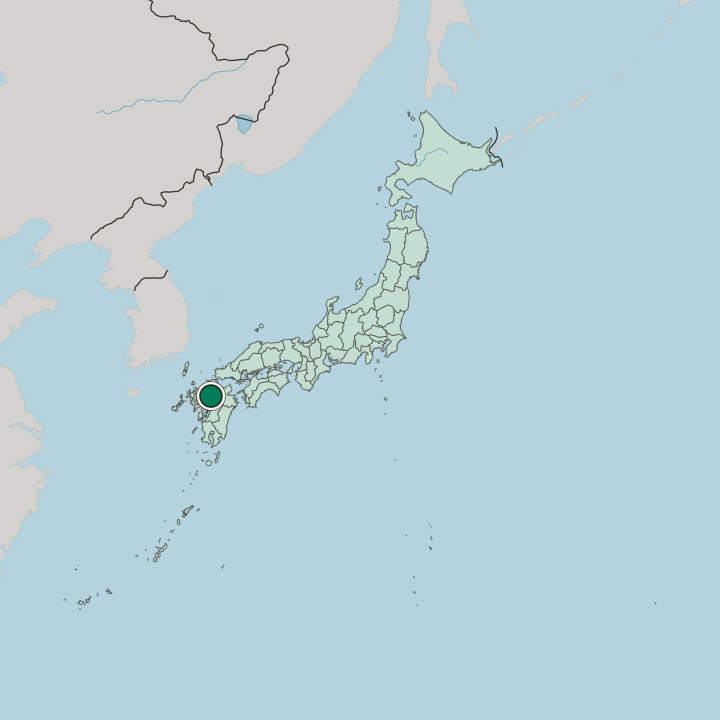
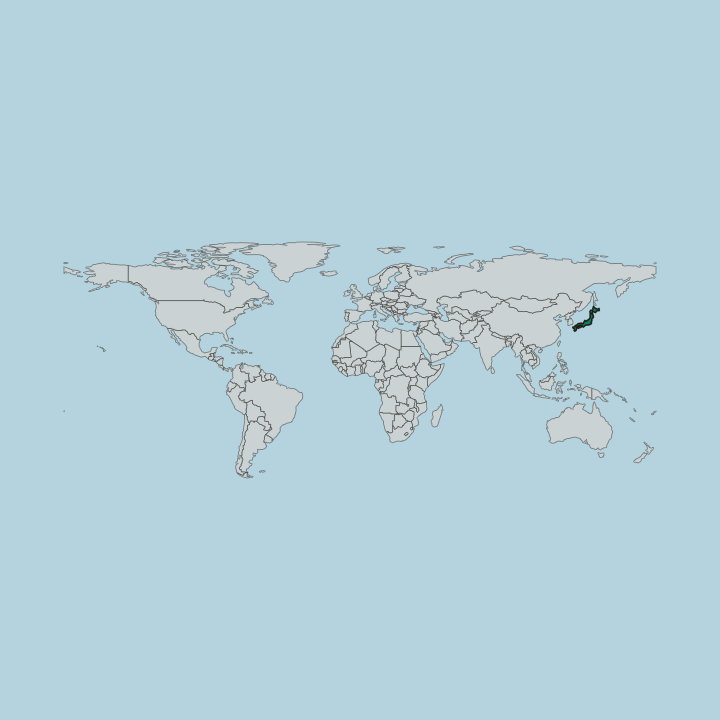
Yame takes in a large slice of Fukuoka Prefecture. Tea fields, farmland and the outlying settlements around Kurogi make up most of that ground, and the built-up part around Fukushima is a small fraction of the municipality as a whole. The land is worked, not wild.
Iwatoyama Kofun and the Yame Kofun Cluster stand in among the fields, which is the clearest sign of how long this ground has been reckoned good.
What is the climate of Yame?
Tea is the tell. Yame sits in the subtropical belt, warm and wet enough for months at a stretch that Yamecha can be grown here at scale, and that same weather makes the middle of summer heavy going for a visitor. Cold weather never lasts long here.
The Yame Traditional Crafts Museum and the Iwatoyama Historical and Cultural Community Center make reasonable shelter when an afternoon turns close.
How do you get to Yame?
The road is the way in. Yame sits within Fukuoka Prefecture, and reaching it means crossing the prefecture's own farm country, which is why most visitors arrive with a car rather than on a timetable. Its boundaries reach a long way.
Kurogi and the further edges of Yame are a real drive from Fukushima and its museums, so a day that takes in both the Yame Kofun Cluster and the tea country needs planning before it starts.
Common questions
What is the best area to stay in Yame?
Fukushima, the old centre: Short stays anchored on the Yame Traditional Crafts Museum. Kurogi: Travellers who want the tea country around Kurogi. Around Iwatoyama Kofun: Visitors timing a morning at Iwatoyama Kofun.
Good for
More cities in Fukuoka Prefecture
Updated September 2026