Japan · Fukuoka Prefecture
Where to Stay in Ōnojō, Fukuoka Prefecture
Ōnojō, in Fukuoka Prefecture, Japan, sits on ground holding the Sugu-Okamoto Site, the Kanenokuma Site and the Kokubu Tile Kiln ruins.
Hotel links are affiliate links: booking through them may earn us a commission, at no extra cost to you. It never affects how places are ranked. How this works


Where to stay in Ōnojō
One neighbourhood here has its own guide — here's what it is best for.
 ŌnojōJapan
Chuo
Chuo is one of Ōnojō's districts, a residential address in Fukuoka Prefecture rather than a destination in itself. Houses set the tone.Where to stay →Hotel links are affiliate links: booking through them may earn us a commission, at no extra cost to you. It never affects how places are ranked. How this works
Find hotels in Ōnojō
Direct booking searches for these neighbourhoods.
Near the Nakoku-no-oka Historical Park
The one part of Ōnojō laid out to be walked, with the Kokubu Tile Kiln ruins on the same short circuit. Beds are limited here, so book early.Find hotels in Near the Nakoku-no-oka Historical ParkFukuoka City Archaeological Center and an easy run backThe Fukuoka side
A bed chosen so that Fukuoka City Archaeological Center folds into the same day as the Sugu-Okamoto Site.Find hotels in The Fukuoka sidePairing Ōnojō with the Dazaifu Fureai Museum of History and CultureToward Dazaifu
For visitors setting the Kanenokuma Site beside the Dazaifu Fureai Museum of History and Culture in one itinerary. Beds are limited here, so book early.Find hotels in Toward DazaifuHotel links are affiliate links: booking through them may earn us a commission, at no extra cost to you. It never affects how places are ranked. How this works
About Ōnojō
Archaeology dominates the map here.
What is Ōnojō known for?
The Sugu-Okamoto Site, the Kanenokuma Site, Miyanomoto Site and Hakugensha Site all lie inside a city of under twenty-seven square kilometres, which is an unusual density of excavated ground for so little space. Kilns account for another. The Kokubu Tile Kiln ruins name the industry that made them, and the Nakoku-no-oka Historical Park is the entry on the list laid out as somewhere to walk rather than somewhere to read about.
Two museums do the reading: Fukuoka City Archaeological Center and the Dazaifu Fureai Museum of History and Culture.
What are the main landmarks in Ōnojō?
Most of the list is buried. The Sugu-Okamoto Site and the Kanenokuma Site are excavated ground rather than standing structures, and the same is true of Miyanomoto Site and Hakugensha Site, which carry their Japanese names untranslated. The Kokubu Tile Kiln ruins are the industrial entry.
Above all that sits the Nakoku-no-oka Historical Park, the one place where the archaeology has been turned into something to walk through, with the Fukuoka City Archaeological Center and the Dazaifu Fureai Museum of History and Culture holding the rest.
What is the history of Ōnojō?
The municipal record starts in 1889, when the place entered the Fukuoka Prefecture system under the name Ono Village. That is recent. The Sugu-Okamoto Site and the Kanenokuma Site record occupation of this ground on a scale that makes the municipal date look like a footnote, and Miyanomoto Site and Hakugensha Site extend the same record further still.
Villages became a city. The older name Ono Village belongs to a smaller unit than the city that carries the record now, and the distance between those two names is most of what the municipal history amounts to. Tiles were made here.
The Kokubu Tile Kiln ruins are what remains of that production, and a kiln leaves a particular kind of evidence, the kind that records making rather than merely living. Interpretation came much later. The Nakoku-no-oka Historical Park, the Fukuoka City Archaeological Center and the Dazaifu Fureai Museum of History and Culture are all modern additions, built to hold and explain what the ground had already been keeping for a very long time. Ōnojō is dense with all of it.
Twenty-seven square kilometres holds everything. The boundary encloses a concentration of excavated sites that is unusual for so small an area, and the record of Ōnojō is therefore mostly a record of what was found rather than of what was built.
Where is Ōnojō?
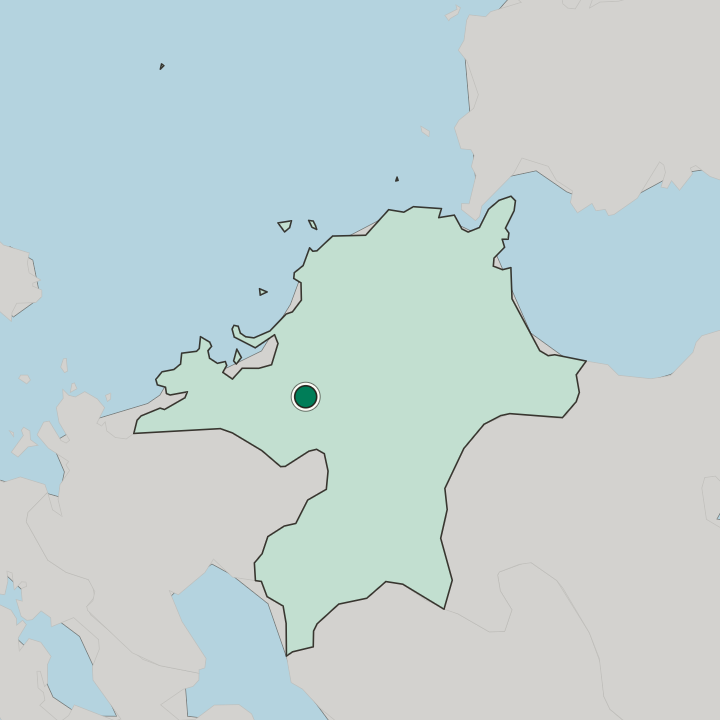
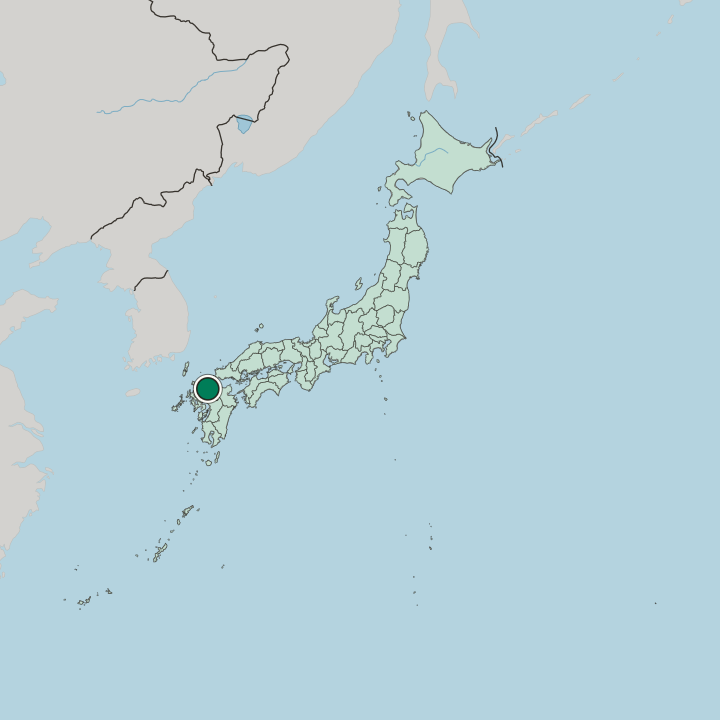
Ōnojō is one of the smaller cities of Fukuoka Prefecture, covering under twenty-seven square kilometres, which is a boundary tight enough that the archaeology and the built-up part share the same ground. Neighbours press in on it. Fukuoka and Dazaifu are both close enough that their institutions turn up on any list of what to see from here, and Ōnojō sits inside that cluster rather than apart from it.
Weather here falls in the subtropical band.
What is the climate of Ōnojō?
Subtropical summers govern the calendar in this part of Fukuoka Prefecture, which matters here because so much of what there is to see is open ground. The sites are exposed. Walking the Nakoku-no-oka Historical Park, the Sugu-Okamoto Site or the Kanenokuma Site in the hottest months is a different proposition from walking them in spring or autumn.
Indoors, the Fukuoka City Archaeological Center and the Dazaifu Fureai Museum of History and Culture cover any weather at all. Spring wins.
How do you get to Ōnojō?
Ōnojō is reached through its neighbours. Fukuoka and Dazaifu both sit close, and the approach to Ōnojō usually runs through one of them rather than from anywhere further out in Fukuoka Prefecture. Once inside, distances collapse.
The Sugu-Okamoto Site, the Kanenokuma Site, the Kokubu Tile Kiln ruins and the Nakoku-no-oka Historical Park all fall inside the same twenty-seven square kilometres, so nothing here needs a second day of travel. The museums are the outward trips.
Common questions
What is the best area to stay in Ōnojō?
Near the Nakoku-no-oka Historical Park: The Nakoku-no-oka Historical Park and the ground around it. The Fukuoka side: Fukuoka City Archaeological Center and an easy run back. Toward Dazaifu: Pairing Ōnojō with the Dazaifu Fureai Museum of History and Culture.
Good for
More cities in Fukuoka Prefecture
Updated October 2026