Japan · Hokkaido
Where to Stay in Chitose, Hokkaido
Chitose sits between New Chitose Airport and Lake Shikotsu, an Ishikari city where most journeys into Hokkaido begin.
Hotel links are affiliate links: booking through them may earn us a commission, at no extra cost to you. It never affects how places are ranked. How this works


Where to stay in Chitose
Where visitors usually base themselves, and why.
New Chitose Airport decides most of it. A room near the terminal answers an early departure or a late landing, and for anyone connecting onward to Sapporo the calculation rarely goes further than that. Chitose town has its own draw.
The Chitose Aquarium and the Chitose City Buried Cultural Properties Center sit on the urban side, and staying there keeps meals and evenings within walking distance rather than beside a runway. Both options are short hops apart. Lake Shikotsu changes the question entirely.
Beds on the park side put Shikotsu-Toya National Park and Mount Tarumae at the start of the day rather than the end of it, which is the whole argument for sleeping away from the terminal. Families weigh Ecorin Mura against the aquarium. Kiusu Earthwork Burial Circles, the Karinba Site and the Usakumai Sites lie out on open ground, so a car changes what a stay can reach far more than the choice of neighbourhood does.
The Peace Pagoda is the outlier. Built in 1978 by the Nipponzan Myohoji order, it belongs to neither the airport side nor the lake, and it is the sort of thing a longer stay finds.
Find hotels in Chitose
Direct booking searches for these neighbourhoods.
The New Chitose Airport side
Terminal ground alongside Chitose Air Base, where a dawn flight costs no morning transferFind hotels in The New Chitose Airport sideEvenings near the Chitose AquariumChitose town
The built-up side of the city, holding the Chitose City Buried Cultural Properties Center and the Peace PagodaFind hotels in Chitose townDays inside Shikotsu-Toya National Park and under Mount TarumaeThe Lake Shikotsu side
Park ground by Lake Shikotsu, where the water and the mountain open the day instead of closing it. Beds are limited here, so book early.Find hotels in The Lake Shikotsu sideHotel links are affiliate links: booking through them may earn us a commission, at no extra cost to you. It never affects how places are ranked. How this works
About Chitose
The airport comes first.
What is Chitose known for?
New Chitose Airport is the biggest international airport in Hokkaido and the closest one to Sapporo, which fixes Chitose in most itineraries before the city itself registers. Shikotsu-Toya National Park pulls the other way, with Lake Shikotsu and Mount Tarumae within reach. Chitose Air Base neighbours the airport.
What are the main landmarks in Chitose?
Water and excavation split the list. The Chitose Aquarium takes the first, while the Kiusu Earthwork Burial Circles, the Karinba Site and the Usakumai Sites carry the second, with the Chitose City Buried Cultural Properties Center covering the same excavated record indoors. Ecorin Mura works for a slower afternoon.
The Peace Pagoda, raised in 1978 by the Nipponzan Myohoji order, stands apart from both threads, and the Eniwa City Historical Museum belongs to the neighbouring city rather than to Chitose.
What is the history of Chitose?
The record starts underground. The Kiusu Earthwork Burial Circles, the Karinba Site and the Usakumai Sites all sit within the municipality, evidence of settlement on this part of Ishikari long before any village office existed to record it. Chitose Village dates from 1915.
The village name carried the settlement through the decades that followed, and city status arrived only in 1958, which makes Chitose a young municipality by the standards of its own archaeology. Ecorin Mura and the Chitose Aquarium belong to a much later chapter. Aviation reshaped the place.
New Chitose Airport grew into the biggest international airport in Hokkaido and the closest to Sapporo, and Chitose Air Base sits beside it, so a city that began as a village turns on the movement of aircraft. The Peace Pagoda came in 1978. Nipponzan Myohoji built it as one of the order's pagodas, adding a religious landmark to a municipality whose other modern additions came from aviation.
Shikotsu-Toya National Park anchors the older landscape, and the Chitose City Buried Cultural Properties Center keeps the excavated record legible for anyone who wants the long version.
Where is Chitose?
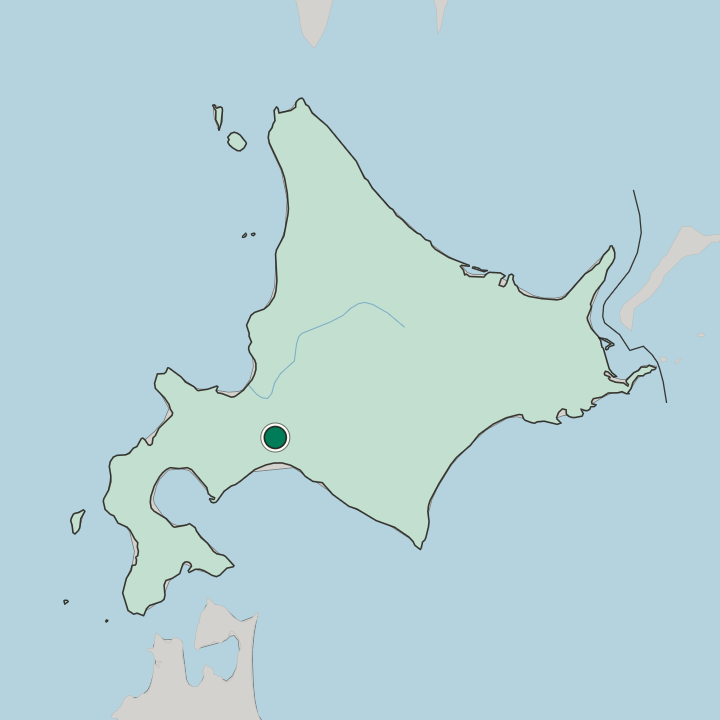
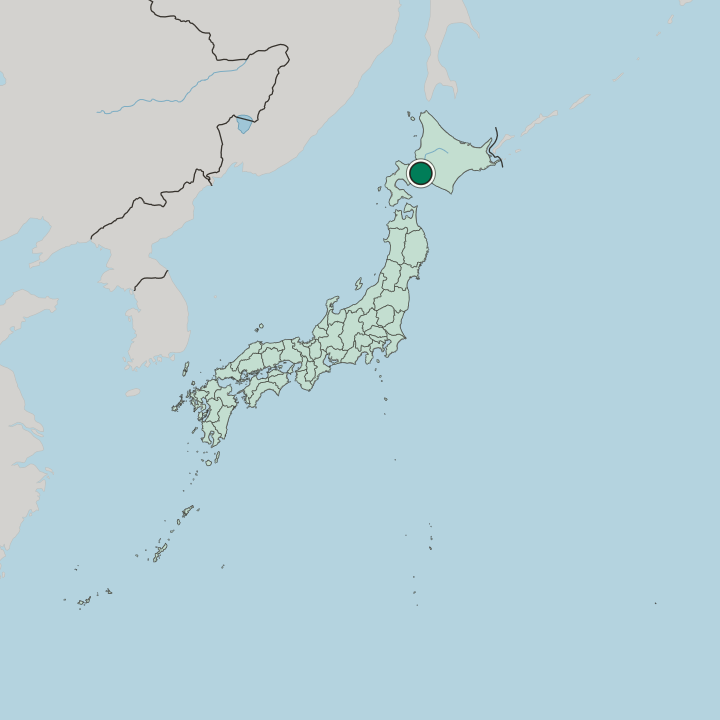
Chitose occupies a broad slice of Ishikari, in Hokkaido. Lake Shikotsu and Mount Tarumae fall inside the municipality's reach, which is why Shikotsu-Toya National Park is treated as local ground here rather than as a day trip from Sapporo. Sapporo lies close by.
That proximity explains the airport's scale, and it puts Chitose's excavated sites and its lake within reach of anyone based in the larger city.
What is the climate of Chitose?
Lake Shikotsu governs the seasons people come for. Summer opens Shikotsu-Toya National Park and the slopes of Mount Tarumae, while the colder half of the temperate year pushes visitors toward the Chitose Aquarium, Ecorin Mura and the Chitose City Buried Cultural Properties Center. Indoor plans earn their keep.
Anyone timing a trip around Lake Shikotsu should treat the warm months as the working season and the rest of the year as a reason to stay closer to New Chitose Airport.
How do you get to Chitose?
New Chitose Airport is the point. The biggest international airport in Hokkaido sits inside this municipality, which is why arrivals from outside the island tend to touch down in Chitose before they ever see Sapporo. Chitose Air Base occupies neighbouring ground.
Onward travel divides cleanly: Sapporo in one direction, and Lake Shikotsu with Shikotsu-Toya National Park in the other, the second of which rewards a car.
Common questions
What is the best area to stay in Chitose?
The New Chitose Airport side: Early departures out of New Chitose Airport. Chitose town: Evenings near the Chitose Aquarium. The Lake Shikotsu side: Days inside Shikotsu-Toya National Park and under Mount Tarumae.
Good for
More cities in Hokkaido
Updated September 2026