Japan · Hokkaido
Where to Stay in Hakodate, Hokkaido
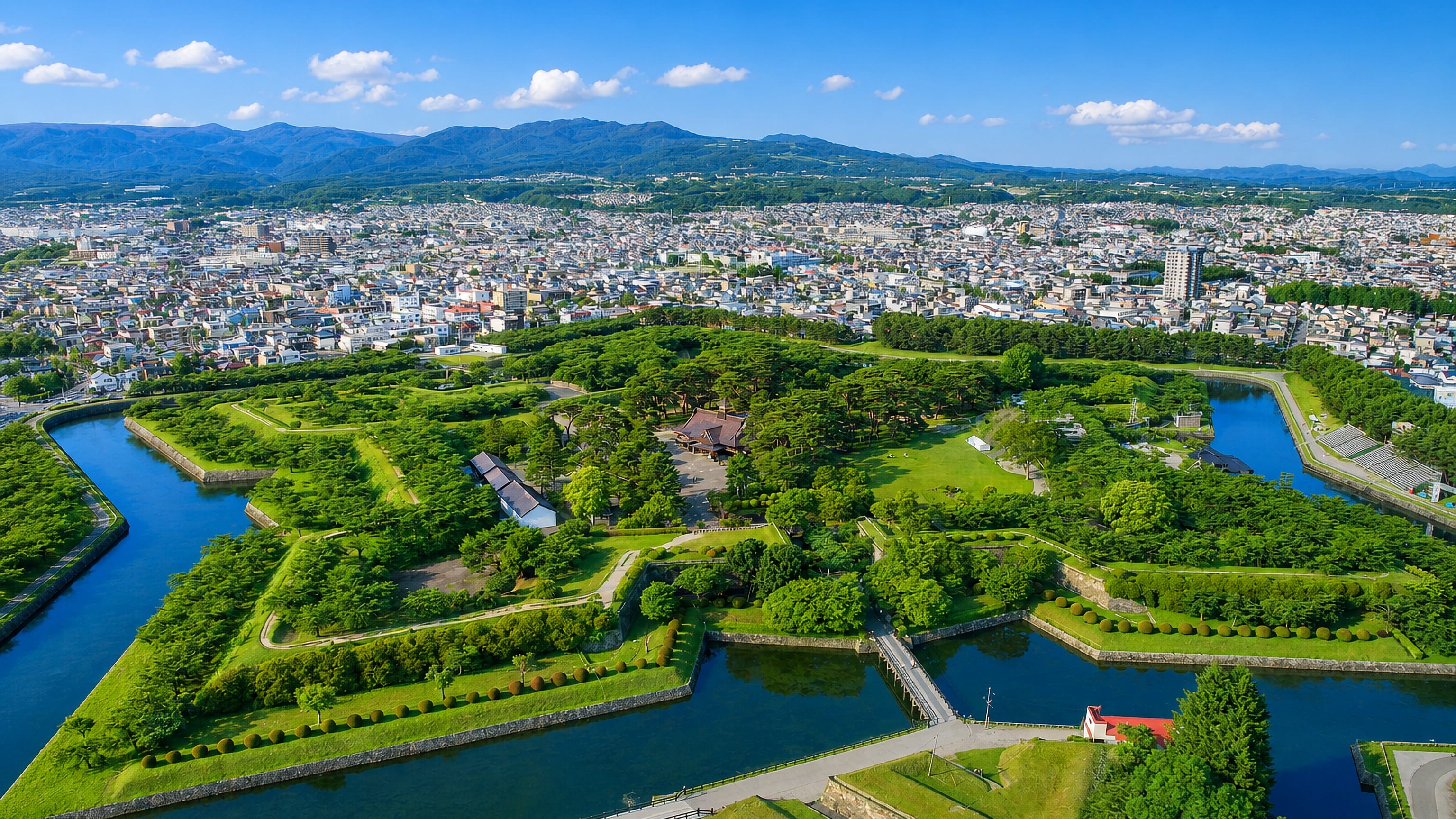
Hakodate is a port city in southern Hokkaido, Japan, on the Tsugaru Strait, known for the star-shaped Goryōkaku fort and its harbour.
Hotel links are affiliate links: booking through them may earn us a commission, at no extra cost to you. It never affects how places are ranked. How this works


Where to stay in Hakodate
Where visitors usually base themselves, and why.
Where you stay in Hakodate splits between the harbour and the fort. The old waterfront district, below the mountain and near the UCCJ Hakodate Church, keeps the historic slopes, the churches, and the red-brick warehouses within a walk, and it suits anyone here for the views and the past. Evenings glow along the bay.
Rooms sit close to the slopes and the water. Inland, the modern city gathers around the station and Goryōkaku. A room near the fort trades the harbour slopes for the star-shaped park and the Goryōkaku Tower, handier for the trains and the museums.
The centre runs flat and easy. If you want the harbour and the churches, stay by the water; if you want the fort and the station, base yourself inland. Either way, Hakodate is small and walkable.
Find hotels in Hakodate
Direct booking searches for these neighbourhoods.
Old harbour district
Below the mountain near the UCCJ Hakodate Church, among the old warehouses and the waterfront streetsFind hotels in Old harbour districtTravellers wanting the fort, the station, and the museumsAround Goryōkaku
Near the star-shaped Goryōkaku park and the Goryōkaku Tower, close to the rail lines and the modern centreFind hotels in Around GoryōkakuHotel links are affiliate links: booking through them may earn us a commission, at no extra cost to you. It never affects how places are ranked. How this works
About Hakodate
Hakodate faces the sea and the strait.
What is Hakodate known for?
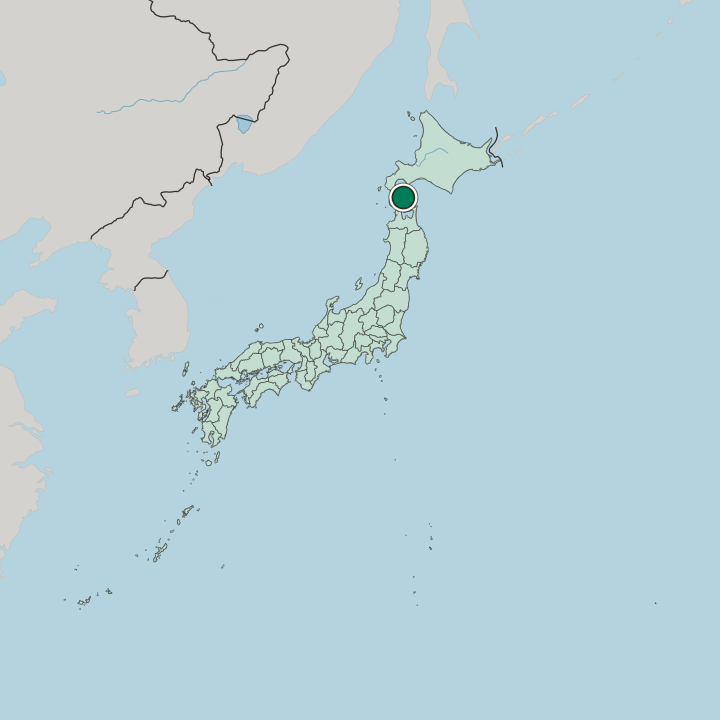
A port that has long looked outward, this southern Hokkaido city sits across the Tsugaru Strait from Honshu, and its star-shaped Goryōkaku fort recalls the last battle of the old order. Museums line the old harbour. The sea made the town.
What are the main landmarks in Hakodate?
Goryōkaku is Hakodate's great sight. The star-shaped fort spreads its ramparts across the north of the city, best seen from the Goryōkaku Tower that rises beside it, while the old harbour district holds the museums and the merchant houses. Foreign echoes remain in the streets.
The UCCJ Hakodate Church, the Old Soma Residence, and the Museum Ship Mashu Maru mark the port's outward-looking past.
What is the history of Hakodate?
Hakodate grew up as a crossing point between north and south. The strait was the road. Ships worked the water here, and the town became a meeting place of Japanese, Ainu, and foreign traders on the edge of Hokkaido.
Foreign merchants and missionaries settled by the harbour, leaving churches like the UCCJ Hakodate Church and grand houses like the Old Soma Residence. The port made fortunes for men like Kahei Takadaya, remembered in the Hakodate Museum of Kahei Takadaya. Fishing fleets worked the cold straits, and the catch filled the wharves each season.
War came to the harbour in the end. The star-shaped fort of Goryōkaku was raised to guard the coast, and it became the last stronghold of the old shogunate's cause, falling in the battle that closed the wars of the restoration. Goryōkaku Tower stands beside the ramparts.
The city was formally organised in 1879. Its museums grew to hold the region's past, and the Hakodate Museum of Northern Peoples keeps the record of the Ainu and the north. The Museum Ship Mashu Maru, an old ferry, lies moored as a reminder of the crossings to Honshu.
Where is Hakodate?
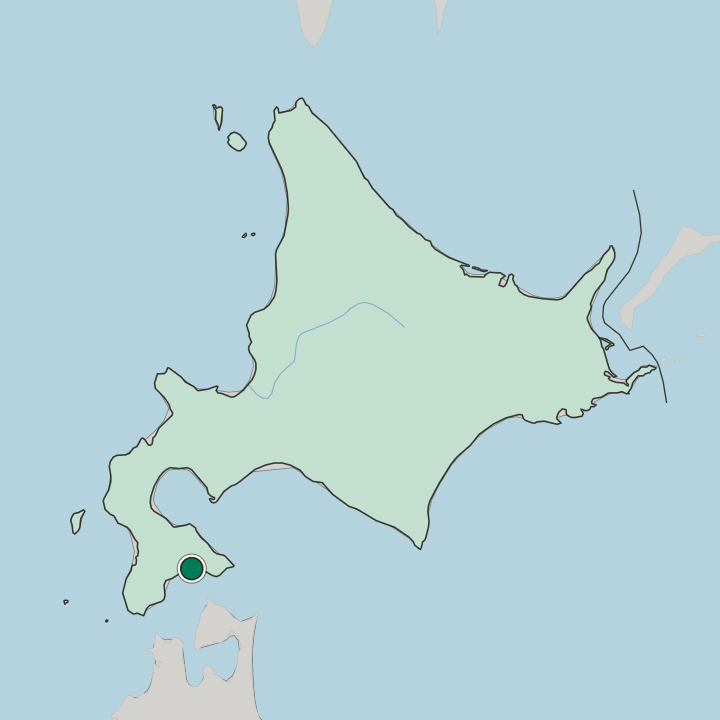
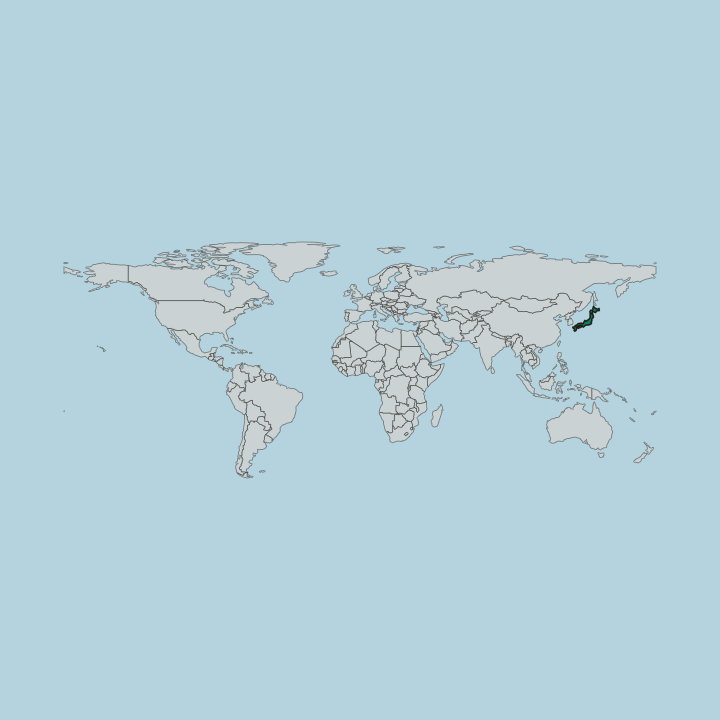
Hakodate sits on a narrow neck of land. The city fills a spit between two bays at the southern tip of Hokkaido, with a steep mountain rising over the harbour and the Tsugaru Strait opening to the south. Honshu lies across the water.
The strait and the hill frame the whole town.
What is the climate of Hakodate?
Hakodate feels the cold of the north. Winters bring snow and hard frost off the strait, while the summers stay cool and short compared with the rest of Japan. Sea fog drifts in through the warm months.
Spring comes late to Hokkaido.
How do you get to Hakodate?
A tunnel and a ferry link Hakodate to Honshu. Trains run under the Tsugaru Strait to the main island, and boats still cross the water to the ports opposite, while rail lines reach up from the harbour into Hokkaido. The airport lies east of the centre.
Most arrive by rail, through the strait or across the island.
Common questions
What is the best area to stay in Hakodate?
Old harbour district: Visitors here for the historic slopes, churches, and bay views. Around Goryōkaku: Travellers wanting the fort, the station, and the museums.
Good for
More cities in Hokkaido
Updated September 2026