Japan · Hokkaido
Where to Stay in Kushiro, Hokkaido
Kushiro is the port city of eastern Hokkaido, a North Pacific harbour beside Japan's largest marshland, where Japanese cranes live all year.
Hotel links are affiliate links: booking through them may earn us a commission, at no extra cost to you. It never affects how places are ranked. How this works


Where to stay in Kushiro
The practical side of choosing where to sleep.
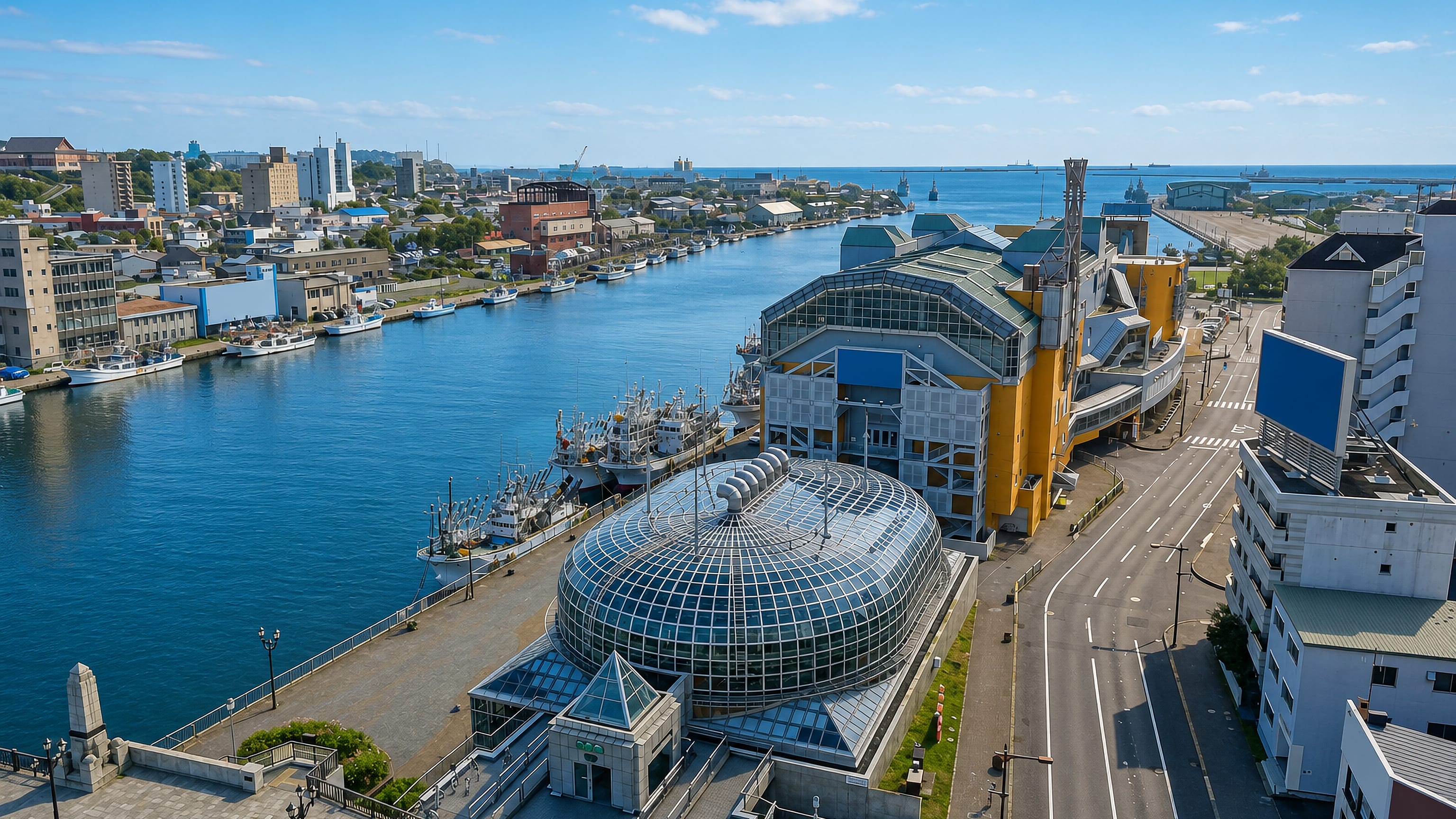
Beds in Kushiro sit either by the harbour or inland near Kōbunkan and the city galleries. A room on the port side puts the quays, the North Pacific front, and the boats that work out of Kushiro within a few minutes on foot, and it is the right choice if you came for the water. The port side is plain and useful.
Inland, the streets around the Kushiro City Museum and the Kushiro Art Museum, Hokkaido keep the exhibitions and the Kushiro Children's Museum Kodomo Yūgakukan close, which suits a family stay. The Kushiro City Museum of Art adds a second gallery on the same walk. Out past the built-up edge, the marshland and the rural spread of the municipality leave few rooms, so most travellers sleep in town and set out early for the cranes.
Distances here run long. The KKS Kushiro Kouseisya Ice Arena gives the cold months an indoor hour. Kushiro Subprefecture reaches far past the city limits, and a night here is often the last one before the road runs on through rural country, marsh, and open coast.
Public transport will not fill the gaps.
Find hotels in Kushiro
Direct booking searches for these neighbourhoods.
The harbour side
Minutes from the port front and KōbunkanFind hotels in The harbour sideFamilies using the Kodomo Yūgakukan and the art museumsThe gallery streets
Around the Kushiro City Museum and the Kushiro Art Museum, HokkaidoFind hotels in The gallery streetsEarly starts towards the marshland cranesBeyond the built-up edge
Rural Kushiro Subprefecture, where rooms thin out fast. Lodging is scarce in this area; reserve in advance.Find hotels in Beyond the built-up edgeHotel links are affiliate links: booking through them may earn us a commission, at no extra cost to you. It never affects how places are ranked. How this works
About Kushiro
What is Kushiro known for?
The city serves as the capital of Kushiro Subprefecture and the largest settlement in eastern Hokkaido, a working harbour on the North Pacific Ocean whose marshland pulls birdwatchers through the whole year. Japanese cranes stay year-round. The galleries do the indoor work: the Kushiro City Museum, the Kushiro Art Museum, Hokkaido, and the Kushiro Children's Museum Kodomo Yūgakukan.
The harbour faces the open Pacific, and the rural country beyond the built-up edge stays thin of people.
What are the main landmarks in Kushiro?
Kushiro keeps its collections close together. The Kushiro City Museum stands first among them, with the Kushiro Art Museum, Hokkaido and the Kushiro City Museum of Art carrying the galleries between them, and Kōbunkan on the same short list. Children get the Kushiro Children's Museum Kodomo Yūgakukan, and skaters the KKS Kushiro Kouseisya Ice Arena.
The marshland outside the city is the other reason people come, and the Japanese cranes that live there through the year have made Kushiro a fixture for birdwatchers.
What is the history of Kushiro?
Kushiro became a municipality in 1900. Its position along the coast of the North Pacific Ocean set the shape of the place, and the town on that shore became the capital of Kushiro Subprefecture, the seat that still administers the eastern district. Growth followed the coast rather than the interior.
By the measure of size, Kushiro came to rank fourth among the cities of Hokkaido and first in the eastern half of the island, yet the municipality never lost its rural character. Marsh and open country still hold most of its area. Public transport stayed sparse as the city grew, and the distances across a municipality of this size have kept daily life closer to the countryside than to the crowded parts of Hokkaido.
The record is kept in museums. Kōbunkan, the Kushiro City Museum, and the Kushiro Art Museum, Hokkaido hold the account of the district between them, with the Kushiro City Museum of Art and the Kushiro Children's Museum Kodomo Yūgakukan alongside. Japan's largest marshland lies at the city's back, and the endangered Japanese cranes that live there through every season have turned a working port town into a stop for birdwatchers.
Where is Kushiro?
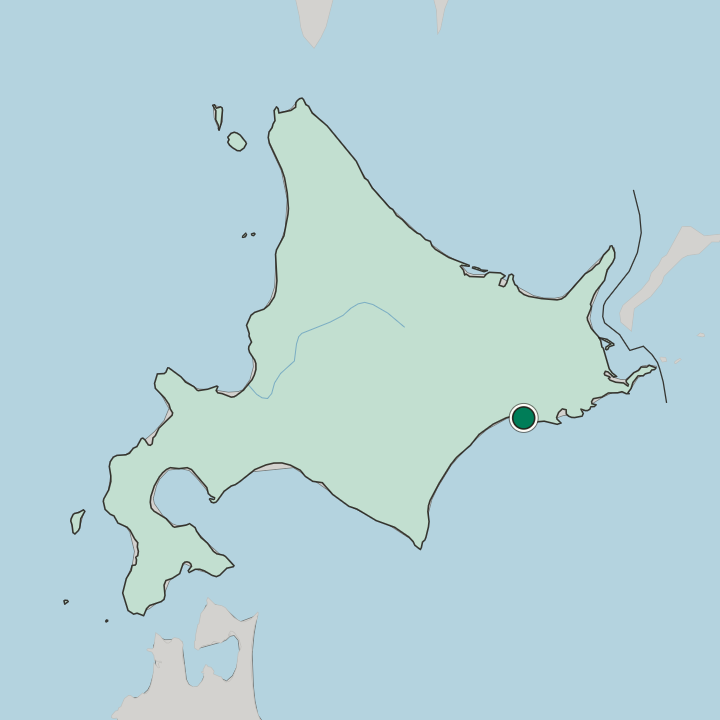
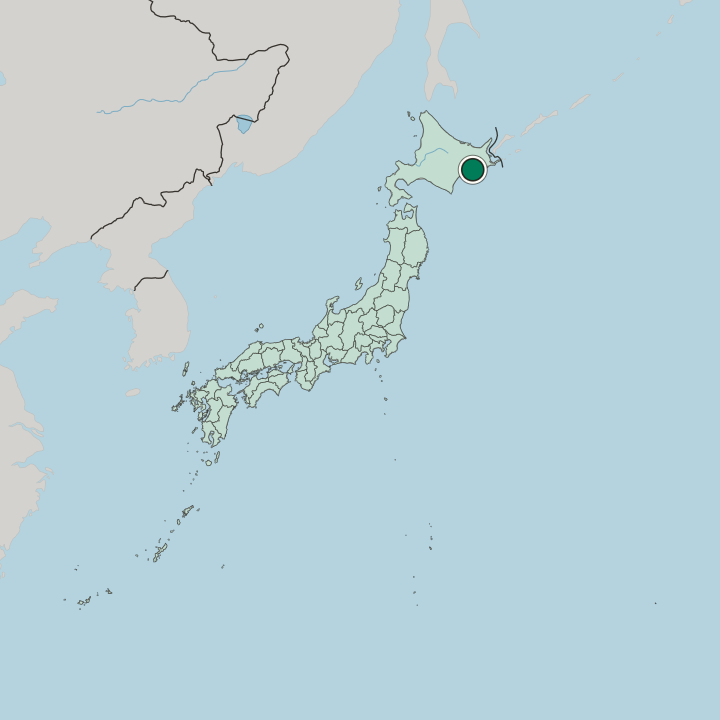
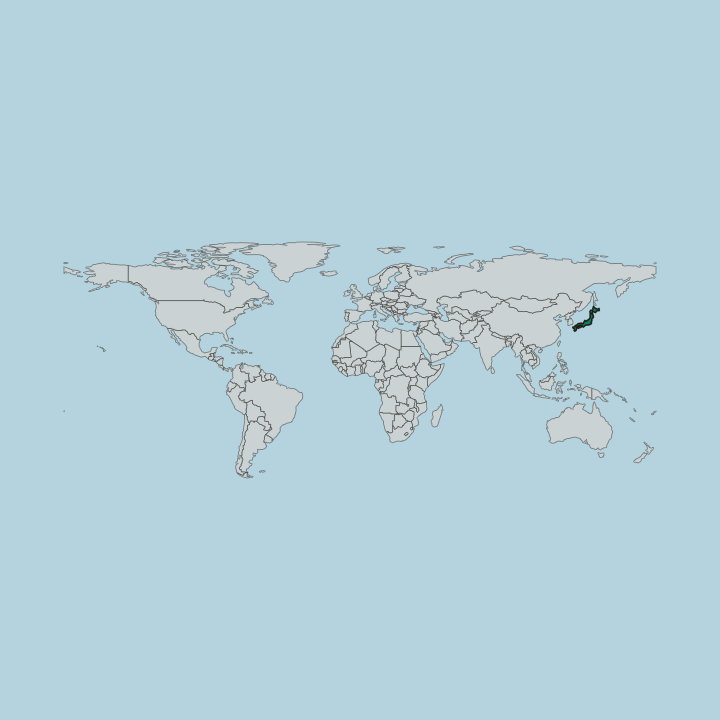
Kushiro faces the North Pacific Ocean from the eastern side of Hokkaido, with Japan's largest marshland spreading inland behind the built-up ground and the rest of the municipality running out into rural country. The territory is enormous for a city. Kushiro Subprefecture takes in the country around, and the settlements out there sit far apart across marsh, coast, and open land.
Cranes hold the wetland.
What is the climate of Kushiro?
The North Pacific sets the terms here. Kushiro sits in the temperate band of the northern hemisphere, on an island coast where the ocean moderates the swing between seasons and the open marshland behind the city takes the weather first. The cranes stay through all of it.
Marsh and ocean share the same air here.
How do you get to Kushiro?
Getting around Kushiro takes planning. Public transport across the municipality is sparse, and with the built-up ground, the marshland, and the outlying districts spread over a very large municipal area, most visitors end up driving. The harbour on the North Pacific still works.
As the subprefectural capital of Kushiro Subprefecture, the city is the practical base for anything further out in eastern Hokkaido.
Common questions
What is the best area to stay in Kushiro?
The harbour side: Travellers set on the North Pacific quays. The gallery streets: Families using the Kodomo Yūgakukan and the art museums. Beyond the built-up edge: Early starts towards the marshland cranes.
Good for
More cities in Hokkaido
Updated September 2026