Japan
Hokkaido, Japan — Towns & Travel Guide
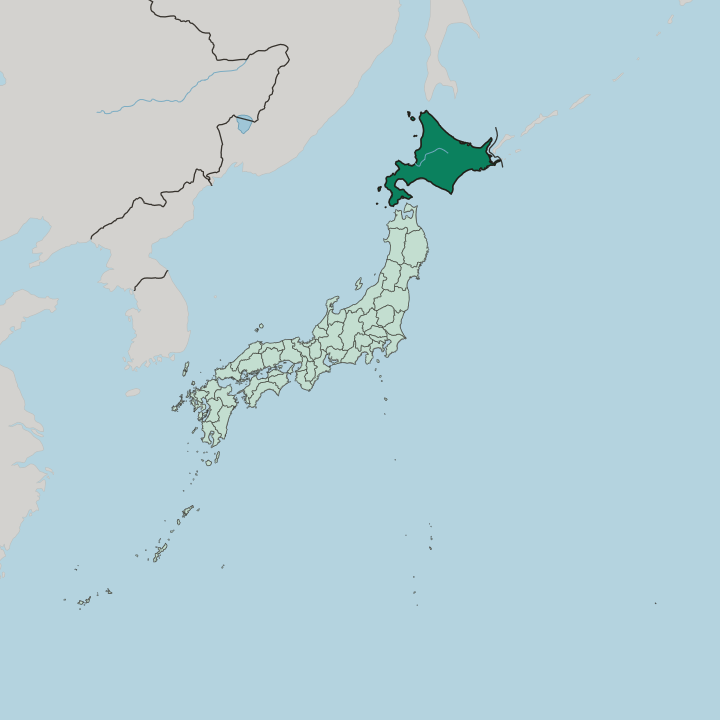
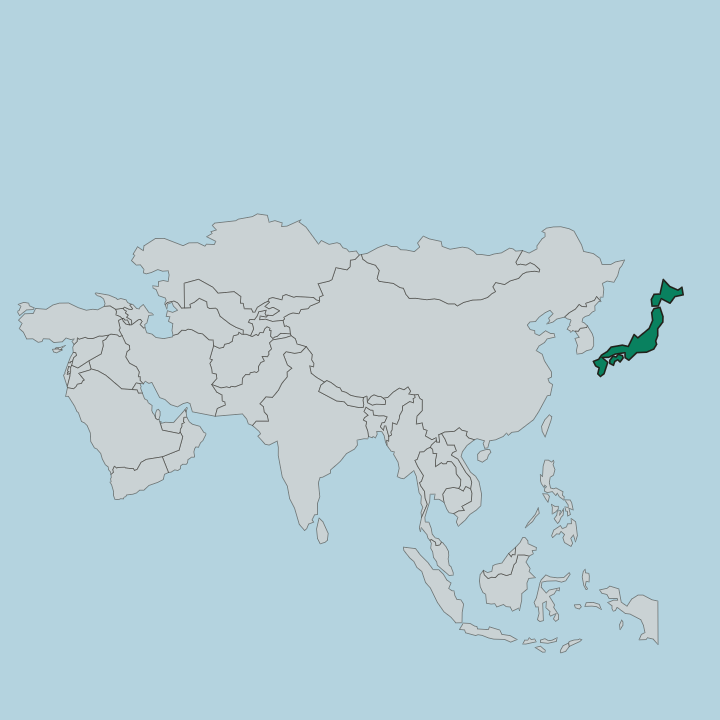
Hokkaido is Japan's northernmost main island and largest prefecture, a wild frontier of volcanoes, powder snow, and Ainu heritage.
Hotel links are affiliate links: booking through them may earn us a commission, at no extra cost to you. It never affects how places are ranked. How this works


Towns & cities in Hokkaido
Pick a town or city — each links to where to stay.
 Japan
Japan
Sapporo
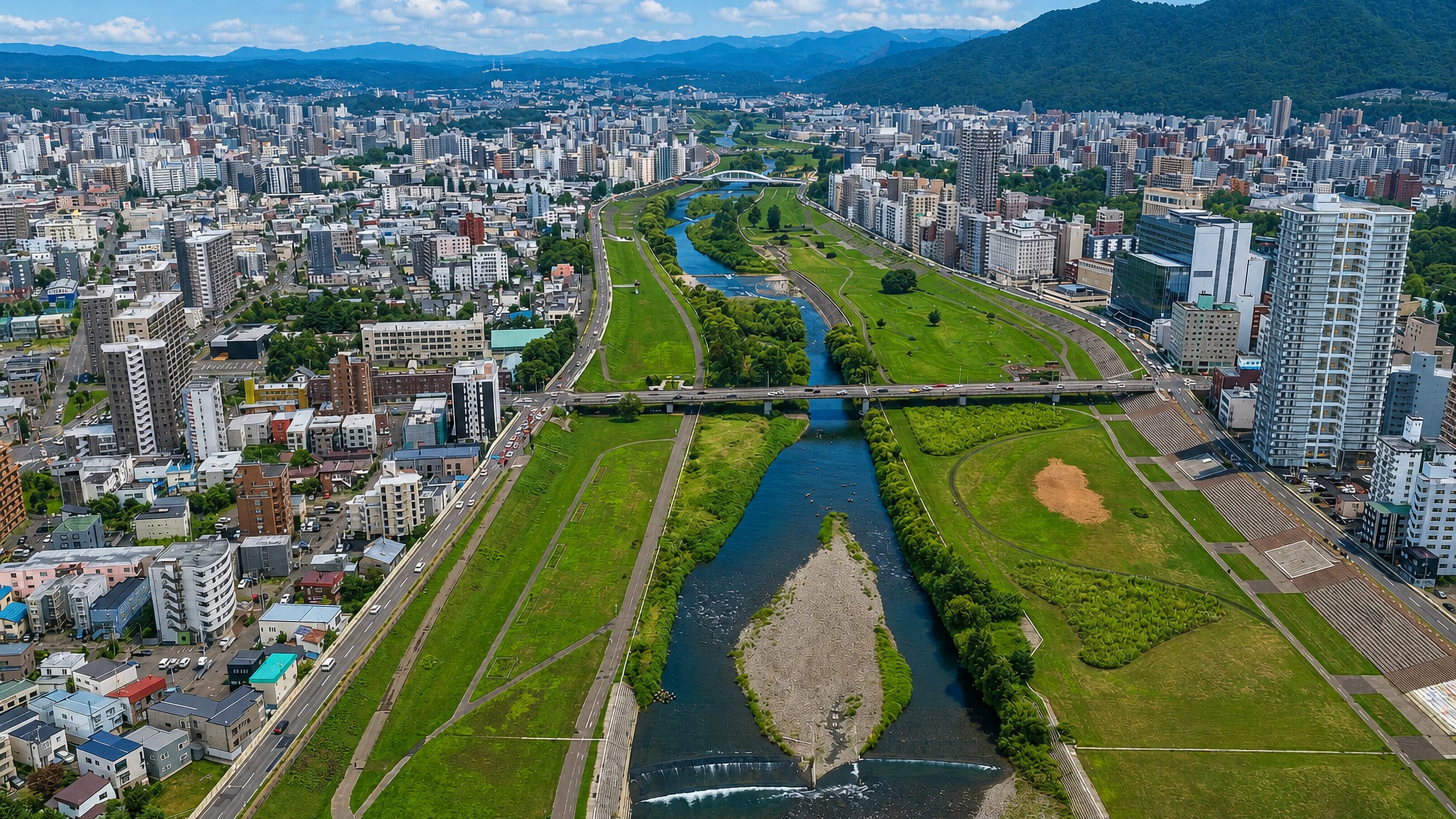
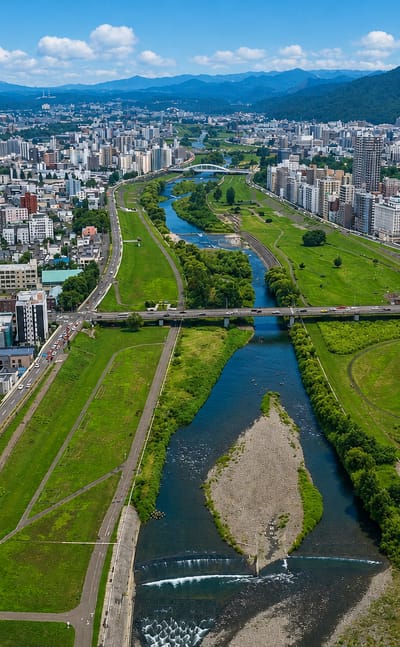
Snow banks the boulevards of Sapporo, capital of Hokkaido on the fan of the Toyohira River, known for the Sapporo Clock Tower and the Sapporo Beer Museum.Where to stay →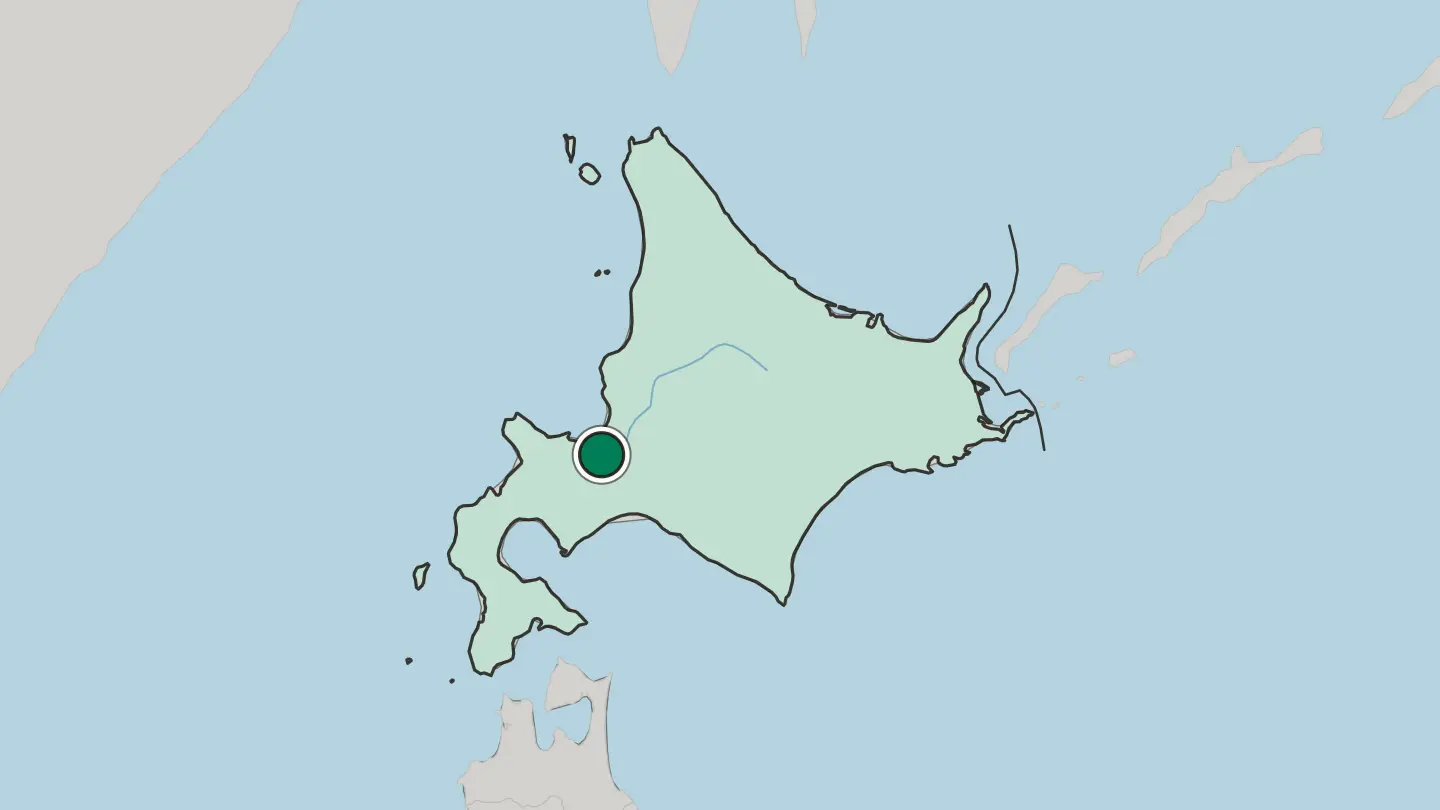
 Japan
Japan
Asahikawa
Asahikawa is a city of central Hokkaido in northern Japan, the second city of the island, a snowy inland town of rivers famous for its ramen and its zoo.Where to stay →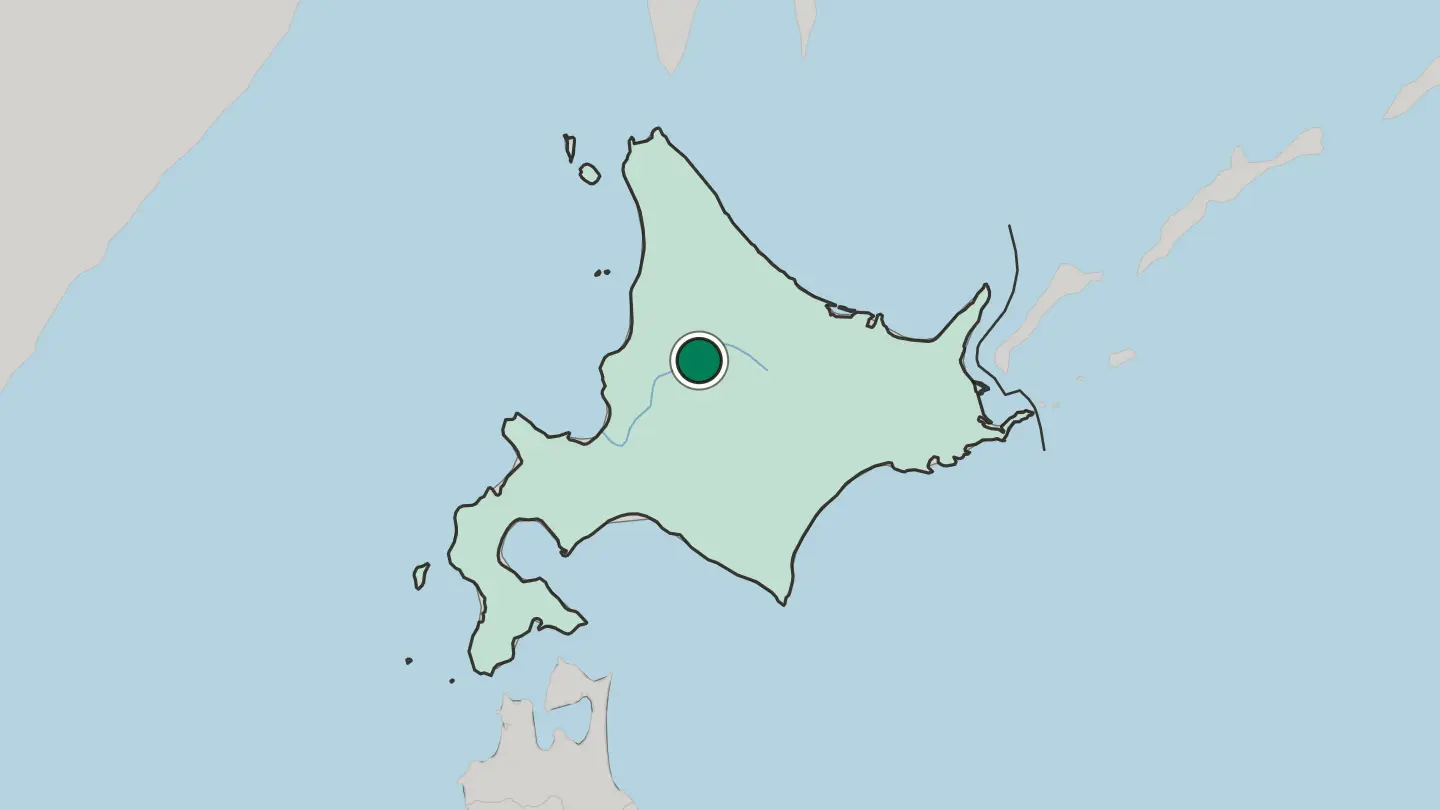
 Japan
Japan
Hakodate
Hakodate is a port city in southern Hokkaido, Japan, on the Tsugaru Strait, known for the star-shaped Goryōkaku fort and its harbour.Where to stay →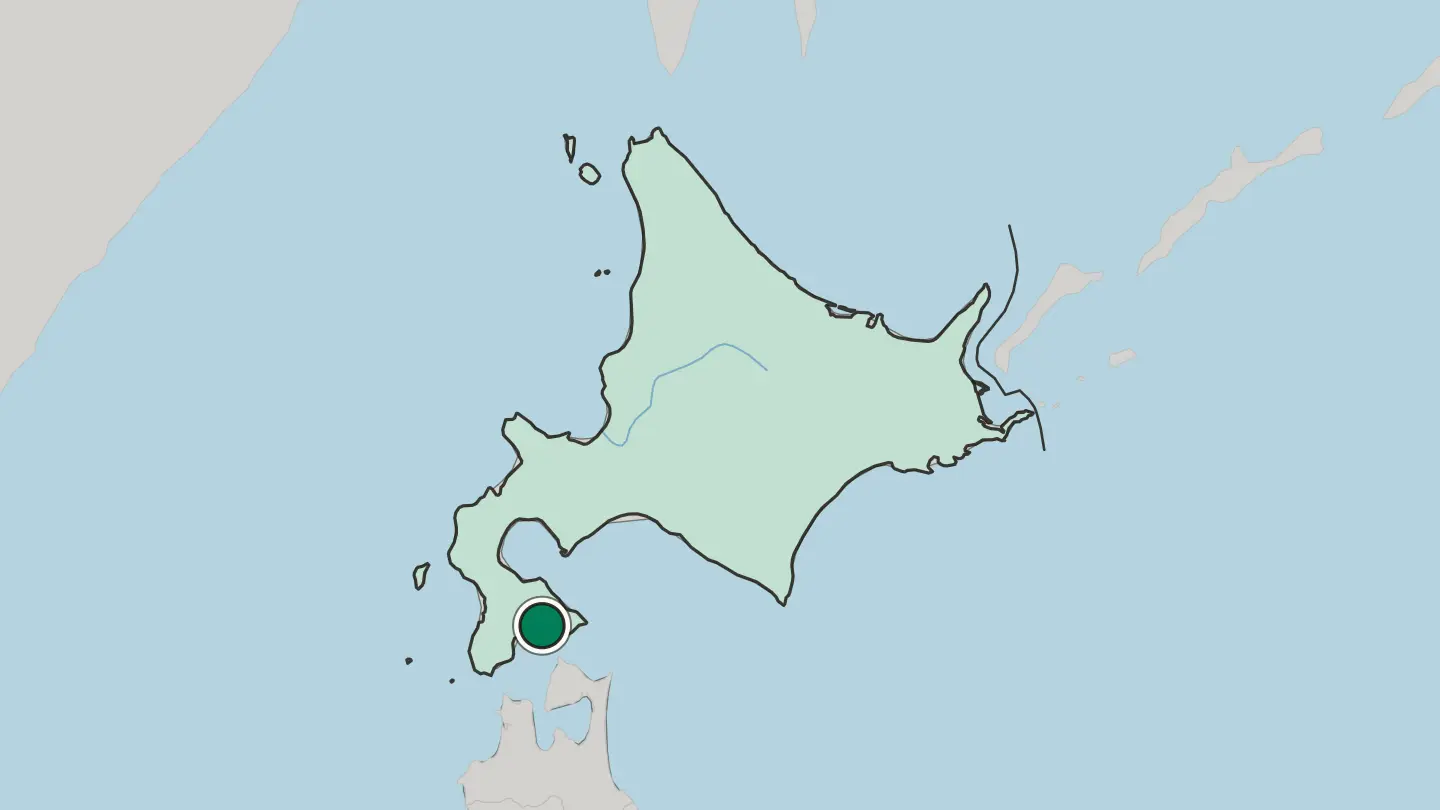 Japan
Japan
Tomakomai
Tomakomai is the port city of Iburi Subprefecture in Hokkaido, the largest in the district, with the Lake Utonai wetland inside its boundary.Where to stay →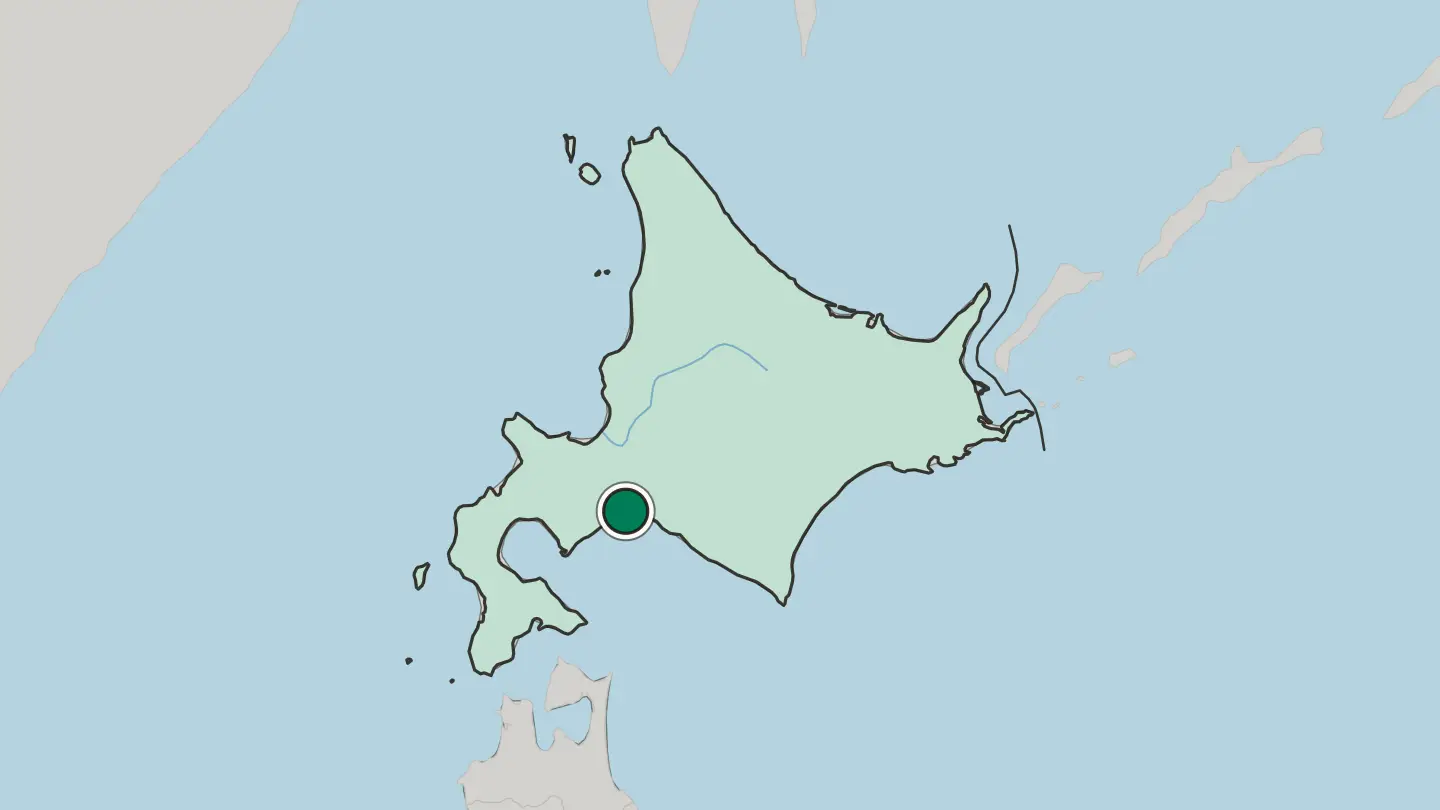
 Japan
Japan
Kushiro
Kushiro is the port city of eastern Hokkaido, a North Pacific harbour beside Japan's largest marshland, where Japanese cranes live all year.Where to stay →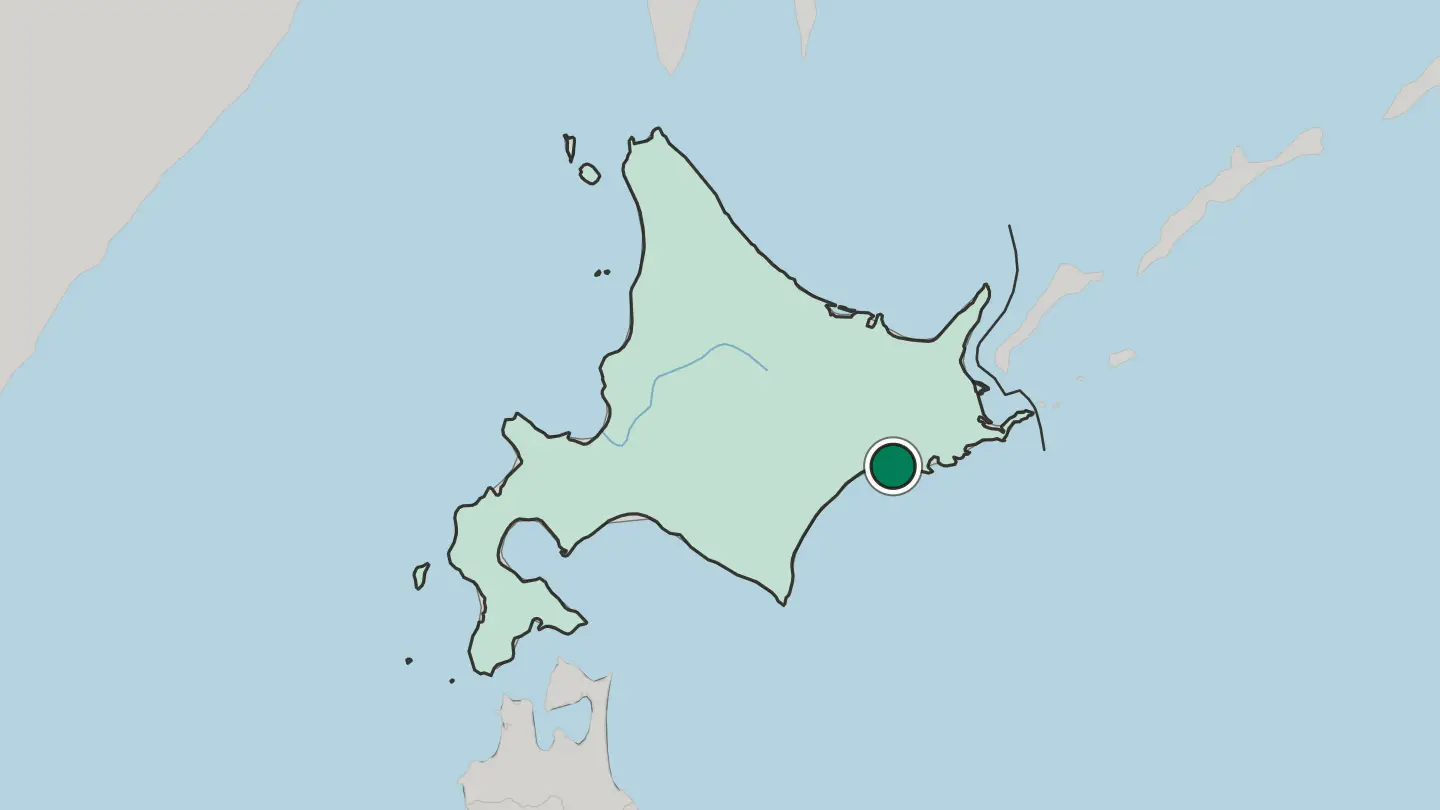 Japan
Japan
Obihiro
Obihiro is the city of the Tokachi Plain in Hokkaido, capital of Tokachi Subprefecture, with a zoo, a Horse Museum and farm country all around.Where to stay →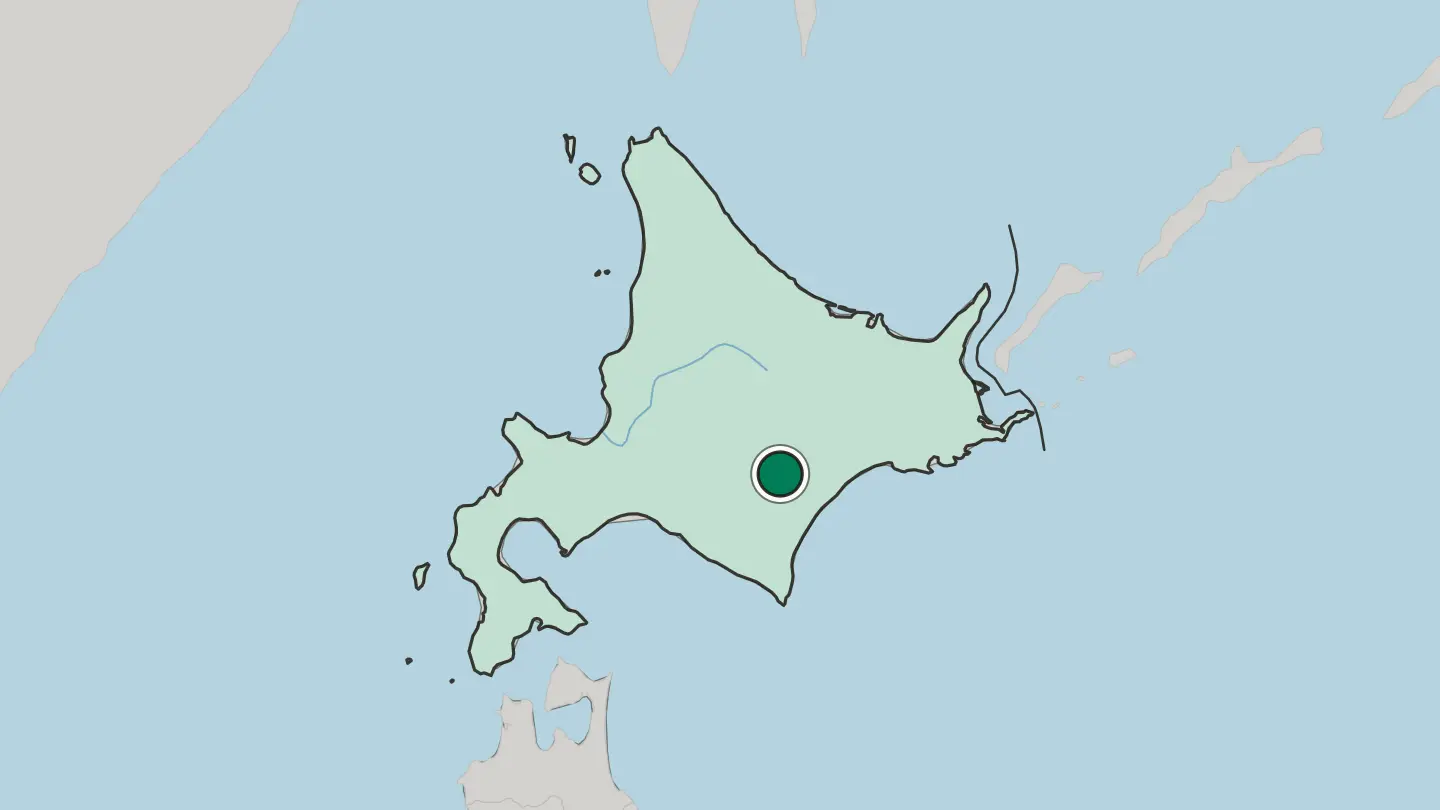 Japan
Japan
Ebetsu
Ebetsu is a city of Ishikari Subprefecture in Hokkaido, holding the Ebetsu Kofun Cluster and museums given over to ceramics and glass.Where to stay →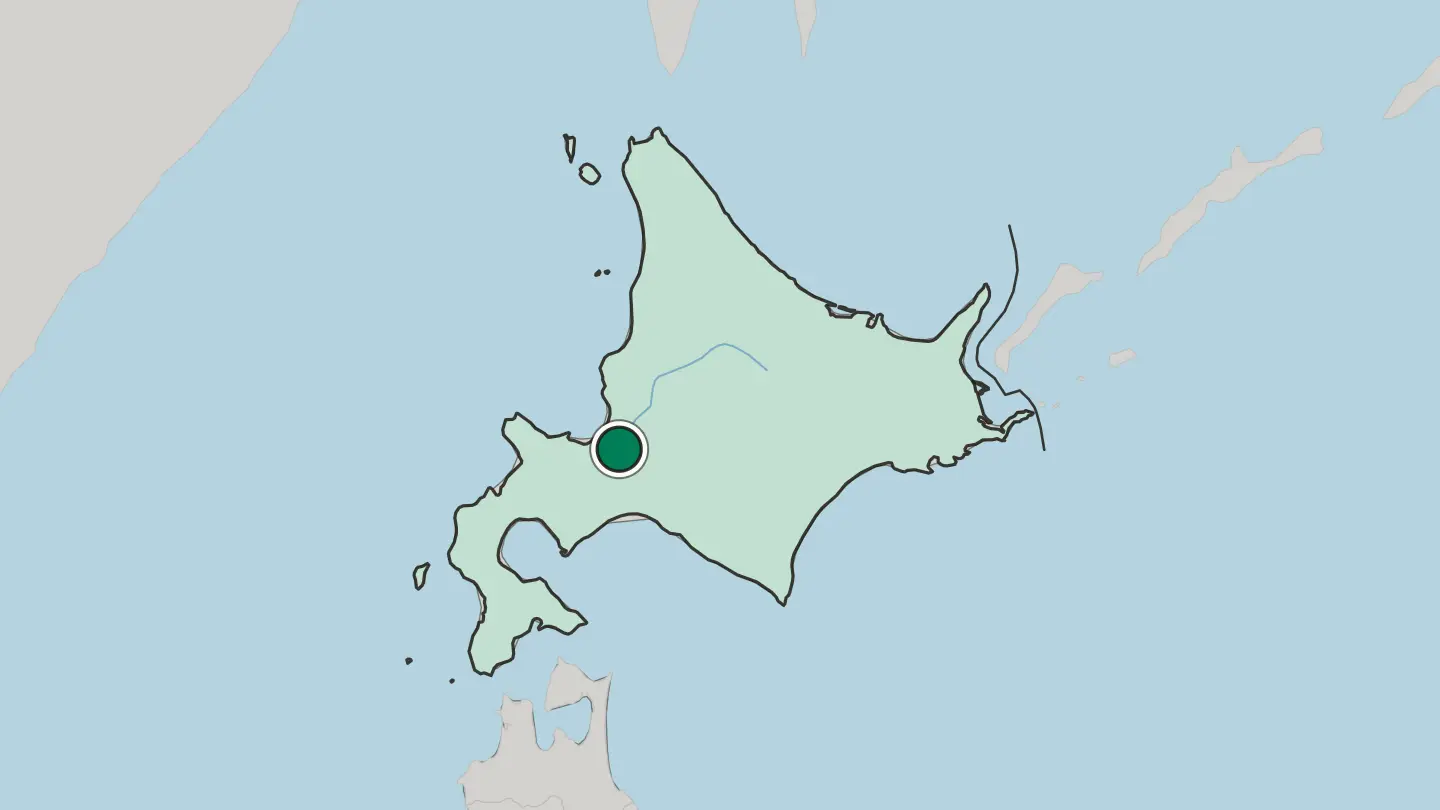 Japan
Japan
Kitami
Kitami is the commercial centre of Okhotsk Subprefecture, a Hokkaido farming city known for its onions and its mint.Where to stay →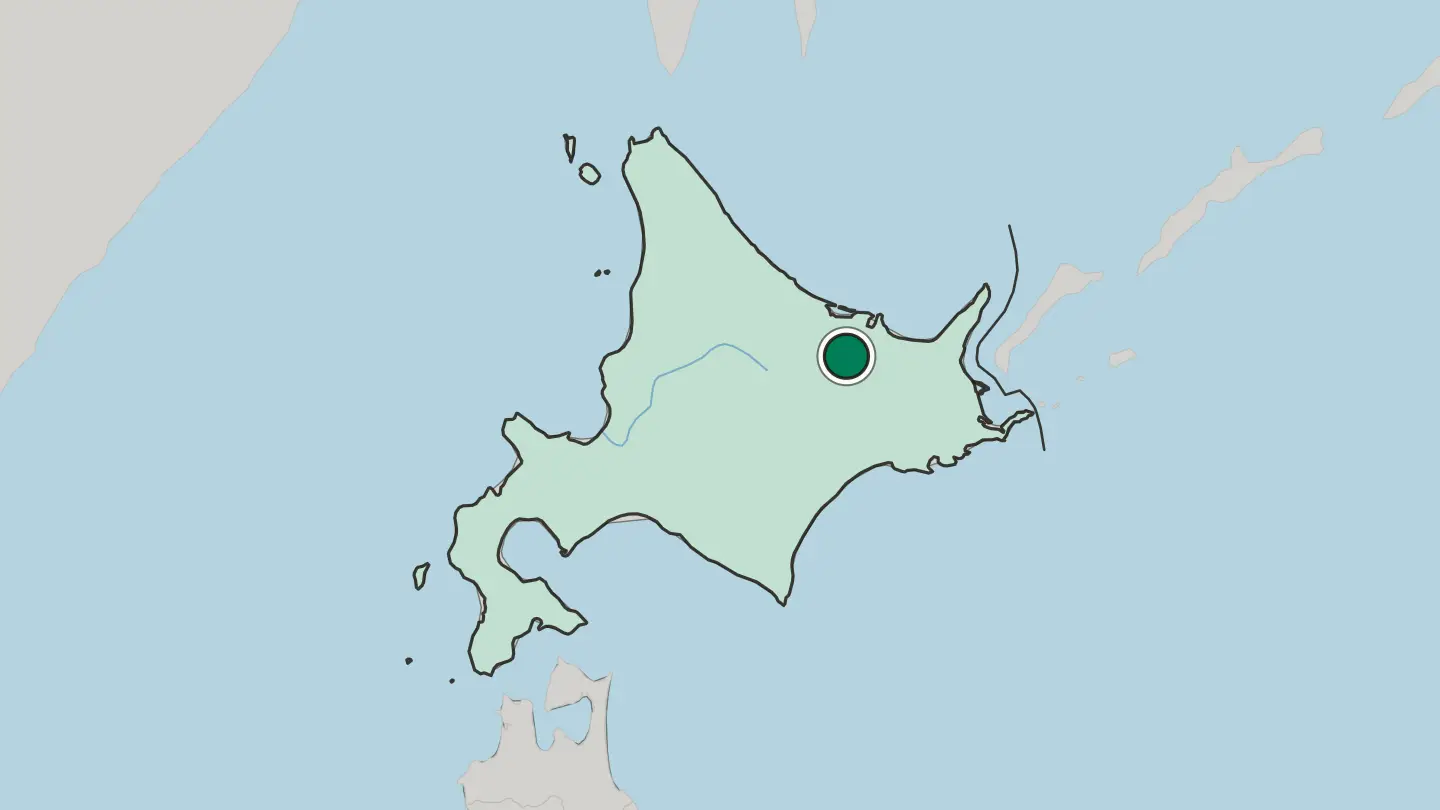
All towns & cities (13)
 Japan
Japan
Otaru
Otaru is a port city on Ishikari Bay in Hokkaido, near Sapporo, known for its historical buildings, its food and a dozen small museums.Where to stay →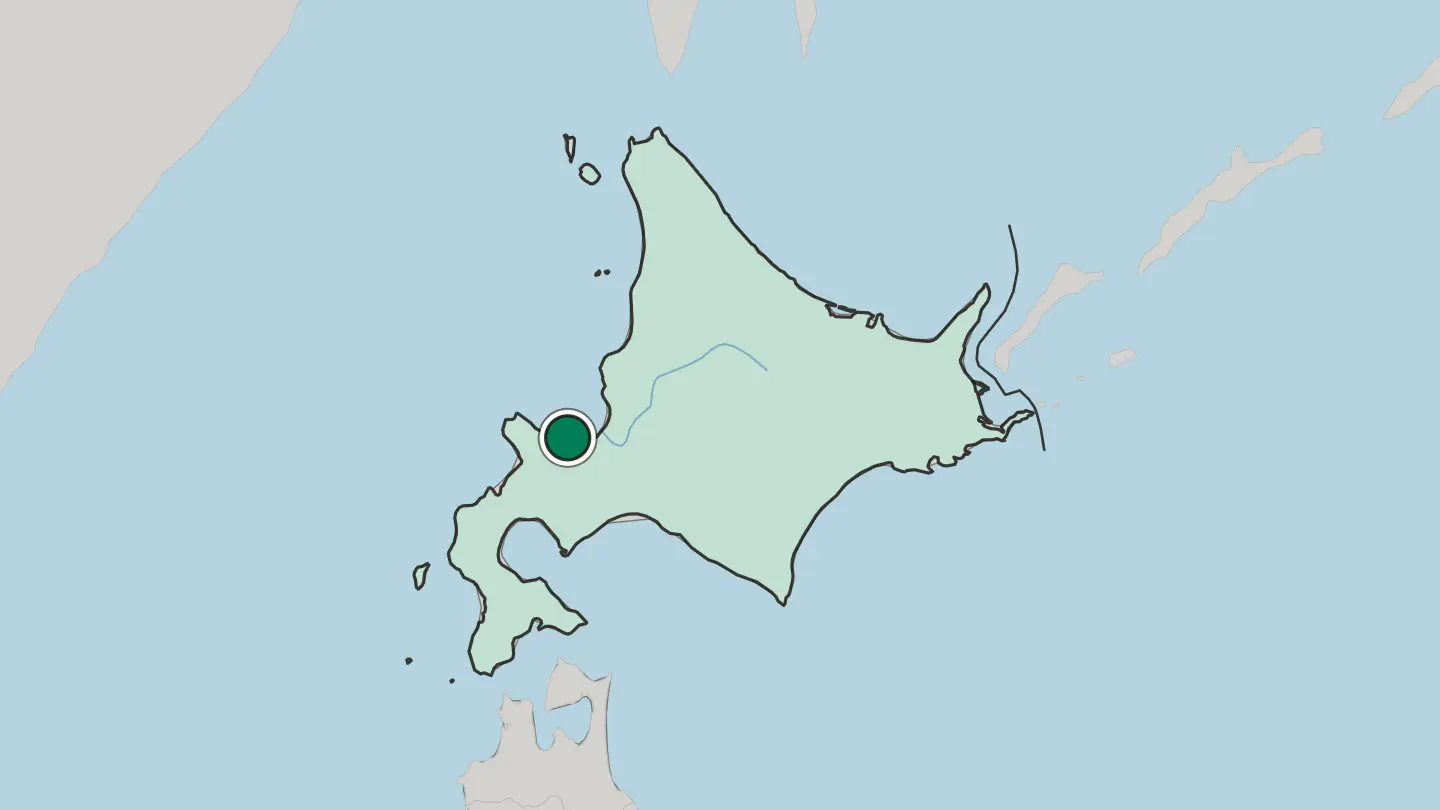 Japan
Japan
Chitose
Chitose sits between New Chitose Airport and Lake Shikotsu, an Ishikari city where most journeys into Hokkaido begin.Where to stay →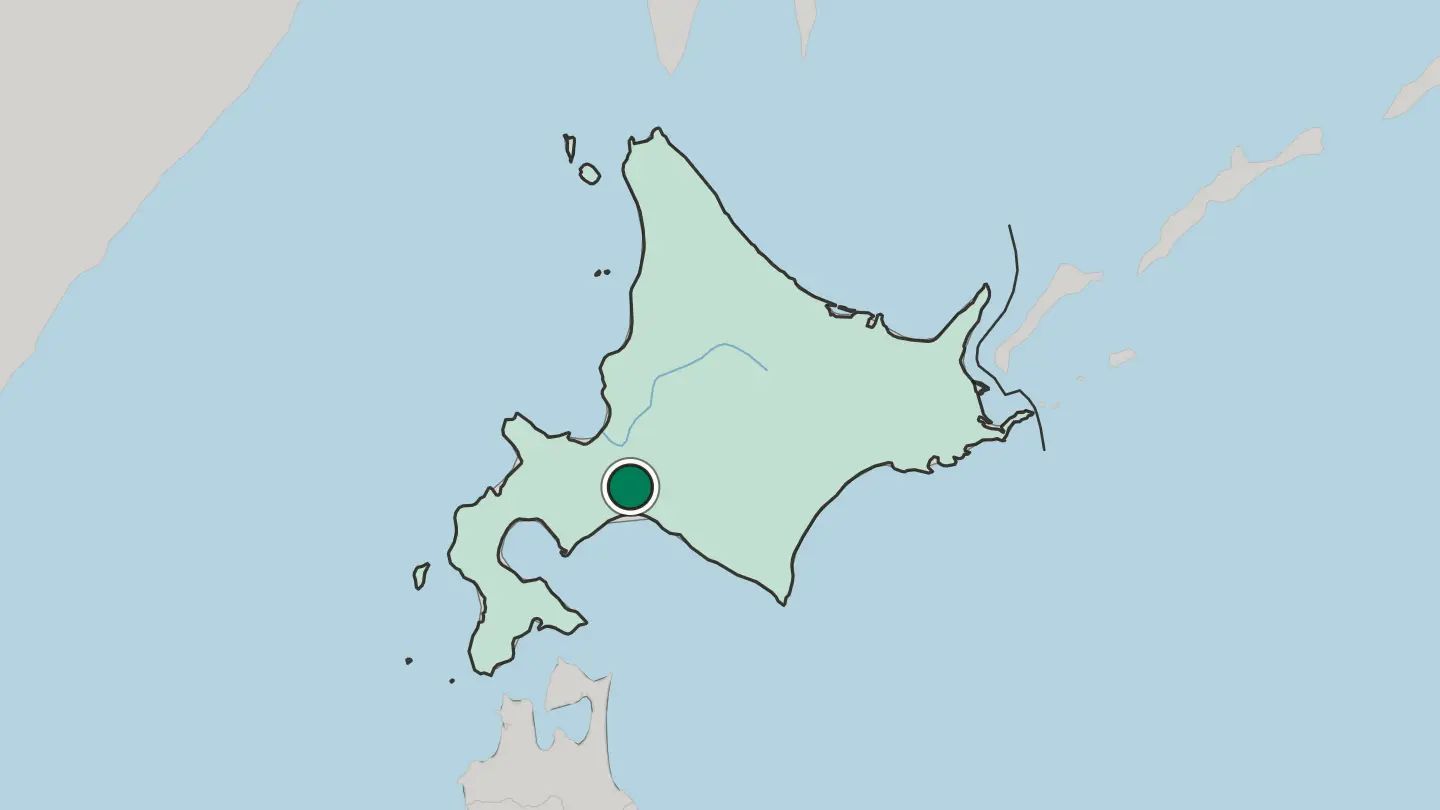
 Japan
Japan
Muroran
Muroran is a port city in Hokkaido, Japan, capital of Iburi Subprefecture, with an aquarium, science museums and the Wanishi Site on its list.Where to stay →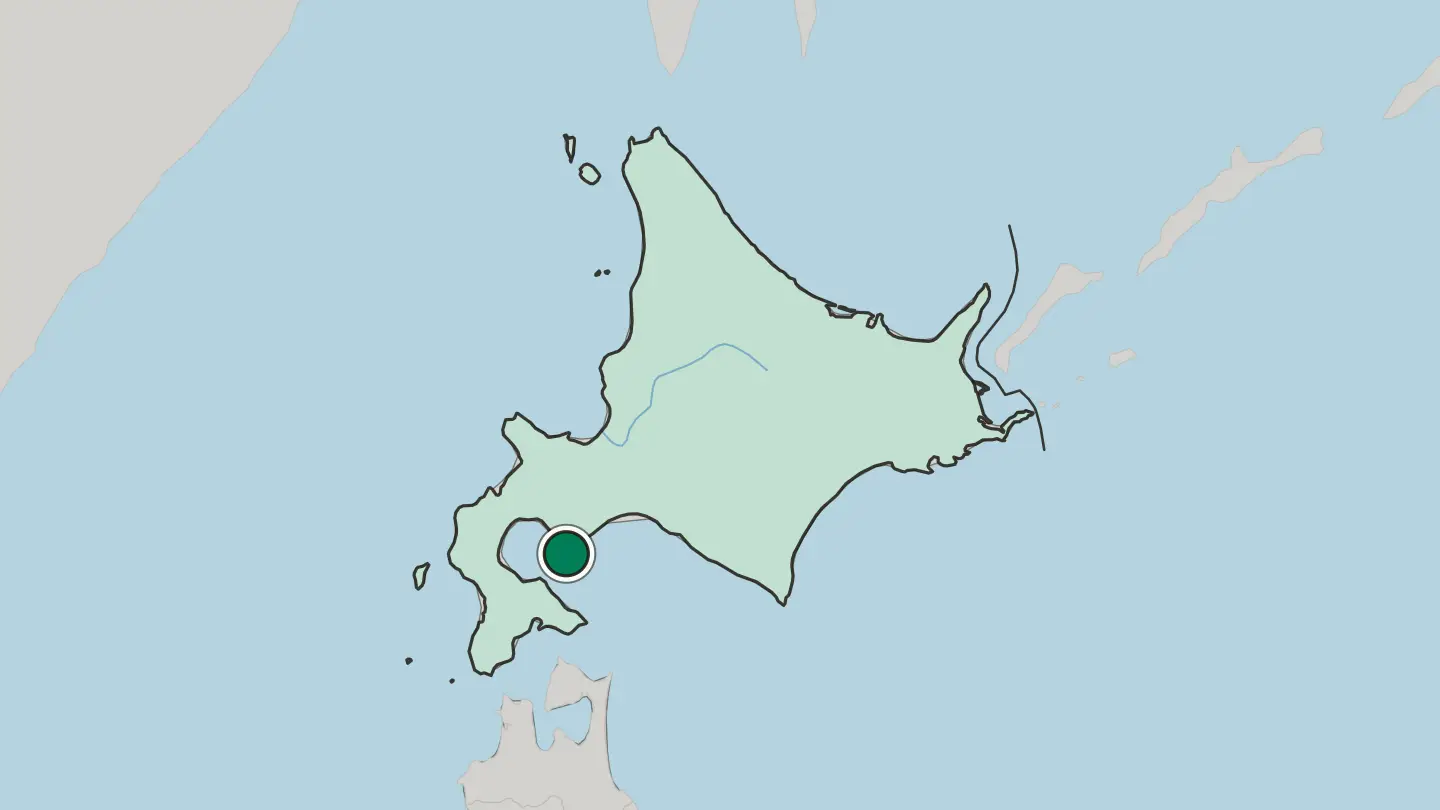 Japan
Japan
Iwamizawa
Iwamizawa is the capital of Sorachi Subprefecture, a city of Hokkaido's Central Circuit with museums for folk life, science and paint.Where to stay →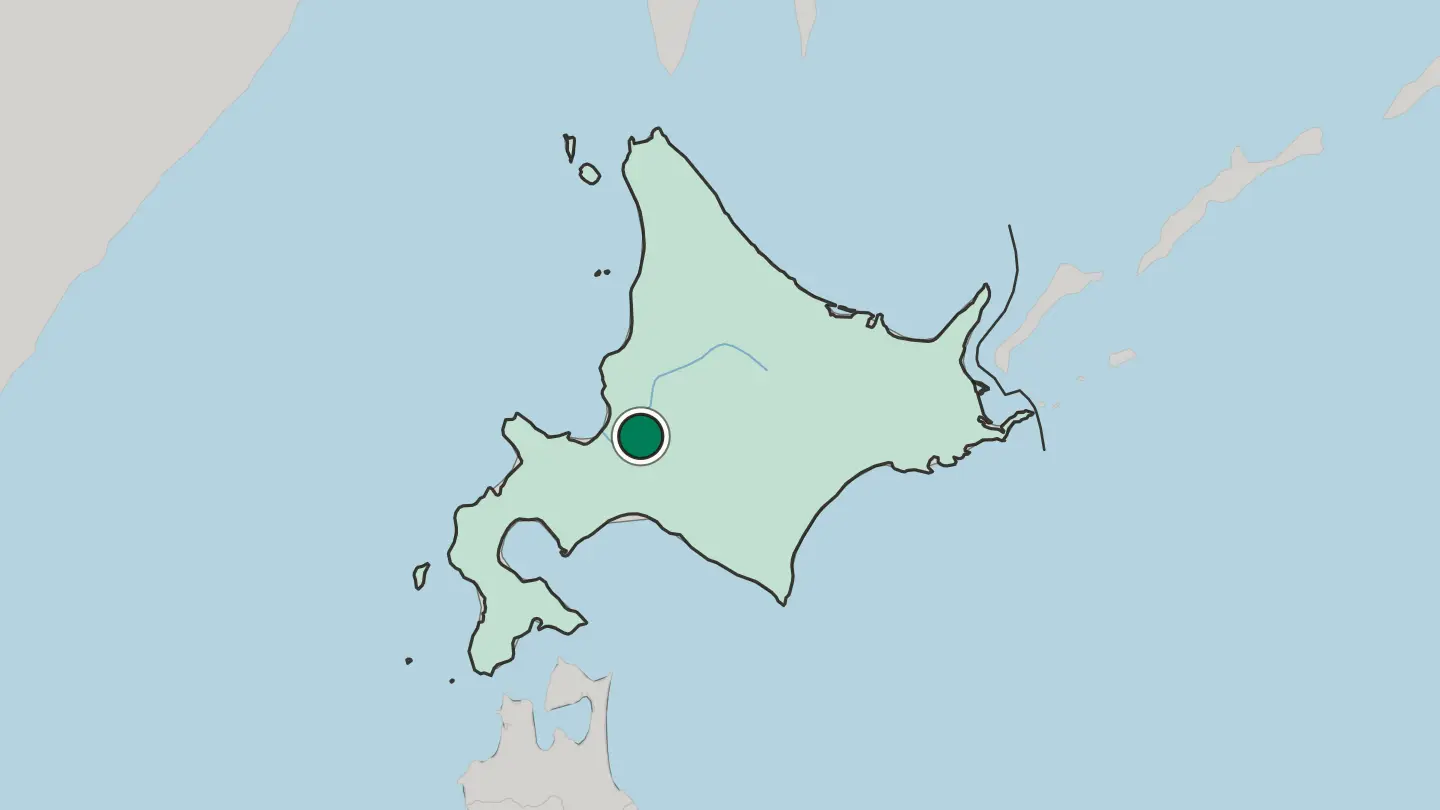
 Japan
Japan
Kitahiroshima
Kitahiroshima adjoins Sapporo to the east, an Ishikari city whose motto, The Ambitious City, comes from William S. Clark.Where to stay →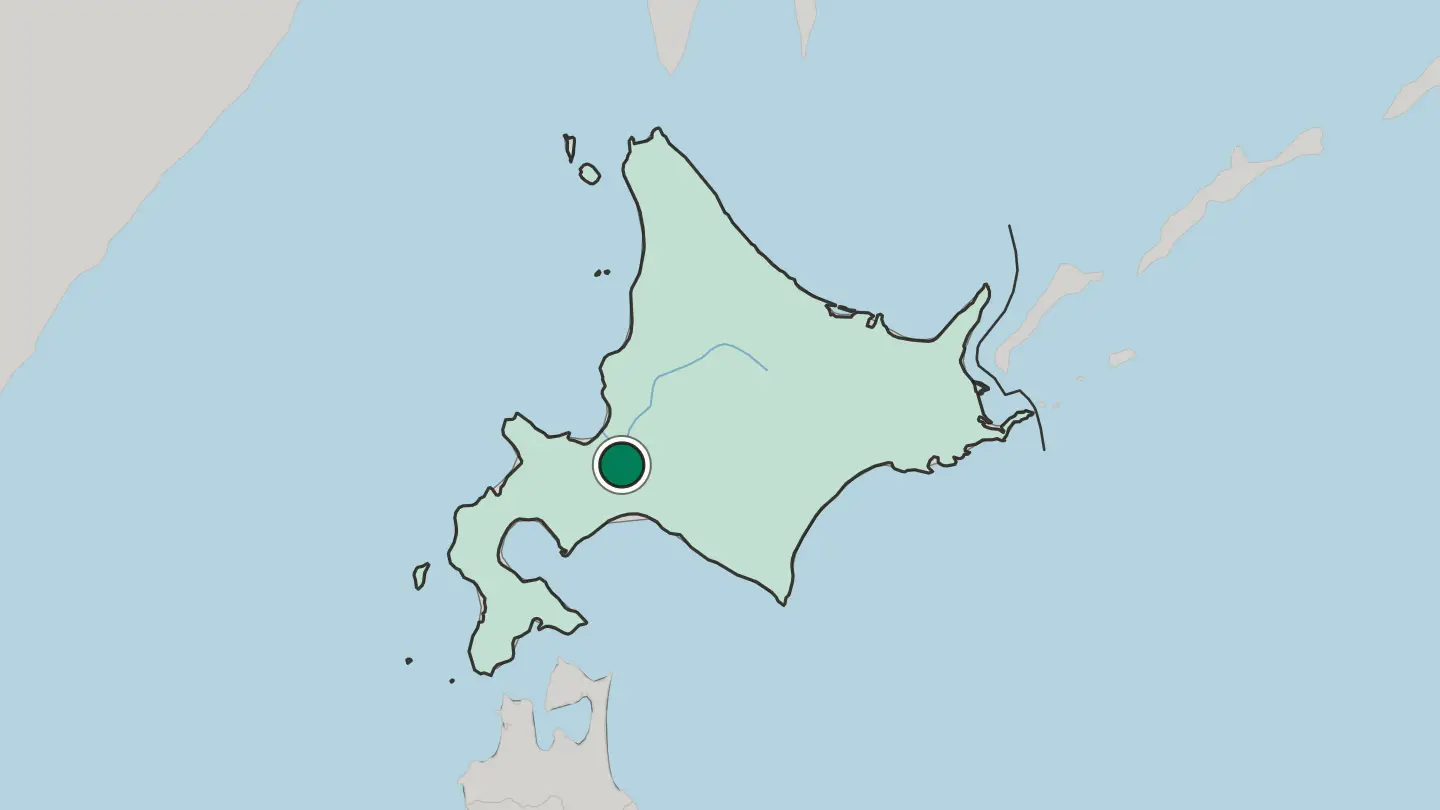
Hotel links are affiliate links: booking through them may earn us a commission, at no extra cost to you. It never affects how places are ranked. How this works
About Hokkaido
What is Hokkaido known for?
Snow made Hokkaido's name. The dry powder that piles onto Niseko and the slopes above Furano draws skiers from across the world, and Sapporo turns winter into spectacle with the ice-and-snow sculptures of its February festival. Beyond the resorts, the island is Japan's larder.
Its cold seas yield crab, scallops, and sea urchin, its pastures the dairy and butter that fill Sapporo ramen, and its wild interior the six national parks that protect the Daisetsuzan volcanoes and the bears of Shiretoko. This is the country's outdoor room.
Where is Hokkaido?
Hokkaido is the northernmost of Japan's four main islands, set apart from Honshu by the Tsugaru Strait. The two are joined beneath the sea by the Seikan Tunnel, a railway bored through the seabed of the strait, so a train can make the crossing without a ferry. Three bodies of water wrap the island.
The Sea of Japan lies to the west, the cold Sea of Okhotsk to the north and east, and the Pacific Ocean along the southern and eastern shores. In winter, drift ice reaches the Okhotsk coast, the island's north-eastern shore. It is a large island, and it feels it.
Down the spine of the island runs a chain of volcanoes. The Daisetsuzan massif rises at the centre, crowned by Asahidake, and its lava plateaus feed the headwaters of the Ishikari River. That river drains the Ishikari Plain, the wide lowland where Sapporo stands.
Elsewhere the land stays thinly settled. Forest, marsh, and pasture fill the distances between towns, and national parks protect it, from the brown-bear coast of the Shiretoko peninsula in the far east to the crane marshes near Kushiro. Space is the island's signature.
What is Hokkaido like?
Two cultures shape Hokkaido. The older is that of the Ainu, the island's indigenous people, who read the forests, rivers, and bears as kamuy, the living spirits of the natural world; their language survives in place names across the map, from Sapporo to Shiretoko. A second layer is young.
Most of the towns were laid out only after Japan pushed settlement north in the Meiji years, so Sapporo grew on an American-style grid of numbered blocks rather than the tangle of an old castle town. That frontier past still colours the island. Beer, butter, and dairy farming took hold where they never did further south, and the whole place carries a spacious, made-from-scratch feeling.
Food is where the island shows off. Sapporo gave the country its miso ramen and the lamb barbecue called jingisukan, while the cold seas keep the sushi counters stocked with crab and sea urchin. Steam rises everywhere in the cold months.
Volcanic heat feeds hot-spring towns like Noboribetsu, where bathers soak outdoors while snow falls. Winter itself becomes a stage. Crowds fill Ōdōri Park for the carved-ice figures of the Sapporo Snow Festival, and the ski towns hum until spring.
Little of this feels like the rest of Japan.
What is the history of Hokkaido?
For most of its history the island was Ainu land, known to outsiders as Ezo. Japanese power reached only the far south, where the Matsumae clan held a trading foothold and taxed the fur and fish trade until Ainu resistance broke out in Shakushain's Revolt of 1669. The turning point was the Meiji era.
In 1869 it annexed the whole island, renamed Ezo as Hokkaido, and set a development board to survey the land, lay out Sapporo, and settle farmers from the crowded south. That drive remade the island in a generation, and it pushed the Ainu to the margins of their own home.
What is the climate of Hokkaido?
Hokkaido is Japan's cold corner, and its winters are long. Siberian winds cross the Sea of Japan, gather moisture, and dump dry powder snow on the western slopes, which is why Niseko and the hills above Otaru pile up deep snow. The Sea of Okhotsk freezes at the edges, and drift ice locks the northern shore.
Summers feel nothing like the sticky heat further south. They stay cool and dry, and the island mostly skips the June rainy season that soaks the rest of Japan. Pack layers.
How do you get to Hokkaido?
Air is how most arrive on Hokkaido. New Chitose Airport, south of Sapporo, is the island's main door and handles quick hops from Tokyo alongside international routes. The alternative runs underground.
A bullet train threads the Seikan Tunnel beneath the Tsugaru Strait, carrying passengers from Honshu to Hakodate without leaving the rails, and car ferries still cross the same water. Distances are big once ashore, so most travellers spread out by domestic flight, by rail, or by rental car.
Common questions
What is the best area to stay in Hokkaido?
Sapporo: a first base in Hokkaido, with city food and fast airport access. Hakodate: the historic south and the ropeway night view over Hakodate. Niseko: deep-powder skiing beneath Mount Yōtei. Furano: lavender-field summers in the central Furano basin. Otaru: the canal warehouses and coast near Sapporo. Asahikawa: an inland base for the Daisetsuzan high country.
Good for
More regions in Japan
Updated October 2026