Japan · Hokkaido
Where to Stay in Otaru, Hokkaido
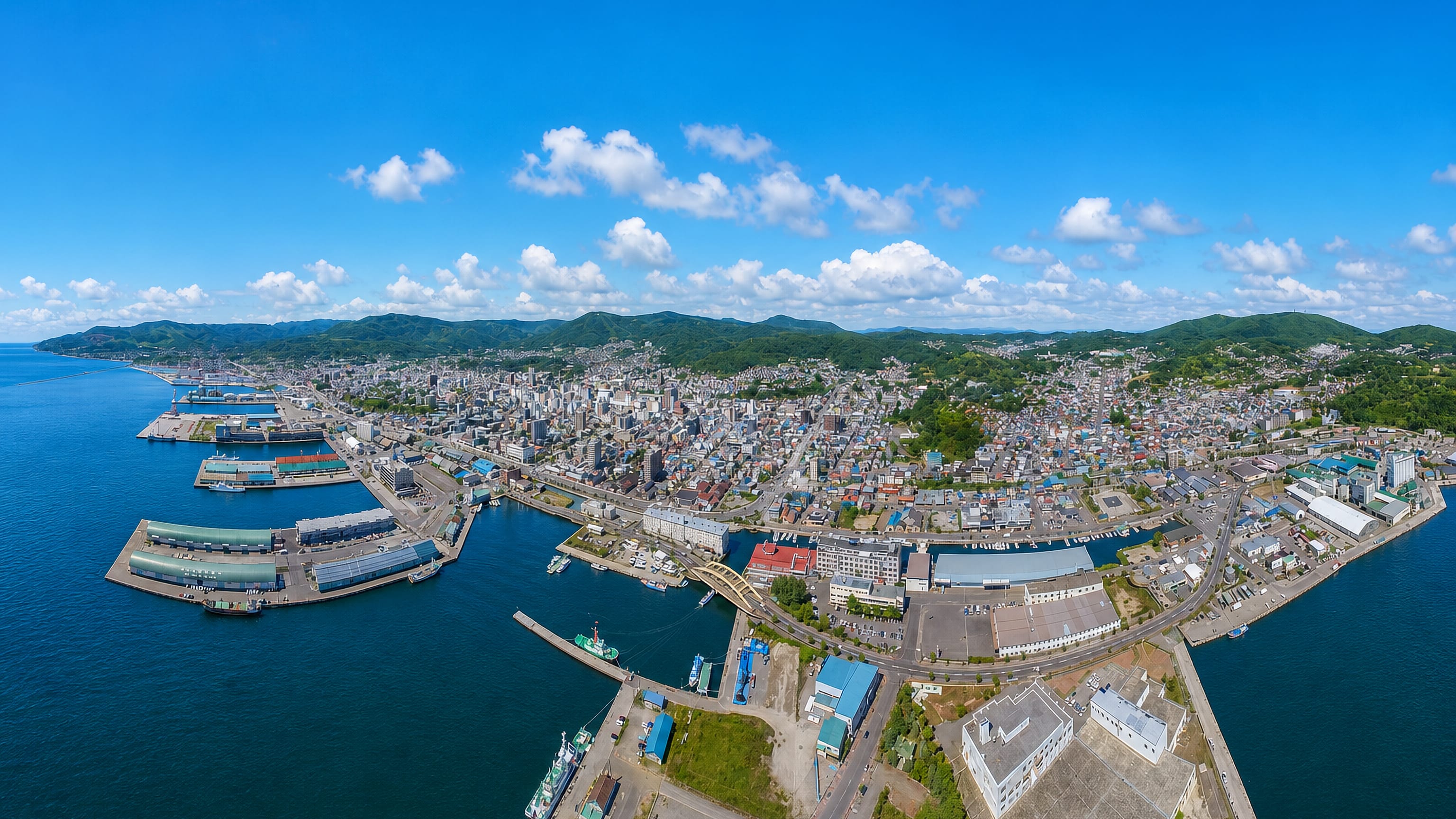
Otaru is a port city on Ishikari Bay in Hokkaido, near Sapporo, known for its historical buildings, its food and a dozen small museums.
Hotel links are affiliate links: booking through them may earn us a commission, at no extra cost to you. It never affects how places are ranked. How this works


Where to stay in Otaru
The practical side of choosing where to sleep.
Otaru's beds split between the waterfront and the museum streets. A room by the harbour on Ishikari Bay keeps the Otaru Port Museum, the historical buildings along the shore, and the boats within a short walk, and it suits you if the water is the reason for the trip. Inland by a block or two, the Otaru Music Box Museum, the Kitaichi Venetian Art Museum, and the Stained Glass Museum stand close enough together that a family can spend a wet afternoon without moving the car.
That side is busier. The Bank of Japan Otaru Museum and the Otaru City Museum of Art anchor the quieter end. Museums outnumber everything else here.
Sapporo is close. Because the drive from Sapporo takes about twenty-five minutes, many travellers treat Otaru as a day out, which leaves the evening streets to the people who stayed. Staying over changes the town.
Kutchan holds the subprefectural capital of Shiribeshi, but Otaru has the larger stock of beds, the museums, and the harbour, so it works better as a base for this coast. Evenings here are quiet by comparison.
Find hotels in Otaru
Direct booking searches for these neighbourhoods.
The Ishikari Bay waterfront
On the working shore of Ishikari BayFind hotels in The Ishikari Bay waterfrontWet afternoons between the Otaru Music Box Museum and the Stained Glass MuseumThe museum streets
A block in from the harbour, among the historical buildingsFind hotels in The museum streetsTrips that pair Otaru with Sapporo in one dayThe Sapporo side
Handy for the twenty-five-minute drive to SapporoFind hotels in The Sapporo sideHotel links are affiliate links: booking through them may earn us a commission, at no extra cost to you. It never affects how places are ranked. How this works
Things to do in Otaru
Ranked by global recognition; descriptions from Wikidata (CC0).
Museums & Galleries
3- Otaru Museum
- Otaru Art Base
- Otaru City Museum of Art
Landmarks & Notable Places
1- Bank of Japan Otaru Museum
worth knowingacross 2 categories in Otaru
About Otaru
Otaru trades on its old buildings.
What is Otaru known for?
The port on Ishikari Bay long served as the main harbour of the bay, and the historical buildings left from that trade now carry the shops, the food, and the museums that bring visitors out from Sapporo. The Otaru Music Box Museum and the Kitaichi Venetian Art Museum sit among a dozen small collections. Food is part of the pull.
Shiribeshi Subprefecture puts its capital at Kutchan, yet Otaru is the largest city in it.
What are the main landmarks in Otaru?
Otaru counts museums by the dozen. The Otaru Museum, the Otaru Port Museum, and the Bank of Japan Otaru Museum handle the city's own story, while the Otaru City Museum of Art, the Nitori Museum of Art, and the Otaru Art Base carry the pictures. Others are narrower: the Otaru Music Box Museum, the Kitaichi Venetian Art Museum, the Stained Glass Museum, the House of Western Art, and the Otaru Ukiyo-e Museum each take a single subject.
The Otaru Literary Museum keeps the writing. Historical buildings hold most of them.
What is the history of Otaru?
Trade explains the buildings. As the main port of Ishikari Bay, the town handled the trade of the coast, and the money that passed through built the substantial buildings that still line its streets. The Bank of Japan Otaru Museum carries that period in its name.
The Sea of Japan is the water beyond the bay, and Otaru's position on it made the port the main one of the coast for a long stretch of the island's history. Shiribeshi Subprefecture grew around it, though the capital went to the more centrally located Kutchan. Otaru itself was constituted in 1899.
Sapporo changed the calculation. With the bigger city about twenty-five minutes away by road, Otaru took on commuter traffic, and the port town became a place people live in as much as one they work in. The historical buildings turned into the attraction.
Museums fill many of them, from the Otaru Museum and the Otaru Literary Museum to the Otaru Music Box Museum, the Kitaichi Venetian Art Museum, and the Nitori Museum of Art. Food and shops did the rest, and a working port on the Sea of Japan in Hokkaido, Japan finished as a destination people ride out from Sapporo to see.
Where is Otaru?
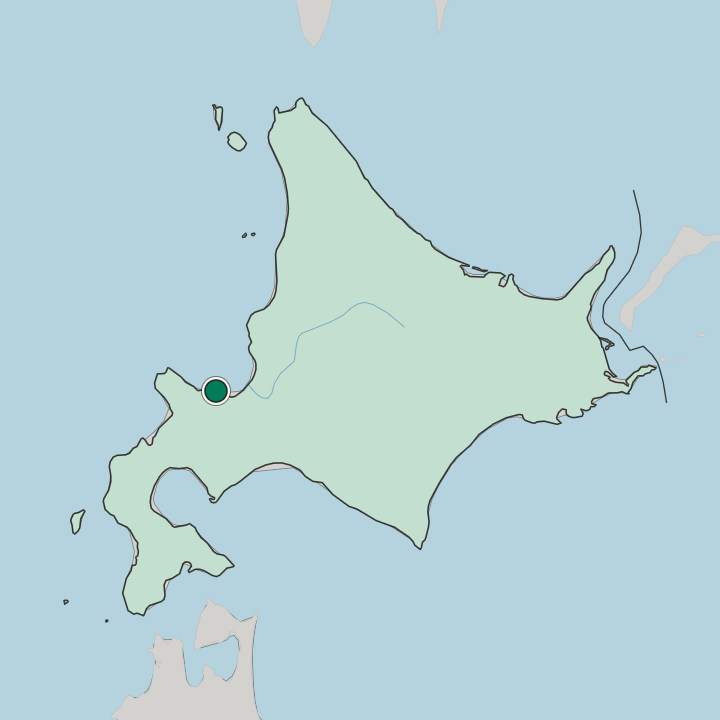
Otaru faces Ishikari Bay, with the Sea of Japan beyond it, and the built-up ground follows the shore of Hokkaido. The bay is the city's whole orientation. Sapporo lies close by, a drive of about twenty-five minutes, and the rest of Shiribeshi Subprefecture, Kutchan included, spreads inland from the coast into the interior of the island.
Water shapes the map here.
What is the climate of Otaru?
The Sea of Japan governs the winter here. Moisture coming off that water reaches the Hokkaido coast in the cold months, and Otaru, open to Ishikari Bay, takes what the bay delivers first. Snow is part of the year.
The museums earn their keep in that season.
How do you get to Otaru?
Most visitors come from Sapporo. The drive takes about twenty-five minutes, which is why Otaru fills with day trippers and empties again in the evening, and why the road, rather than the harbour, now brings in most arrivals. The port still works.
From the other side, the towns of Shiribeshi Subprefecture and its capital Kutchan feed traffic down to the coast at Otaru.
Common questions
What is the best area to stay in Otaru?
The Ishikari Bay waterfront: Harbour evenings beside the Otaru Port Museum. The museum streets: Wet afternoons between the Otaru Music Box Museum and the Stained Glass Museum. The Sapporo side: Trips that pair Otaru with Sapporo in one day.
Good for
More cities in Hokkaido
Updated October 2026