Japan · Hokkaido
Where to Stay in Muroran, Hokkaido
Muroran is a port city in Hokkaido, Japan, capital of Iburi Subprefecture, with an aquarium, science museums and the Wanishi Site on its list.
Hotel links are affiliate links: booking through them may earn us a commission, at no extra cost to you. It never affects how places are ranked. How this works


Where to stay in Muroran
Where the beds are, and what that means for the visit.
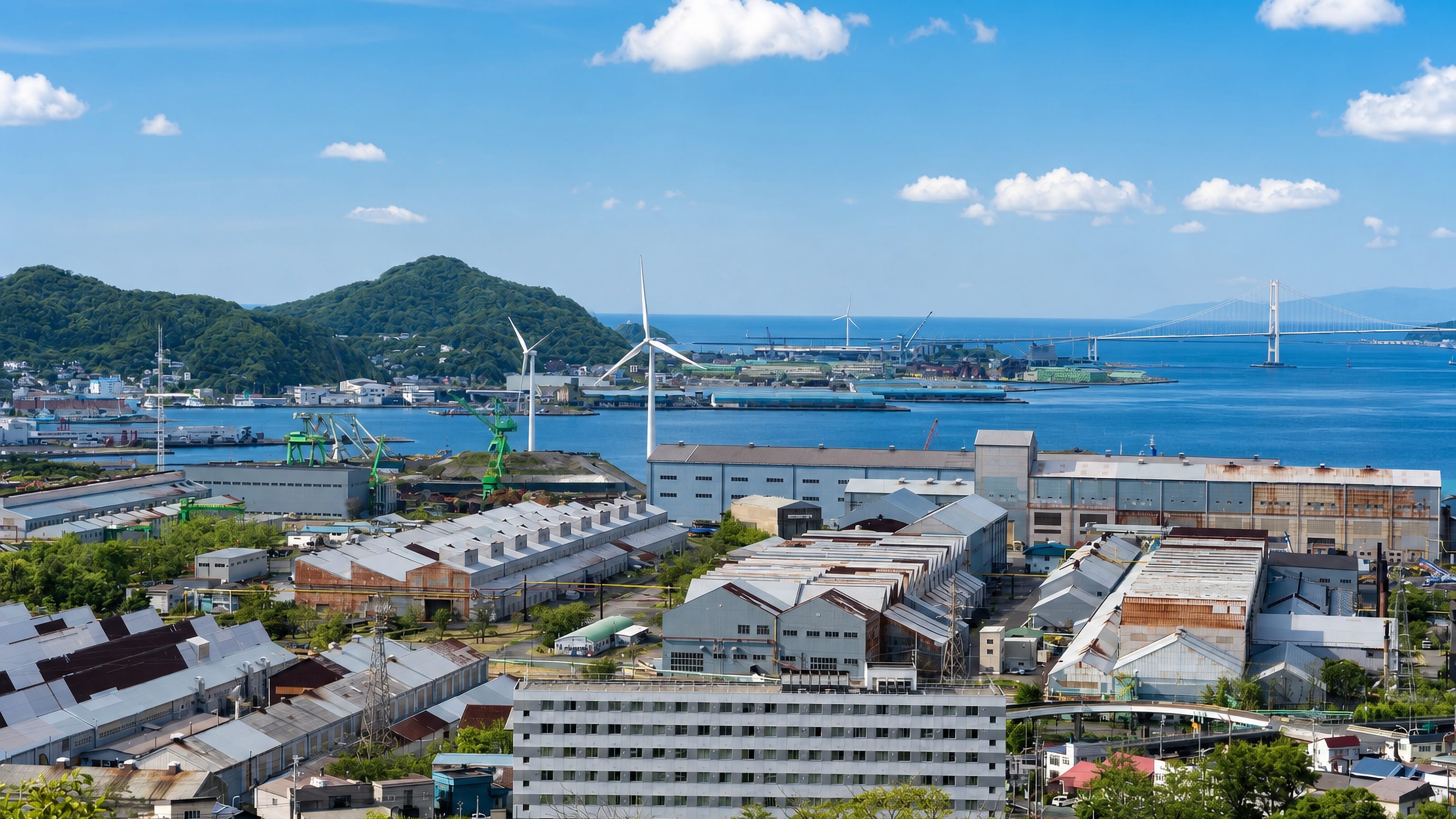
Rooms in Muroran divide between the port and the streets near the Muroran Aquarium. Staying by the harbour puts the working water and the walk to DENZAI Environmental Science Museum and Muroran City Library within a short outing, and it suits you if the city itself, rather than the road onward, is the point of the trip. The aquarium end is quieter.
Families tend to settle near the Muroran Aquarium and Muroran Youth Science Museum, which puts two afternoons of indoor programme inside a single walk. Nothing here is far from the water. By area, Muroran is a small city.
The whole municipality fits into a compact area, so the difference between one part of town and another is a matter of minutes, and the choice matters less here than in most cities of Hokkaido. The Wanishi Site sits on the same short landmark list, and a stay anywhere in the city keeps it, the aquarium, and the science museums within easy reach. Iburi Subprefecture begins at the city limits.
Travellers running Hokkaido's Central Circuit often use Muroran for one night before moving on. The subprefectural offices, the port and the museums sit close enough together that most visitors never need to move the car once they have parked it.
Find hotels in Muroran
Direct booking searches for these neighbourhoods.
The harbour front
A short walk from DENZAI Environmental Science Museum and Muroran City LibraryFind hotels in The harbour frontAfternoons split between the Muroran Aquarium and Muroran Youth Science MuseumThe aquarium end
Quieter streets on the Muroran Aquarium side of townFind hotels in The aquarium endHotel links are affiliate links: booking through them may earn us a commission, at no extra cost to you. It never affects how places are ranked. How this works
About Muroran
Muroran works as a port.
What is Muroran known for?
The city carries the administrative role for Iburi Subprefecture, and its harbour, its aquarium, and its science museums account for most of what travellers on Hokkaido's Central Circuit stop to see. The Muroran Aquarium pulls families in, while the DENZAI Environmental Science Museum shares a building with the library under the name DENZAI Environmental Science Museum and Muroran City Library. Science has a second address at Muroran Youth Science Museum.
The Wanishi Site completes the short list.
What are the main landmarks in Muroran?
Muroran keeps a short, mostly indoor list. The Muroran Aquarium takes the visitors with children, while Muroran Youth Science Museum handles the science side and the DENZAI Environmental Science Museum sits with the library in the building known as DENZAI Environmental Science Museum and Muroran City Library. The Wanishi Site is the outlier, a named heritage place rather than a museum.
Together they fill a day in Muroran, and travellers on Hokkaido's Central Circuit rarely need more than that before the road takes them on through Iburi Subprefecture.
What is the history of Muroran?
Muroran was constituted as a municipality in 1900. Records of the city describe it as a port before anything else, and the settlement around that harbour took on the administrative work of Iburi Subprefecture, a role it still holds. Older ground is marked at the Wanishi Site.
Beyond that name on the landmark list, the record of the city's past is kept indoors, in the museums Muroran maintains as the seat of Iburi Subprefecture. The municipality is small, and its compact territory keeps the port, the offices, and the housing close to one another. The institutions are the visible part.
Muroran Youth Science Museum stands for the science side of that work, the DENZAI Environmental Science Museum carries the same theme under the joint name DENZAI Environmental Science Museum and Muroran City Library, and the Muroran Aquarium keeps the family audience. Hokkaido changed around it. Travel writing places Muroran on Hokkaido's Central Circuit, and the compact administrative city that grew around the harbour reads as a stop on that route rather than a destination at its end.
Wanishi keeps its own name on the map. That mix of harbour, offices, and museums is what a visitor meets in Japan's far island, a compact record of how a Hokkaido port town organised itself after 1900.
Where is Muroran?
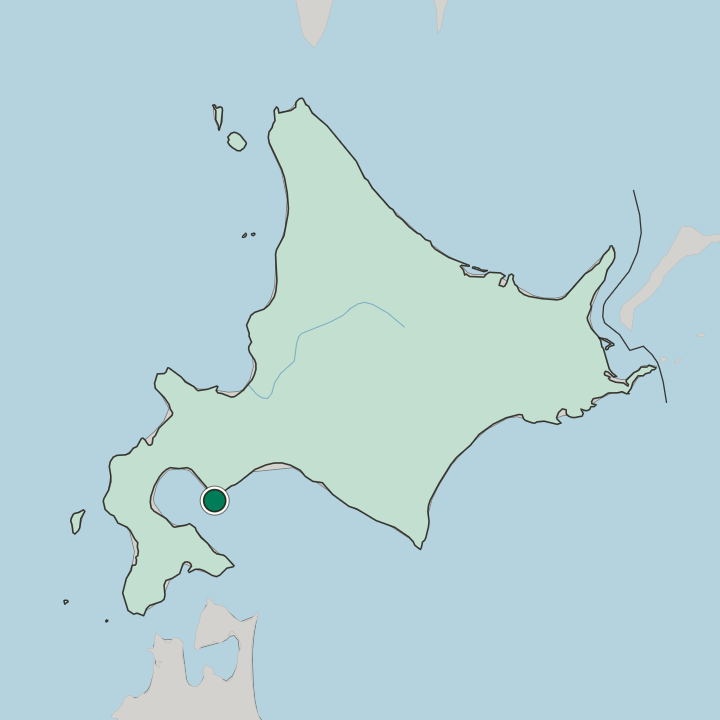
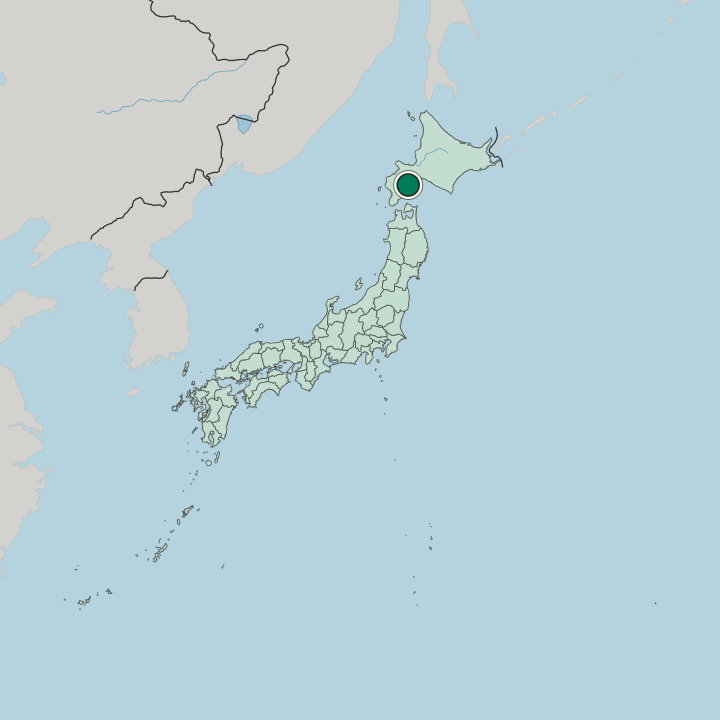
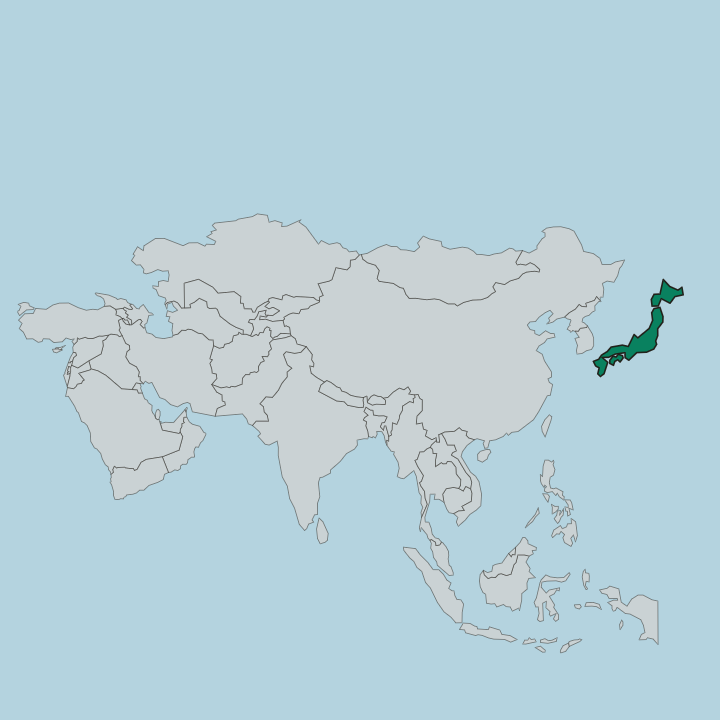
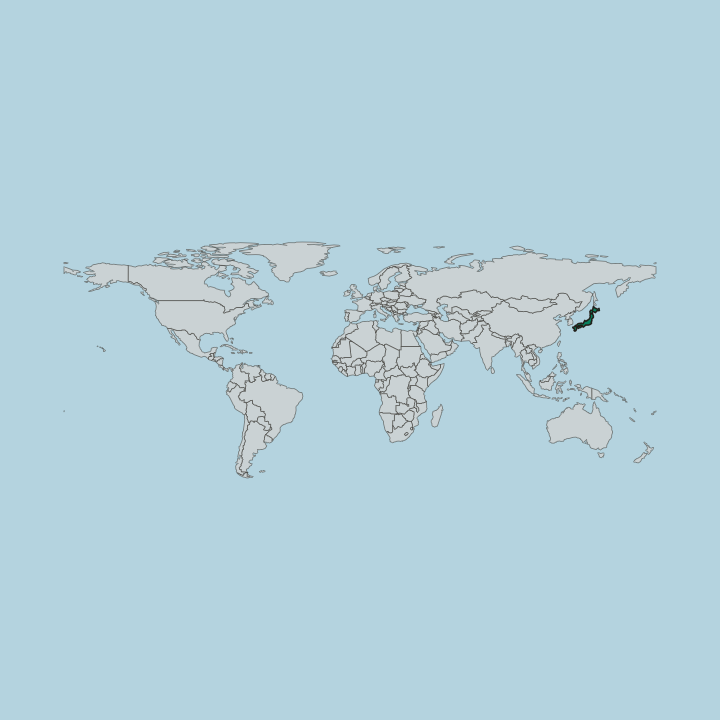
Muroran occupies a small patch of Hokkaido. The city and its port sit within Iburi Subprefecture, and the entire municipality covers a compact area, which puts the water, the built-up ground, and the city limits unusually close together. Water frames the working part of town.
Travel writers file it under Hokkaido's Central Circuit, the band of the island that gathers these towns.
What is the climate of Muroran?
The harbour moderates what the season brings. Muroran lies in the temperate band of the northern hemisphere, and the water at the city's edge tempers both ends of the year, so neither the warm months nor the cold ones run to extremes. The rest of Iburi Subprefecture shares the coast and much of the pattern.
Indoor days come with the territory.
How do you get to Muroran?
The port is the obvious way in. Most travellers reach the city by road, running Hokkaido's Central Circuit through Iburi Subprefecture and stopping here between longer stretches of the island. The compact municipality makes the rest easy: once inside the city limits, the Muroran Aquarium, the DENZAI Environmental Science Museum, and the Wanishi Site are all short hops apart.
Distances inside town are trivial.
Common questions
What is the best area to stay in Muroran?
The harbour front: Nights spent at the working port of Iburi Subprefecture. The aquarium end: Afternoons split between the Muroran Aquarium and Muroran Youth Science Museum.
Good for
More cities in Hokkaido
Updated September 2026