Japan · Hokkaido
Where to Stay in Kitahiroshima, Hokkaido
Kitahiroshima adjoins Sapporo to the east, an Ishikari city whose motto, The Ambitious City, comes from William S. Clark.
Hotel links are affiliate links: booking through them may earn us a commission, at no extra cost to you. It never affects how places are ranked. How this works


Where to stay in Kitahiroshima
How the choice of base plays out on the ground.
Sapporo is the competition. A city that adjoins the prefectural capital to the east will always lose most of its beds to the bigger neighbour, and Kitahiroshima works best for visitors who have a specific reason to be out this way. A Fighters fixture is one.
Staying near the ground rather than in Sapporo turns a match into a short evening instead of a long one, which is the main argument for a room here. Museums are the other reason. The Hokkaido Museum and the Historical Village of Hokkaido together fill a full day, and a bed on that side of Kitahiroshima removes the morning commute out from the capital.
Families have a third case. Sunpiazza Aquarium and the Sapporo Science Center belong to the neighbouring city, close enough to plan around from here but not the reason to choose Kitahiroshima over it. The Former Shimamatsu Ekitei-sho marks the old road.
Anyone who wants the Ambitious City on its own terms should give it two nights, long enough for the Hokkaido Museum, Shirahatayama Open Stadium and the older road markers to add up to something.
Find hotels in Kitahiroshima
Direct booking searches for these neighbourhoods.
The Hokkaido Museum side
Museum ground on the Sapporo edge of Kitahiroshima, within reach of the Hokkaido Archaeological Operations CenterFind hotels in The Hokkaido Museum sideMatch evenings around Shirahatayama Open StadiumAround Shirahatayama Open Stadium
Sporting ground in the Ambitious City, chosen when the Hokkaido Nippon-Ham Fighters are the reason for the trip. Rooms are few around here — worth securing early.Find hotels in Around Shirahatayama Open StadiumQuiet stops at the Former Shimamatsu Ekitei-shoThe Shimamatsu end
The Former Shimamatsu Ekitei-sho end of Kitahiroshima, quieter than anything nearer Sapporo. Rooms are few around here — worth securing early.Find hotels in The Shimamatsu endHotel links are affiliate links: booking through them may earn us a commission, at no extra cost to you. It never affects how places are ranked. How this works
About Kitahiroshima
Baseball put the name about.
What is Kitahiroshima known for?
Kitahiroshima is known as the home ground of the Hokkaido Nippon-Ham Fighters, which gives a suburb of Sapporo a profile that its size alone would never have earned. History sits on the same ground. The Hokkaido Museum and the Historical Village of Hokkaido carry the island's record between them, and the Former Shimamatsu Ekitei-sho keeps an older piece of it.
What are the main landmarks in Kitahiroshima?
The Hokkaido Museum leads. The Historical Village of Hokkaido stands alongside it, and the Hokkaido Archaeological Operations Center handles the material that comes out of the ground across the island. Shirahatayama Open Stadium covers the sport.
The Former Shimamatsu Ekitei-sho is the oldest structure on the list, while Sunpiazza Aquarium, the Sapporo Science Center and the Sapporo International University Museum belong to the neighbouring city.
What is the history of Kitahiroshima?
Hiroshima Village came first, in 1902. The village name explains the modern one: Kitahiroshima reads as North Hiroshima City, a label that ties a Hokkaido suburb to a settlement history rather than to the prefectural capital beside it. A phrase gave the city its motto.
William S. Clark said Boys, be ambitious when he took leave of his students in Hokkaido, and Kitahiroshima took The Ambitious City from that episode. The Former Shimamatsu Ekitei-sho survives from the road that served that period. Collections came much later.
The Hokkaido Museum, the Historical Village of Hokkaido and the Hokkaido Archaeological Operations Center gather the island's record on ground that carried a village name barely a century ago, and the Karinba Site shows how far back that record runs. Baseball is the newest layer. The Hokkaido Nippon-Ham Fighters made Kitahiroshima a name outside Ishikari, and Shirahatayama Open Stadium gives the sport a second address in the city.
Sapporo adjoins it directly, which has shaped every phase of this history. The Ambitious City motto still names the place better than its administrative status does, and the Hokkaido Museum is the institution that carries the longest version of the story.
Where is Kitahiroshima?
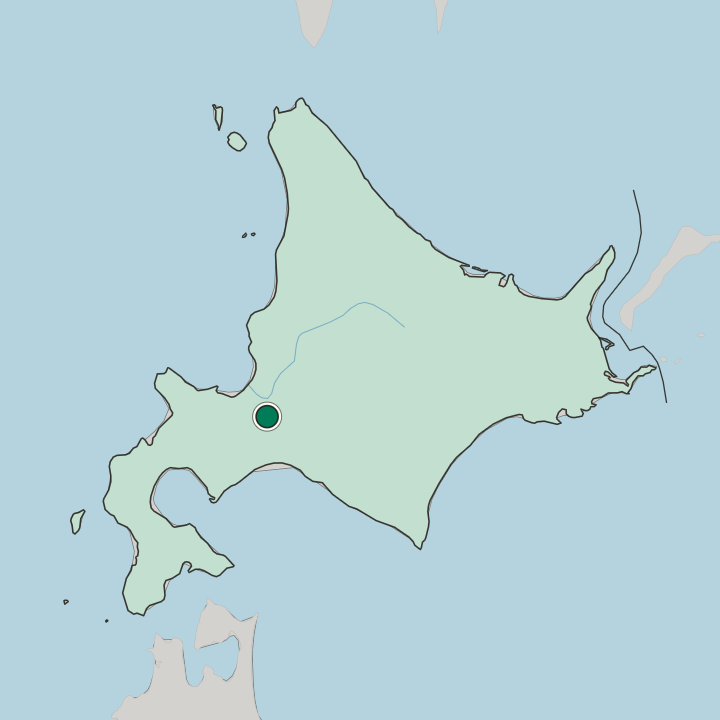
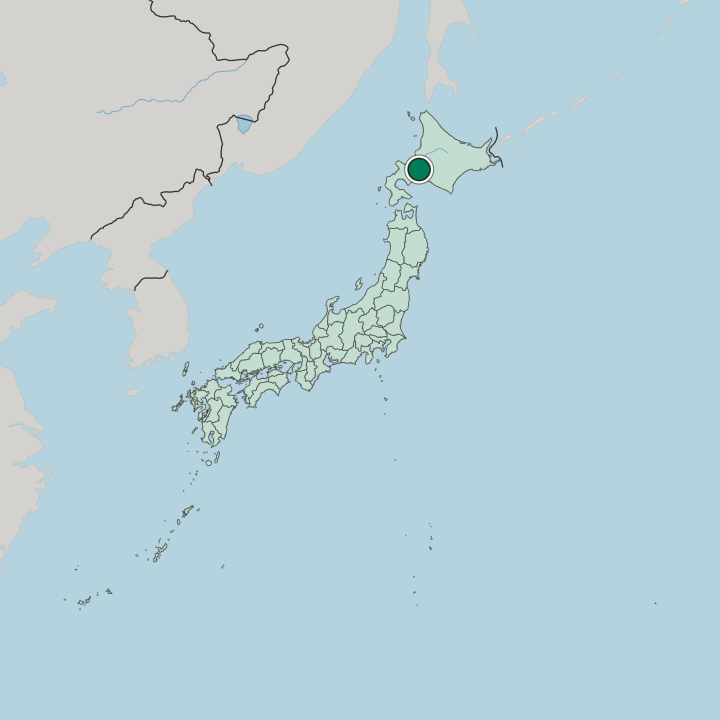
Kitahiroshima adjoins Sapporo, in Ishikari. The city occupies the eastern side of that boundary in the central part of Hokkaido, and its compact area means the museum ground, the stadium and the older road sites all fall within a short drive. Sapporo shapes the rest.
Neighbouring institutions bleed across the line, which is why the Sapporo Science Center, Sunpiazza Aquarium and the Ebetsu City Ceramic Art Center all sit within reach of a Kitahiroshima base.
What is the climate of Kitahiroshima?
Central Hokkaido keeps its seasons distinct. Baseball and Shirahatayama Open Stadium fill the warm half, while the Hokkaido Museum, the Historical Village of Hokkaido and Sunpiazza Aquarium hold the cold one, which is a workable split for a city this close to Sapporo. Timing matters more than weather here.
A Fighters fixture decides the date for most visitors, and everything else adapts around it.
How do you get to Kitahiroshima?
Sapporo does the connecting. Reaching Kitahiroshima means reaching the prefectural capital first, since a city that adjoins Sapporo directly draws its links from the larger place rather than supplying its own. The museums cluster together.
The Hokkaido Museum and the Historical Village of Hokkaido make one stop, Shirahatayama Open Stadium another, and the Former Shimamatsu Ekitei-sho a third that repays having a car.
Common questions
What is the best area to stay in Kitahiroshima?
The Hokkaido Museum side: Full days at the Hokkaido Museum and the Historical Village of Hokkaido. Around Shirahatayama Open Stadium: Match evenings around Shirahatayama Open Stadium. The Shimamatsu end: Quiet stops at the Former Shimamatsu Ekitei-sho.
Good for
More cities in Hokkaido
Updated September 2026