Japan · Hokkaido
Where to Stay in Tomakomai, Hokkaido
Tomakomai is the port city of Iburi Subprefecture in Hokkaido, the largest in the district, with the Lake Utonai wetland inside its boundary.
Hotel links are affiliate links: booking through them may earn us a commission, at no extra cost to you. It never affects how places are ranked. How this works


Where to stay in Tomakomai
Where the beds are, and what that means for the visit.
Tomakomai puts most of its rooms near the port. A stay on that side sits close to the working harbour of Iburi Subprefecture and within reach of the Tomakomai City Museum and the Tomakomai Science Museum, which suits you if the trip is about the city rather than the wetland. The harbour never really stops.
Out towards Lake Utonai, the ground turns quiet, and rooms are scarcer: the Lake Utonai Wildlife Conservation Center is the reason to be out there, and birdwatchers time their mornings around it. Birdwatchers start before dawn. Neither side is far from the other, and the drive between the harbour and the wetland takes little out of a morning.
The city covers a lot of ground. Tomakomai's municipal area is broad, taking in the built-up port district, the country around Yubutsu, and the wetland edge, so the address matters more here than the map suggests. Iburi Subprefecture has no larger city.
That makes Tomakomai the default base for anyone working through this part of Hokkaido, with the Yubutsu Material Hall and the Tapkop Site as the local calls and the port as the constant. The museum end is the simplest option for a short stay.
Find hotels in Tomakomai
Direct booking searches for these neighbourhoods.
The port district
Beside the working port and the Tomakomai City MuseumFind hotels in The port districtBirdwatching mornings at the Lake Utonai Wildlife Conservation CenterTowards Lake Utonai
Out at the wetland edge, where rooms are few. Lodging is scarce in this area; reserve in advance.Find hotels in Towards Lake UtonaiVisits pairing the Yubutsu Material Hall with the Tapkop SiteThe Yubutsu side
Open country around Yubutsu, away from the port. Few places to stay nearby — book ahead.Find hotels in The Yubutsu sideHotel links are affiliate links: booking through them may earn us a commission, at no extra cost to you. It never affects how places are ranked. How this works
About Tomakomai
What is Tomakomai known for?
The port carries the city: Tomakomai is the largest city of Iburi Subprefecture and the fourth largest in Hokkaido, a working harbour town whose interests run from cargo to the wildlife of Lake Utonai. Two museums cover the rest. The Tomakomai City Museum takes the local record and the Tomakomai Science Museum the technical side, with the Yubutsu Material Hall and the Tapkop Site on the same list.
Lake Utonai draws the birdwatchers.
What are the main landmarks in Tomakomai?
Tomakomai keeps its landmarks apart from each other. The Tomakomai City Museum and the Tomakomai Science Museum sit in the built-up part of the city, one holding the local record and the other the experiments. The Yubutsu Material Hall and the Tapkop Site belong to older layers of the district.
Birds get their own institution. The Lake Utonai Wildlife Conservation Center watches over the water and the wildlife that uses it, and it is the landmark that pulls visitors out of the city.
What is the history of Tomakomai?
The record starts with a village. Tomakomai Village is the older name on the register, and the settlement it describes dates from 1902, on ground whose earlier use the Tapkop Site and the Yubutsu Material Hall record. Growth came with the port.
Tomakomai became the largest city of Iburi Subprefecture and the fourth largest in Hokkaido, which put it ahead of every other town in the subprefecture. The municipality took in a lot of country as it went, and the built-up port district ended up sharing a city boundary with wetland, open ground, and the country around Yubutsu. Lake Utonai changed what the city is known for.
The Lake Utonai Wildlife Conservation Center gave the wetland a permanent institution, and a port city better known for cargo picked up a second reputation among people who come for birds. Museums followed the same logic. The Tomakomai City Museum holds the city's own account, the Tomakomai Science Museum takes the technical side, and between them the two cover what a place of this size in Japan tends to want recorded.
Cargo still sets the working rhythm of Hokkaido's fourth city.
Where is Tomakomai?
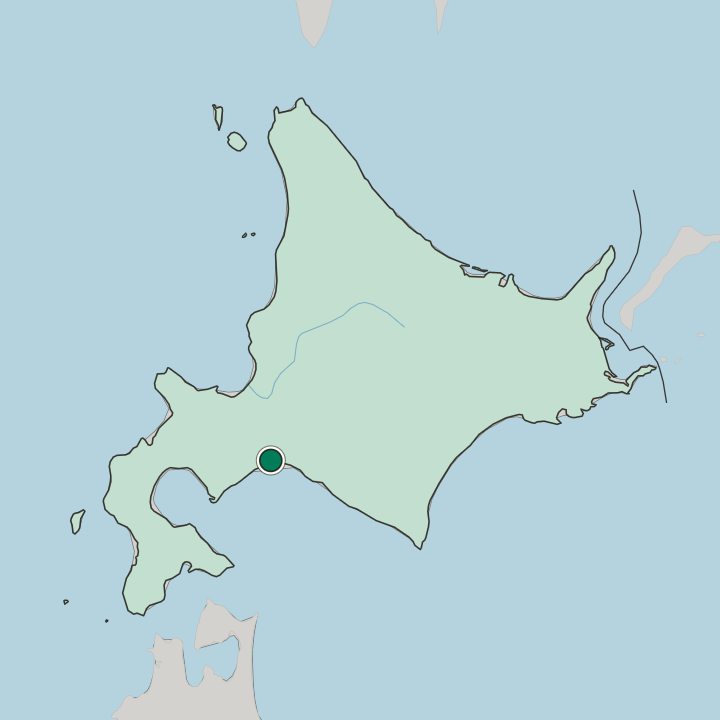
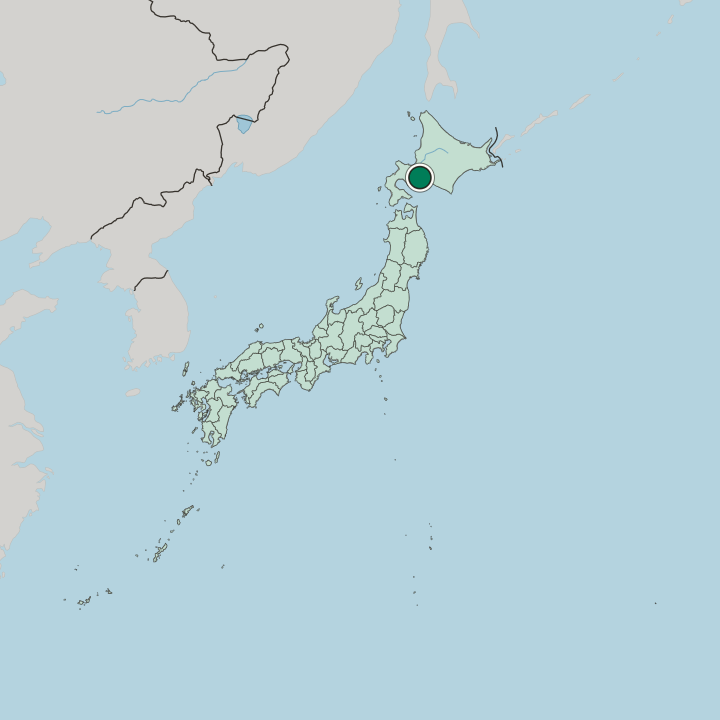
Tomakomai spreads along the Hokkaido coast, its port on the water and its municipal area running back inland to take in the wetland around Lake Utonai. The city is large on the map. Iburi Subprefecture holds it, and within the boundary the built-up ground, the harbour, and the country around Yubutsu occupy quite different worlds.
The port anchors the whole arrangement.
What is the climate of Tomakomai?
The coast keeps Tomakomai's weather off the extremes of the interior. Lake Utonai and the wetland behind the port sit in the temperate band of the northern hemisphere, where the cold season is long enough to matter and the birds that use the water come and go with it. Seasons run the wetland.
Indoors, the Tomakomai Science Museum fills the days the weather takes.
How do you get to Tomakomai?
Cargo moves through the harbour. For visitors the road does the work, and Tomakomai's position as the largest city of Iburi Subprefecture puts it on the way to most other places in this part of Hokkaido. Lake Utonai lies a short drive out, and getting to the Lake Utonai Wildlife Conservation Center in time for the morning birds means an early start and a car.
The museums are central.
Common questions
What is the best area to stay in Tomakomai?
The port district: One-night stops at the Iburi Subprefecture harbour. Towards Lake Utonai: Birdwatching mornings at the Lake Utonai Wildlife Conservation Center. The Yubutsu side: Visits pairing the Yubutsu Material Hall with the Tapkop Site.
Good for
More cities in Hokkaido
Updated September 2026