Japan · Hokkaido
Where to Stay in Sapporo, Hokkaido
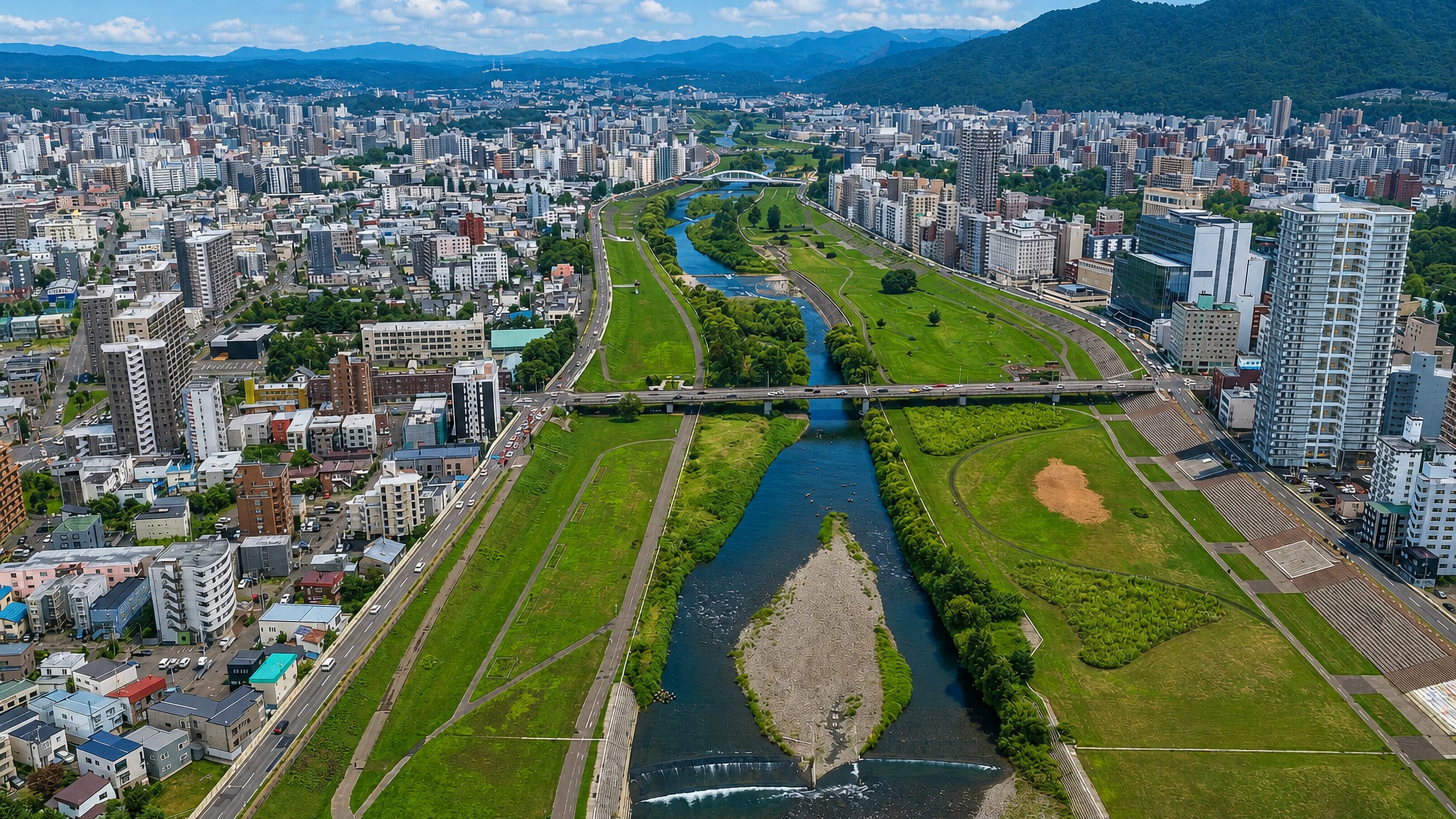
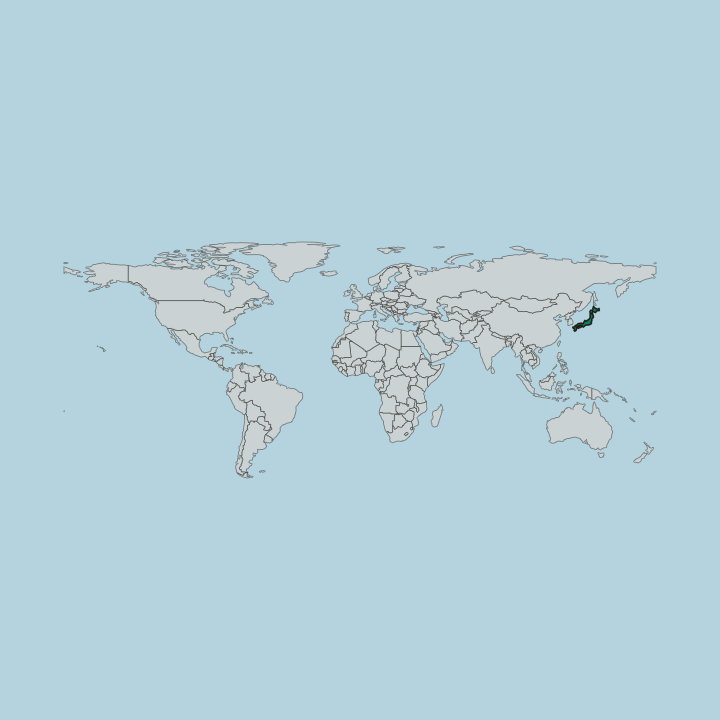
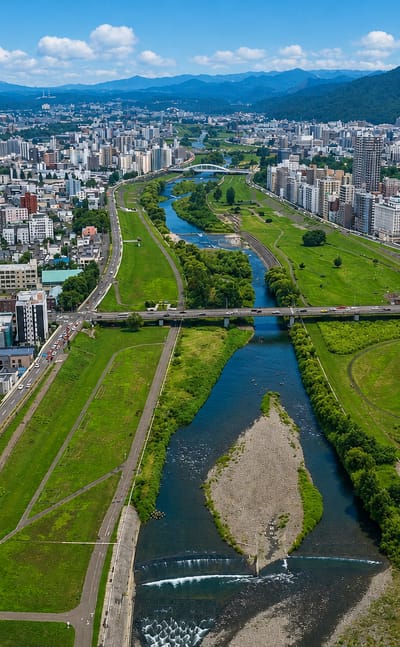
Snow banks the boulevards of Sapporo, capital of Hokkaido on the fan of the Toyohira River, known for the Sapporo Clock Tower and the Sapporo Beer Museum.
Hotel links are affiliate links: booking through them may earn us a commission, at no extra cost to you. It never affects how places are ranked. How this works


Where to stay in Sapporo
Where you base yourself shapes the visit — here's the character of each area.
 SapporoJapan
Ōdōri
Ōdōri is the long park that cuts Sapporo into north and south halves, laid out in 1869 on the line first meant to be the city's main street.Where to stay →SapporoJapanKitanosawa
Kitanosawa is a Sapporo district that shares its name with the Kitanosawa River, and the Sapporo Salmon Museum is the one landmark on its record.Where to stay →Hotel links are affiliate links: booking through them may earn us a commission, at no extra cost to you. It never affects how places are ranked. How this works
Find hotels in Sapporo
Direct booking searches for these neighbourhoods.
Central grid boulevards
The Sapporo Clock Tower and the covered arcades anchor the tree-lined boulevards at the middle of the grid.Find hotels in Central grid boulevardsGardens and quiet museum streetsUniversity campus side
The Hokkaido University Botanical Gardens and the campus museums form a walkable green belt west of the centre.Find hotels in University campus sideThe beer museum and open groundsBrewery grounds east
The Sapporo Beer Museum and its old brewery yards sit a short subway ride east of the central grid.Find hotels in Brewery grounds eastHotel links are affiliate links: booking through them may earn us a commission, at no extra cost to you. It never affects how places are ranked. How this works
Things to do in Sapporo
Ranked by global recognition; descriptions from Wikidata (CC0).
Museums & Galleries
3- Sapporo Clock Tower Heritage
- Hokkaido Museum of Modern Art
- Mighishi Kōtarō Museum of Art, Hokkaido
Churches & Religious Sites
2- Nihon Kirisuto Kyodan Sapporo Church Heritage
- Sapporo Independent Christian Church
Stadiums & Sports
1- サッポロテイセンボウル
Parks & Gardens
1- Hokkaido University Botanical Gardens Heritage
worth knowingacross 4 categories in Sapporo
About Sapporo
What is Sapporo known for?
Sapporo is known as the capital and largest city of Hokkaido, a planned grid city on the alluvial fan of the Toyohira River in the far north of Japan. Its winters are famous. Deep, reliable snow, tree-lined boulevards, and one of Japan's youngest street plans set it apart from the older cities to the south.
The Sapporo Clock Tower and the Sapporo Beer Museum mark its short but distinct past, and its name comes from the Ainu language, a heritage kept at the Hokkaido Ainu Center.
What are the main landmarks in Sapporo?
The Sapporo Clock Tower is the city's signature landmark, a timber colonial-style hall left from the settlement's founding decades. Its green frame stands out. Nearby the Sapporo Beer Museum keeps the brewing history in an old brick works, while the Hokkaido Museum of Modern Art and the Hokkaido University Botanical Gardens draw visitors to the western campus belt.
The island's first peoples have their own hall. The Hokkaido Ainu Center records the Ainu language and culture behind the city's name across the grid on the fan of the Toyohira River.
What is the history of Sapporo?
Sapporo was laid out as a planned settlement in 1870, when the northern administration set a grid of numbered streets on the open fan of the Toyohira River. The site had long been Ainu land, and the name itself comes from the Ainu language, a heritage the Hokkaido Ainu Center keeps. Growth was fast.
Foreign advisers and settler farmers shaped the young city in a single generation, leaving it with little of the older architecture found further south. The founding decades left their marks across the grid, among them the timber Sapporo Clock Tower and the brick brewery that holds the Sapporo Beer Museum. Hokkaido University rose on the western side, its Botanical Gardens and museums part of the same reforming project that opened the north.
Winter became its signature. Deep snow on the Toyohira fan gave rise to the winter traditions that mark the city, and Sapporo grew into the political and cultural centre of Hokkaido north of the older Japanese heartland.
Where is Sapporo?
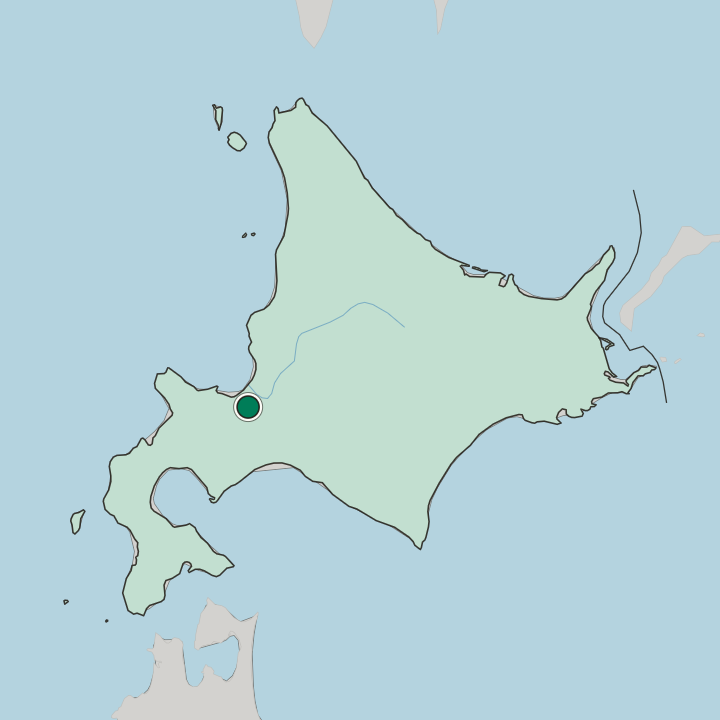
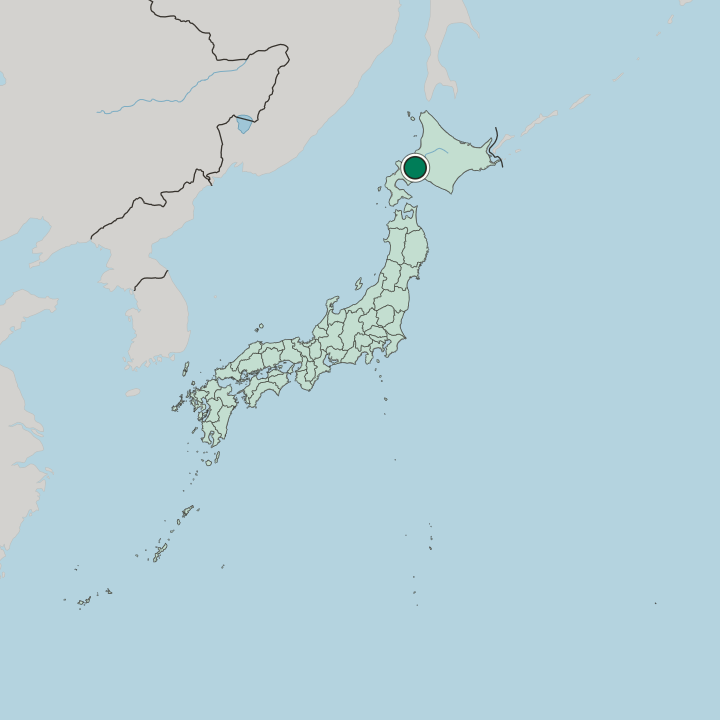
Sapporo lies in the southwest of Hokkaido, the capital of the northern island and its largest city, built on the alluvial fan of the Toyohira River. The Toyohira, a tributary of the larger Ishikari River, spreads the flat gravel plain that lets the city hold its wide, regular grid. Hills ring it.
As the centre of Ishikari Subprefecture, Sapporo commands the broad lowland where the rivers of western Hokkaido drain across the plain and reach the sea.
What is the climate of Sapporo?
Sapporo has a snowy northern climate, the coldest of Japan's major cities and shaped by its place on the Toyohira fan in Hokkaido. Winters are long and white. Heavy, reliable snow buries the grid for months and defines the season, while the Ishikari lowland around the city lies open to cold air off the north.
Summers turn short, green, and mild, a brief warm spell on the fan before the deep cold returns to Hokkaido.
How do you get to Sapporo?
Sapporo is the rail hub of Hokkaido, linked south to the rest of the network by the line that runs beneath the strait toward Honshu. Trains gather at the central station. The city's subway crosses the grid from the station to the Sapporo Clock Tower and the outer wards, while buses reach the campus gardens and the brewery grounds.
Long-distance rail and road tie the Toyohira fan to the coast and the wider Ishikari lowland, carrying travellers into the largest city north of the older Japanese cities.
Common questions
What is the best area to stay in Sapporo?
Central grid boulevards: Shops and the tree-lined streets. University campus side: Gardens and quiet museum streets. Brewery grounds east: The beer museum and open grounds.
Good for
More cities in Hokkaido
Updated September 2026