Japan · Ibaraki
Where to Stay in Bandō, Ibaraki
Bandō, or Bando City, is a city of Ibaraki Prefecture in Japan, dating from 2005, with the Ibaraki Nature Museum at the head of its register.
Hotel links are affiliate links: booking through them may earn us a commission, at no extra cost to you. It never affects how places are ranked. How this works


Where to stay in Bandō
How the choice of base plays out on the ground.
Bandō's beds answer to the Ibaraki Nature Museum first. The museum is the main reason to sleep here rather than pass through, and a room near it means the collection can be taken slowly rather than squeezed between arrival and departure. Sakai is the other option.
The Sakai Historical Folklore Museum anchors that side, and a stay chosen for it is a stay chosen for the local record rather than for natural history. Both sit inside the same short drive. Noda changes the arithmetic.
The Noda City Museum and Noda City Civic Hall name their own town, and the Chiba Prefectural Sekiyado-jō Museum names its own prefecture, so a bed on that side of the line reaches a different set of collections from a bed in Bandō. The Mogi-Honke Museum of Art and the Suzuki Kantarō Museum fall into the same short radius, and either one will fill an afternoon that the Giant Kite Hall started. Bandō dates from 2005.
The city covers a compact stretch of Ibaraki Prefecture, so the practical question is not which quarter to book but whether you want the Ibaraki Nature Museum or the museums over the line at hand first.
Find hotels in Bandō
Direct booking searches for these neighbourhoods.
Around the Ibaraki Nature Museum
The Ibaraki Nature Museum is the one collection in Bandō big enough to justify a night rather than a stop on the way through.Find hotels in Around the Ibaraki Nature MuseumThe Sakai Historical Folklore Museum and the district's own recordThe Sakai side
The Sakai Historical Folklore Museum keeps the local account, which is a different visit from the natural history one at the Ibaraki Nature Museum.Find hotels in The Sakai sideNoda City Museum and Sekiyado-jō in one runOver the Chiba Prefecture line
The Noda City Museum, Noda City Civic Hall and the Chiba Prefectural Sekiyado-jō Museum sit on the far side of the prefecture line from Bandō.Find hotels in Over the Chiba Prefecture lineHotel links are affiliate links: booking through them may earn us a commission, at no extra cost to you. It never affects how places are ranked. How this works
About Bandō
Museums, one after another.
What is Bandō known for?
The Ibaraki Nature Museum draws the traffic, and within easy reach of Bandō the Suzuki Kantarō Museum, the Mogi-Honke Museum of Art, and the Sakai Historical Folklore Museum each keep a collection of their own. Kites get a hall to themselves. The Giant Kite Hall keeps a display of its own, and the Chiba Prefectural Sekiyado-jō Museum lies across the prefecture line, near enough that a stay in Bandō takes in both.
What are the main landmarks in Bandō?
The Ibaraki Nature Museum leads. Beyond it the register runs to the Suzuki Kantarō Museum, the Mogi-Honke Museum of Art, the Sakai Historical Folklore Museum, and the Noda City Museum, four collections of quite different subjects. The Giant Kite Hall is the outlier here, and the Chiba Prefectural Sekiyado-jō Museum belongs to a neighbouring prefecture rather than to Ibaraki Prefecture.
Noda City Civic Hall rounds the list out.
What is the history of Bandō?
The city name is younger than the museums. Bandō, written Bando City, dates from 2005, which makes the city's own name a late addition to a stretch of Ibaraki Prefecture whose museums each keep an older account. The Sakai Historical Folklore Museum holds the folk record, and the Suzuki Kantarō Museum is built around a single name rather than a district, which makes it the odd entry in an otherwise geographical set.
Kites carry their own history. The Giant Kite Hall gives that craft a building, which is more than most local traditions in Ibaraki Prefecture ever get. Across the line, the authorities change.
The Chiba Prefectural Sekiyado-jō Museum, the Noda City Museum, and Noda City Civic Hall answer to authorities other than Ibaraki Prefecture, which is what makes Bandō's museum horizon wider than its municipal one. The Mogi-Honke Museum of Art belongs to that same wider set, and an art collection named for a family sits oddly beside a natural history museum named for a prefecture. Bandō keeps the newer name and the older ground.
That split shows up on every entry, from the Giant Kite Hall to the Sakai Historical Folklore Museum.
Where is Bandō?
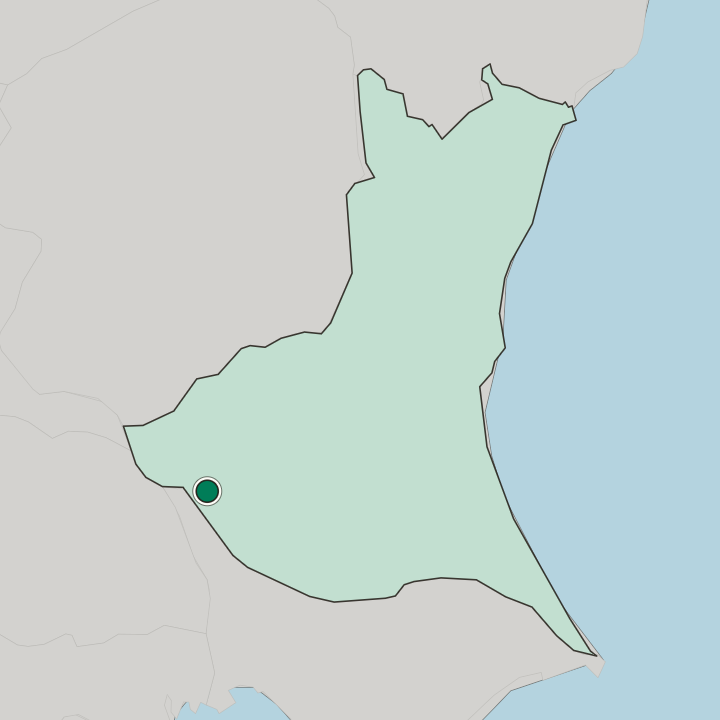
Ibaraki Prefecture holds the whole of Bandō, and the city's own ground is small enough that its museums sit close together rather than scattered. The prefecture line is the edge. Beyond it the Chiba Prefectural Sekiyado-jō Museum, the Noda City Museum, and Noda City Civic Hall belong to Chiba Prefecture, and the Giant Kite Hall, the Mogi-Honke Museum of Art, and the Suzuki Kantarō Museum fall within the same easy radius of Bandō.
The Ibaraki Nature Museum stays on the home side.
What is the climate of Bandō?
Summer is the season to plan around. Bandō sits in the temperate band of Ibaraki Prefecture, so the year swings between a warm half and a cold one, and the Ibaraki Nature Museum takes up whichever end of that swing keeps people indoors. Kite weather is its own question.
The Giant Kite Hall covers the craft under a roof, and the Mogi-Honke Museum of Art, the Suzuki Kantarō Museum, and the Sakai Historical Folklore Museum give a wet afternoon three more options.
How do you get to Bandō?
Bandō is small enough to cross quickly. A visitor with a car can take the Ibaraki Nature Museum in the morning, the Sakai Historical Folklore Museum after it, and still cross into Chiba Prefecture for the Noda City Museum before the day ends. The prefecture line costs nothing to cross.
Noda City Civic Hall, the Chiba Prefectural Sekiyado-jō Museum, the Mogi-Honke Museum of Art, and the Suzuki Kantarō Museum all sit within the same reach, which makes Bandō a workable base for more than its own register.
Common questions
What is the best area to stay in Bandō?
Around the Ibaraki Nature Museum: An unhurried morning at the Ibaraki Nature Museum. The Sakai side: The Sakai Historical Folklore Museum and the district's own record. Over the Chiba Prefecture line: Noda City Museum and Sekiyado-jō in one run.
Good for
More cities in Ibaraki
Updated September 2026