Japan · Ibaraki
Where to Stay in Chikusei, Ibaraki
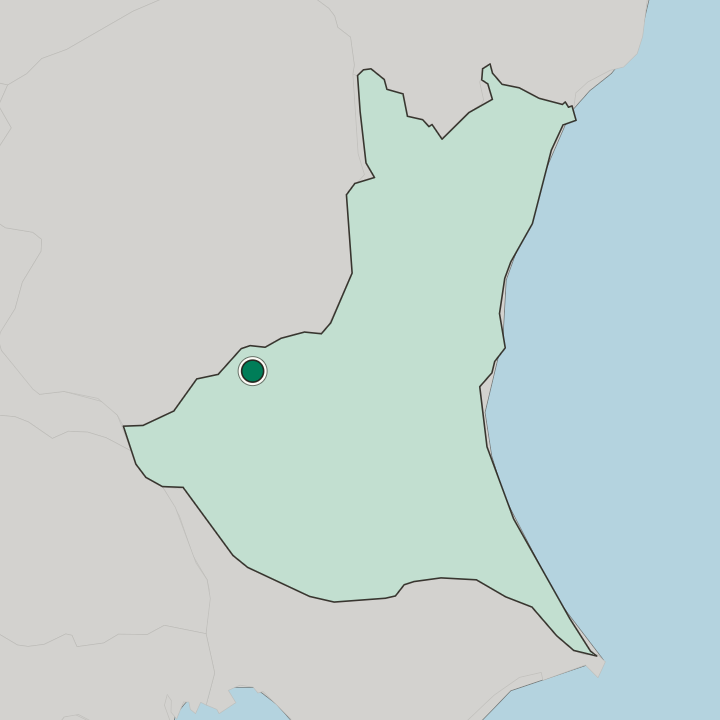
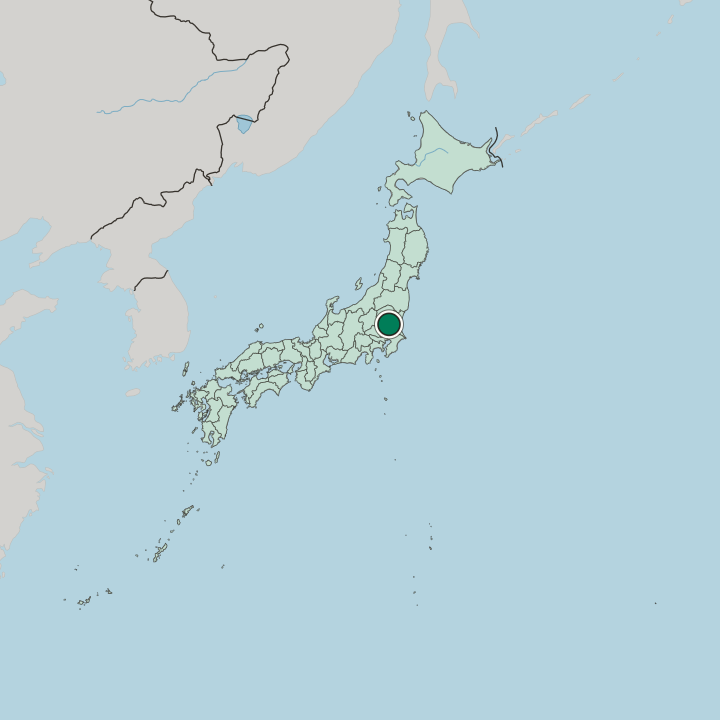
Chikusei, in Ibaraki Prefecture, Japan, took shape in 2005 and keeps a register of temple ruins, excavated sites and the Shimodate Museum of Art.
Hotel links are affiliate links: booking through them may earn us a commission, at no extra cost to you. It never affects how places are ranked. How this works


Where to stay in Chikusei
How the choice of base plays out on the ground.
The Shimodate Museum of Art gives Chikusei its one obvious anchor. A stay near it puts the city's only art collection within walking reach and leaves the ruins as a set of day trips rather than a set of neighbours, which is the honest way to plan Chikusei. The ruins are scattered.
The Yūki temple ruins and the Niihari temple ruins carry different names for a reason, and the Niihari Gunga ruins add a third address to the same morning. Chikusei covers a broad piece of Ibaraki Prefecture. The Hirosawa City is the other pole.
It sits on the register as a destination in its own right, and a stay chosen for it will be a different stay from one chosen for the Teranohigashi Site or the Ozakata site. former Omi Family Residence is the quiet one. An old house on a list otherwise made of foundations and galleries, it suits a traveller who would rather see one standing building than four excavated outlines. Chikusei dates from 2005, and a room booked without checking which of the ruins is nearest can turn every visit into a drive.
Find hotels in Chikusei
Direct booking searches for these neighbourhoods.
Near the Shimodate Museum of Art
The Shimodate Museum of Art is the only gallery on Chikusei's register, and the one stop that needs no drive out to foundations.Find hotels in Near the Shimodate Museum of ArtThe Niihari temple ruins and the Niihari Gunga ruins in one morningThe Niihari side
Two entries on Chikusei's list share the Niihari name, so a base on that side pairs the temple ruins with the Gunga ruins.Find hotels in The Niihari sideA stay planned around The Hirosawa CityToward The Hirosawa City
The Hirosawa City stands on Chikusei's landmark list as a destination in itself rather than as a ruin or a collection.Find hotels in Toward The Hirosawa CityHotel links are affiliate links: booking through them may earn us a commission, at no extra cost to you. It never affects how places are ranked. How this works
Things to do in Chikusei
Ranked by global recognition; descriptions from Wikidata (CC0).
Museums & Galleries
1- Shimodate Museum of Art
Castles & Historic Sites
3- Yūki temple ruins
- Niihari Gunga ruins
- Ozakata site
Parks & Gardens
1- The Hirosawa City
Landmarks & Notable Places
1- 旧尾見家住宅 Heritage
worth knowingacross 4 categories in Chikusei
About Chikusei
Ruins, and more ruins.
What is Chikusei known for?
The Yūki temple ruins, the Niihari temple ruins, and the Niihari Gunga ruins put three separate sets of foundations on Chikusei's list, and the Teranohigashi Site and the Ozakata site add two more excavations to it. Two entries break the pattern. The Shimodate Museum of Art hangs pictures, and The Hirosawa City carries a name that sounds like a settlement while sitting on a landmark list beside former Omi Family Residence.
What are the main landmarks in Chikusei?
Foundations outnumber buildings. The Yūki temple ruins, the Niihari temple ruins, and the Niihari Gunga ruins account for three, and the Teranohigashi Site and the Ozakata site account for two more, which leaves little on the list that still has a roof. former Omi Family Residence still does. The Shimodate Museum of Art and The Hirosawa City complete the register, one a gallery and the other a destination under a name of its own.
What is the history of Chikusei?
Two names repeat on this list. Niihari appears both as temple ruins and as the Niihari Gunga ruins, which puts two different kinds of foundation under a single old name, while Yūki appears once and carries temple ruins of its own. The excavations fill the gaps.
The Teranohigashi Site and the Ozakata site are recorded separately, and between them they extend Chikusei's dug record beyond the temples into ground that carries no religious name at all. Names survive better than the temples themselves, which is how a list of ruins ends up carrying more names than standing structures. former Omi Family Residence belongs to a later chapter. A standing house sits on the same register as the Yūki temple ruins, and the contrast between the two is the clearest thing the list has to say about what survived here.
Chikusei itself is a 2005 creation. The city drew a single boundary around the Niihari temple ruins, the Yūki temple ruins, the Teranohigashi Site, and the Ozakata site, and the register has read as one place ever since. The Shimodate Museum of Art and The Hirosawa City are the modern entries, and they answer to visitors rather than to archaeology.
Where is Chikusei?
Chikusei spreads across a wide part of Ibaraki Prefecture. The Niihari temple ruins, the Niihari Gunga ruins, and the Yūki temple ruins fall in different parts of that spread, and the Teranohigashi Site and the Ozakata site widen it further. Nothing here is dense.
The Shimodate Museum of Art and former Omi Family Residence give the built half of the city its two fixed points.
What is the climate of Chikusei?
Weather decides the itinerary. Chikusei sits in the temperate band of Ibaraki Prefecture, and a wet spell turns the Teranohigashi Site and the Ozakata site into muddy outlines while leaving the Shimodate Museum of Art untouched. The temple ruins do no better.
The Yūki temple ruins, the Niihari temple ruins, and the Niihari Gunga ruins are all open ground, which makes former Omi Family Residence and the gallery the natural pair of indoor fallbacks.
How do you get to Chikusei?
Chikusei asks for a car. The Yūki temple ruins, the Niihari temple ruins, and the Teranohigashi Site are separate stops rather than one walk, and The Hirosawa City is a destination that a visitor reaches deliberately rather than passes on the way. The Shimodate Museum of Art is the exception.
It anchors the built side of Chikusei, and a day that begins there can take in former Omi Family Residence, the Ozakata site, and the Niihari Gunga ruins before the light goes.
Common questions
What is the best area to stay in Chikusei?
Near the Shimodate Museum of Art: An art stop before the drive out to the ruins. The Niihari side: The Niihari temple ruins and the Niihari Gunga ruins in one morning. Toward The Hirosawa City: A stay planned around The Hirosawa City.
Good for
More cities in Ibaraki
Updated October 2026