Japan · Ibaraki
Where to Stay in Kashima-shi, Ibaraki
Kashima is an Ibaraki Prefecture city holding both Kashima Jingū and the Kashima Antlers, whose ground took 2002 FIFA World Cup matches.
Hotel links are affiliate links: booking through them may earn us a commission, at no extra cost to you. It never affects how places are ranked. How this works


Where to stay in Kashima-shi
The practical side of choosing where to sleep.
Kashima Jingū marks one pole of the city and Kashima Soccer Stadium marks the other, so a room somewhere between the two keeps both within a short trip on any day without a fixture. Match days change that arithmetic entirely. Beds anywhere near the stadium go first when the Kashima Antlers are at home, and a visitor who arrives with no interest in the J. League will find the widest choice on a quiet midweek night instead.
The shrine side stays calmer. Streets running up to Kashima Jingū hold the older grain of Kashima Town, the town name Kashima carried from its founding in 1889, and they suit anyone who would rather wake to a precinct than to a car park. The sporting quarter has its own logic.
Kashima Soccer Stadium, the Kashima Soccer Museum and the Kashima Sports Center stand close enough together that one base covers the entire football side of the city with nothing further to arrange. Not every visit is about football. The Otone Branch Natural History Museum and Institute, Chiba serves the traveller who wants the landforms of the region explained rather than its club, and a stay weighted towards that museum works better on the outward edge than in the middle. Ibaraki Prefecture holds larger bases within reach.
Treating Kashima as one night inside a longer run through Ibaraki Prefecture costs very little, since the shrine, the stadium and both museums fit comfortably between a late morning and an early evening.
Find hotels in Kashima-shi
Direct booking searches for these neighbourhoods.
The Kashima Jingū approach
The precinct and its approach streets keep the older grain of Kashima TownFind hotels in The Kashima Jingū approachKashima Antlers fixtures at Kashima Soccer StadiumThe stadium quarter
Kashima Soccer Stadium, the Kashima Soccer Museum and the Kashima Sports Center stand together. Lodging is scarce in this area; reserve in advance.Find hotels in The stadium quarterHotel links are affiliate links: booking through them may earn us a commission, at no extra cost to you. It never affects how places are ranked. How this works
About Kashima-shi
Two things carry Kashima.
What is Kashima-shi known for?
The Kashima Antlers play J. League football at Kashima Soccer Stadium, a ground that took matches during the 2002 FIFA World Cup and still sets the rhythm of a match weekend across the whole city. Kashima Jingū answers from the older side, a Shinto foundation of great age tied to the kenjutsu schools that grew up around it. The Kashima Soccer Museum keeps the club record close by, and the Kashima Sports Center completes the sporting ground.
What are the main landmarks in Kashima-shi?
Kashima Jingū outranks everything else here, a Shinto foundation whose age and whose link to the kenjutsu schools give the city a standing that has nothing to do with sport. Then the modern list begins. The Kashima Soccer Museum sets out the record of the Kashima Antlers, the Kashima Sports Center handles the training side, and the Otone Branch Natural History Museum and Institute, Chiba covers the natural record of the surrounding country.
Four names, two eras.
What is the history of Kashima-shi?
The shrine came long before the city. Kashima Jingū counts among the oldest Shinto foundations of its part of the country, and the swordsmanship traditions that gathered around it seeded several of the kenjutsu styles later taught across Japan, which is a form of influence no municipal record can measure. Warriors trained on this ground.
That association fixed the name Kashima in Japanese martial history centuries before any modern boundary was drawn around it, and it survives in the schools rather than in any single building. Municipal Kashima is far younger. The year 1889 gave the place its footing as Kashima Town, one unit among many created when Japan reorganised its towns and villages, and Ibaraki Prefecture has carried it ever since.
Football arrived last. The Kashima Antlers turned a working town into a J. League address, Kashima Soccer Stadium served as one of the venues during the 2002 FIFA World Cup, and the Kashima Soccer Museum keeps the record of that whole rise. The Kashima Sports Center belongs to the same chapter.
Between Kashima Jingū at one end and the stadium at the other, the city keeps two histories that barely overlap, and the Otone Branch Natural History Museum and Institute, Chiba adds a third and much longer one.
Where is Kashima-shi?
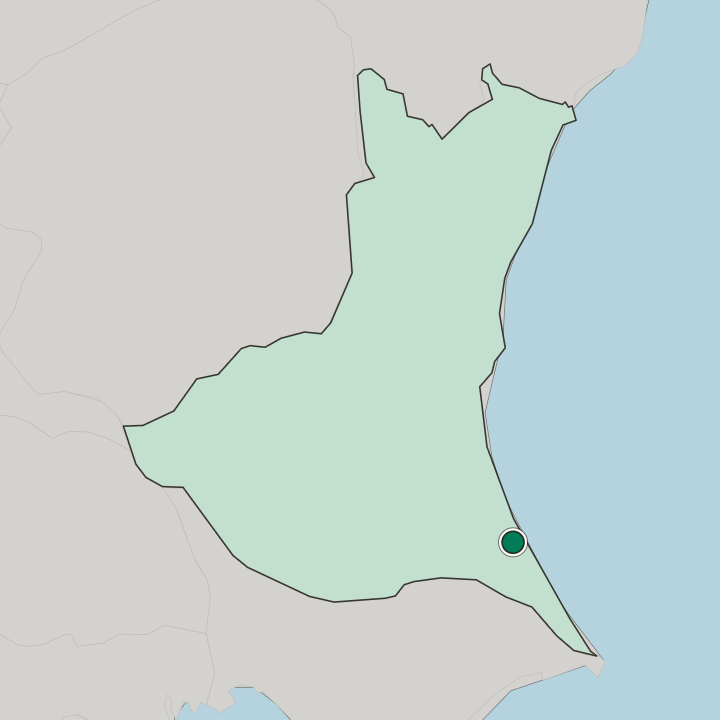
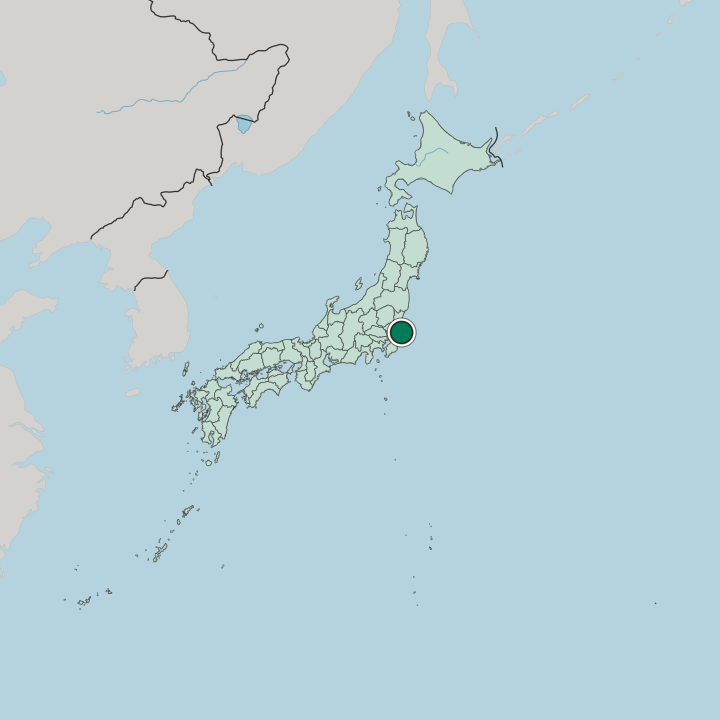
Kashima spreads across a broad municipal area within Ibaraki Prefecture, low-lying country that leaves the precinct of Kashima Jingū and the bulk of Kashima Soccer Stadium as the two things visible from any distance. Flat ground, wide plots. The Otone Branch Natural History Museum and Institute, Chiba treats the natural record of this same lowland, which is the quickest way to understand why the city sits where it does.
What is the climate of Kashima-shi?
Kashima's year divides into four clear seasons. Kashima falls inside the temperate band of the northern hemisphere, so summers turn warm and heavy with moisture while the cold months stay well short of severe for anyone used to a continental winter. Autumn suits a visit best.
Walking the approach to Kashima Jingū is easier once the humidity has gone out of the air, and the terraces of Kashima Soccer Stadium are more comfortable then too.
How do you get to Kashima-shi?
Arrivals cluster around the fixture list. Kashima lies within Ibaraki Prefecture, and traffic into the city rises sharply whenever the Kashima Antlers are playing at home, which turns an ordinary approach into a slow one for a few hours either side of kick-off. Other days are simple.
Kashima Jingū, the Kashima Soccer Museum and the Kashima Sports Center all fall close enough to the built-up middle that one base reaches them without much further travel.
Common questions
What is the best area to stay in Kashima-shi?
The Kashima Jingū approach: Early mornings at Kashima Jingū before the shrine approach fills. The stadium quarter: Kashima Antlers fixtures at Kashima Soccer Stadium.
More cities in Ibaraki
Updated September 2026