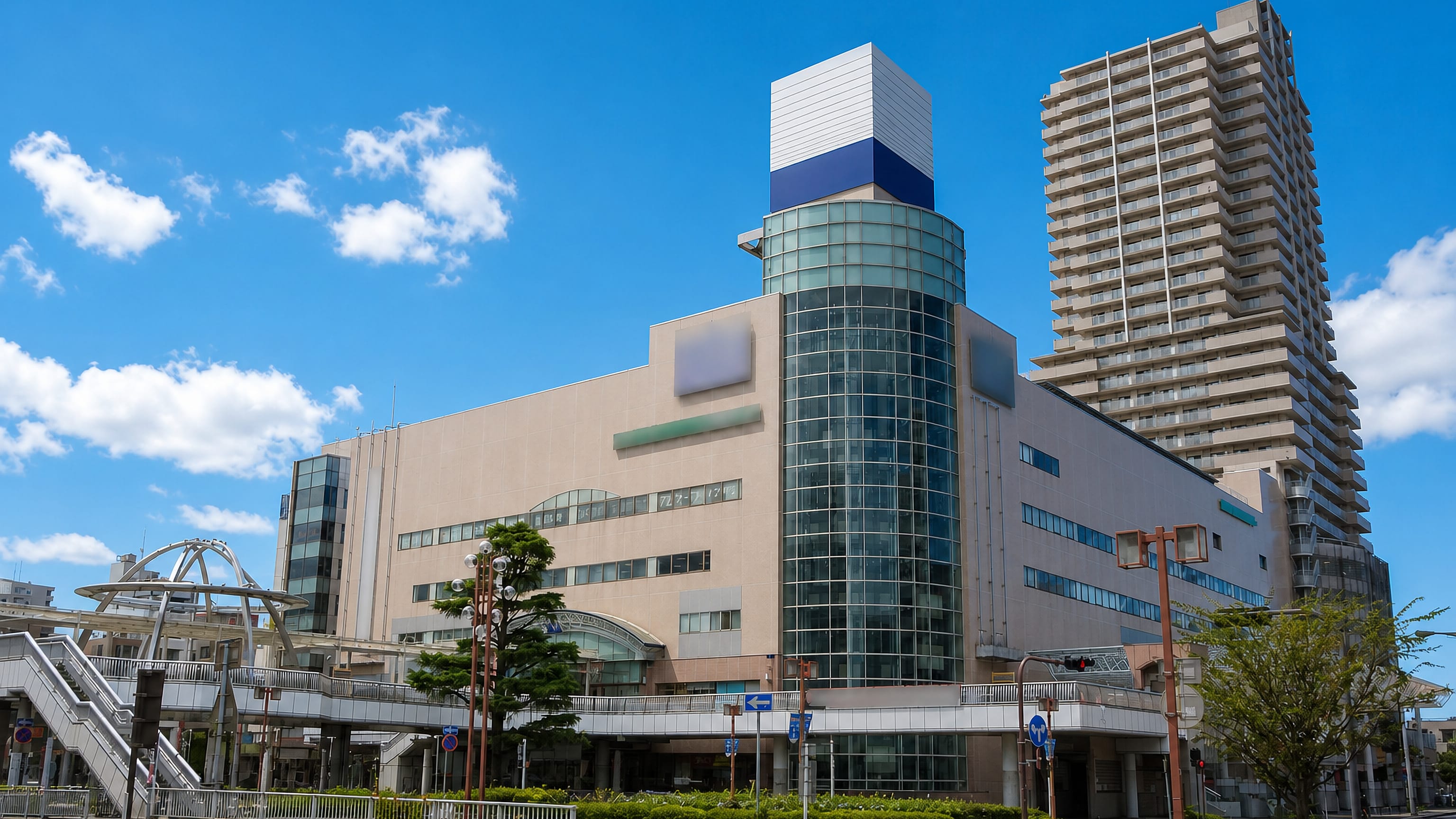
Japan · Ibaraki
Where to Stay in Tsuchiura, Ibaraki
Tsuchiura faces Lake Kasumigaura, the second largest lake in Japan, and keeps the Kamitakatsu Shell Mound behind its Ibaraki Prefecture shoreline.
Hotel links are affiliate links: booking through them may earn us a commission, at no extra cost to you. It never affects how places are ranked. How this works


Where to stay in Tsuchiura
The practical side of choosing where to sleep.
A shoreline room is the strongest argument this city makes, because Lake Kasumigaura is the reason most visitors come and open water on that scale changes the character of a morning long before anything else opens. The water is close to everything. Beds along the frontage put the lake outside the window and still leave the Tsuchiura City Museum and Tsuchiura Archaeology Museum inside an ordinary walk, which is an unusually forgiving arrangement for a city of this size.
Not every night here needs a view. Rooms set back from the shore cost less attention and lose only the water, and Tsuchiura Graf Zeppelin Exhibition Hall sits nearer that inland grain than it does the lake. The Kamitakatsu Shell Mound anchors a different choice.
Its ground carries the oldest evidence of settlement in Tsuchiura, and a base towards that side suits a visitor whose plan is archaeology rather than boats or waterside walking. That side of the city stays quiet. sword signed Chikushu ju Yukihiro belongs to the same slower register as the shell mound, an item on the heritage list rather than a destination in itself, and neither will fill a full day. Ibaraki Prefecture holds larger alternatives inland. A single night on Lake Kasumigaura still earns its place in a longer run through Ibaraki Prefecture, since the two museums, the mound and the shoreline together want a day rather than a week.
Find hotels in Tsuchiura
Direct booking searches for these neighbourhoods.
The Kasumigaura frontage
The frontage Tsuchiura was laid out against, with the second largest lake of Japan at the doorFind hotels in The Kasumigaura frontageCircuits taking in the Tsuchiura City Museum and Tsuchiura Archaeology MuseumThe museum blocks
Both Tsuchiura museums and Tsuchiura Graf Zeppelin Exhibition Hall fall inside one inland circuitFind hotels in The museum blocksArchaeology days beginning at the Kamitakatsu Shell MoundThe Kamitakatsu side
Older ground than the shoreline, out where the shell mound was excavated. Lodging is scarce in this area; reserve in advance.Find hotels in The Kamitakatsu sideHotel links are affiliate links: booking through them may earn us a commission, at no extra cost to you. It never affects how places are ranked. How this works
About Tsuchiura
Water first, museums second.
What is Tsuchiura known for?
Lake Kasumigaura ranks second in size among the lakes of Japan and the whole of Tsuchiura is laid out with reference to that water, which explains both where the old settlement grew and where the modern shoreline runs. The Kamitakatsu Shell Mound shows how far back the settlement goes. Tsuchiura Archaeology Museum interprets that dug ground, the Tsuchiura City Museum takes the wider record, and Tsuchiura Graf Zeppelin Exhibition Hall keeps an airship name in the city's collection.
Locally the name is written Tsuchiura.
What are the main landmarks in Tsuchiura?
The Kamitakatsu Shell Mound is the oldest thing on the list, and the Tsuchiura Archaeology Museum exists in large part to explain what such ground holds and why a settlement beside Lake Kasumigaura left it behind. Then come the newer collections. Tsuchiura City Museum covers the city's own record, Tsuchiura Graf Zeppelin Exhibition Hall carries the airship name, and sword signed Chikushu ju Yukihiro completes a heritage list of five entries.
None of them is monumental.
What is the history of Tsuchiura?
Shells record the beginning. The Kamitakatsu Shell Mound is refuse left by people who ate from the water beside them, and a deposit of that kind puts continuous habitation on this shore far earlier than any written record of Tsuchiura reaches. Lake Kasumigaura fed them.
A settlement placed beside the second largest lake in Japan had a food supply that did not depend on the harvest, which is the simplest reason people stayed on this particular stretch of ground. City status came only in 1940. That year turned an established town into a municipality of Ibaraki Prefecture, and the modern shape of Tsuchiura, its shoreline works and its inland blocks alike, belongs to the decades either side of it.
Collecting followed. Tsuchiura City Museum and the Tsuchiura Archaeology Museum were built to hold what the ground and the town had accumulated, the mound included, and Tsuchiura Graf Zeppelin Exhibition Hall preserves an episode the airship name still announces. sword signed Chikushu ju Yukihiro sits on the same inventory. Between the shell mound at one end and the exhibition halls at the other, the record here runs from a lakeside diet to a municipal archive without much in between surviving above ground.
Where is Tsuchiura?
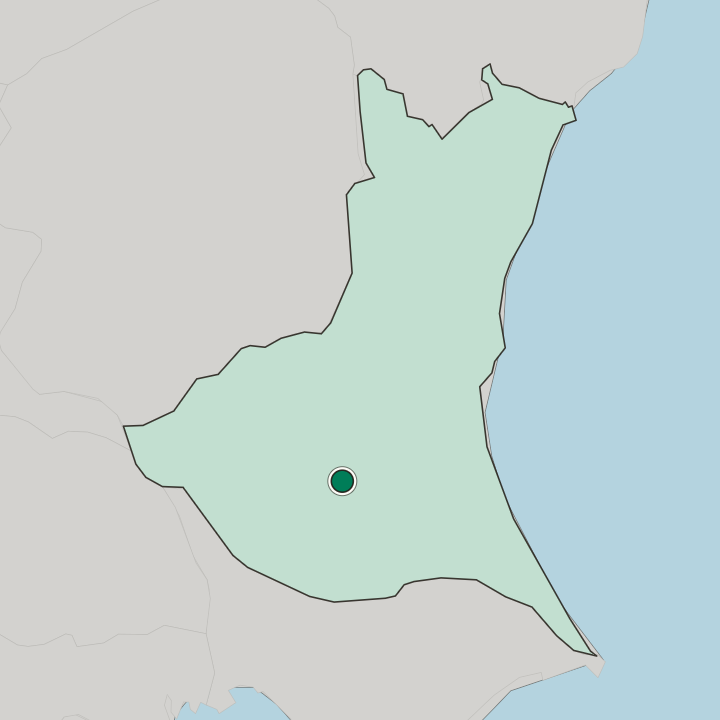
Lake Kasumigaura takes one whole side of the municipality, and Tsuchiura occupies the low ground between that shore and the fields inland, which gives the city a long water edge and very little in the way of height anywhere behind it. Flat land, wide water. The Kamitakatsu Shell Mound lies on the inland part of this same low ground, close enough to the lake for the people who left it to have lived off what the water produced.
What is the climate of Tsuchiura?
Lake Kasumigaura works on the weather in Tsuchiura. Open water of that size gives the wind a clear run at the shore, so the frontage feels raw on a cold morning and damp through the humid part of the year, while streets set back inland are noticeably calmer. Autumn is the sensible season.
Walking the shoreline and reaching the Kamitakatsu Shell Mound both become harder work once summer humidity settles over the lowland.
How do you get to Tsuchiura?
The lake is the orientation point. Anyone arriving in Tsuchiura can navigate by Lake Kasumigaura alone, since the shoreline fixes one edge of the city and the museum blocks sit back from it in the direction of the fields. Walking covers the middle.
Tsuchiura City Museum, the Tsuchiura Archaeology Museum and Tsuchiura Graf Zeppelin Exhibition Hall are grouped tightly enough for a single circuit, whereas the Kamitakatsu Shell Mound needs a separate leg.
Common questions
What is the best area to stay in Tsuchiura?
The Kasumigaura frontage: Waking to open water on the Lake Kasumigaura shore. The museum blocks: Circuits taking in the Tsuchiura City Museum and Tsuchiura Archaeology Museum. The Kamitakatsu side: Archaeology days beginning at the Kamitakatsu Shell Mound.
Good for
More cities in Ibaraki
Updated September 2026