Japan · Ibaraki
Where to Stay in Mito, Ibaraki
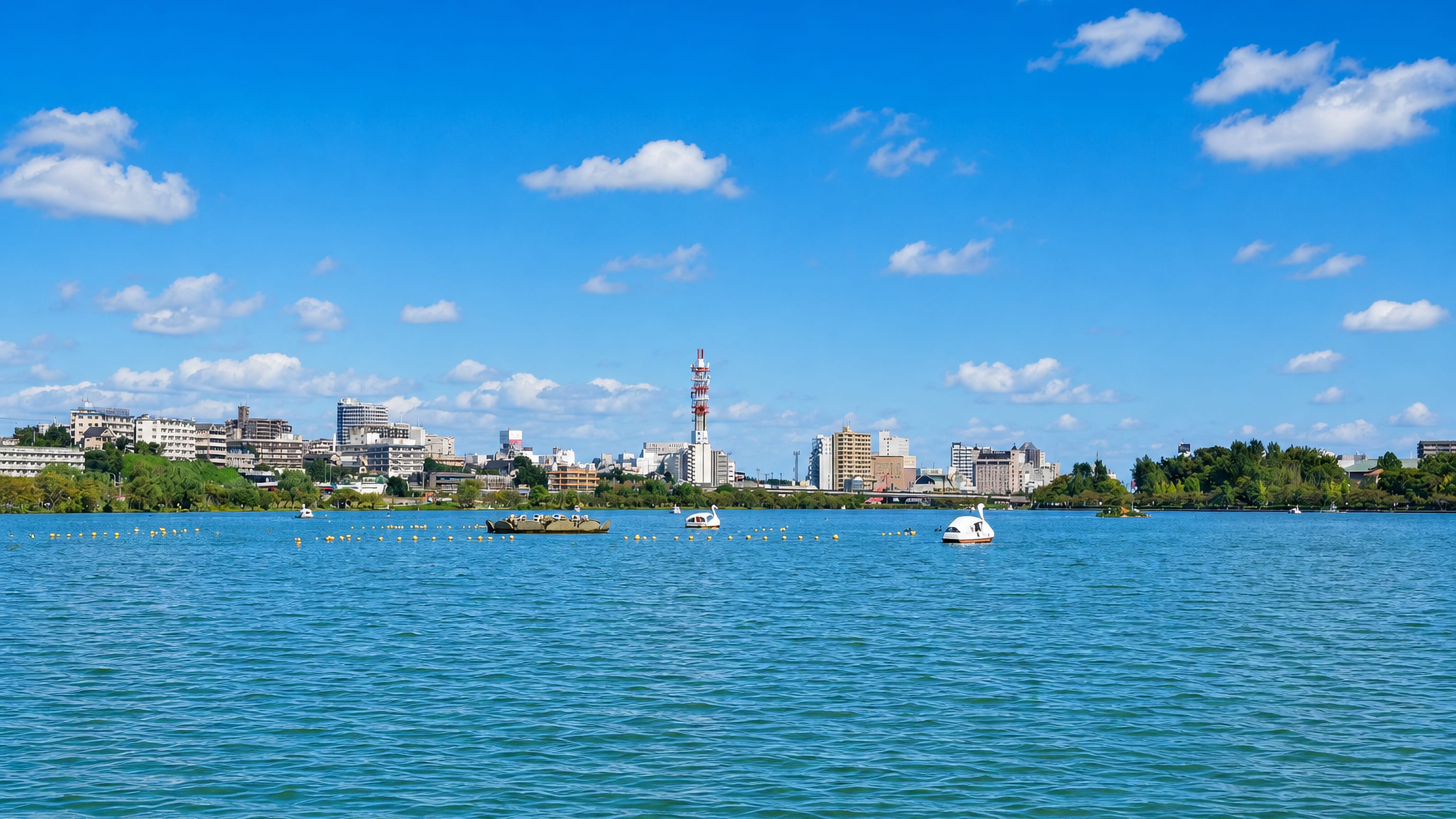
Plum slopes and the drill hall of the Kōdōkan mark Mito, capital of Ibaraki Prefecture in northern Kantō, known for the garden at Kairakuen.
Hotel links are affiliate links: booking through them may earn us a commission, at no extra cost to you. It never affects how places are ranked. How this works


Where to stay in Mito
Where visitors usually base themselves, and why.
Mito puts nearly all its beds within walking reach of the castle ground and the station, on the ridge above the Naka River. The Kōdōkan stands a few minutes from the platforms, with the Ibaraki Prefectural Museum of History and the Tokugawa Museum spread along the same rise, so a room here covers the domain-era sights without a bus. Shops fill the arcades below.
Take this side if you have one day and want it all on foot. Kairakuen sits west of the centre, above the open water of Lake Senba. Rooms out that way look onto the garden's plum slopes and the lake path, and they suit early walkers and anyone coming for the blossom weeks rather than the museums.
The lake circuit runs level. It is quieter after dark than the streets behind the station. Beds also lie out along the roads east.
Ground near the Tokiwa University Science Museum and the highway junctions gives drivers parking and a clean run toward Ishioka, Mooka and Chikusei, which is the trade for being off the arcade streets. Nothing much is walkable there.
Find hotels in Mito
Direct booking searches for these neighbourhoods.
The castle ground
The domain-era rise above the Naka River, minutes from the platformsFind hotels in The castle groundBlossom weeks and early walks on the lake pathKairakuen
Plum slopes above the open water of Lake SenbaFind hotels in KairakuenDrivers running on to Ishioka and MookaThe eastern roads
Parking by the highway junctions past the arcade streetsFind hotels in The eastern roadsHotel links are affiliate links: booking through them may earn us a commission, at no extra cost to you. It never affects how places are ranked. How this works
About Mito
What is Mito known for?
Mito is known for Kairakuen, the plum garden laid out above Lake Senba on the western side of the city. The Kōdōkan answers it. That long low domain school, where the ruling Tokugawa house of Mito taught its retainers, still stands near the castle ground with its own plum trees around it.
The collections take up the remainder. The Tokugawa Museum, the Ibaraki Prefectural Museum of History and the Museum of Modern Art hold the papers, the armour and the paintings the domain left behind.
What are the main landmarks in Mito?
Mito keeps its landmarks in two clusters, one at the castle ground and one above the lake. Kairakuen is the larger draw. Its plum slopes fall toward Lake Senba, and the garden was laid out by the same Tokugawa house of Mito that founded the Kōdōkan, the domain school still standing on the rise near the station.
Three collections fill in the rest: the Tokugawa Museum, the Ibaraki Prefectural Museum of History and the Museum of Modern Art.
What is the history of Mito?
Mito grew as the seat of a branch of the Tokugawa house, on the rise above the Naka River. The domain ran its own school. Tokugawa Nariaki founded the Kōdōkan there, a long low academy where retainers studied and where the scholarship of the Mito domain took its distinctive turn, and its buildings still stand on the castle ground.
The same lord laid out Kairakuen. He opened the plum garden above Lake Senba to commoners as well as samurai, an unusual arrangement for the age, and the slope has drawn people for the blossom every spring since. Learning and the garden went together.
Both belonged to one programme for the domain, and the Tokugawa Museum now holds the papers and the household goods that document it. Mito was incorporated as a city in 1889, one of the municipalities created across Ibaraki Prefecture in that reform, and it took the prefectural offices and the administrative work of northern Kantō. War flattened much of the centre.
The rebuilt streets kept the old plan along the ridge, and the Ibaraki Prefectural Museum of History and the Museum of Modern Art rose later on the ground between the station and the lake. The plum trees came back first.
Where is Mito?
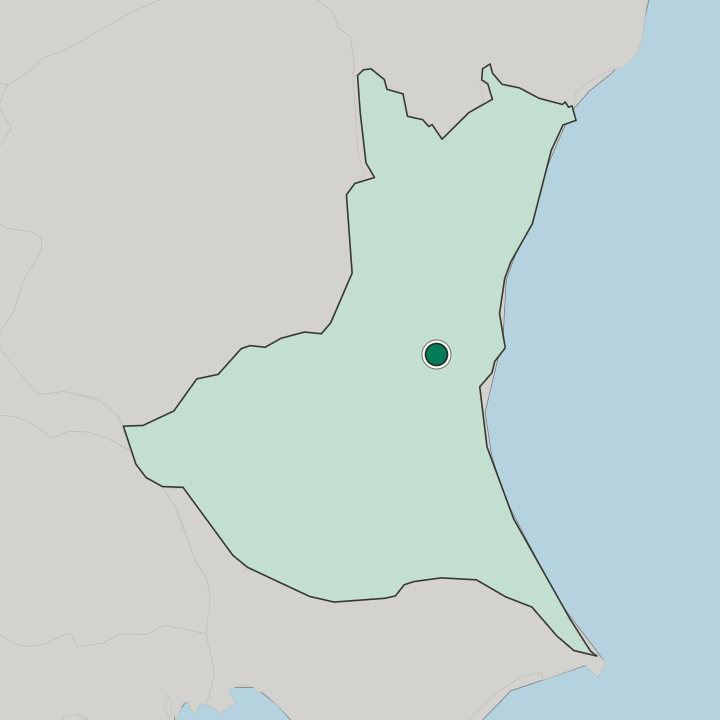
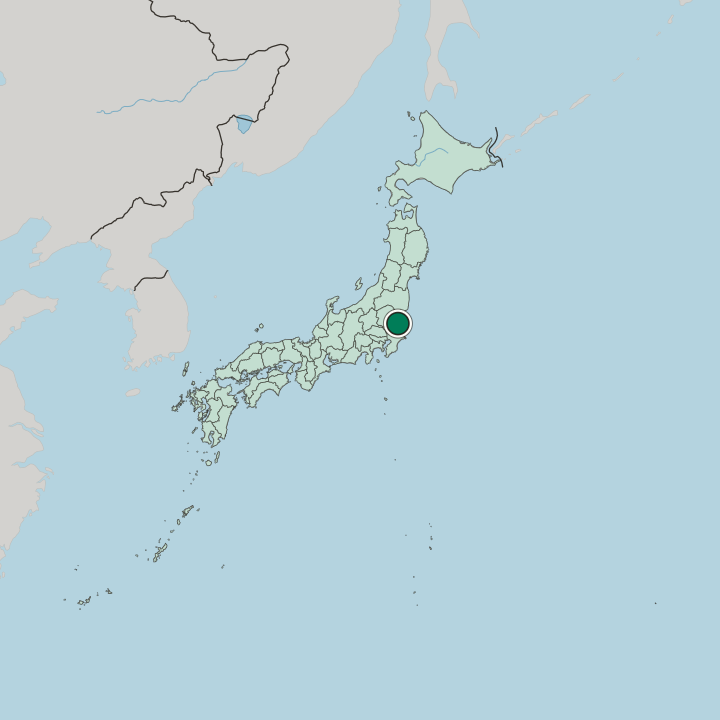
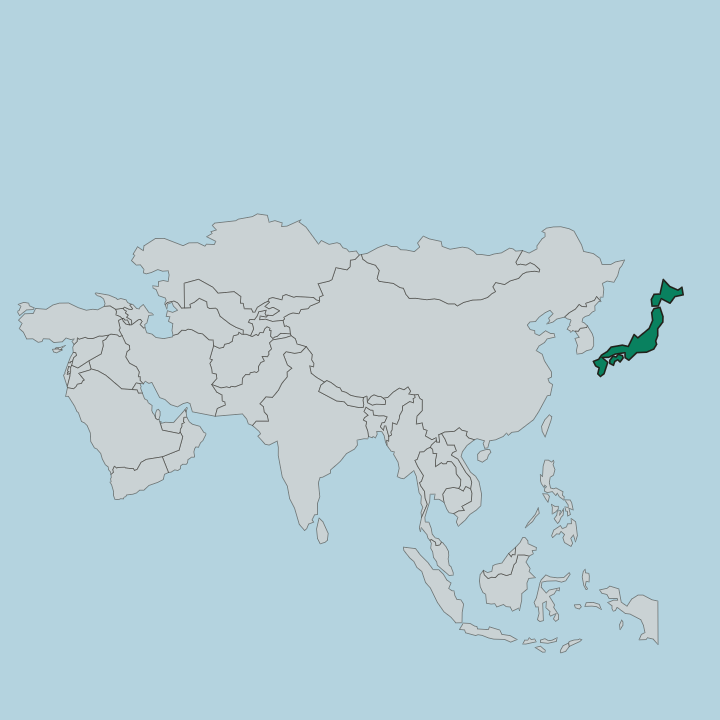
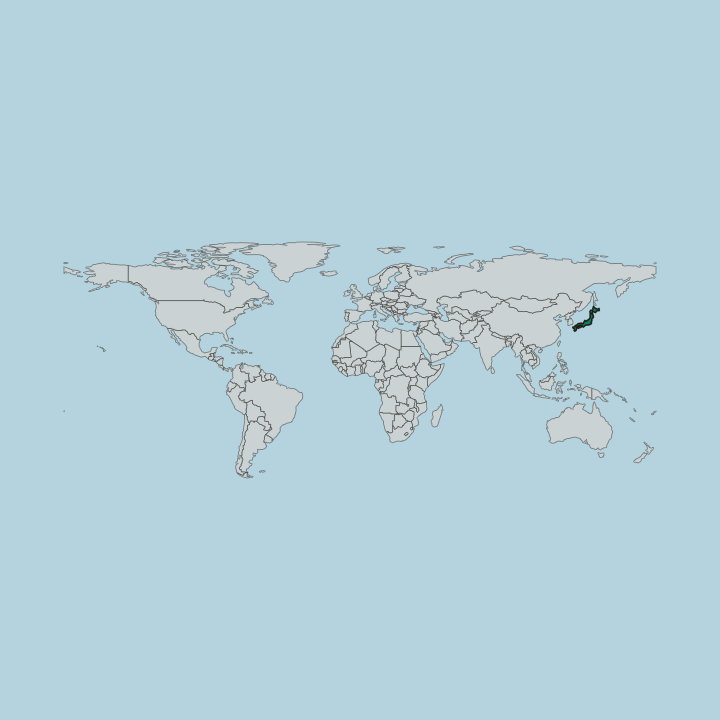
Mito lies in the centre of Ibaraki Prefecture, in the northern Kantō region of Japan, on a low ridge above the Naka River. Nothing here climbs steeply. Lake Senba spreads below the western slope, and past the built-up ground the plain runs flat and farmed toward Ishioka and Chikusei without a hill worth the name.
The coast is not far east. Plum slopes hold the one real rise inside the city.
What is the climate of Mito?
Mito warms early enough for the plums at Kairakuen to open while the rest of northern Kantō is still cold. Winters run dry and clear. Cold air slides down over the plain from the north, and the days turn hard and bright with frost on the lake path, though heavy snow rarely reaches this far toward the coast.
Summer is the wet half. Humid weeks and the storms that come up the coast in late summer break over Lake Senba and the ridge.
How do you get to Mito?
Mito sits on the trunk line that runs north out of the Kantō plain, and its station is the transport hub of Ibaraki Prefecture. Limited expresses come in from the south. Local trains and buses spread from the same forecourt toward Ishioka, Mooka and Chikusei, while the expressway carries the coaches and the cars in on the eastern side of the city.
Drivers leave the highway there. The Kōdōkan and the castle ground stand a short walk from the ticket gates.
Common questions
What is the best area to stay in Mito?
The castle ground: One day on foot around the Kōdōkan. Kairakuen: Blossom weeks and early walks on the lake path. The eastern roads: Drivers running on to Ishioka and Mooka.
Good for
More cities in Ibaraki
Updated September 2026