Japan · Ibaraki
Where to Stay in Hitachi-Naka, Ibaraki
Written in hiragana, unusually. Hitachi-Naka in Ibaraki Prefecture holds the Hiraiso Coast, a Takeda clan residence and a burial mound in one city.
Hotel links are affiliate links: booking through them may earn us a commission, at no extra cost to you. It never affects how places are ranked. How this works


Where to stay in Hitachi-Naka
Where visitors usually base themselves, and why.
Hiraiso Coast is one answer, the sports park another. A room near the water puts the coastal edge of Hitachi-Naka within reach and leaves the rest of the city as ground to drive through. The other pull is the Hitachinaka City Sports Park Gymnasium.
Events at the sports park fill beds in a way that nothing else in the city does, and a visitor arriving on the wrong weekend without a booking will discover this the hard way. Nothing here resembles an old town centre, since Hitachinaka was made a city only in 1994 and its streets read accordingly. Check the calendar first.
The old ground lies inland. Torazuka Kofun, the Mawatari Haniwa Production Ruins and the Takeda clan residence are spread across the older part of Hitachi-Naka, none of them close enough to the coast for a single walk to take in both halves of the city. That split is the whole decision.
Anyone here for the burial mound and the haniwa workshops should stay inland and accept a drive to Hiraiso Coast, while anyone here for the water should do the reverse. Either mistake costs a short drive rather than a day.
Find hotels in Hitachi-Naka
Direct booking searches for these neighbourhoods.
The Hiraiso Coast edge
The shoreline is where Hitachi-Naka stops being suburban, so rooms out here trade shops and services for the sound of the sea. Few places to stay nearby — book ahead.Find hotels in The Hiraiso Coast edgeReaching Torazuka Kofun and the Takeda clan residence without a driveThe inland historic side
The mound, the haniwa workshops and the clan house all sit on this older ground, well back from the coast and the sports crowds. Lodging is scarce in this area; reserve in advance.Find hotels in The inland historic sideEvent nights at the Hitachinaka City Sports Park GymnasiumBy the sports park
Fixtures at the sports hall empty the nearby rooms months ahead and leave them wide open on every other weekend.Find hotels in By the sports parkHotel links are affiliate links: booking through them may earn us a commission, at no extra cost to you. It never affects how places are ranked. How this works
About Hitachi-Naka
The hiragana spelling is the first oddity.
What is Hitachi-Naka known for?
Hitachinaka writes its name with the hiragana syllabary instead of the traditional kanji, a choice that puts it in a small group of Japanese cities and tells a visitor something about when it was formed. Antiquity is the other claim. Torazuka Kofun is a burial mound, the Mawatari Haniwa Production Ruins mark where haniwa were made, and the Hiraiso Coast gives the city its edge on the water.
What are the main landmarks in Hitachi-Naka?
Start with the mound. Torazuka Kofun survives inside a built-up city, the sort of survival that takes deliberate protection rather than luck, and the Mawatari Haniwa Production Ruins preserve the ground where haniwa were made. The Takeda clan residence is later.
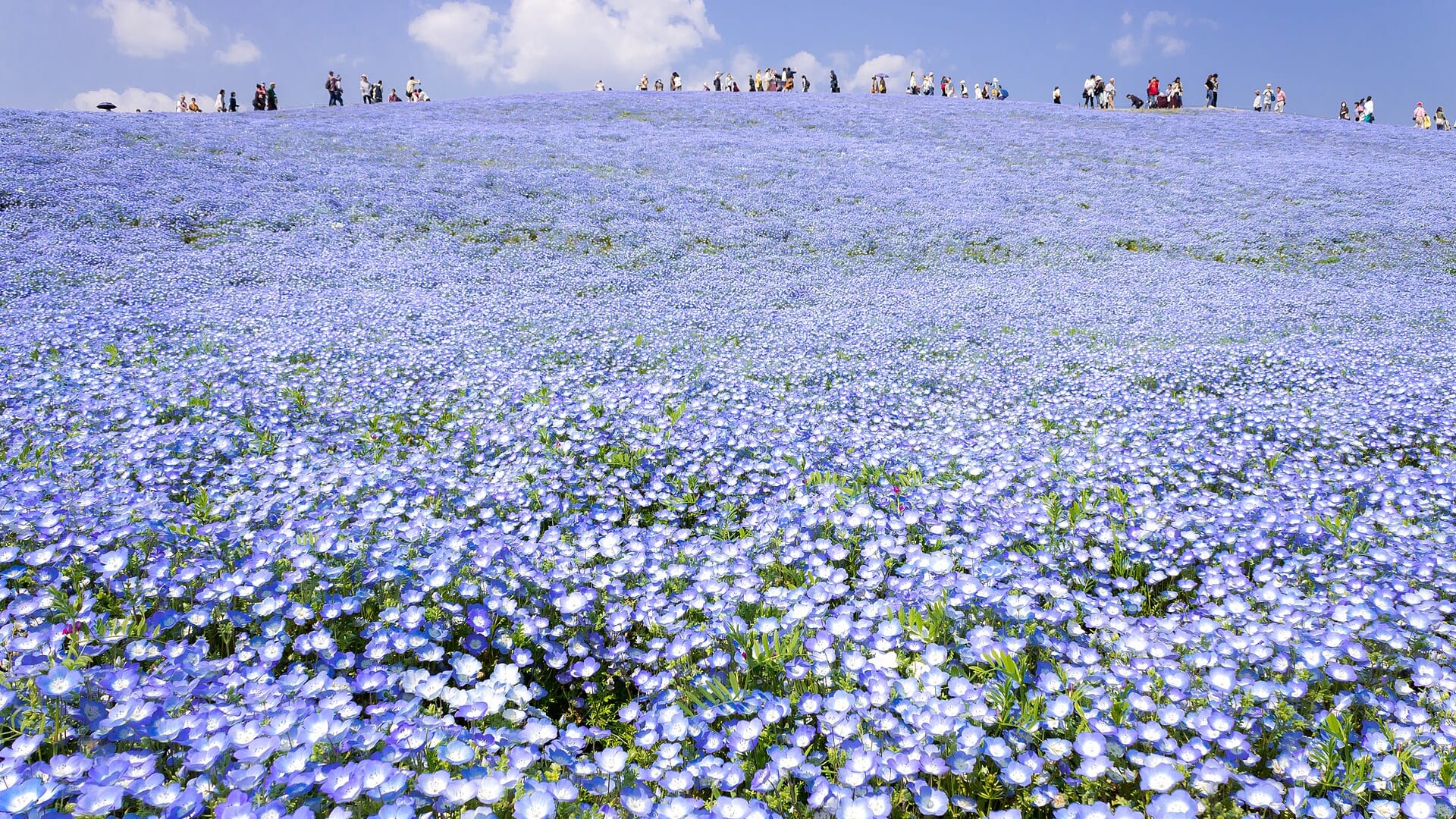
Hiraiso Coast closes the list, the one landmark here that nobody built, and it draws people who would not cross Ibaraki Prefecture for an archaeological site.
What is the history of Hitachi-Naka?
Burial came first. Torazuka Kofun belongs to an era when the people of this coast raised mounds over their dead, and the Mawatari Haniwa Production Ruins preserve the workshops that turned out clay figures on the same ground. Clay and earth are what survive from that time, and both are represented within a short distance of one another in Hitachi-Naka.
Both predate everything else here. The Takeda clan residence brings the record forward to a period of named families and defended houses, a different kind of evidence entirely. Hiraiso was there through all of it, its outline unchanged while the settlements behind the shore came and went.
The city itself arrived in 1994. Hitachinaka is younger than most of what it contains, and its hiragana name belongs to the same modern moment, marking it out from older Ibaraki Prefecture municipalities on every road sign. Modern building followed.
Hitachinaka City Sports Park Gymnasium belongs to this last phase, and it sits a long way in spirit from the mound and the kiln ground. Ibaraki gained a city of about a hundred square kilometres, with the old ground of the kofun inside its boundary and the water at Hiraiso Coast on its edge.
Where is Hitachi-Naka?
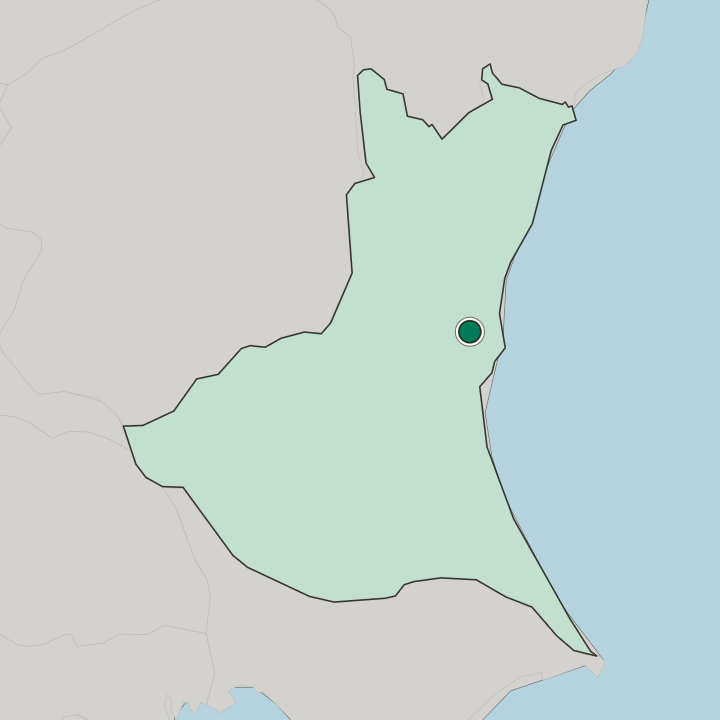
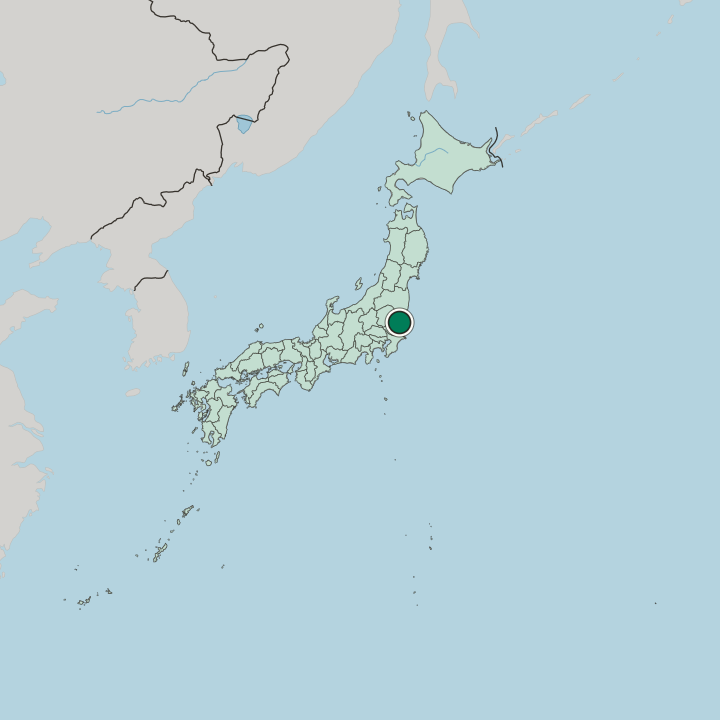
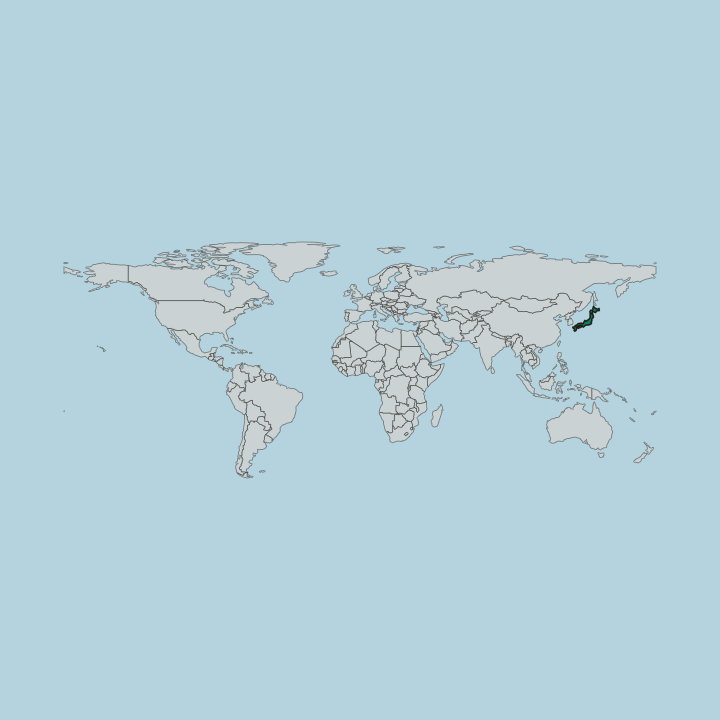
Water bounds one side. Hiraiso Coast gives Hitachi-Naka its shoreline, and the rest of a hundred square kilometres runs inland through built-up ground dense enough that the older sites survive as pockets within it. Ibaraki Prefecture surrounds the rest.
Torazuka Kofun and the Takeda clan residence sit on that inland ground, while the Hitachinaka City Sports Park Gymnasium occupies a broad site well back from the water.
What is the climate of Hitachi-Naka?
Hiraiso Coast moderates the edge. Open water beside Hitachi-Naka keeps the shoreline steadier than the inland streets, so a summer afternoon at the coast is a different proposition from one spent among the built-up blocks behind it. The temperate band does the rest.
Ibaraki Prefecture gets four distinct seasons, and outdoor sites like Torazuka Kofun and the Mawatari Haniwa Production Ruins reward the cooler halves of the year rather than high summer.
How do you get to Hitachi-Naka?
Events set the traffic. Hitachinaka City Sports Park Gymnasium draws crowds that arrive together and leave together, which is the one pattern of arrival here that a visitor can plan around. Everything else comes by road.
Hitachi-Naka is compact enough that the Hiraiso Coast, Torazuka Kofun and the Takeda clan residence can all be reached from a single base in Ibaraki Prefecture without a long day at the wheel.
Common questions
What is the best area to stay in Hitachi-Naka?
The Hiraiso Coast edge: Mornings on the water at Hiraiso rather than in traffic. The inland historic side: Reaching Torazuka Kofun and the Takeda clan residence without a drive. By the sports park: Event nights at the Hitachinaka City Sports Park Gymnasium.
Good for
More cities in Ibaraki
Updated September 2026