Japan · Ibaraki
Where to Stay in Koga, Ibaraki
Koga is an inland Ibaraki Prefecture city whose short heritage list runs from the Koga Machikado Art Museum to two excavated sites on its outskirts.
Hotel links are affiliate links: booking through them may earn us a commission, at no extra cost to you. It never affects how places are ranked. How this works


Where to stay in Koga
Where the beds are, and what that means for the visit.
The museum streets are the obvious base. A room near the Koga Machikado Art Museum leaves the Engravings Museum and the Former Tobita Family Residence within an easy walk, which covers three of the five things this city keeps and asks nothing of a car. Koga rewards slow walking.
Its heritage is domestic in scale rather than monumental, so the reward comes from spending an unhurried morning inside a residence and two small museums rather than from ticking off a skyline. Tobita is the name to look for. The residence carries it, and a building of that kind gives a visitor the clearest sense of how a household of the old Koga-machi actually lived.
Outer ground works differently. Hondayama Site and Kawadodai Site lie away from the built-up middle, and a base towards the edge of the municipality suits anyone whose interest is the archaeology rather than the galleries. That leg needs its own transport.
The two excavated sites are the part of Koga least served by the walkable centre, and a stay pitched towards them trades café frontage for quiet and space. Ibaraki Prefecture supplies bigger alternatives. One night here fits neatly inside a longer route across Ibaraki Prefecture, because the Engravings Museum, the residence and both sites can be seen between breakfast and an early dinner without any of it feeling rushed.
Find hotels in Koga
Direct booking searches for these neighbourhoods.
The Machikado museum streets
Both museums and the Former Tobita Family Residence sit inside one unhurried walkFind hotels in The Machikado museum streetsArchaeology-led stays reaching Hondayama Site and Kawadodai SiteThe excavated outskirts
The ground holding Kawadodai Site lies out beyond the walkable museum quarter. Rooms are few around here — worth securing early.Find hotels in The excavated outskirtsHotel links are affiliate links: booking through them may earn us a commission, at no extra cost to you. It never affects how places are ranked. How this works
About Koga
Two museums, two dug sites.
What is Koga known for?
The Koga Machikado Art Museum and the Engravings Museum give this city a cultural pairing that few municipalities of comparable size in Ibaraki Prefecture manage to assemble, and the Former Tobita Family Residence supplies the domestic half of the same record. Underneath all of it lie Hondayama Site and Kawadodai Site. Each site is excavated ground, evidence of people working here long before the name Koga-machi was ever written down.
What are the main landmarks in Koga?
Five entries, none of them large. The Koga Machikado Art Museum and the Engravings Museum carry the art side, the Former Tobita Family Residence preserves one household of the old town, and Hondayama Site with Kawadodai Site hold the archaeological end of the same list. Scale is the point here.
Nothing on this list demands more than an hour, which is why Koga reads as a city to be walked through carefully rather than surveyed from a viewpoint.
What is the history of Koga?
Excavation gives the first chapter. Hondayama Site and Kawadodai Site record occupation of this ground in a period that left no writing, and everything later in the city has been built over or beside that layer without ever erasing it. The evidence stayed buried a long time.
Only through digging did either site become part of the story a visitor can be told, which is why both sit slightly apart from the way the city presents itself. Koga-machi is the name that came next. The year 1889 fixed it as a town under the modern municipal system, one of many across Japan created in that reorganisation, and Ibaraki Prefecture has held the place within its boundaries ever since.
Families gave the town its shape. The Former Tobita Family Residence survives from that order, and a domestic building of that age is a rarer inheritance than any public monument because households rebuild far more often than institutions do. Tobita is the only family name the record keeps here.
Culture arrived last, in the form of the Engravings Museum and the Koga Machikado Art Museum, which turned a working municipality into somewhere with a reason to stop.
Where is Koga?
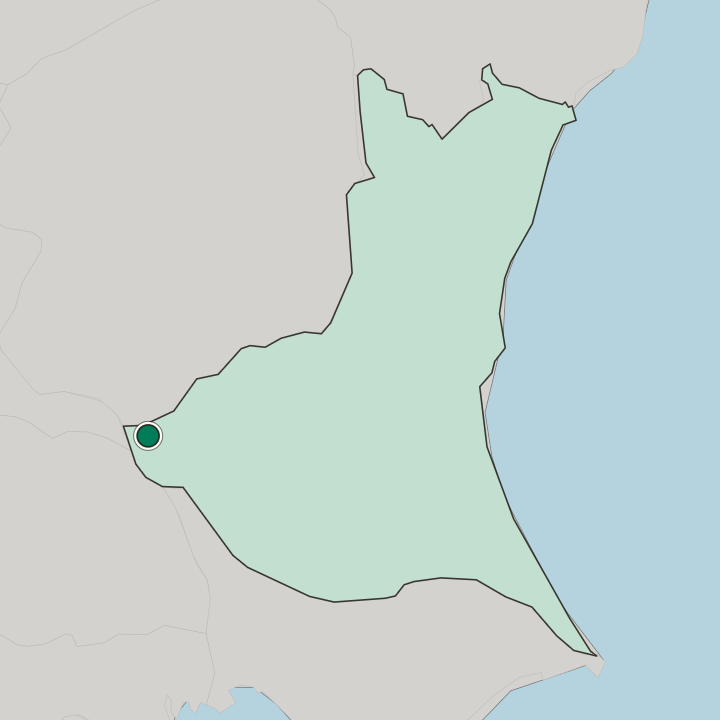
No coastline, no mountains. Koga occupies a wide inland stretch of Ibaraki Prefecture where the built-up area sits close-packed at the middle and thins towards field ground carrying Hondayama Site and Kawadodai Site at the edges. Crossing Koga costs little time.
The Engravings Museum and the Koga Machikado Art Museum belong to the dense part, which is where the city concentrates almost everything a visitor would want.
What is the climate of Koga?
Inland ground sets the terms in Koga. With no sea close enough to moderate the swing, summer heat builds through the afternoon and winter mornings run sharper than they would on the coast, though the temperate band keeps both ends well short of punishing. Spring and autumn are the walking seasons.
Crossing between the Engravings Museum and the Former Tobita Family Residence is a very different task in August.
How do you get to Koga?
Most people reach Koga on the way to somewhere else, which suits a city whose whole list can be seen in a day and whose position inside Ibaraki Prefecture puts it on routes that were running anyway. Arrive early if walking. The Koga Machikado Art Museum, the Engravings Museum and the Former Tobita Family Residence cluster tightly enough for one continuous circuit, while Kawadodai Site needs its own leg.
Plan that separately.
Common questions
What is the best area to stay in Koga?
The Machikado museum streets: Walking days between the Koga Machikado Art Museum and the Engravings Museum. The excavated outskirts: Archaeology-led stays reaching Hondayama Site and Kawadodai Site.
Good for
More cities in Ibaraki
Updated September 2026