Japan · Ibaraki
Where to Stay in Kamisu, Ibaraki
Sport and a shell mound. Kamisu in Ibaraki Prefecture pairs the Kashima Soccer Museum with prehistoric ground at Atamadai.
Hotel links are affiliate links: booking through them may earn us a commission, at no extra cost to you. It never affects how places are ranked. How this works


Where to stay in Kamisu
Where visitors usually base themselves, and why.
Kashima Sports Center sets the pattern. Rooms in Kamisu fill around fixtures and empty again afterwards, which makes the sporting calendar a better guide to availability than any season, and a visitor who ignores it can find a small city unexpectedly full. The Kashima Soccer Museum is the fixed point.
The museum does not depend on the fixture list, and a stay chosen near it covers both buildings on foot. Both carry the Kashima name and the same subject. Kamisu was constituted in 1955, and its layout owes more to that modern century than to anything older, which is why the built-up parts feel spread out rather than gathered around a centre.
Atamadai is the alternative. A base on that side of Kamisu trades the sports crowd for quiet, and the shell mound is the only thing anyone comes to see there, which keeps evenings predictable. Nothing else competes for attention.
Kamisu covers close to a hundred and fifty square kilometres of Ibaraki Prefecture, most of it neither sporting nor archaeological, so the practical question is simply how close a bed sits to one of the three places worth the trip. Decide that and the rest follows.
Find hotels in Kamisu
Direct booking searches for these neighbourhoods.
By the Kashima Sports Center
Rooms beside the sports complex are taken by whoever is playing, and the Kashima Soccer Museum folds into the same short walk.Find hotels in By the Kashima Sports CenterNights near the shell mound instead of the standsThe Atamadai side
Atamadai lies away from the fixture traffic on the oldest inhabited ground in Kamisu, where an evening has nothing scheduled in it. Few places to stay nearby — book ahead.Find hotels in The Atamadai sideHotel links are affiliate links: booking through them may earn us a commission, at no extra cost to you. It never affects how places are ranked. How this works
About Kamisu
Football does most of the work.
What is Kamisu known for?
The Kashima Soccer Museum and the Kashima Sports Center give Kamisu whatever sporting profile it has, and they account for most of the reasons a stranger turns up. Atamadai Shell Mound is the counterweight. The mound records eating and living on this ground long before any of the sports buildings existed, which makes it the oldest thing the city can point to.
What are the main landmarks in Kamisu?
Three names cover it. Atamadai Shell Mound, the Kashima Soccer Museum and the Kashima Sports Center are the whole list, and a city that admits to three landmarks is at least being honest about what it has. The mound is the old one.
Kashima Sports Center handles the crowds, the museum handles the memory of them, and between the two they explain why anyone books a room in Kamisu at all.
What is the history of Kamisu?
The shell mound is the whole ancient record. Atamadai Shell Mound marks a site where people lived off what they could gather here long enough to leave a deposit behind, and it is the only pre-modern thing the city lists among its landmarks. Everything else is recent.
Kamisu was constituted in 1955, and Kamisu Village is the name that appears in the formal record. Nothing in the city's own list of landmarks falls between the shell mound and the twentieth century. Sport supplied the modern chapter.
Kashima Sports Center and the Kashima Soccer Museum belong to the modern city rather than to any older settlement, and they have carried the name of Kamisu further than anything else here has managed. The museum is a record in itself. It exists to hold the history of a game rather than of a town, which is an unusual thing for a small city to hold, and it means the best-documented past in Kamisu is not the city's own.
Kamisu carries a mid-century founding date, which places it among the newer municipalities of Ibaraki Prefecture rather than the historic ones. Atamadai remains the exception.
Where is Kamisu?
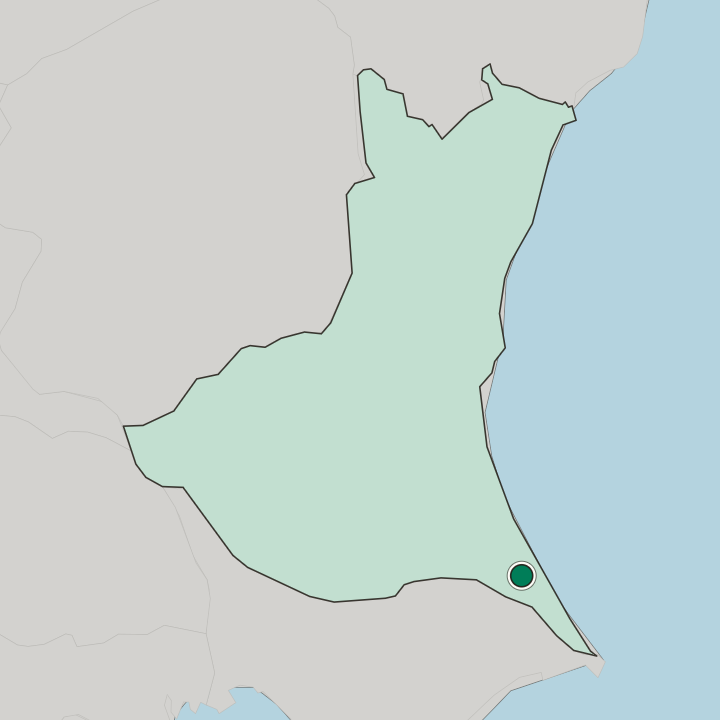
Flat ground, and plenty of it. Kamisu takes up close to a hundred and fifty square kilometres of Ibaraki Prefecture, spread widely enough that its three landmarks sit well apart from one another. Atamadai holds the older ground.
The Kashima Sports Center and the Kashima Soccer Museum occupy the developed side, and between the two poles the city spreads over ground that carries neither.
What is the climate of Kamisu?
Atamadai is an outdoor stop. A shell mound in the temperate band of Ibaraki Prefecture is best walked in the cooler months, when an hour spent outdoors is not an endurance test. Indoors the calendar matters less.
The Kashima Soccer Museum and the Kashima Sports Center work in any weather, which is why a wet week in Kamisu costs a visitor less than it would in a city built around its outdoors.
How do you get to Kamisu?
Fixtures fill the roads. Arrivals in Kamisu cluster around whatever is on at the Kashima Sports Center, so a quiet Tuesday and a match day are two different cities as far as traffic is concerned. Otherwise it is a driving city.
Atamadai Shell Mound and the Kashima Soccer Museum sit far enough apart that a visitor without a car will spend more of the day travelling between them than looking at either.
Common questions
What is the best area to stay in Kamisu?
By the Kashima Sports Center: Fixtures and tournaments at the Kashima Sports Center. The Atamadai side: Nights near the shell mound instead of the stands.
More cities in Ibaraki
Updated September 2026