Kenya
Kilifi, Kenya — Towns & Travel Guide
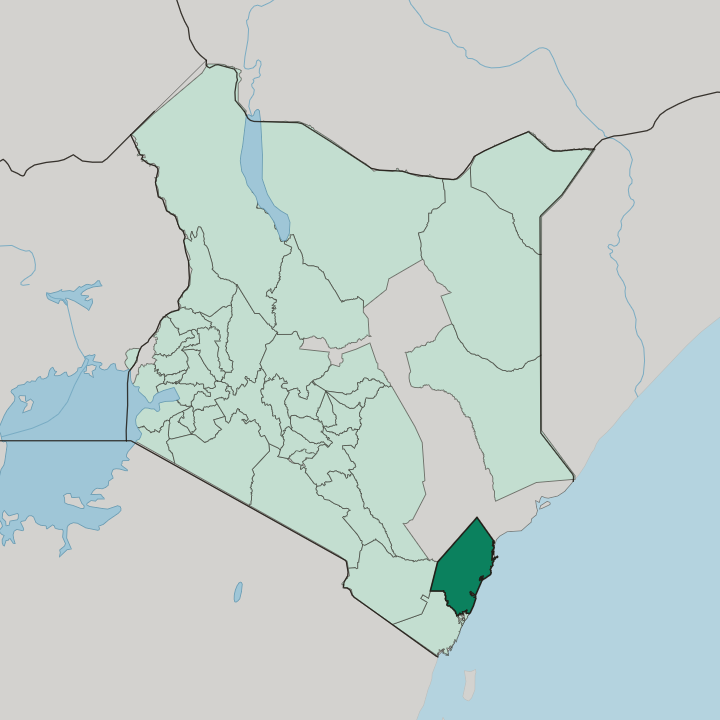
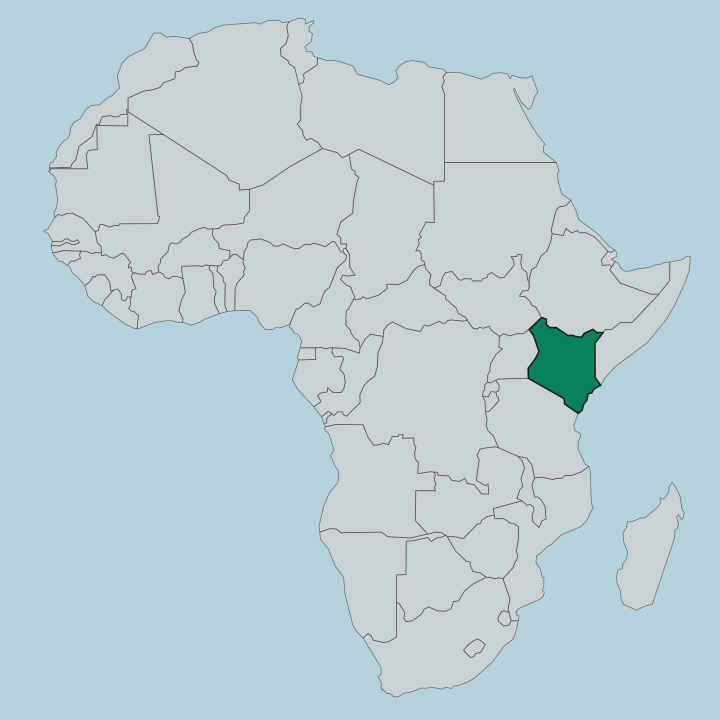
Kilifi is Kenya's Indian Ocean coast county north of Mombasa, holding the beach resorts of Watamu and Malindi and old Swahili ruins.
Hotel links are affiliate links: booking through them may earn us a commission, at no extra cost to you. It never affects how places are ranked. How this works


Towns & cities in Kilifi
One town here has its own guide — it links to where to stay.
 Kenya
Kenya
Malindi
Malindi is a town of the Kenyan coast on the Indian Ocean, an old Swahili port marked by a pillar of Vasco da Gama, now a favourite Italian beach resort.Where to stay →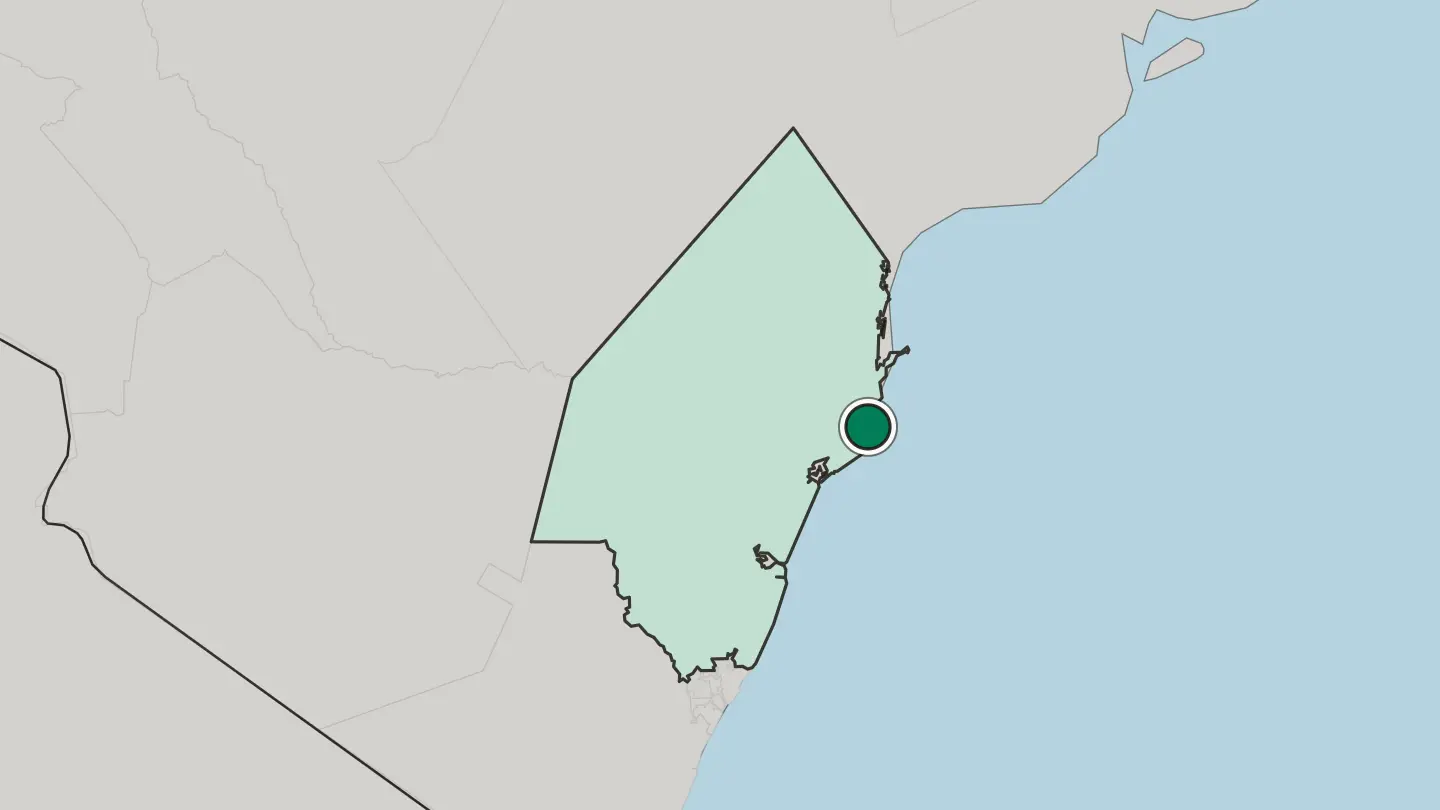
Hotel links are affiliate links: booking through them may earn us a commission, at no extra cost to you. It never affects how places are ranked. How this works
About Kilifi
What is Kilifi known for?
White-sand beaches carry the county's name abroad. Watamu and Malindi front a shoreline of coral reefs and marine parks, where the Watamu Marine National Park protects turtle-nesting sands and reef fish inside a wider biosphere reserve stretching to Mida Creek. Inland stand the coral-stone ruins of Gede, a Swahili town swallowed by the Arabuko-Sokoke Forest.
Cashew nuts and coconuts fill the farms. Dhows still work the tidal water of Kilifi Creek.
Where is Kilifi?
Kilifi runs along the Indian Ocean coast of Kenya, beginning just north of Mombasa and reaching up the shore toward the mouth of the Sabaki River. The land climbs inland in steps. A narrow coastal plain, only a few kilometres wide in places, gives way to a foot plateau, a low coastal range, and finally the dry Nyika hinterland of grass and thorn scrub that stretches west toward Tsavo.
Tides shape the edge. Long creeks bite into the coast, and mangrove forest lines their banks. White sand and offshore coral run almost the whole length.
Kilifi town stands where the Goshi River empties into Kilifi Creek, a deep tidal inlet crossed by a single high bridge. Mangroves choke its banks. To the south lies Mida Creek, a tangle of tidal channels linked to the reefs of the Watamu Marine National Park.
The Sabaki River, the seaward end of the long Galana, pours red silt into the ocean just north of Malindi. Behind the beaches spreads the Arabuko-Sokoke Forest, the largest surviving block of coastal forest in East Africa. Mombasa sits close to the southern edge, an hour's drive down the coast road.
What is Kilifi like?
Two cultures share this coast. Along the water lie the old Swahili towns, Muslim and outward-facing, their language Kiswahili born of centuries of trade between Africa and the monsoon ports of Arabia and India. Behind them live the Mijikenda, nine related Bantu peoples whose largest group here, the Giriama, farm the ridges inland.
The Mijikenda keep sacred groves called kaya, patches of old forest that once sheltered their fortified villages and still hold their shrines. Ancestors matter. Carved wooden memorial posts, the vigango, stand for the Giriama dead.
Ruined coral mosques mark the old Swahili ports. Daily life turns on the sea and the palm. Fishermen sail dhows out through the reef, coconut and cashew groves feed the markets, and the coconut crowns are tapped for palm wine called mnazi.
Malindi adds a stranger thread. Italians settled there in numbers after independence, opening pizzerias and gelaterias until the town earned the nickname Little Italy, and Italian is heard on its streets beside Kiswahili and Giriama. Music and dance run through weddings and festivals, from Swahili taarab to the drum-driven chakacha of the coast.
It is a layered place.
What is the history of Kilifi?
Trade built the coast. Coral-stone towns such as Gede and Mnarani grew prosperous on Indian Ocean commerce between the 13th and 17th centuries, then emptied as Oromo raiders pressed down from the north and wells failed. When Vasco da Gama anchored at Malindi in 1498, its sultan gave him a pilot for the crossing to India, and a stone pillar still marks the landing.
Portuguese, Omani and finally British rule followed on this shore. The modern county took shape in 2013, when Kenya devolved power to its counties.
What is the climate of Kilifi?
Every month here is a hot one. Kilifi lies in the tropics, and the Indian Ocean keeps it warm and humid the year round rather than cold in any season. Two monsoons set the rhythm.
The kaskazi blows hot and dry from the north-east from around November, while the kusi brings cooler, wetter air off the ocean from about April. Long rains fall between March and May, short rains around November. Mornings on the coast stay muggy; the sea breeze is the relief.
How do you get to Kilifi?
Nearly all arrivals come through Mombasa. Its Moi International Airport takes the long-haul and regional flights, and the standard-gauge railway from Nairobi ends there too. From Mombasa the coast highway runs north, crossing the Kilifi Creek bridge and threading the beach towns on its way to Malindi, which keeps its own small airport for domestic hops.
Buses and matatus work the same road. The last stretch to Watamu leaves the highway for the shore.
Common questions
What is the best area to stay in Kilifi?
Watamu: reef diving and turtle beaches. Malindi: kitesurfing and an Italian table. Kilifi town: creekside sailing and quiet. Mtwapa: late nightlife near Mombasa.
Good for
More regions in Kenya
Updated September 2026