Poland · Lesser Poland Voivodeship · Kraków
Branice, Kraków — Area Guide & Where to Stay
Branice is a former village at the east end of Kraków, inside District XVIII Nowa Huta, and the ground from which the House of Branicki took its surname.
Hotel links are affiliate links: booking through them may earn us a commission, at no extra cost to you. It never affects how places are ranked. How this works


Where to stay in Branice
Where visitors usually base themselves, and why.
Branice is a place of low houses, garden plots and one manor park, and Kraków keeps almost none of its hotel stock this far out. The rooms are 14.5 km west. Staying here commits you to the road in, or to the Kraków Przylasek railway stop 2.5 km south-east, which opened on 15 December 2024.
Plac Centralny is 7.3 km back toward the city. What Branice returns for that is a quiet street, a listed manor at the end of ulica Sasanek, and a clear run east out of Kraków.
About Branice
What are the main landmarks in Branice?
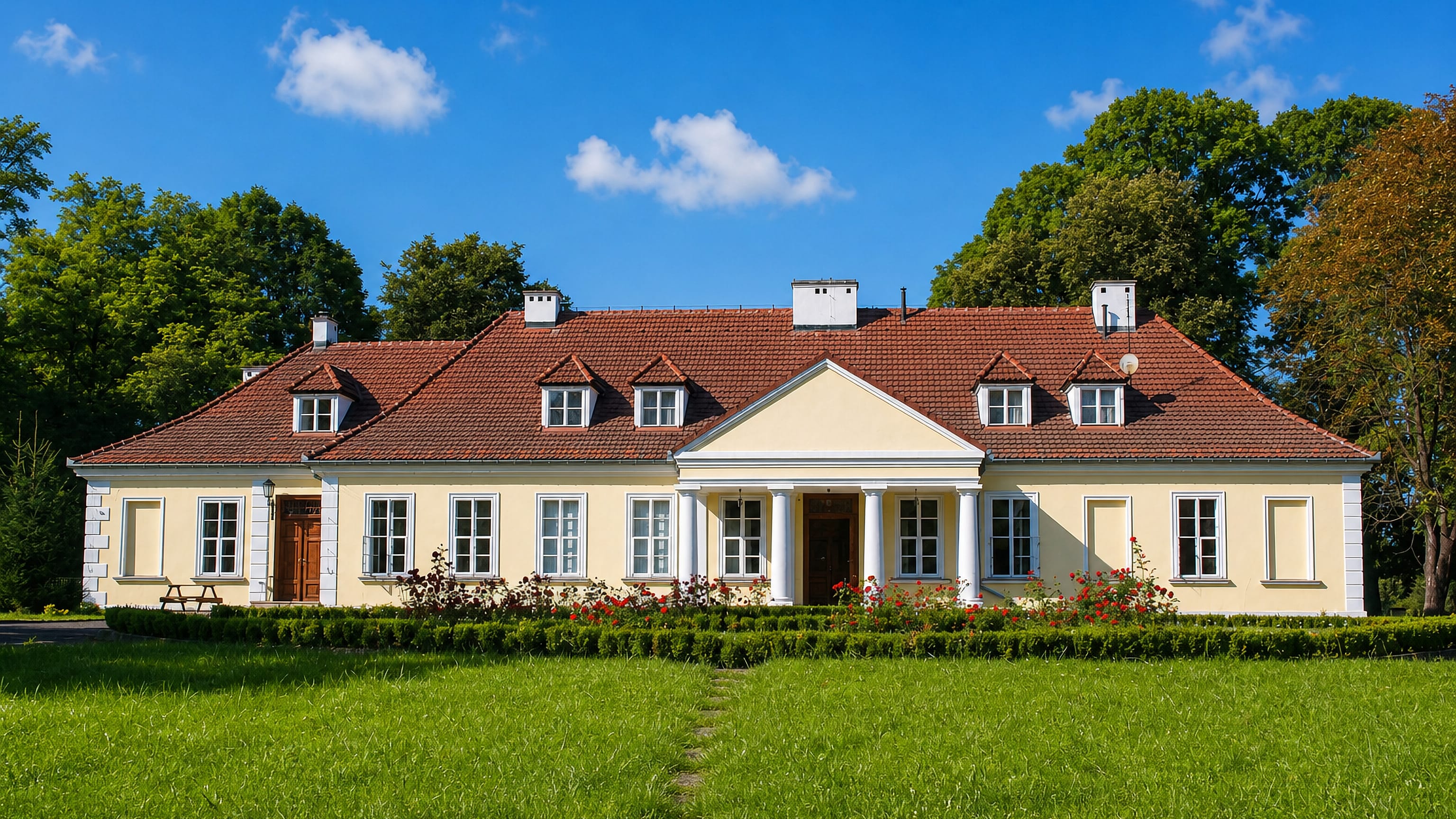
Three listed buildings stand a few hundred metres apart on ulica Sasanek and ulica Deszczowa. Oldest is the Branicki manor, a late-Renaissance lamus finished in 1603 for Jan Branicki and generally credited to Santi Gucci: three storeys on a rectangle of 12 by 10 metres, a parapet attic above, sgraffito worked across the walls, and a Pińczów limestone fireplace cut with the same year. Beside it stands the Badeni manor house in Branice, classicist and registered as eighteenth or nineteenth century, and behind the pair the Granary in Branice closes the group.
Sasanek 2A holds the museum. The Archaeological Museum in Kraków keeps its Nowa Huta and Branice branch in the complex, its permanent exhibition Archaeologists for Nowa Huta open since May 2023, and a terraced park laid out in the Italian manner around 1600 still frames the whole enclosure. The district has no church of its own.
Two stand just outside it, one in Pleszów and one in Ruszcza, each 2.2 km from the centre of Branice; the second is St Gregory the Great, founded around 1420 by Wierzbięta of Branice, whose tomb slab lies inside it.
What is the history of Branice?
The name most likely comes from brana, an old Polish word for a stockade, and the earliest document naming Branice is dated 1250. The Gryfita clan held it; the branch descending from Wierzbięta of Branice took Branicki as a surname and ran a cluster of neighbouring estates from here. In 1360 the village was moved onto Środa law.
A share went briefly to the Wierzynek family, Kraków burghers, in the fifteenth century, and once the Branicki line died out late in the eighteenth the Badenis followed, holding Stryjów, Chałupki, Holendry and Wola Rusiecka along with it. Building the Lenin plant, now the Tadeusz Sendzimir Steelworks, took part of the land between 1949 and 1954. Kraków absorbed the village in 1951.
A subzone of the Kraków Technology Park occupies the northern end.
Where is Branice?
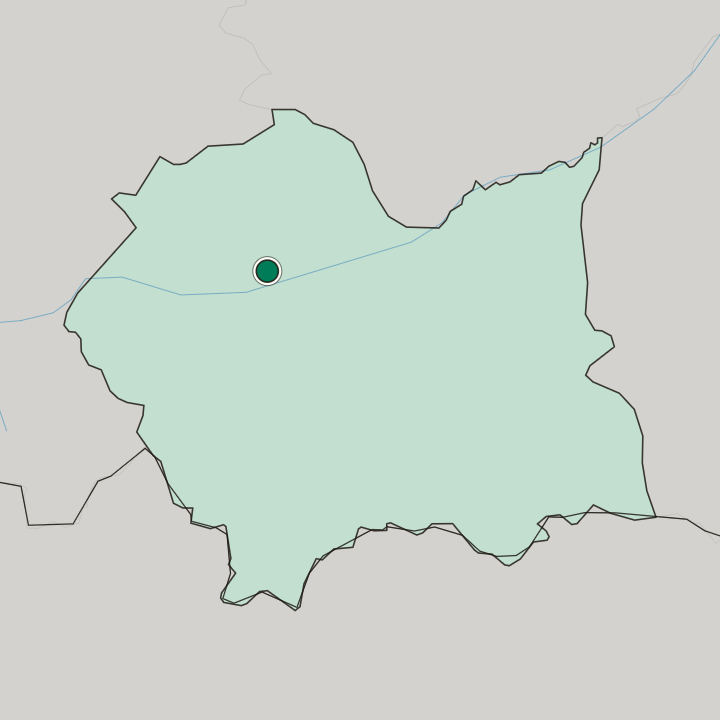
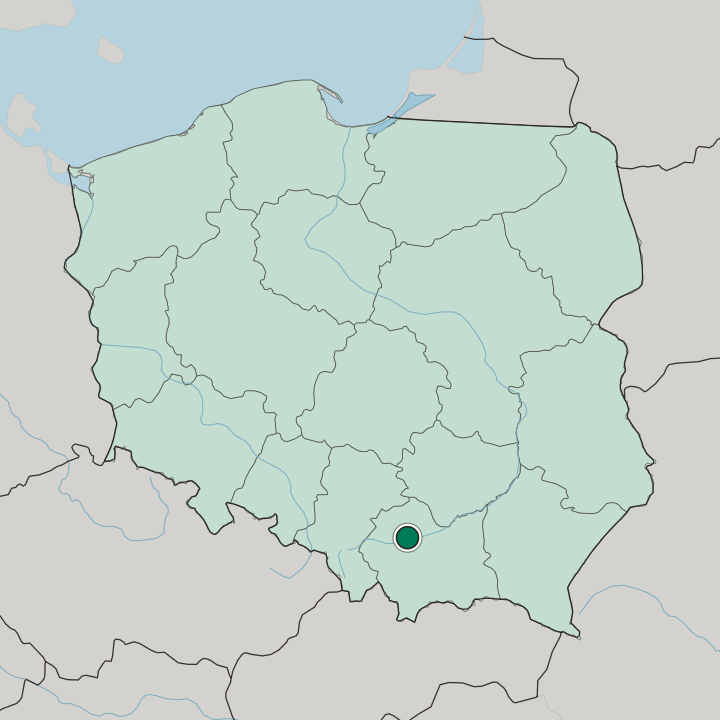
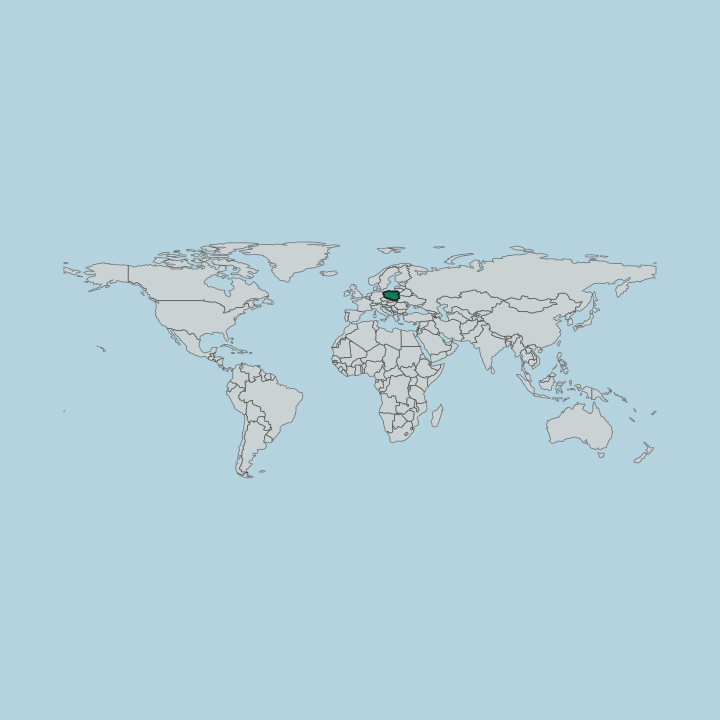
Branice sits 14.5 km east of the Main Market Square and 7.3 km beyond Plac Centralny, at the far end of District XVIII Nowa Huta in Poland, with Ruszcza adjoining to the north-east and Stryjów, once one of its own hamlets, 1.2 km south-east.
More areas in Kraków
Updated October 2026