Poland · Lesser Poland Voivodeship · Kraków
Tyniec, Kraków — Area Guide & Where to Stay
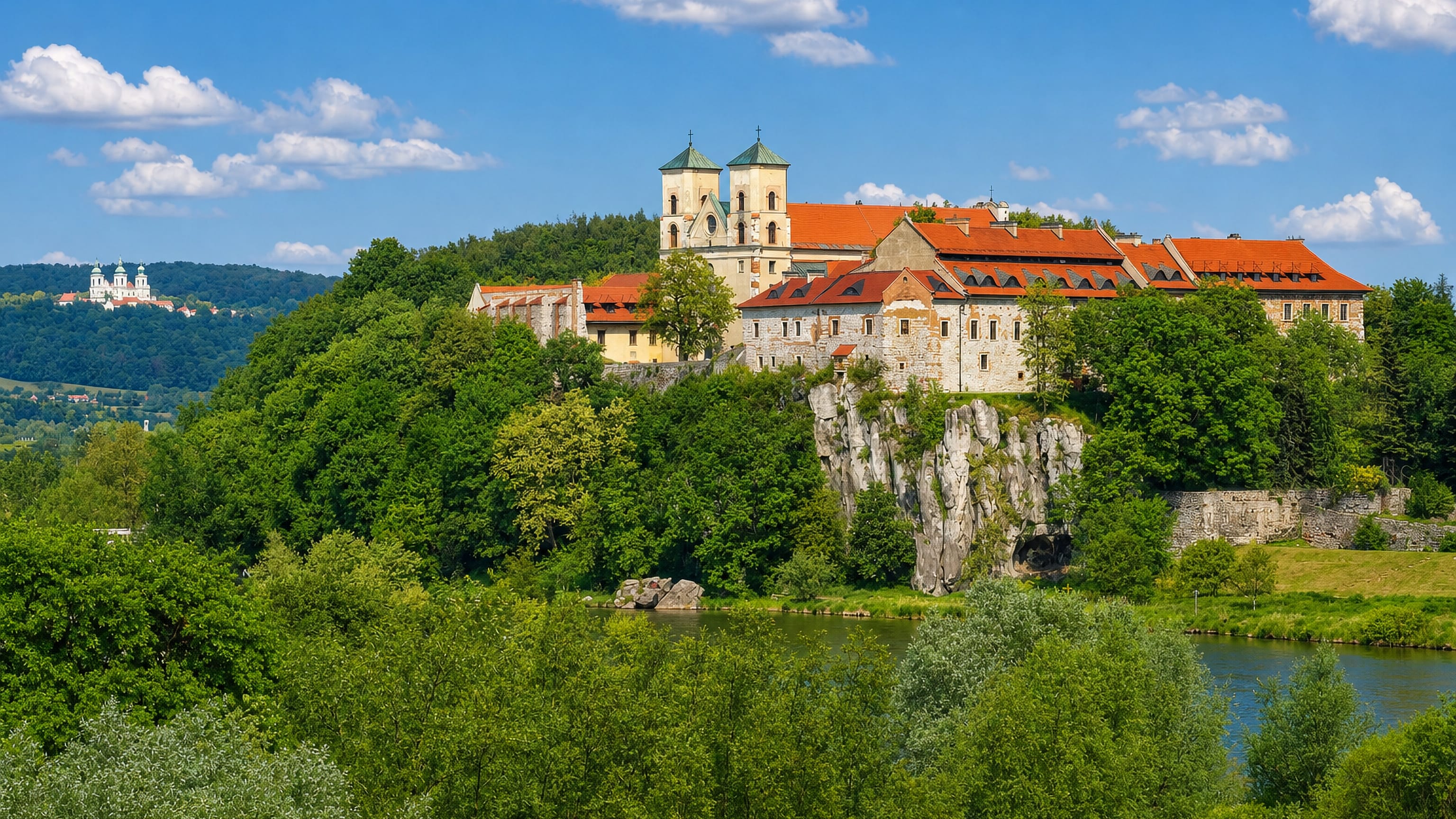
Tyniec Abbey rises beside the Vistula in Tyniec, a historic village that became part of Kraków in 1973.
Hotel links are affiliate links: booking through them may earn us a commission, at no extra cost to you. It never affects how places are ranked. How this works


Where to stay in Tyniec
Where the beds are, and what that means for the visit.
Tyniec Abbey sets the reason to stay out here. The Benedictine house founded by King Casimir the Restorer in 1044 stands on the Vistula, far enough from the Old Town that a night in Tyniec trades street noise for a river bank and a monastery wall. Rooms out by the abbey are scarce. Podgórze and Dębniki sit on the Vistula bank opposite the Old Town, closer to central Kraków, while Saint Casimir church in Kraków-Podgórki Tynieckie marks Podgórki Tynieckie next door.
Find hotels in Tyniec
Direct booking searches for these neighbourhoods.
Tyniec Abbey
Tyniec Abbey, founded in 1044, gives this end of the district a monastery and a river bank in place of a street of shopfronts. Beds are limited here, so book early.Find hotels in Tyniec Abbeythe smaller settlement around Saint Casimir churchPodgórki Tynieckie
Saint Casimir church in Kraków-Podgórki Tynieckie anchors Podgórki Tynieckie, the settlement that shares this edge of Kraków with Tyniec. Lodging is scarce in this area; reserve in advance.Find hotels in Podgórki Tynieckierooms in Dębniki with the Old Town across the VistulaDębniki
Dębniki stands on the Vistula bank opposite Kraków's Old Town, which puts far more beds within reach than Tyniec itself keeps.Find hotels in DębnikiHotel links are affiliate links: booking through them may earn us a commission, at no extra cost to you. It never affects how places are ranked. How this works
About Tyniec
What are the main landmarks in Tyniec?
The abbey carries everything. Tyniec Abbey, a Benedictine foundation of 1044, is the reason the district appears in any account of Kraków, and its site on the Vistula is what visitors come out to see. Two smaller entries follow.
Saint Casimir church in Kraków-Podgórki Tynieckie serves Podgórki Tynieckie, and Rządcówka is listed as a steward's house that later became a presbytery.
What is the history of Tyniec?
Kraków took Tyniec in 1973. Before that it stood as a village of its own on the Vistula, and the record reaches much further back, to the Benedictine abbey that King Casimir the Restorer founded in 1044. The abbey outlasted the village.
Tyniec answers to Kraków alongside Podgórze and Dębniki, though the monastic foundation predates that arrangement by many centuries.
Where is Tyniec?
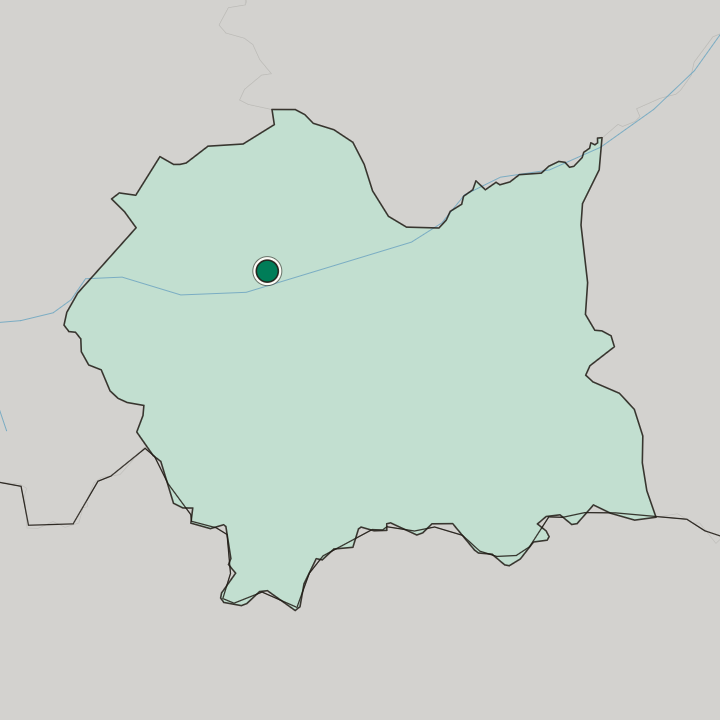
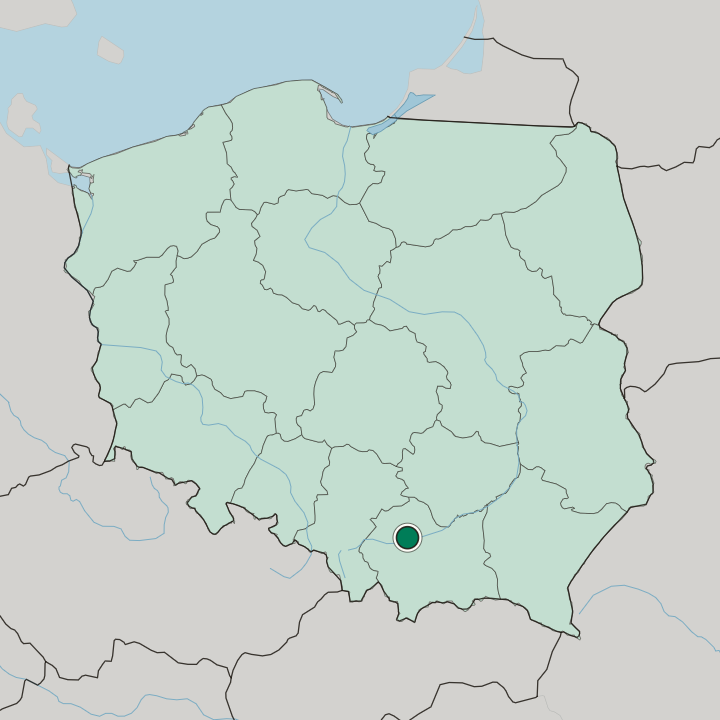
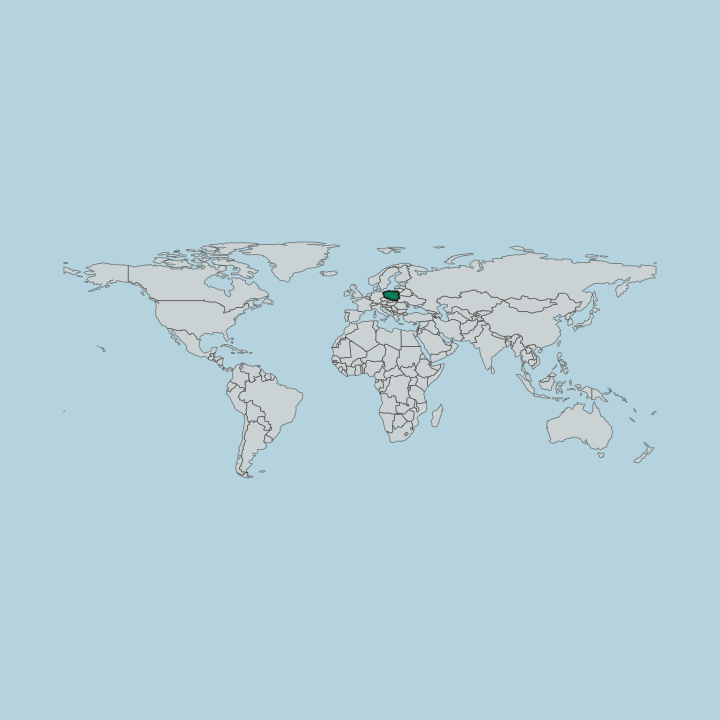
The Vistula runs past Tyniec, one of the districts of Kraków that also include Podgórze and Dębniki, with Podgórki Tynieckie alongside.
Common questions
What is the best area to stay in Tyniec?
Tyniec Abbey: nights under the Benedictine house on the Vistula. Podgórki Tynieckie: the smaller settlement around Saint Casimir church. Dębniki: rooms in Dębniki with the Old Town across the Vistula.
Good for
More areas in Kraków
Updated October 2026