Russia
Bryansk Oblast, Russia — Towns & Travel Guide


Towns & cities in Bryansk Oblast
Pick a town or city — each links to where to stay.
 Russia
Bryansk
Bryansk stands on the wooded hills above the Desna River, a city in Bryansk Oblast known for the Kurgan Bessmertiya and its old riverside churches.Where to stay →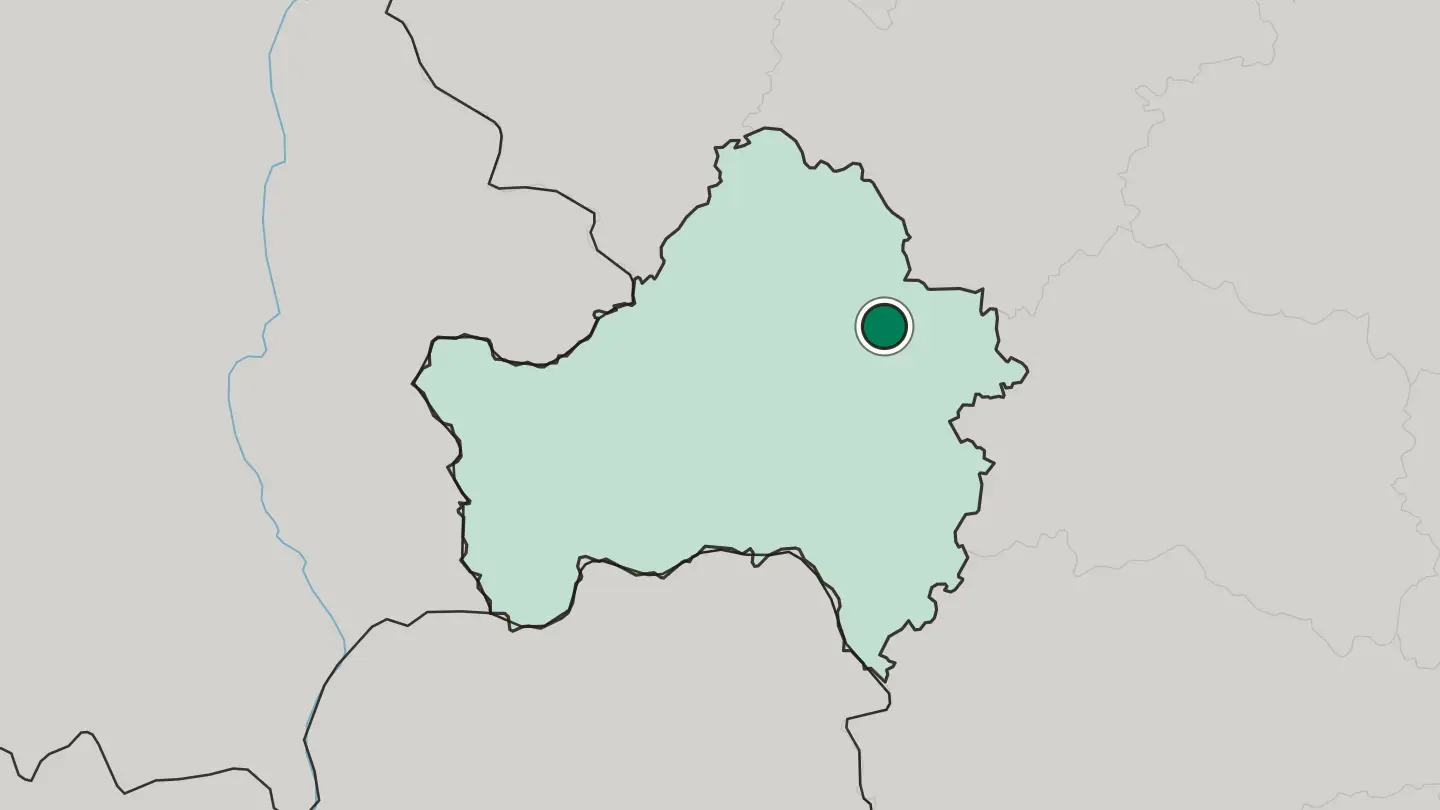 Russia
Klintsy
Klintsy is a town of Bryansk Oblast on the Turosna River, founded in 1707 and marked by the Transfiguration Church.Where to stay →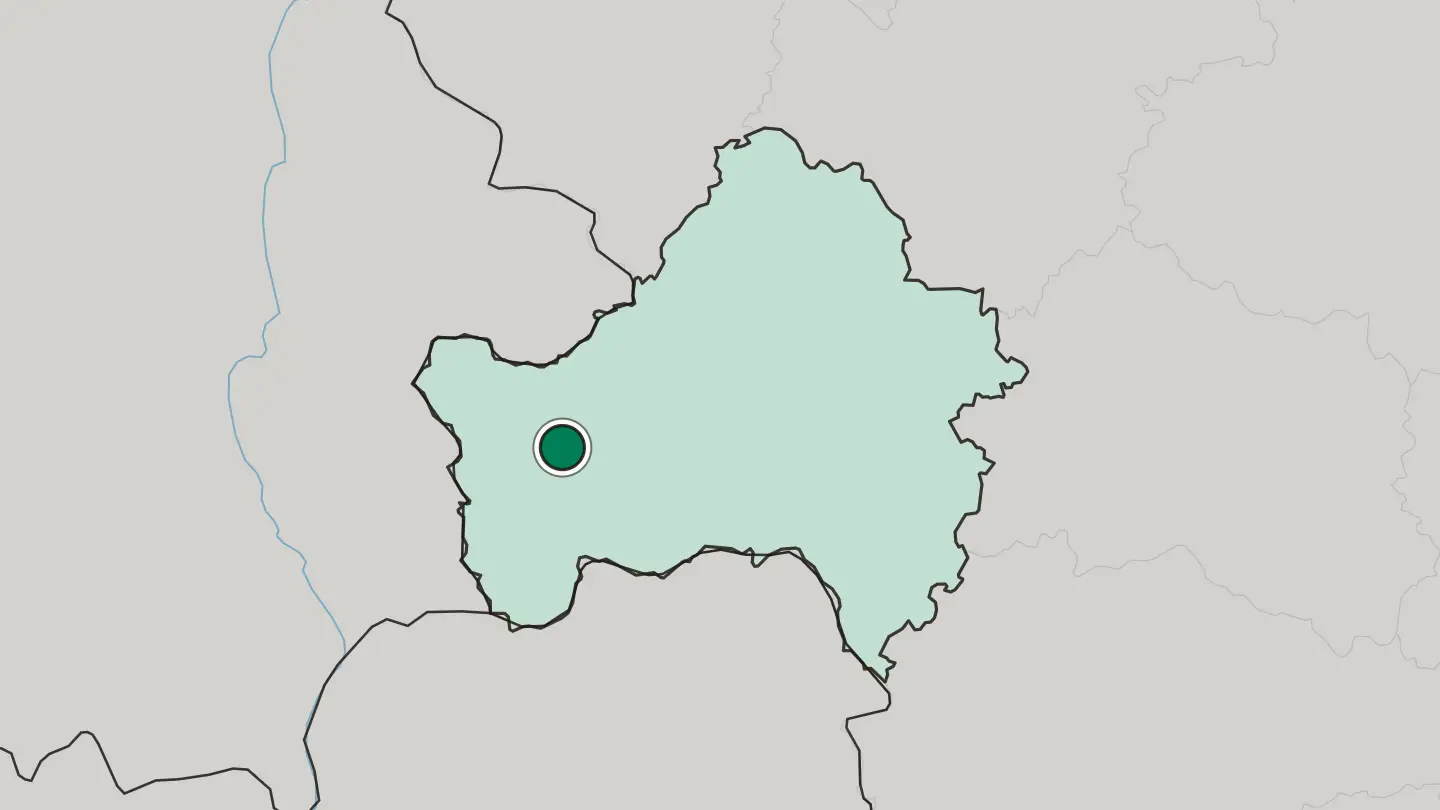
About Bryansk Oblast
Forest defines it.
What is Bryansk Oblast known for?
The Bryansk Forest spreads across the region's south, and its protected core near Trubchevsk is the only place in Europe where all ten European woodpecker species nest. Bryansk stands on the Desna as the administrative centre, a railway city where lines fan out toward Moscow, Gomel in Belarus, and Kyiv. Those same woods sheltered tens of thousands of partisans against the German occupation, and the poet Fyodor Tyutchev was born at the Ovstug estate a short way north of the city.
Where is Bryansk Oblast?
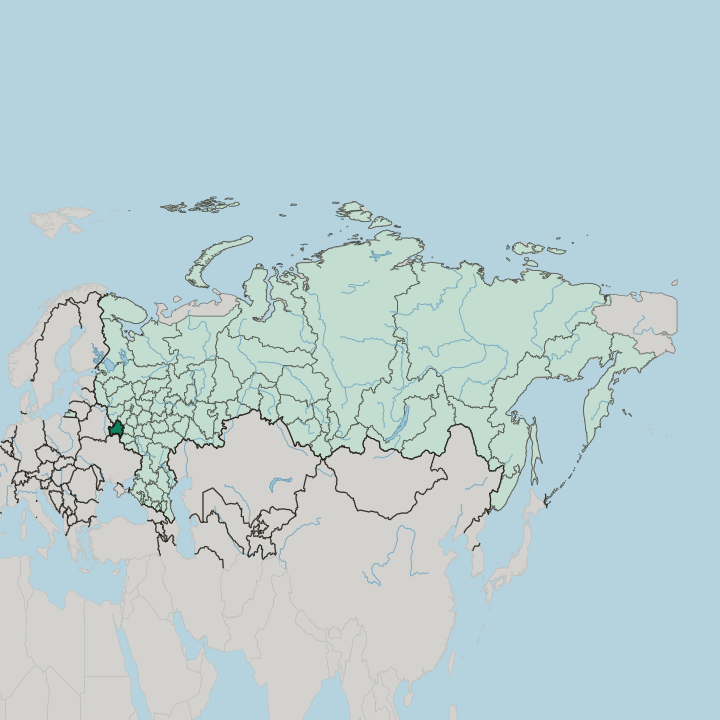
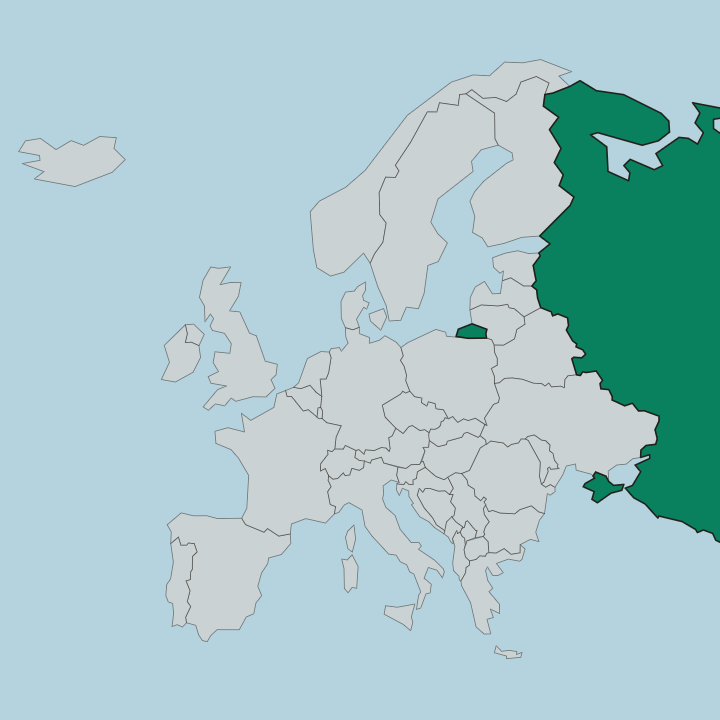
Bryansk Oblast lies in western European Russia, on the watershed between the Desna and Oka river basins. Three countries meet here. Belarus borders it to the west, Ukraine to the south, and the Russian regions of Smolensk, Kaluga, Oryol and Kursk ring the north and east.
The Desna is the thread that runs through it, rising in the Smolensk hills to the north and flowing south past the city of Bryansk on its way to join the Dnieper below Kyiv. Along that river the land is low and often swampy, and the right bank rises where the capital stands. More than a hundred rivers drain the region, most of them feeding the Desna.
About a quarter of the oblast is under trees. The south holds the deepest woodland, broadleaf and pine mixed together across the Nerussa and Desna floodplains, and the Bryansk Forest reserve protects its wildest stretch near Trubchevsk. The rest is farmland and gently rolling country, part of the black-earth belt that runs down toward Kursk.
It is a flat and well-watered wooded region rather than a dramatic one, and the border with Belarus and Ukraine is never far to the west or south.
What is Bryansk Oblast like?
The region carries two stories that shape how it sees itself. One is literary. Fyodor Tyutchev, ranked with Pushkin and Lermontov among the great Russian poets of his century, was born on the family estate at Ovstug north of Bryansk, and the restored manor there is now a museum to him and to the wooded countryside his verse returned to.
The other story is the war. When the German army held the region between 1941 and 1943, the Bryansk Forest became one of the largest partisan strongholds on the Eastern Front, and that resistance is remembered across the oblast in monuments, place-names and an annual reckoning with what the woods sheltered. Russian is the everyday language, as it is throughout the country.
The material culture leans on what the land and the factories make. Dyatkovo has cut crystal glass for two centuries. Trubchevsk keeps a long instrument-making tradition.
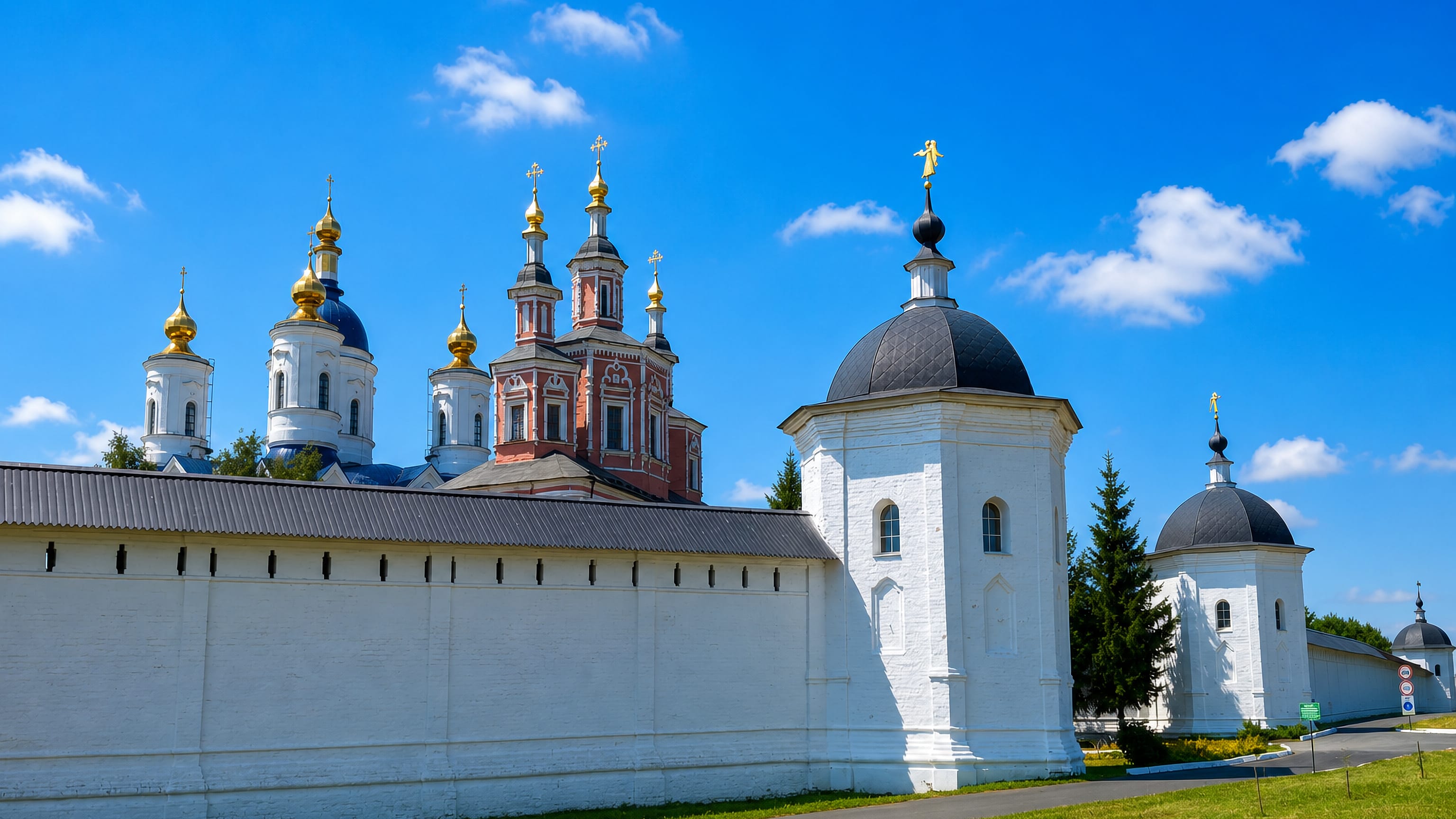
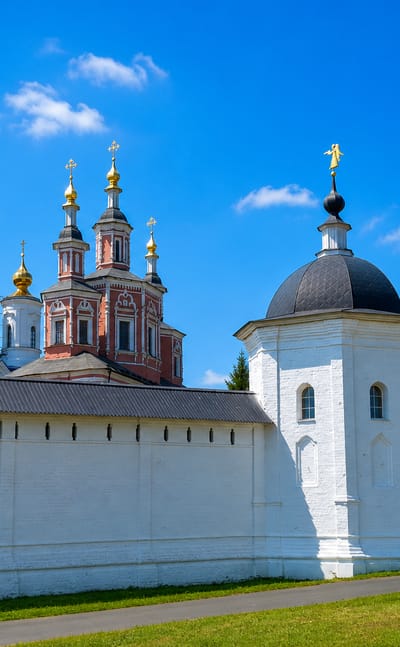
Church architecture survives in the Svensky Monastery outside Bryansk and in the older towns of the west. It is a quiet and provincial region, deeply Russian, its identity tied more to forest, river and memory than to any single monument.
What is the history of Bryansk Oblast?
Bryansk itself is old, counted from 985 and shaped in turn by Kievan Rus, the Grand Duchy of Lithuania and Moscow before it settled firmly under Russia. The oblast as a unit is young. It was carved out by Soviet decree in 1944, in the year after the German occupation ended and the partisan war in the Bryansk Forest gave the region its enduring wartime name.
Two years later, and further off, the reactor at Chernobyl scattered fallout that would mark the region's western districts for generations. An old city, a new border region, a hard century.
What is the climate of Bryansk Oblast?
The seasons here are long and clearly drawn. Bryansk Oblast has a humid continental climate, well inland and cut off from any moderating sea, so winters run cold and snowy and the Desna freezes hard from late in the year. Summers turn warm, sometimes hot, with rain falling through the growing season across the black-earth farmland.
Spring thaw swells the rivers. Meltwater then floods the low Nerussa woodland that the Bryansk Forest reserve protects.
How do you get to Bryansk Oblast?
Most travellers reach the region by rail. Bryansk is a major junction, and six lines run out from it toward Moscow, Smolensk, Oryol, and across the borders to Gomel in Belarus and Kyiv. The line from Moscow is the usual approach, roughly 380 kilometres to the northeast of the capital.
Bryansk builds much of Russia's diesel locomotive fleet, so trains are woven into the place. Roads follow the same corridors, and the western and southern edges of the oblast press right up against Belarus and Ukraine.
Common questions
What is the best area to stay in Bryansk Oblast?
Bryansk: the regional capital and rail hub. Klintsy: the western industrial districts.
Good for
More regions in Russia
Updated September 2026