Russia
Kamchatka Krai, Russia — Towns & Travel Guide
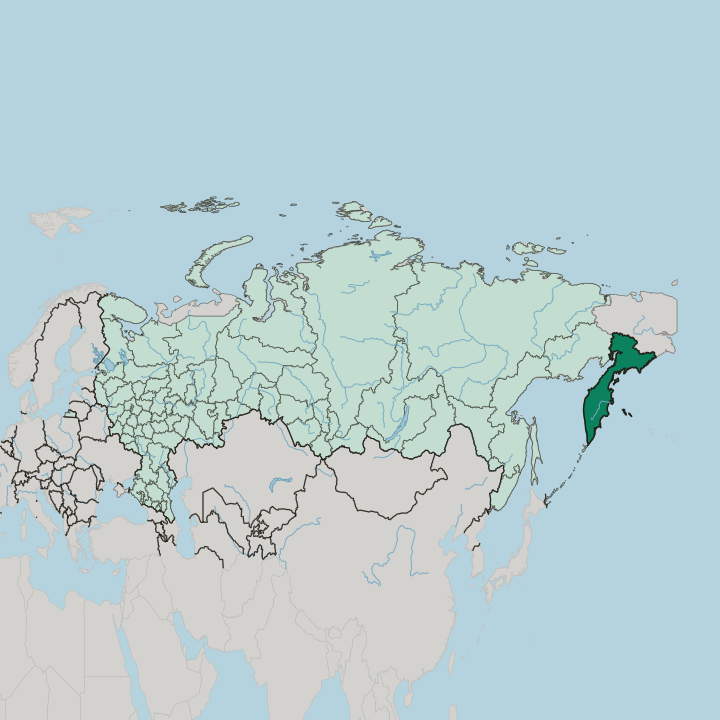
Kamchatka Krai is Russia's volcanic far-eastern peninsula, ringed by the Pacific and the Sea of Okhotsk and reachable only by air.
Find your area →


Towns & cities in Kamchatka Krai
One town here has its own guide — it links to where to stay.
 Russia
Petropavlovsk-Kamchatsky
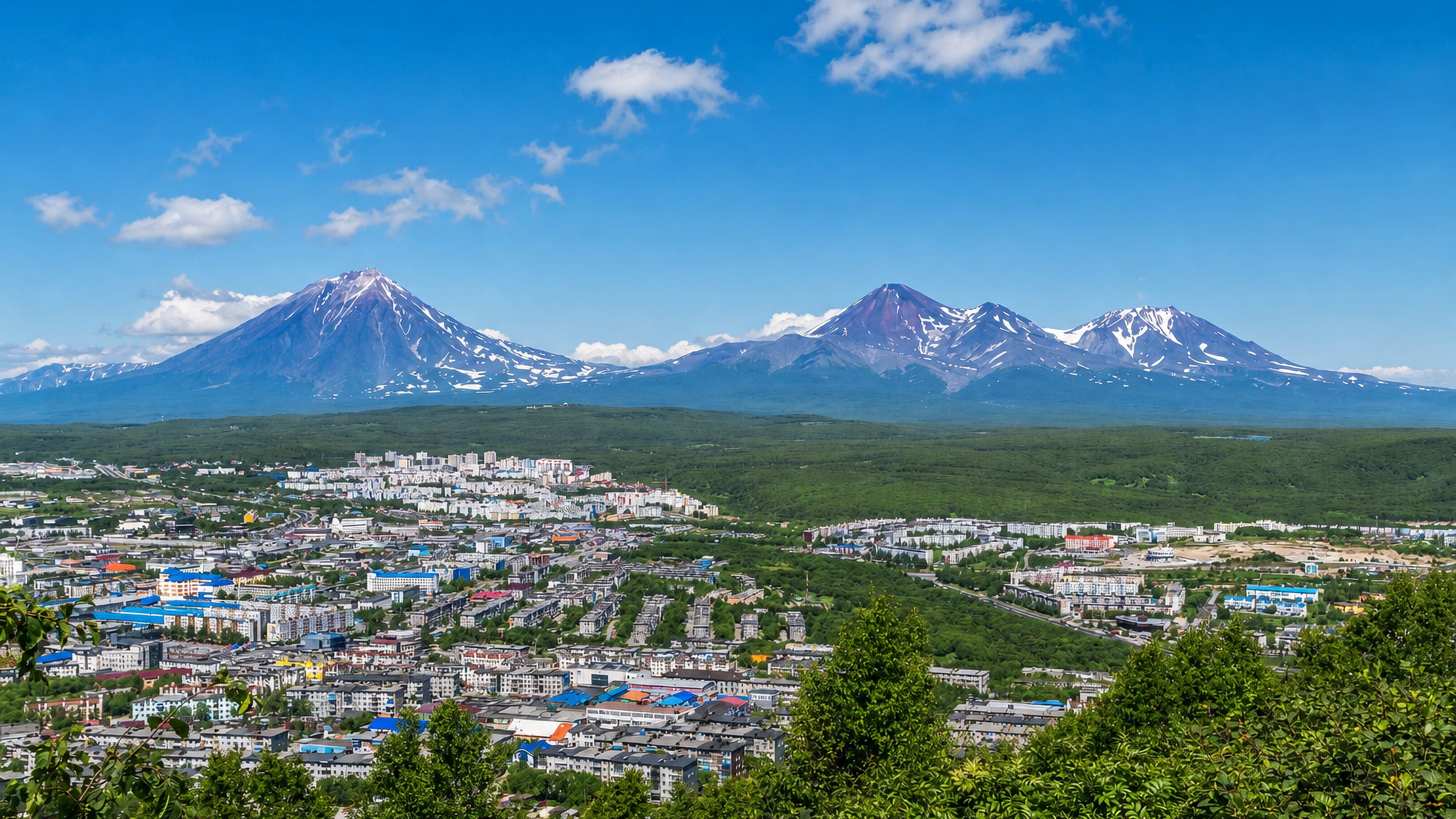
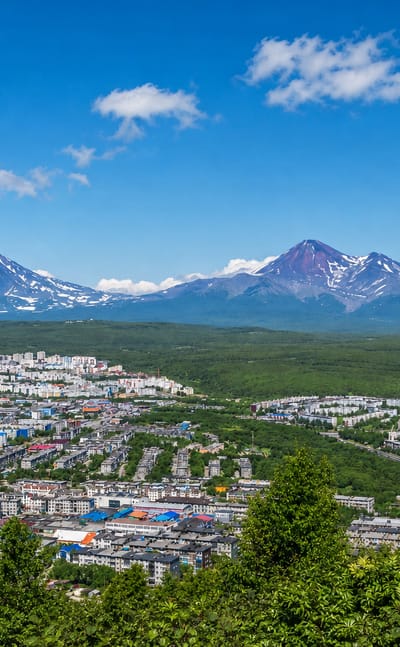
Petropavlovsk-Kamchatsky is a port city on Avacha Bay, ringed by snow-capped volcanoes on the Kamchatka Peninsula, the capital of Kamchatka Krai.Where to stay →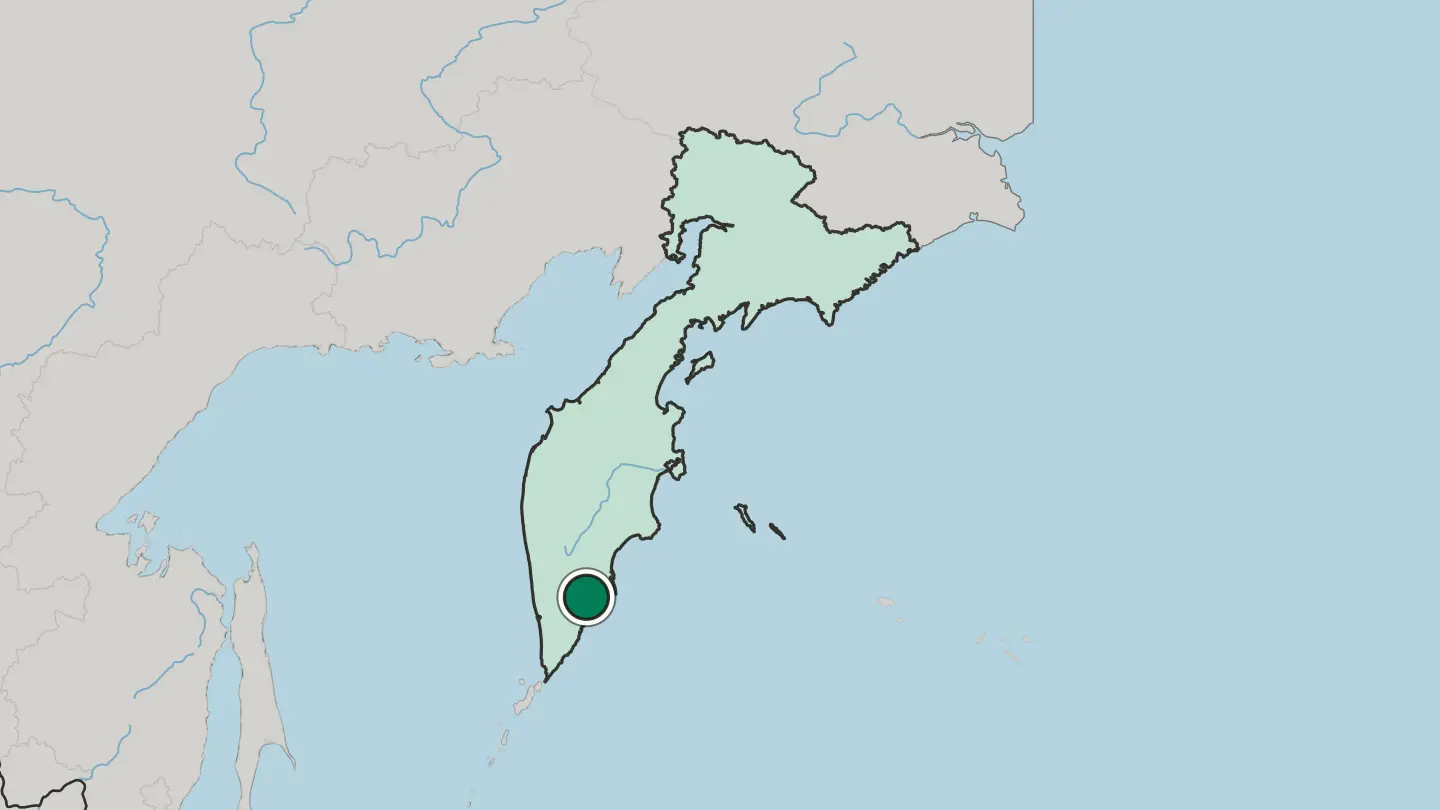
About Kamchatka Krai
Volcanoes define Kamchatka Krai.
What is Kamchatka Krai known for?
Roughly 300 of them stud the peninsula, and Klyuchevskaya Sopka rises higher than any other active volcano in Eurasia. Steam vents and the geyser fields of the Kronotsky Nature Reserve draw travellers to a landscape that stays wild because almost no road reaches it. Brown bears fish the salmon runs, and the capital, Petropavlovsk-Kamchatsky, sits below three snow-capped cones on Avacha Bay.
It is a place people fly to see and little else.
Where is Kamchatka Krai?
Kamchatka Krai occupies a long peninsula in the far east of Russia, dangling south from the Siberian mainland into the North Pacific. The Sea of Okhotsk washes its western shore and the Bering Sea and open Pacific its eastern one, so more than two thousand kilometres of coast face the water on each side. No road links it to the mainland.
That isolation is the single fact that shapes everything else about travel here. Two mountain chains run the length of it. The Sredinny Range forms the spine down the middle, and a second eastern range parallels the Pacific coast, with the Kamchatka River threading the broad valley between them.
Along these belts stand the volcanoes, close to 300 in all, and Klyuchevskaya Sopka towers over the rest near the river's upper course. Far offshore in the Bering Sea lie the Commander Islands, treeless and windswept, the region's outermost land. All of it sits on the Pacific Ring of Fire.
That is why the ground still smokes.
What is Kamchatka Krai like?
The peninsula was home to native peoples long before Russian Cossacks reached it. The Itelmens are the oldest of these peoples, salmon fishers of the Kamchatka valley, while the Koryaks herded reindeer across the tundra of the north and the Evens ranged the interior. Their festivals, drum songs and reindeer races survive in the villages of the far north, and Koryak dance troupes perform in Petropavlovsk-Kamchatsky.
Russian is the everyday language across the whole region now. Yet most of the culture is bound up with the land itself. Life here runs on fish.
The salmon that fill the Kamchatka River feed the bears, the canneries and the tables, and the fishing fleet out of Avacha Bay is the backbone of the economy. Spa bathing in the thermal pools of the Paratunka valley is a year-round ritual, steam rising against the snow. This is a frontier culture of hunters, fishermen and volcanologists, shaped more by weather and water than by any city.
What is the history of Kamchatka Krai?
The region itself is young. Kamchatka Krai was created in 2007 by merging the old Kamchatka Oblast with the Koryak Autonomous Okrug to its north, joining the settled peninsula and the reindeer tundra under one government. The land beneath that border is far older in Russian memory: Cossacks pushed onto the peninsula in the closing years of the seventeenth century, and Petropavlovsk-Kamchatsky grew from a harbour where Vitus Bering's expeditions wintered before charting the sea that carries his name.
The Koryak Okrug still keeps a special status within it.
What is the climate of Kamchatka Krai?
The climate is cold, wet and slow to warm. The surrounding seas pull the peninsula toward a subarctic pattern despite its position no further north than Scotland, and Pacific moisture buries the coasts under some of the heaviest snow in Russia. Winters are long and grey along Avacha Bay, summers short and green in the Kamchatka valley.
Fog and low cloud off the Sea of Okhotsk can ground the helicopters that reach the interior, so plans here bend to the weather. Snow lingers on the volcanoes into July.
How do you get to Kamchatka Krai?
You fly. No road or railway crosses the mountains and marsh between the peninsula and the rest of Russia, so every visitor lands at the airport outside Yelizovo, a short drive from the capital at Petropavlovsk-Kamchatsky. Long flights come in from Moscow and shorter ones from Vladivostok across the Sea of Okhotsk.
From Yelizovo, helicopters carry travellers on to the Valley of Geysers and other corners the roads never reach. Boats work Avacha Bay for the whale and sea-lion trips.
Common questions
What is the best area to stay in Kamchatka Krai?
Petropavlovsk-Kamchatsky: harbour views under the volcanoes.
Good for
More regions in Russia
Updated September 2026