Russia
Magadan Oblast, Russia — Towns & Travel Guide
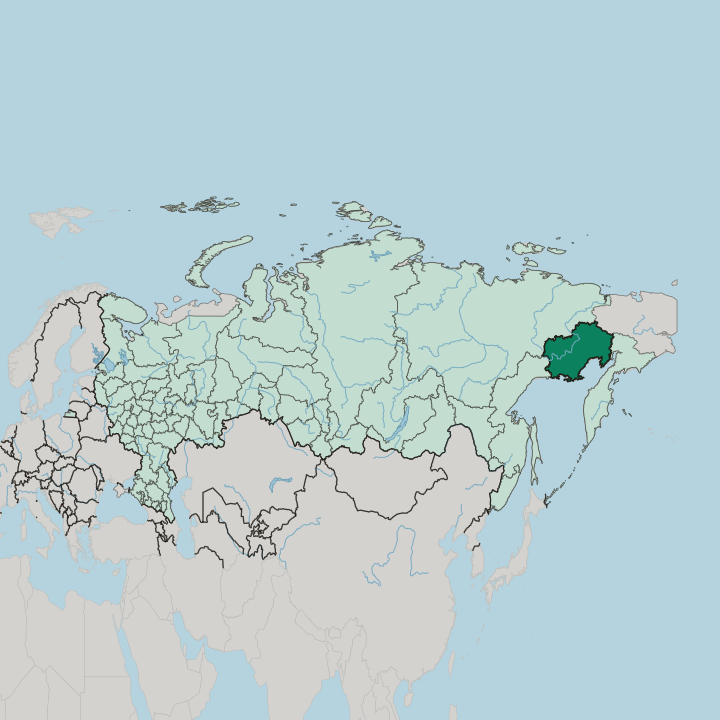
Magadan Oblast is a region in the Russian Far East, bordering Chukotka, Kamchatka, Khabarovsk Krai and Yakutia.
About Magadan Oblast


Towns & cities in Magadan Oblast
One town here has its own guide — it links to where to stay.
 Russia
Magadan
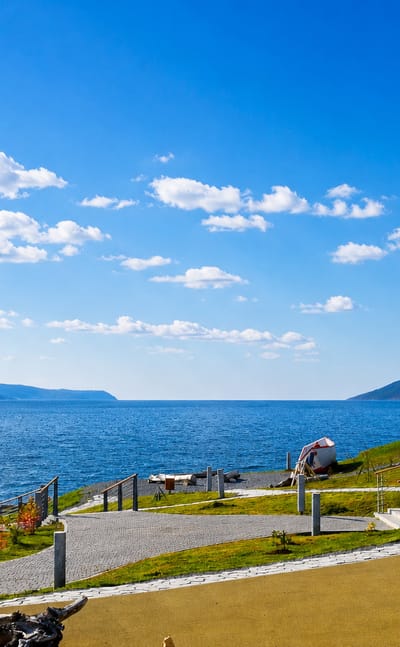
Magadan is a port town on Nagaev Bay, capital of Magadan Oblast and the way into the Kolyma region, on the Staritsky Peninsula in the Russian Far East.Where to stay →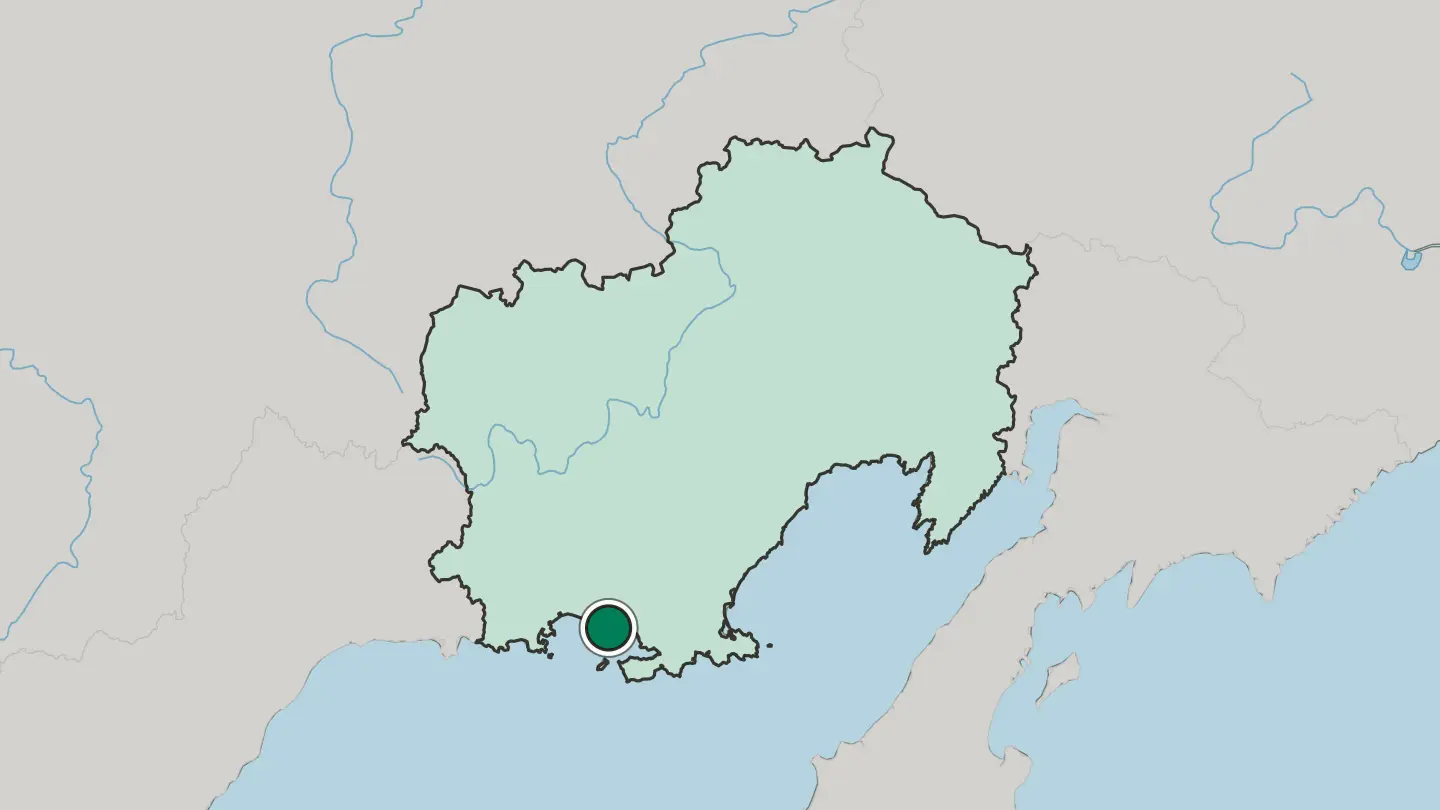
About Magadan Oblast
What is Magadan Oblast known for?
Magadan Oblast is known as one of the emptiest reaches of the Russian Far East, a subpolar territory hemmed by mountains and by the neighbouring lands of Chukotka, Kamchatka, Khabarovsk Krai and Yakutia. It is the least populated oblast in Russia. Formed in 1953, it belongs to the Far Eastern Federal District, and much of its identity rests on distance, cold, and a hard-won frontier past rather than on any single sight.
Where is Magadan Oblast?
Magadan Oblast occupies a vast, subpolar stretch of the Russian Far East. It is big and nearly empty. The territory borders Chukotka and Kamchatka on its north-eastern side, Khabarovsk Krai to the south-west, and the immense republic of Yakutia along its western and northern edges, so its neighbours alone sketch the scale of the surrounding North-East.
Mountainous and cold, it sits high enough to fall inside the subpolar band, where the growing season is brief and the winters run long across the interior uplands. Within the Far Eastern Federal District, Magadan Oblast reads as a frontier of ridges, river valleys and tundra rather than of towns. Distances between settlements are large.
The land tilts from the mountainous inland down toward the settled coastal margin, and that single populated fringe carries almost the whole of a territory that remains the least populated oblast in the country, with the deep interior toward Yakutia and Chukotka left largely to the wilderness.
What is Magadan Oblast like?
Culture in Magadan Oblast is shaped by isolation. The region belongs to the Russian Far East, and its character owes far more to the demands of a subpolar frontier than to any long metropolitan tradition. Life here has long meant coping with cold, distance and a short warm season, and the shared experience of the North-East knits the scattered communities of this least populated oblast more tightly than geography would suggest.
Russian is the working language of the oblast, as across the Far Eastern Federal District. The wider North-East, reaching toward Chukotka, Kamchatka and Yakutia, carries older indigenous traditions of the far northern peoples, and the frontier settlement of the twentieth century layered a Soviet-era industrial and administrative culture over that ground after the region took its modern form in 1953. Remoteness still defines the everyday.
It is a culture of endurance, self-reliance and long horizons.
What is the history of Magadan Oblast?
Magadan Oblast took its modern administrative form in 1953, when it was constituted as a distinct region of the Russian Far East. Its history is a frontier one. The twentieth-century push into the mountainous North-East, between Yakutia and the Pacific-facing lands of Chukotka and Kamchatka, brought settlement and industry to ground that had long been the preserve of northern peoples, and the oblast has been part of the Far Eastern Federal District through the reorganisations that followed.
What is the climate of Magadan Oblast?
Magadan Oblast has a hard subpolar climate. Winters are long, dark and severe across the mountainous interior of the Russian Far East, and the warm season is short. The land toward Yakutia and Chukotka lies far enough north to keep frost a near-constant companion, so the growing window stays brief and the cold defines the calendar.
Summers bring a fleeting green to the river valleys before the North-East closes back toward winter.
How do you get to Magadan Oblast?
Reaching Magadan Oblast means covering long distances into the Russian Far East. The region sits far from the country's core, out beyond Khabarovsk Krai in the mountainous North-East, and air links do most of the work of connecting it to the rest of the Far Eastern Federal District. Overland routes thread the settled coastal fringe, while the interior toward Yakutia and Chukotka stays remote and lightly served.
Good for
More regions in Russia
Updated September 2026