Russia
Stavropol Kray, Russia — Towns & Travel Guide
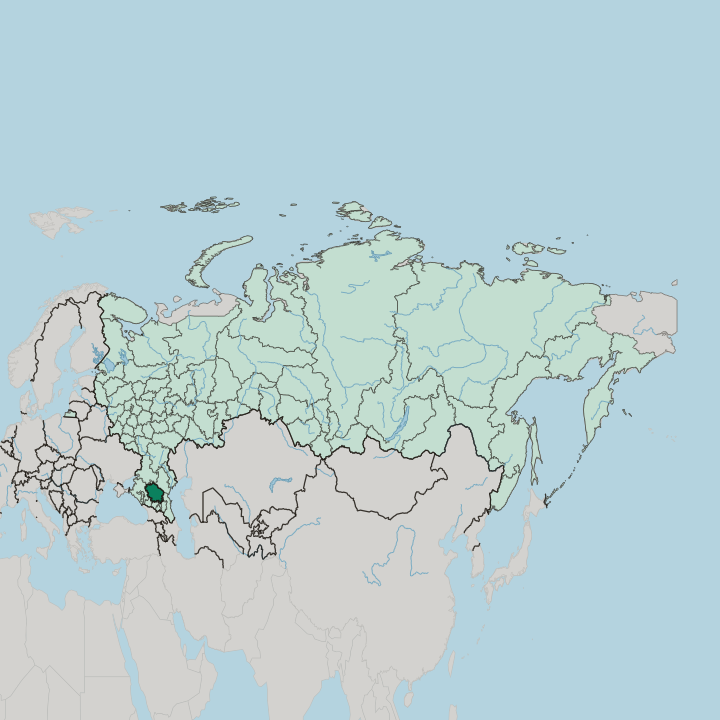
Stavropol Kray spreads across the North Caucasus of southern Russia, where the Caucasian Mineral Waters spa towns cluster below Mount Beshtau.
Find your area →


Towns & cities in Stavropol Kray
Pick a town or city — each links to where to stay.
 Russia
Stavropol
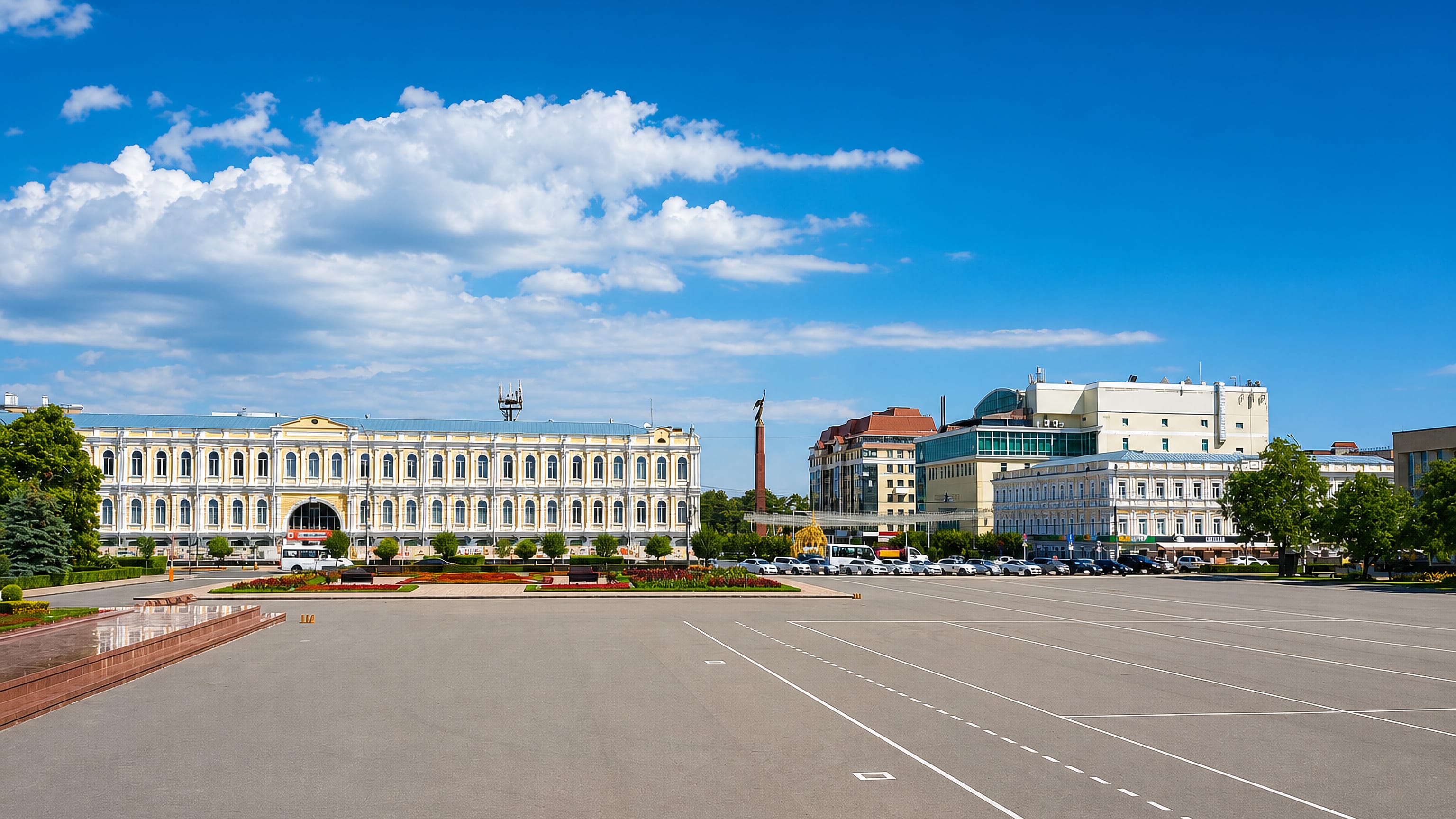
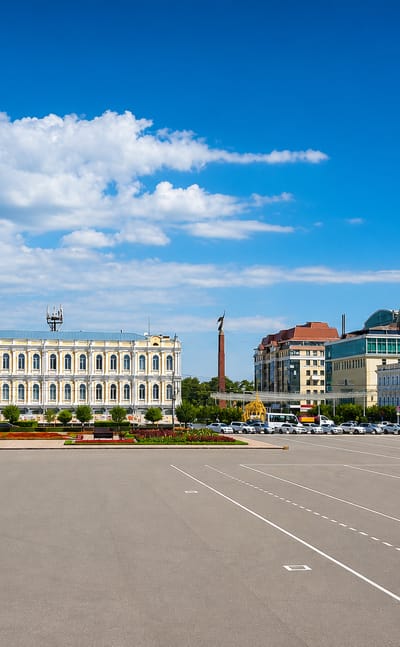
Stavropol crowns a high plateau as the administrative centre of Stavropol Kray, a city of theatres and museums grown from a fortress of 1777.Where to stay →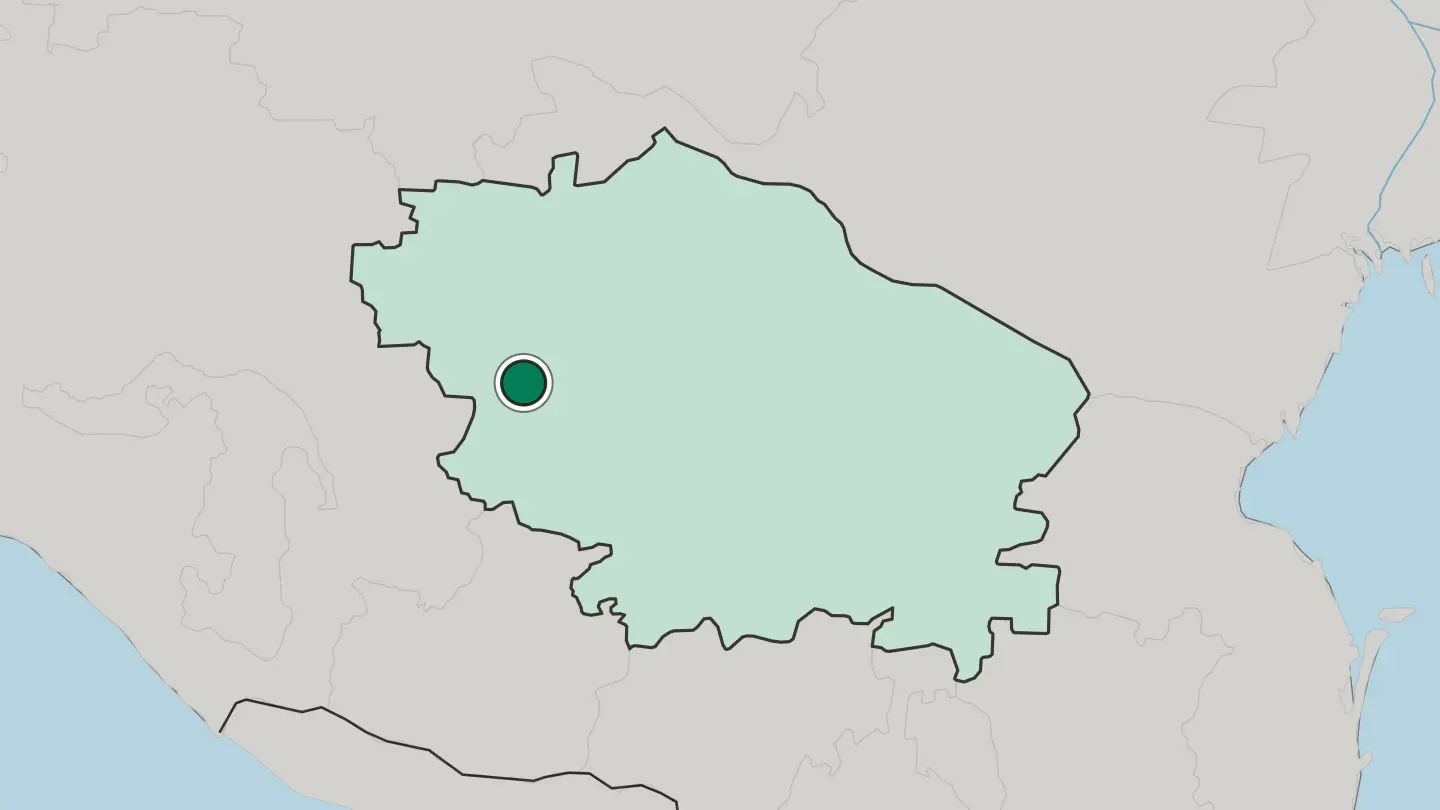
 Russia
Pyatigorsk
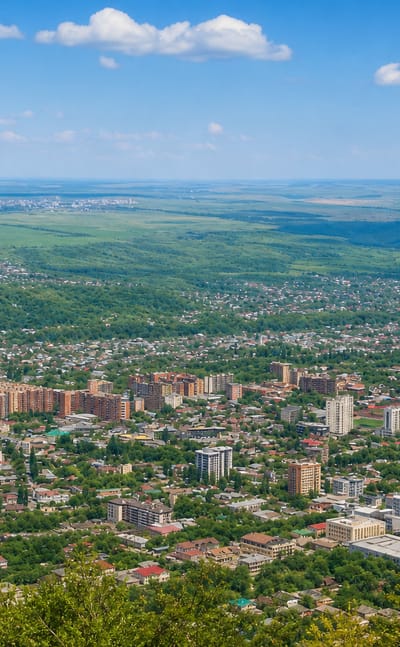
Pyatigorsk keeps the memory of Lermontov, a resort town in Stavropol Kray whose bathhouses and museum-reserve trace the poet's last days.Where to stay →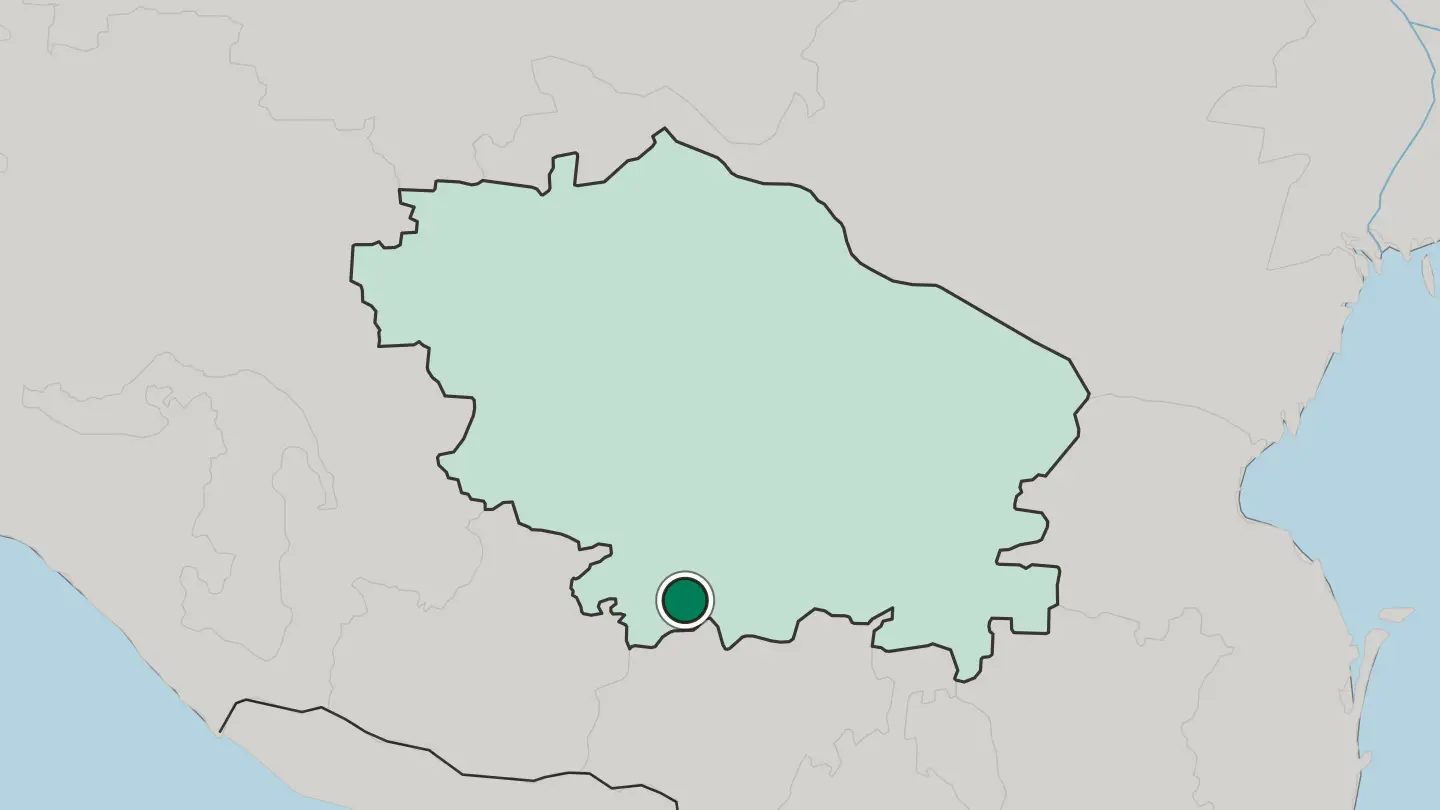
 Russia
Nevinnomyssk
Nevinnomyssk is a Stavropol Kray city on both banks of the Kuban River at its meeting with the Bolshoy Zelenchuk, south of Stavropol.Where to stay →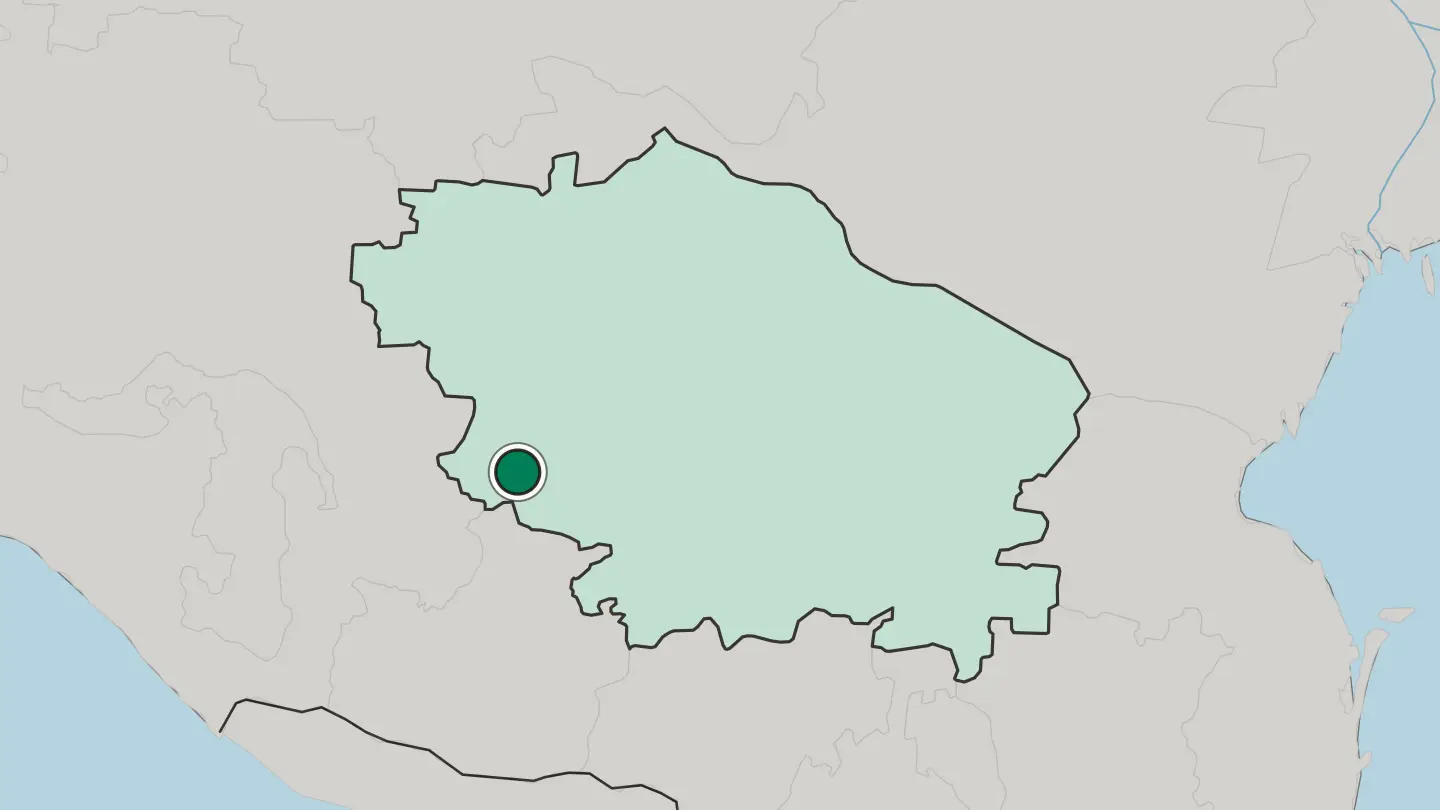
 Russia
Kislovodsk
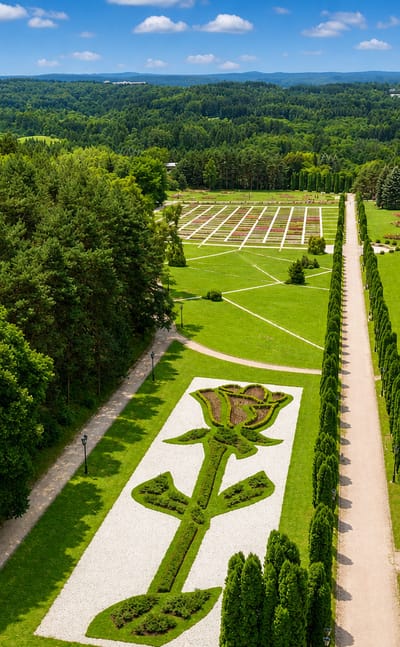
Villas and parkland gather at Kislovodsk, a resort town in Stavropol Kray where the singer Shalyapin kept the summer dacha now open as a museum.Where to stay →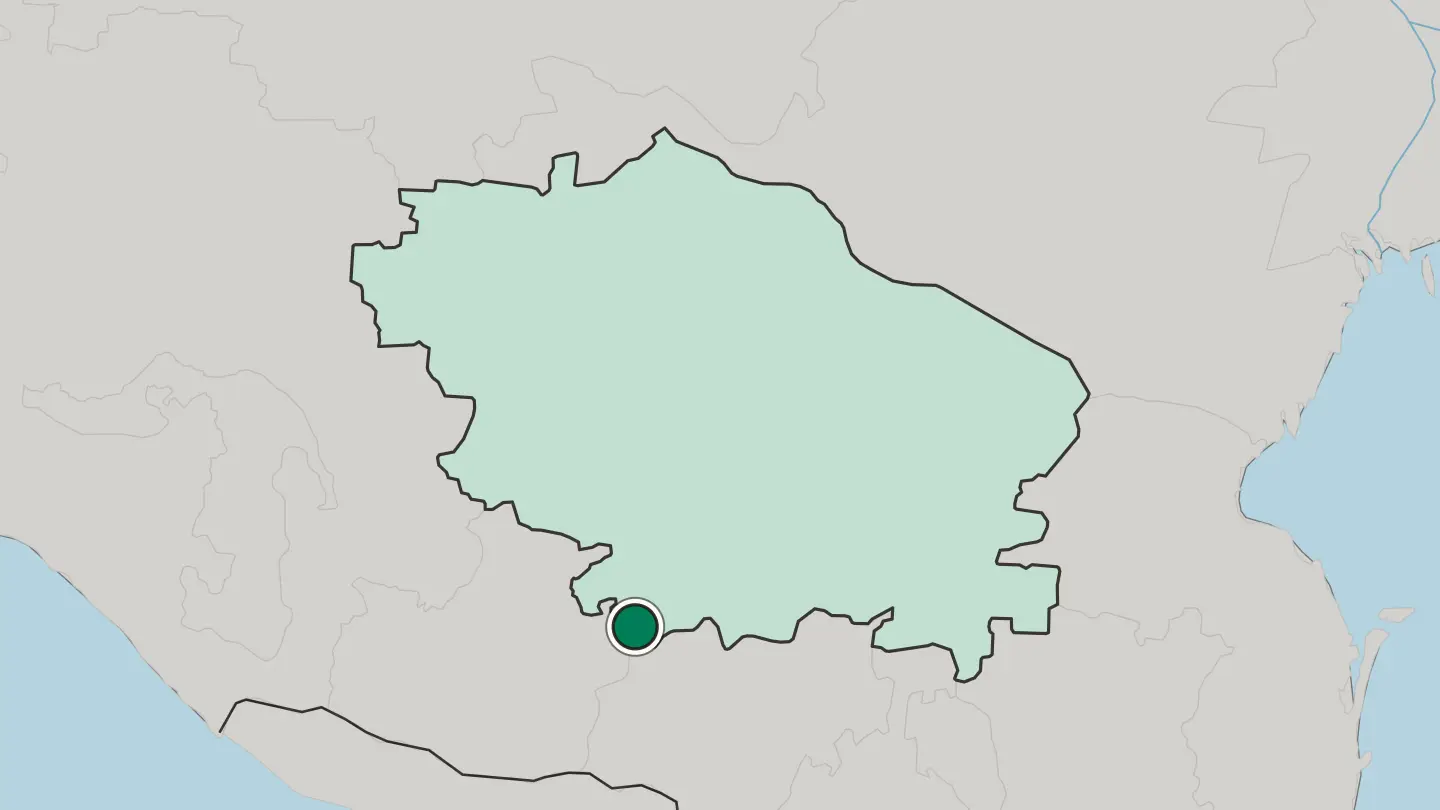
 Russia
Yessentuki
Yessentuki is a mineral-spring spa city of Stavropol Kray, at the base of the Caucasus Mountains in the shadow of Mount Elbrus.Where to stay →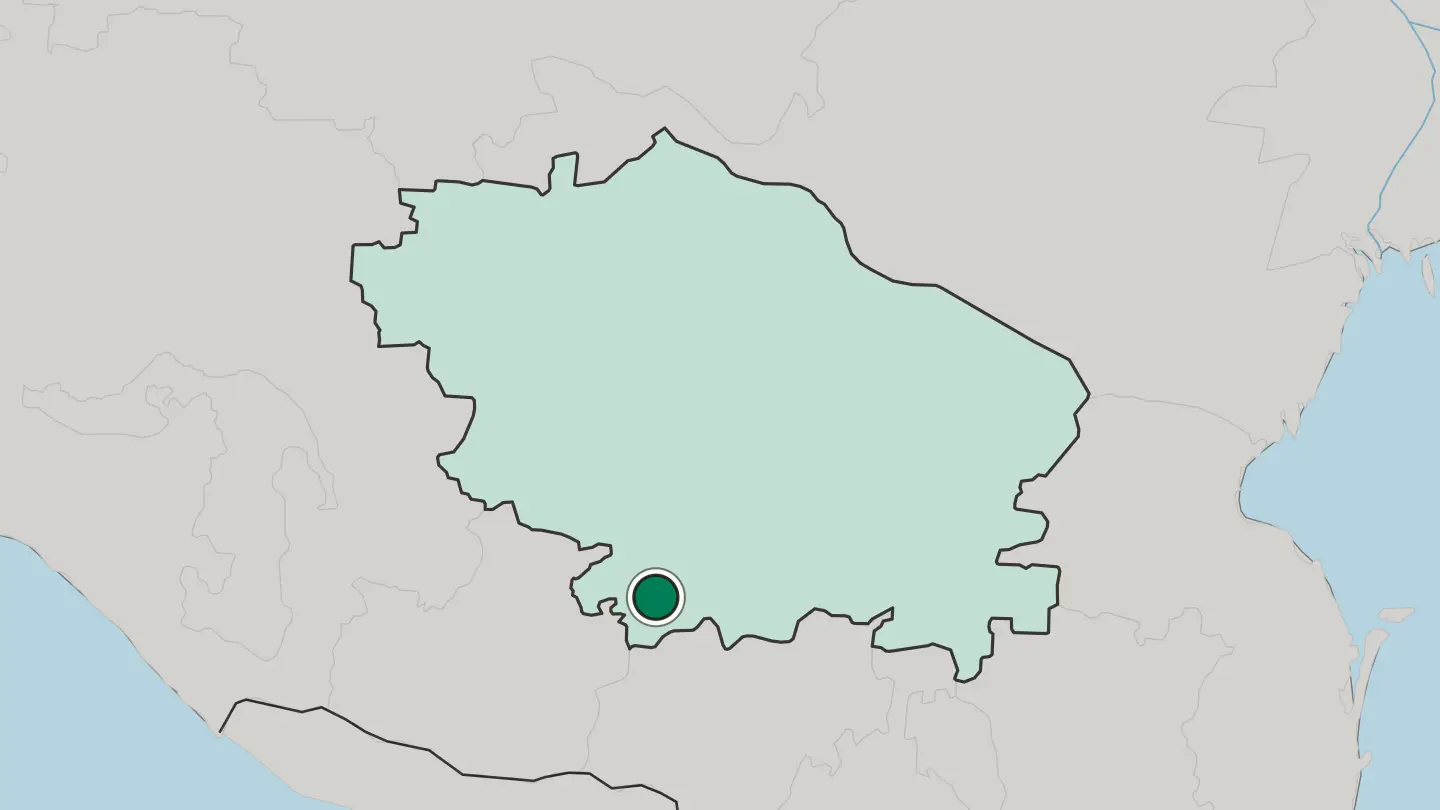 Russia
Mineralnye Vody
Mineralnye Vody is a spa town of Stavropol Kray on the Kuma River, its name meaning Mineral Waters, founded in 1878 on the Rostov-on-Don to Baku line.Where to stay →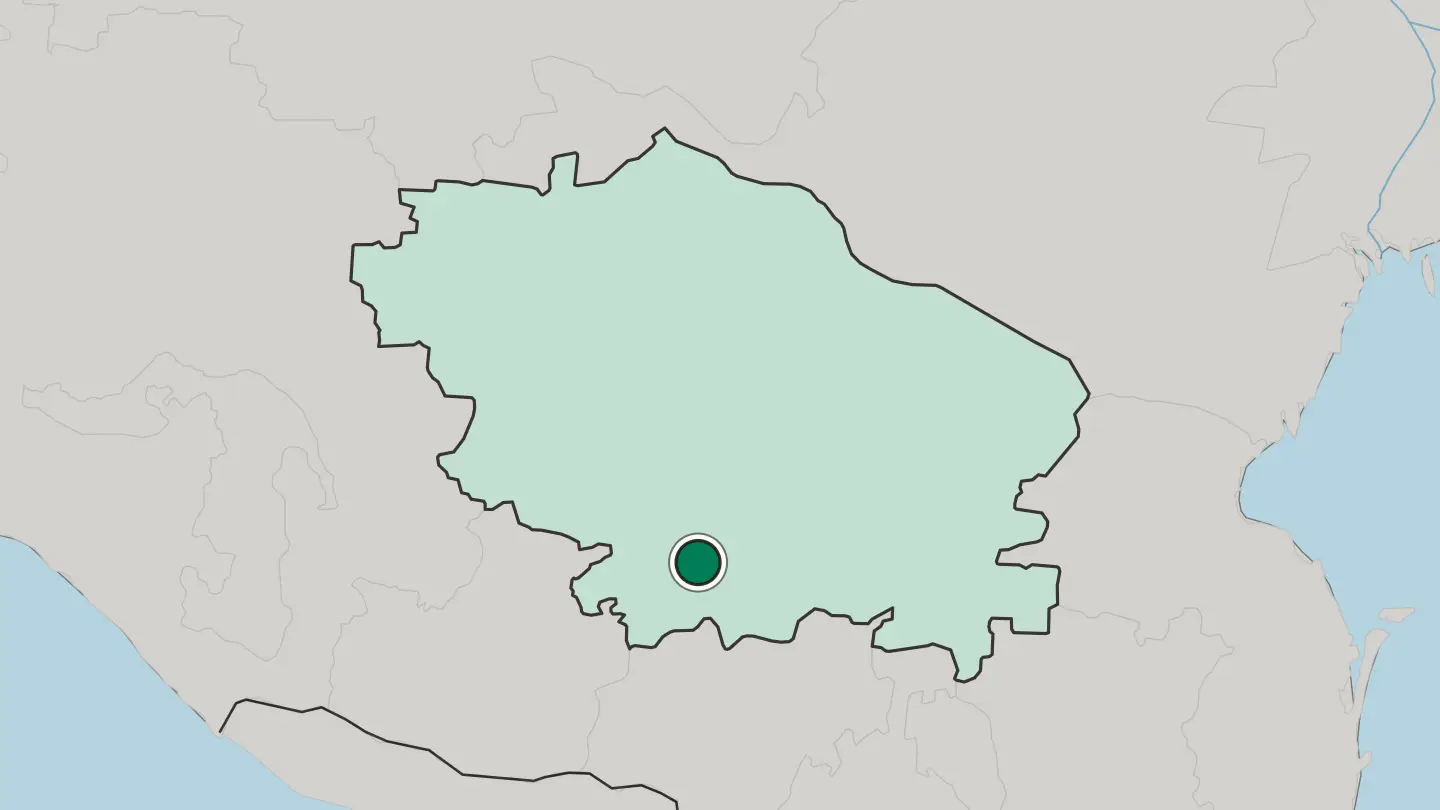 Russia
Georgiyevsk
Georgiyevsk stands on the right bank of the Podkumok River, a town of 1777 on submontane tableland in the North Caucasus.Where to stay →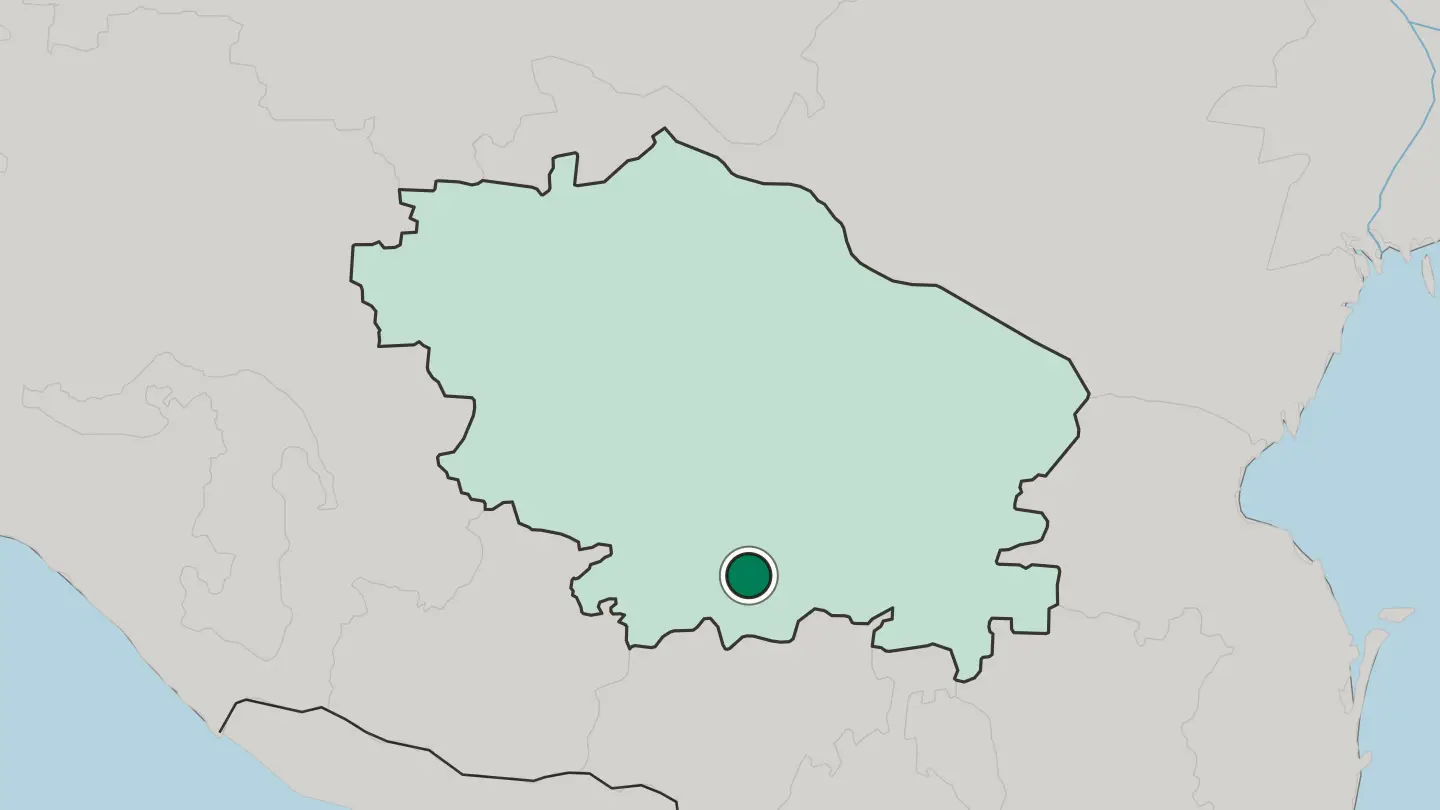 Russia
Budyonnovsk
Budyonnovsk is a town of Stavropol Kray in Russia, founded in 1799 and recorded as Святой Крест, with the Mamay-Majarian monastery among its sites.Where to stay →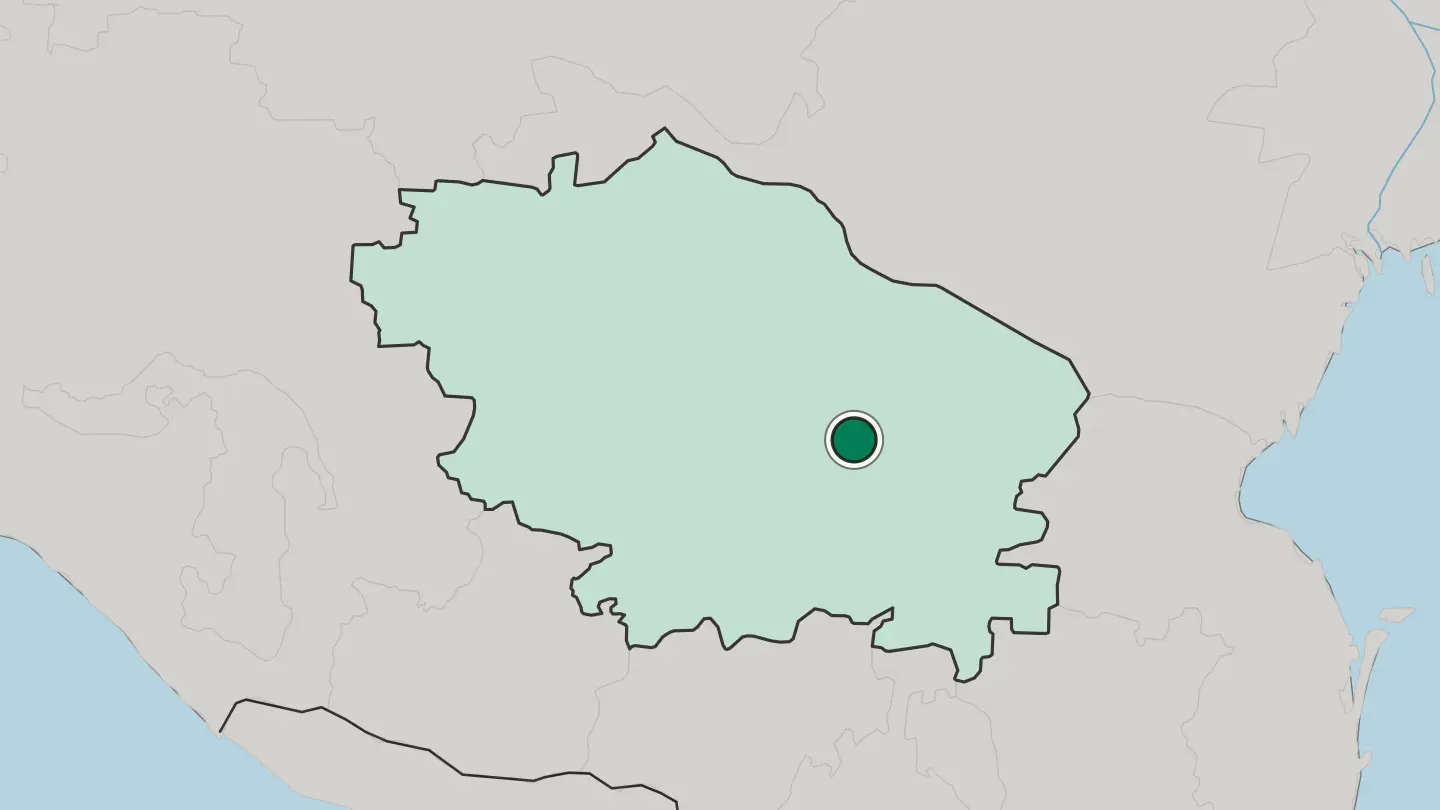
All towns & cities (9)
 Russia
Mikhaylovsk
Administrative centre of Shpakovsky District, Mikhaylovsk lies along the Tashla River just northeast of Stavropol, and dates from 1784.Where to stay →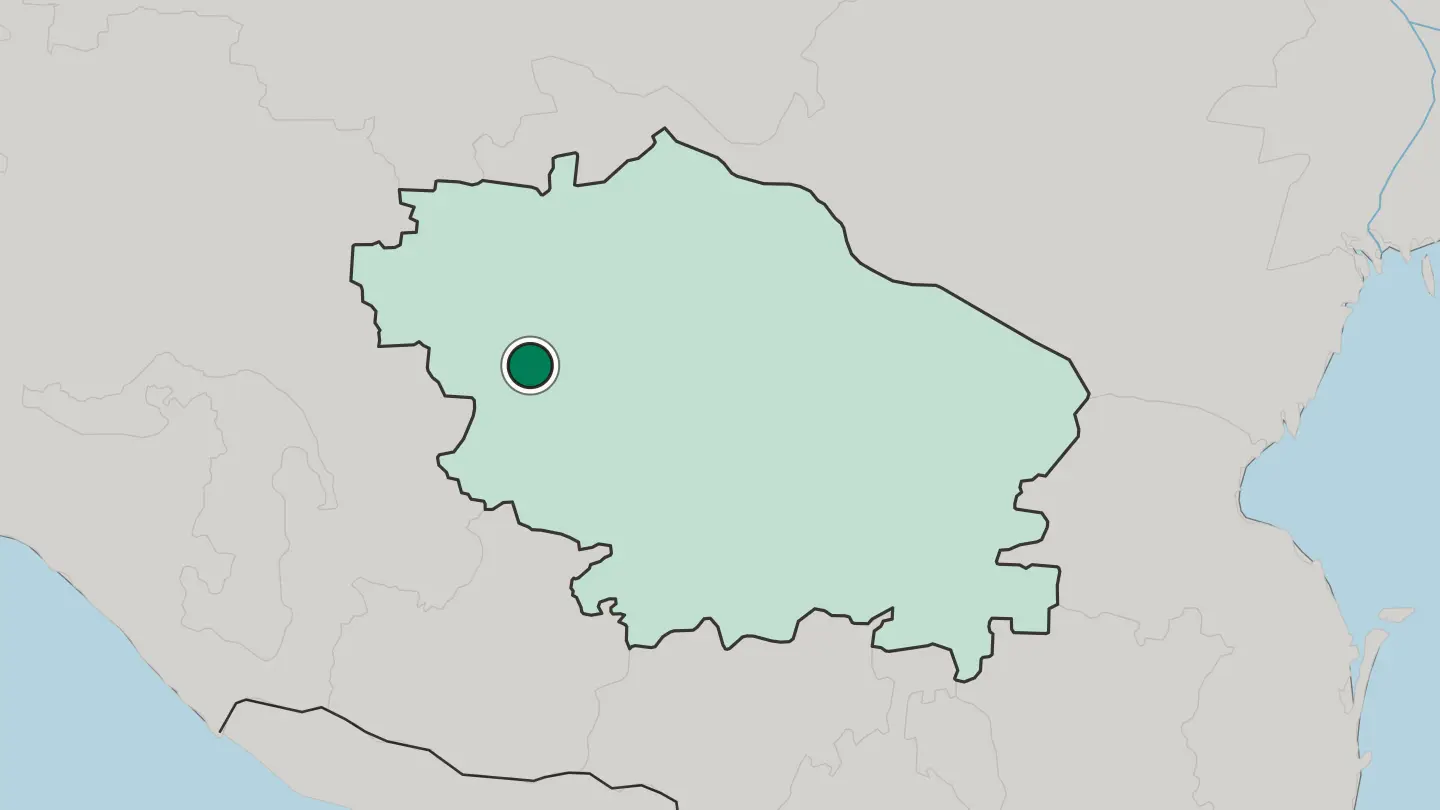
About Stavropol Kray
Mineral springs made this region famous.
What is Stavropol Kray known for?
The cluster of spa towns known as the Caucasian Mineral Waters draws Russians south to drink and bathe: Kislovodsk for its sparkling Narzan water, Pyatigorsk below the five-peaked bulk of Mount Beshtau, and Yessentuki and Zheleznovodsk beside them. Pyatigorsk carries a literary weight too, for it was here below Mount Mashuk that the poet Mikhail Lermontov was killed in a duel in 1841. Beyond the sanatoria, wheat and sunflower fields run north across the open Stavropol Upland toward the plains.
Where is Stavropol Kray?
Stavropol Kray fills the middle of the North Caucasus, in southern Russia, between the Black and Caspian seas. It belongs to the North Caucasian Federal District. The land is not the high mountains most people picture.
Its heart is the Stavropol Upland, a broad tableland of steppe and forest-steppe that tilts north toward the plains and south toward the foothills of the Greater Caucasus. That upland gives the region its shape. Rivers drain off it in two directions.
The Kuma runs eastward across the dry lowlands toward the Caspian Sea, while the Kuban and its tributaries carry the western waters the other way. Down in the south-east corner the ground buckles into the Pyatigorsk volcanic field, where isolated laccolith peaks rise straight out of the plain. Mount Beshtau is the tallest of them, a five-domed mass that gave Pyatigorsk its name.
The steppe stretches for miles between towns. Neighbouring republics of the Caucasus ring the southern edge, and the great wall of the Greater Caucasus stands beyond them, its snows feeding the rivers that cross the region. It is a land of open plateau far more than of peaks.
What is Stavropol Kray like?
The culture here is layered and southern. Ethnic Russians make up most of the population, and Russian is the working language of the towns and the steppe villages alike. Cossack settlement runs through the story of the place.
The frontier stanitsas planted along the old defensive line left a Cossack imprint on the west of the region that survives in song, in horsemanship, and in local memory. Around them gathered one of the more mixed populations in Russia. Armenians, Nogais, Greeks and peoples of the neighbouring Caucasus republics all live across the region, so a market or a bus station carries more than one tongue.
The spa towns give the culture a second, gentler face. For two centuries the sanatoria of the Caucasian Mineral Waters have drawn Russians south to take the cure, and the ritual of the water shapes daily life. Visitors walk the graduated paths of Kislovodsk with a spouted drinking cup in hand and queue at the pump rooms of Pyatigorsk for a measured glass.
The mountains pull them higher. Walkers climb Mount Beshtau and the wooded slopes above the towns. Literature colours it all, because Mikhail Lermontov set scenes of A Hero of Our Time in these very resorts and died here.
It is a region of frontier grit and health-resort calm at once.
What is the history of Stavropol Kray?
The region began as a military frontier. Under Catherine II a chain of fortresses was thrown up across the North Caucasus in the 1770s to hold the new southern border, and the fortress of Stavropol, founded in 1777, was one of them. Khopyor Cossacks settled the ground around it and founded the stanitsas that anchored the line.
Through the nineteenth century the mineral springs to the south grew from rough military bathing places into the spa towns of the Caucasian Mineral Waters. The modern region dates to 1924, when Soviet administration drew the boundary that became Stavropol Kray. Fortress, frontier and spa still layer the map.
What is the climate of Stavropol Kray?
Stavropol Kray has a warm-summer continental climate, milder than most of Russia because it lies so far south. Summers on the Stavropol Upland run hot and dry, and the steppe browns off under the July sun until the shortgrass fades to straw and the rivers thin. Winters are shorter and less bitter than the Russian interior, though snow still settles and the Kuma ices at its edges.
The spa towns to the south sit higher and cooler. Kislovodsk in particular is prized for clear, dry mountain air, one reason its sanatoria treat the heart and lungs. Come in spring.
How do you get to Stavropol Kray?
Most visitors arrive through Mineralnye Vody. Its airport is the main door onto the Caucasian Mineral Waters and the wider North Caucasus, with frequent flights up to Moscow that take a little over two hours. The town also sits on the trunk railway running south from Rostov-on-Don toward the Caspian, so sleeper trains reach it from across Russia.
From Mineralnye Vody a short hop by rail, bus or car climbs to Pyatigorsk, Kislovodsk and the other spa towns. The regional capital, Stavropol, lies off to the north-west on the upland and has its own smaller airport.
Common questions
What is the best area to stay in Stavropol Kray?
Kislovodsk: sparkling Narzan water and mountain air. Pyatigorsk: sulphur springs and Lermontov history. Mineralnye Vody: arriving by plane or train. Stavropol: the working capital away from the springs.
Good for
More regions in Russia
Updated September 2026