Saudi Arabia
Al Jawf Region, Saudi Arabia — Towns & Travel Guide
Al Jawf is Saudi Arabia's olive-growing north, where Sakaka's oasis and the ruins of Dumat al-Jandal edge the An Nafud desert.
Hotel links are affiliate links: booking through them may earn us a commission, at no extra cost to you. It never affects how places are ranked. How this works


Towns & cities in Al Jawf Region
One town here has its own guide — it links to where to stay.

 Saudi Arabia
Sakakah
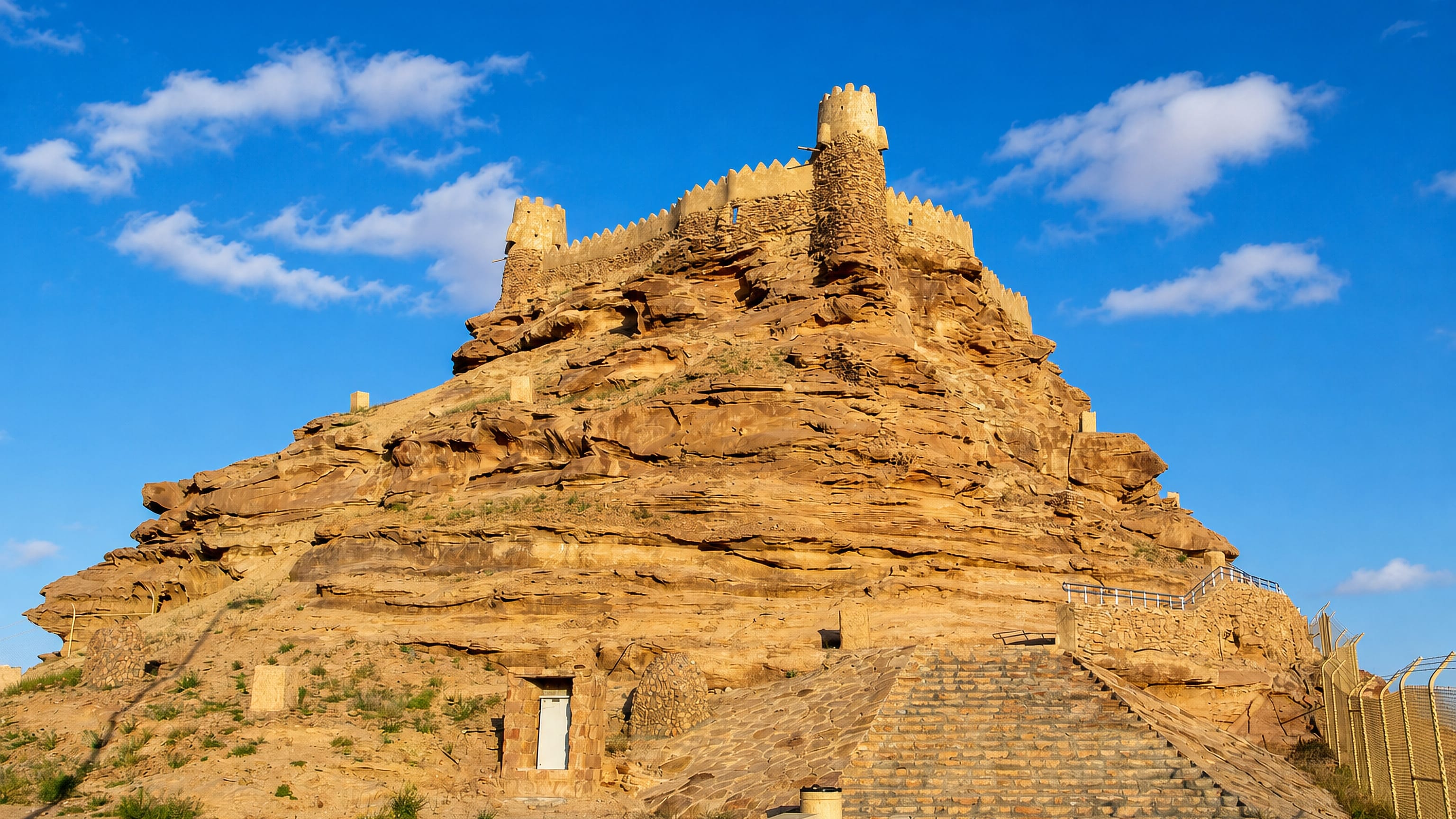
Sakakah is the capital of Al Jawf Province in Saudi Arabia, north of the An Nafud desert, with Zabal Castle standing over the town.Where to stay →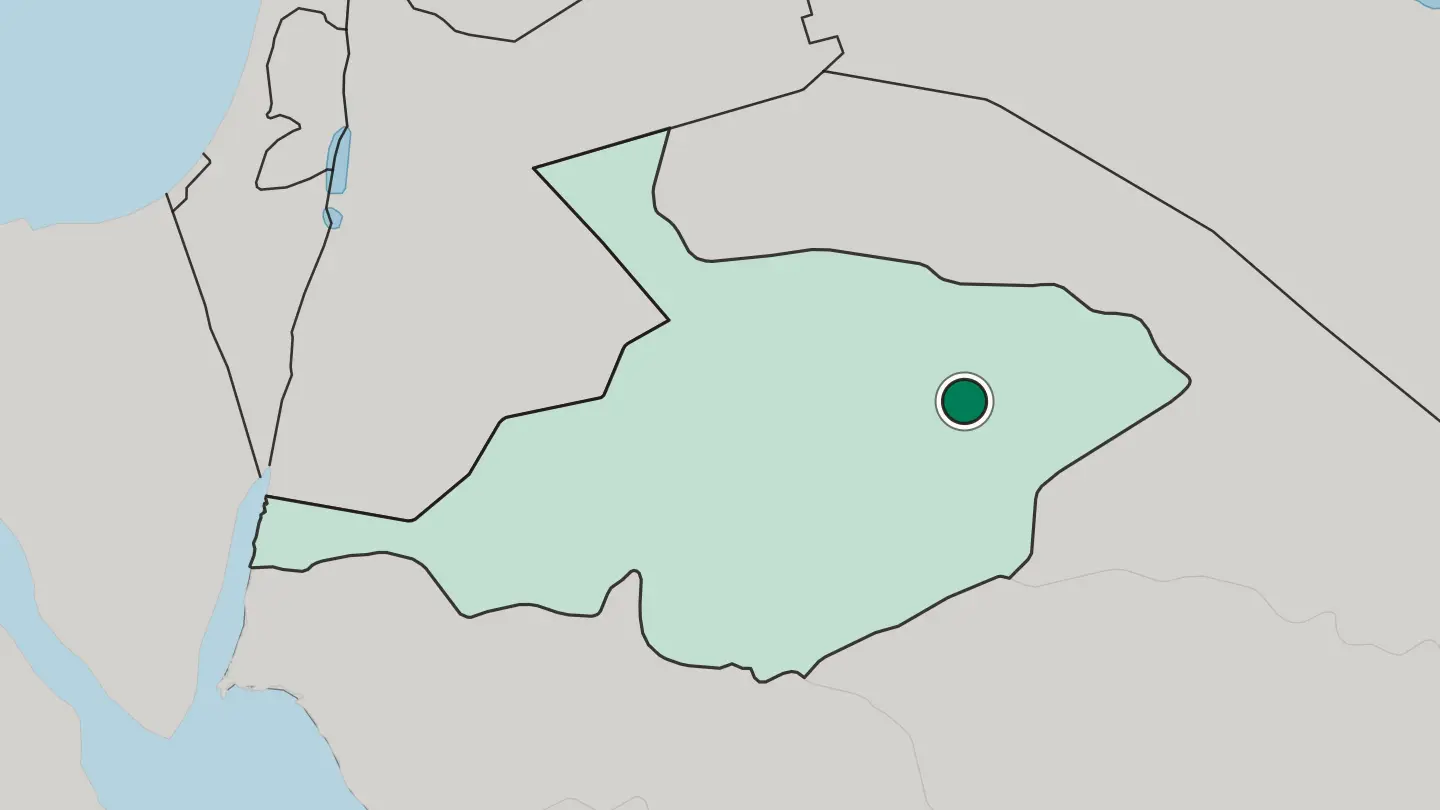
Hotel links are affiliate links: booking through them may earn us a commission, at no extra cost to you. It never affects how places are ranked. How this works
About Al Jawf Region
Olives and old stone.
What is Al Jawf Region known for?
Al Jawf sits in the far north of Saudi Arabia, its farms fed by oasis water on the rim of the An Nafud desert, and locals call it the kingdom's olive basket for the millions of trees planted across the plain. The other draw is age. Dumat al-Jandal, the ancient Adummatu, once guarded the caravan roads that ran up the Wadi Sirhan corridor toward Syria.
Sakaka anchors the region as its capital and main town.
Where is Al Jawf Region?
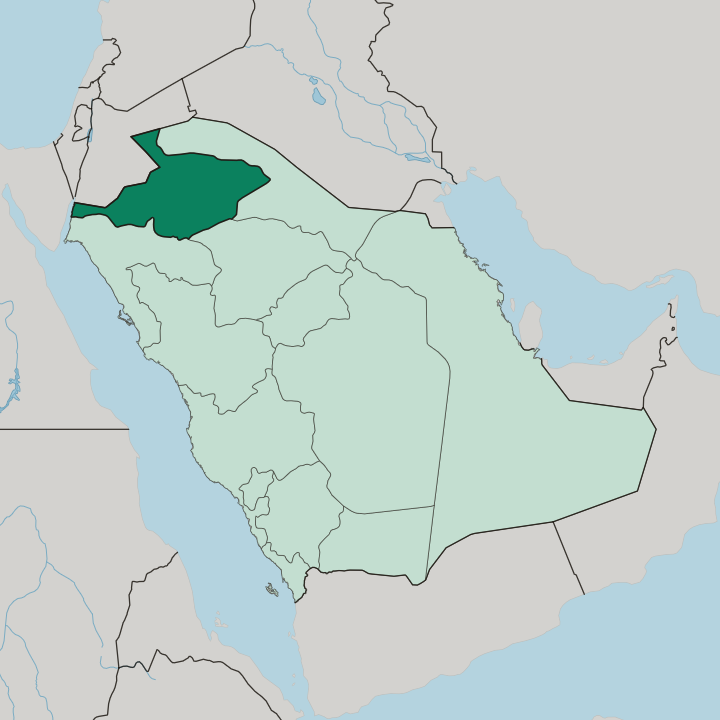
Al Jawf fills the far north of Saudi Arabia, one of the kingdom's largest and least crowded regions at roughly 85,000 square kilometres. Jordan lies along its northern and western frontier. The Tabuk region borders it to the west, Ha'il to the south, and the Northern Borders Province to the east, so the region touches three of its neighbours and one foreign country.
Much of the land is a limestone plateau and open gravel plain. The great sand sea of the An Nafud desert closes off the south, and Sakaka, the capital, stands on its northern edge where oasis springs make farming possible. The defining line on the map is the Wadi Sirhan, a long shallow depression that slants north-west out of the region toward Syria and southern Jordan.
For thousands of years that corridor carried caravans, and Dumat al-Jandal grew up at its southern mouth. Water sits close to the surface here in places, which is why olive groves and date palms spread where the surrounding desert allows almost nothing. It is a dry country.
The green is oasis green, held together by wells and irrigation rather than rain.
What is Al Jawf Region like?
Al Jawf lives by the olive. The harvest each winter is the region's calendar, and Sakaka hosts an olive festival that turns the crop into a point of local pride; the region calls itself the olive basket of the kingdom, and the Al-Jouf Agricultural Development Company works one of the world's largest olive farms out on the plain. Arabic is the language here, in a settled oasis culture with deep desert roots.
Bedouin custom, generous hospitality, and a farming life around wells and palm gardens all sit close together. The past is never far. Dumat al-Jandal was a real capital in its day, and its mudbrick lanes below Marid Castle still read as a lived-in place rather than a museum.
Nearby stand the Rajajil columns, some fifty clusters of upright sandstone pillars raised in prehistory and still not fully explained. People come for the olives and the ruins. They stay for a stretch of Arabia that feels worked and old at once.
What is the history of Al Jawf Region?
The region's story begins at Dumat al-Jandal. Neo-Assyrian scribes named it Adummatu as early as 845 BCE, and it served as a centre of the Arab tribal confederation of Qedar, ruled at times by powerful queens. Its position at the southern mouth of the Wadi Sirhan put it on the incense roads between South Arabia and Mesopotamia.
Marid Castle guarded the oasis and, by tradition, held out when Queen Zenobia of Palmyra marched against the town in the third century. Trade made Al Jawf, and its ruins still trace those old caravan routes.
What is the climate of Al Jawf Region?
Al Jawf has a dry desert climate, cold in winter and hot in summer. Summer days on the plain run warm, often climbing above forty degrees Celsius under a bare sky. Winters turn genuinely cold.
Nights in January can drop to freezing on the edge of the An Nafud, sharper than most people expect of northern Arabia. Rain is scarce all year, which is why the region leans on oasis wells and the Wadi Sirhan groundwater rather than the sky to keep its olive groves alive.
How do you get to Al Jawf Region?
Most visitors reach Al Jawf by air. Sakaka has the region's airport, with flights linking it to Riyadh and other Saudi cities across the desert distances. The train is the other way in.
The Riyadh line runs north to Qurayyat, near the Jordanian border, its terminus at the top of the country. From either town, roads follow the old grain of the land toward Dumat al-Jandal and up the Wadi Sirhan, though a car is what really opens the region's scattered sites.
Common questions
What is the best area to stay in Al Jawf Region?
Sakaka: a base for the whole Al Jawf region. Dumat al-Jandal: waking up beside the region's ruins. Qurayyat: the crossing toward Jordan.
More regions in Saudi Arabia
Updated September 2026