Saudi Arabia
Najran Region, Saudi Arabia — Towns & Travel Guide
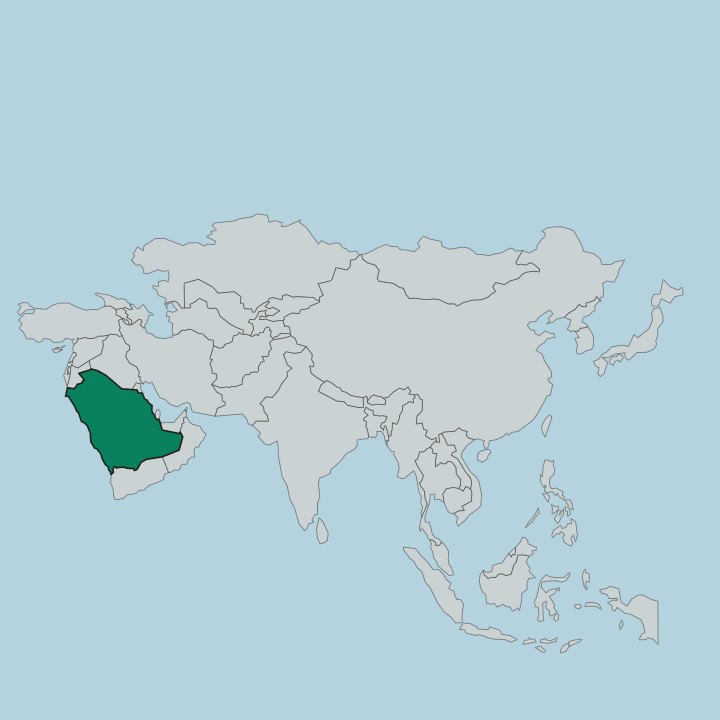
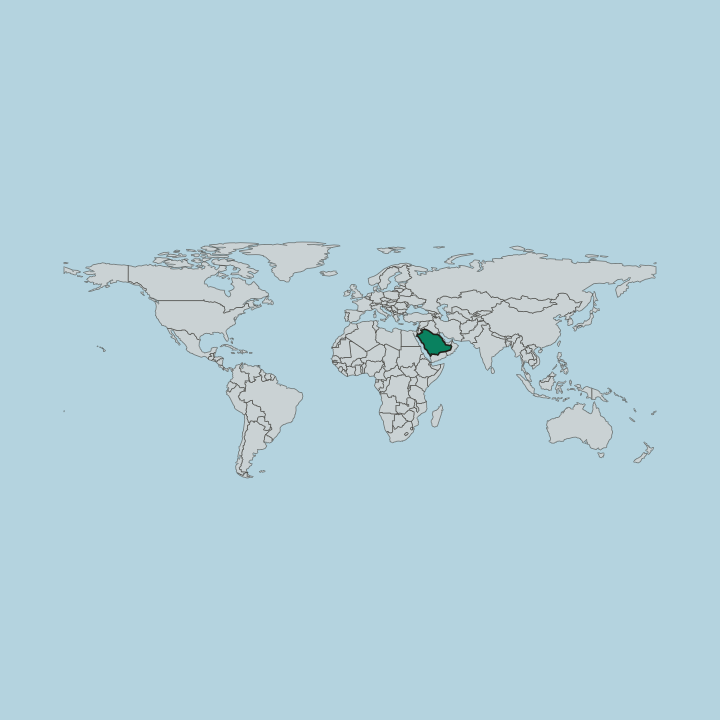
Najran Region is Saudi Arabia's southwestern corner, an ancient oasis where the Empty Quarter meets the Yemeni border.
Hotel links are affiliate links: booking through them may earn us a commission, at no extra cost to you. It never affects how places are ranked. How this works


Towns & cities in Najran Region
One town here has its own guide — it links to where to stay.

 Saudi Arabia
Najrān
Najrān is the capital of Najran Province in Saudi Arabia, holding al-Ukhdud, قلعة رعوم and متحف نجران.Where to stay →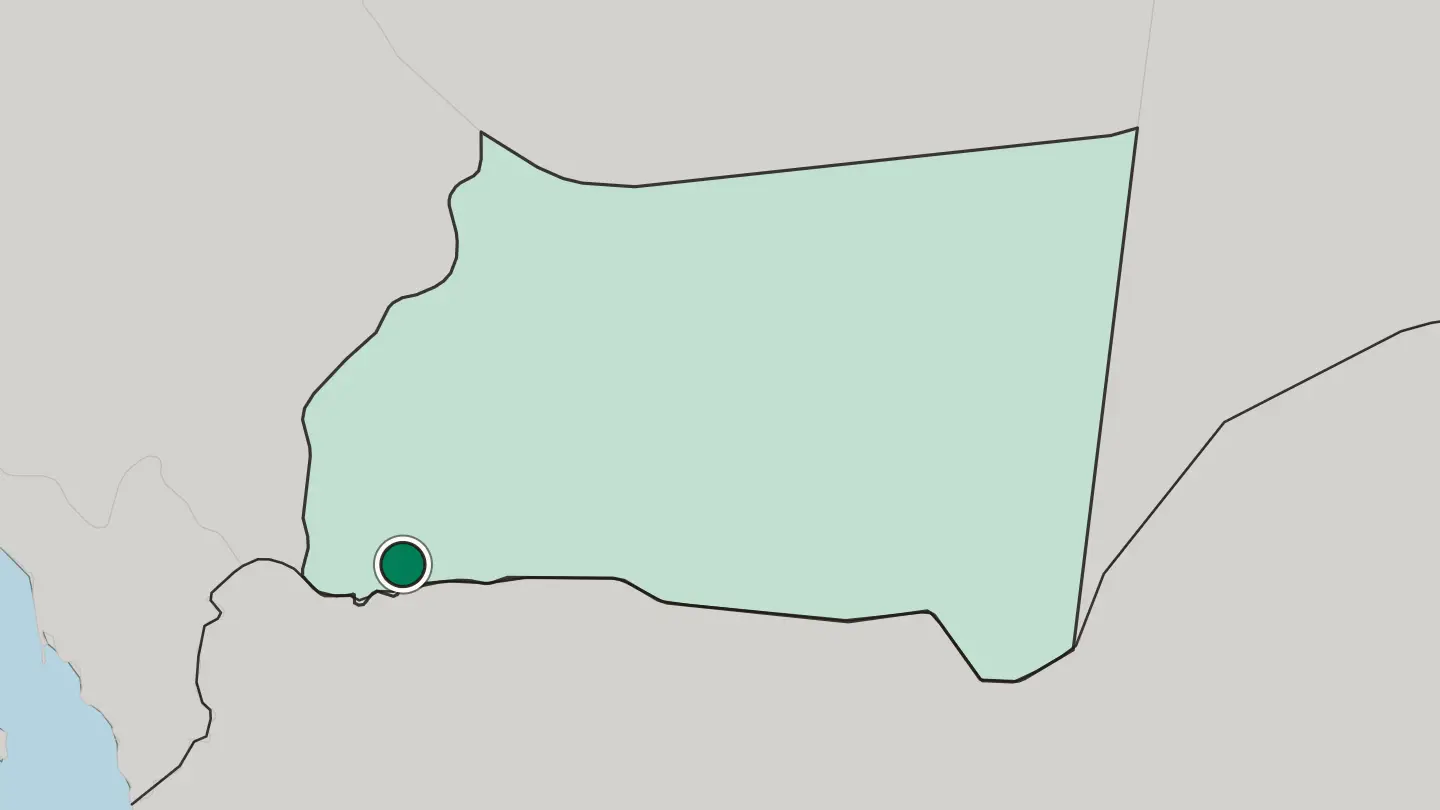
Hotel links are affiliate links: booking through them may earn us a commission, at no extra cost to you. It never affects how places are ranked. How this works
About Najran Region
Najran is old.
What is Najran Region known for?
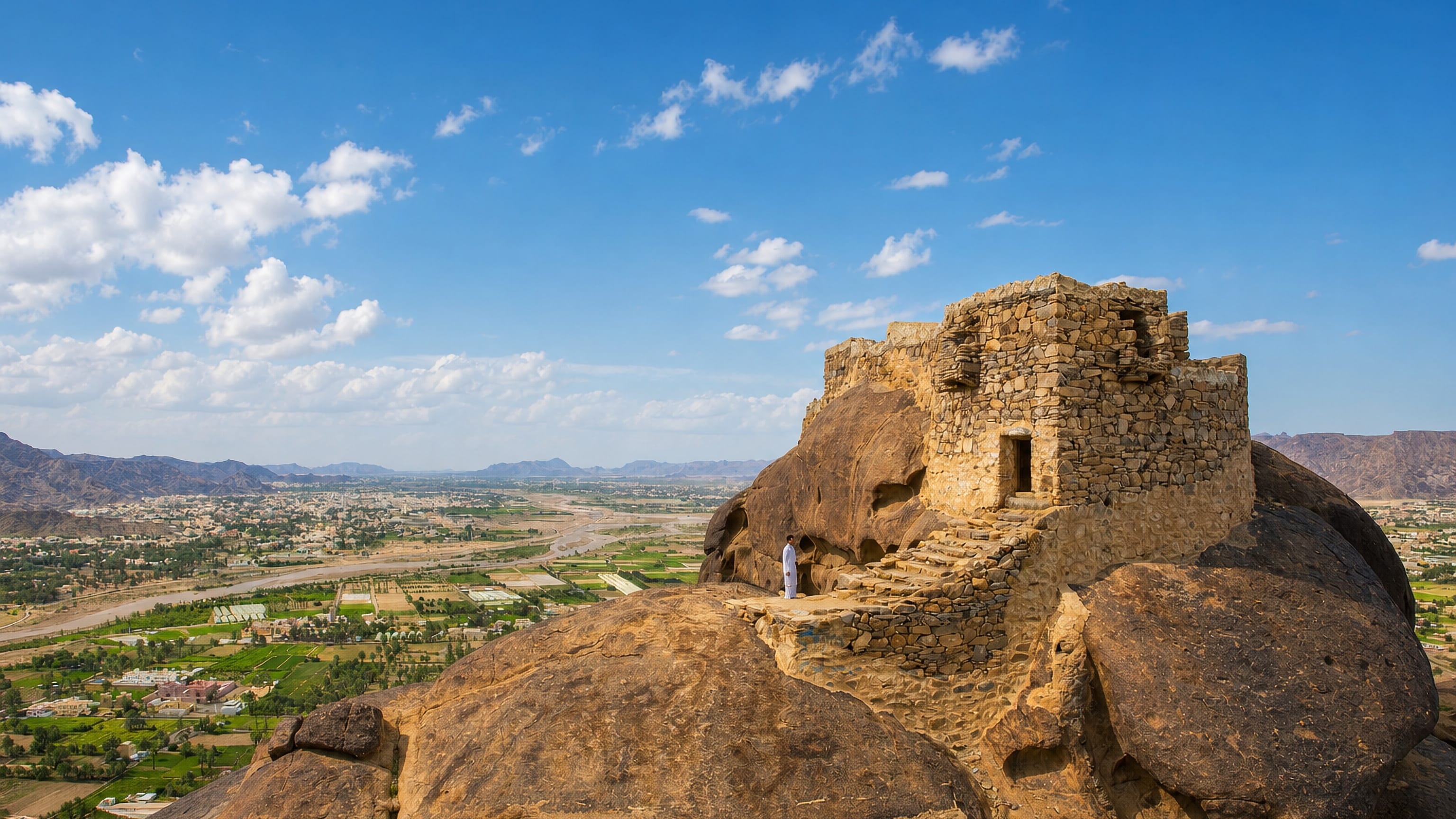
People have farmed this oasis for thousands of years, and the region carries that depth openly. Its ancient heart is Al-Ukhdud, a walled town on the frankincense route where excavators have dug since 1979 and where the Quran records the burning of Najran's Christians. The living city is Najran, the regional capital, famous for mud-brick towers and the four-storey Al-Aan Palace raised above the palm groves.
Green fields set the region apart from the sand around it, because Wadi Najran waters citrus and date country.
Where is Najran Region?
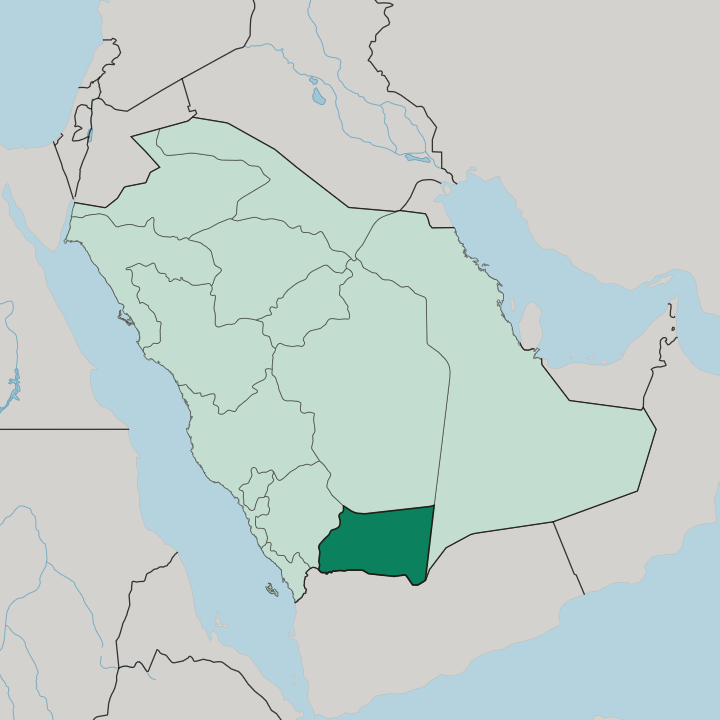
Najran fills the southwestern corner of Saudi Arabia. It runs right up against Yemen, which forms its long southern border. The Asir Region and its highlands rise to the west, and the vast interior provinces spread away to the north.
The land divides into three. In the west sit the tail of the Asir uplands and the Najran plateau, cut by valleys draining off the mountains. Through the centre runs Wadi Najran, the best known of its valleys, whose water turns the oasis green for citrus, dates, and grain across roughly two in five hectares of the region.
The east is a different world. There the Rub' al-Khali, the Empty Quarter, pours in from the interior, and about a quarter of that great sand sea inside Saudi Arabia lies within Najran's bounds. Dunes replace fields, and settlement all but stops.
The capital, Najran city, stands where the valley meets the plateau in the west, well clear of the sands. It sits above 1,290 metres, high enough that the region runs a few degrees cooler than Riyadh far to the north. That height, the border, and the desert together set the shape of the place.
What is Najran Region like?
Najran feels distinct from the rest of Saudi Arabia. The region is the homeland of the Yam tribe, and its old quarters keep a building tradition of their own. Mud-brick towers rise several storeys, their thick walls cool against the desert heat, their ceilings carried on palm rafters and their façades cut with pale geometric patterns.
Al-Aan Palace, built in the seventeenth century above the palm groves, shows the style. Craft and trade fill the old town. Much of the culture reaches back to the caravan age.
Frankincense and myrrh moved north through Najran for centuries, and the ruins at Al-Ukhdud mark where that trade once gathered. The regional museum keeps inscriptions in Thamudic, Nabataean, Sabaean, and early Arabic scripts, a record of the many peoples who passed this way. Arabic is the language of the region, as across the Kingdom.
Food, dress, and dialect here still lean toward the old south of Arabia rather than the capital.
What is the history of Najran Region?
Few places in Arabia are older. Al-Ukhdud grew rich on the incense caravans before the Christian era, and by the sixth century it held a notable Christian community, remembered in the massacre of 525 that the Quran records as the People of the Ditch. Roman forces had reached the oasis far earlier, in 24 BC.
The modern chapter opened after the Saudi-Yemeni war of 1934, when the Treaty of Taif drew the region into Saudi Arabia, though the frontier with Yemen stayed disputed for decades.
What is the climate of Najran Region?
Najran has a hot desert climate, but altitude softens it. The capital sits above 1,290 metres. Here the valley meets the plateau, so its days run a few degrees cooler than Riyadh far to the north.
Rain is scarce and comes in brief bursts rather than a wet season, which is why the region leans on Wadi Najran and its dam for water. The summer months bake the valley with dry desert heat. The Empty Quarter in the east stays hotter and emptier of rain than the western uplands.
How do you get to Najran Region?
Most visitors reach Najran by air. Najran Domestic Airport lies a short drive south of the capital and links the region to Riyadh, Jeddah, and other Saudi cities on domestic flights. There is no international service.
Overland, roads climb in from the Asir Region and its highlands to the west, the usual approach for drivers, since the southern edge is the closed Yemeni border and the east dissolves into the Empty Quarter. From the airport or the highway, the sights cluster within short reach of Najran city.
Common questions
What is the best area to stay in Najran Region?
Najran city centre: reaching Al-Ukhdud and the old town. Wadi Najran and the palm villages: the citrus and date country west of town. The Empty Quarter edge: dune trips into the Rub' al-Khali.
Good for
More regions in Saudi Arabia
Updated October 2026