Saudi Arabia
Ha'il Region, Saudi Arabia — Towns & Travel Guide
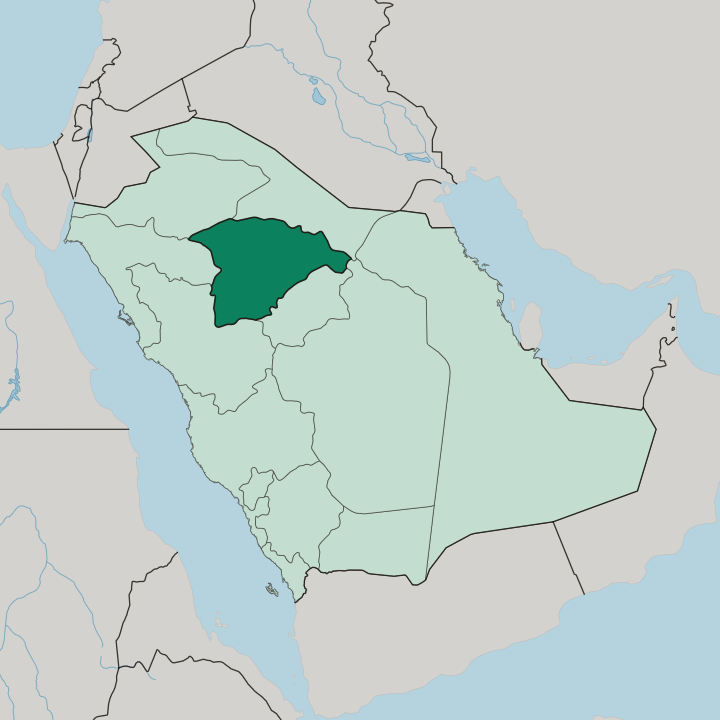
Ha'il Region fills north-central Saudi Arabia, its granite Aja peaks rising straight from the red sands of the Nafud desert.
Hotel links are affiliate links: booking through them may earn us a commission, at no extra cost to you. It never affects how places are ranked. How this works


Towns & cities in Ha'il Region
One town here has its own guide — it links to where to stay.
 Saudi Arabia
Ha'il
Ha'il is a city of northern Saudi Arabia, an old oasis town on the pilgrim road, ringed by red desert and granite peaks, famed in Arabia for its rock art.Where to stay →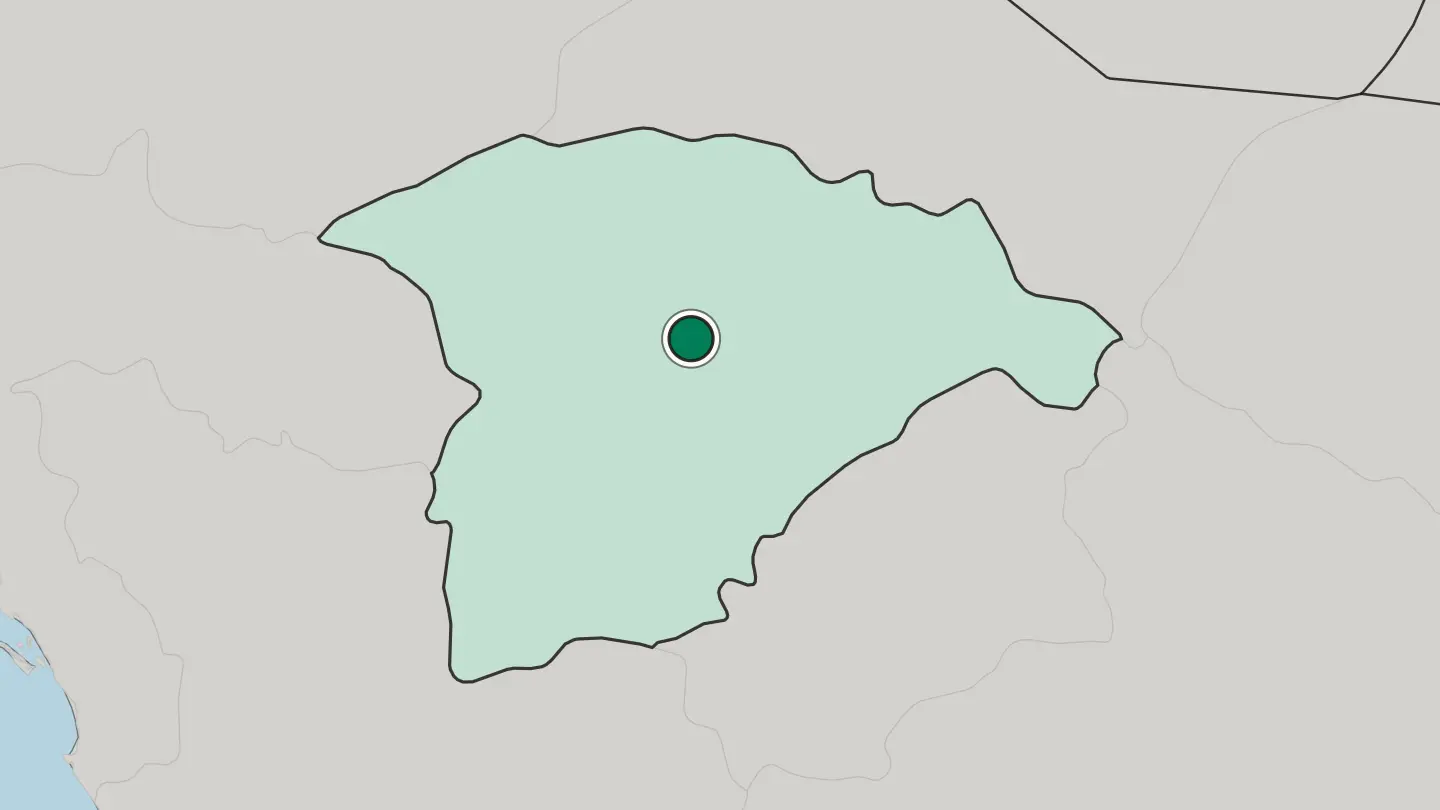
Hotel links are affiliate links: booking through them may earn us a commission, at no extra cost to you. It never affects how places are ranked. How this works
About Ha'il Region
Two things make this corner of the Najd famous.
What is Ha'il Region known for?
The first is stone. Carved panels at Jubbah and Shuwaymis, inscribed by UNESCO in 2015, record nearly ten thousand years of desert life on rock faces that once looked out over freshwater lakes. The second is a name.
Ha'il was the home of Hatim al-Tai, the pre-Islamic poet of the Tayy tribe whose generosity became a proverb spoken across the Arab world. The twin Aja and Salma mountains rise above the city, and the reddish dunes of the Nafud roll north from their feet.
Where is Ha'il Region?
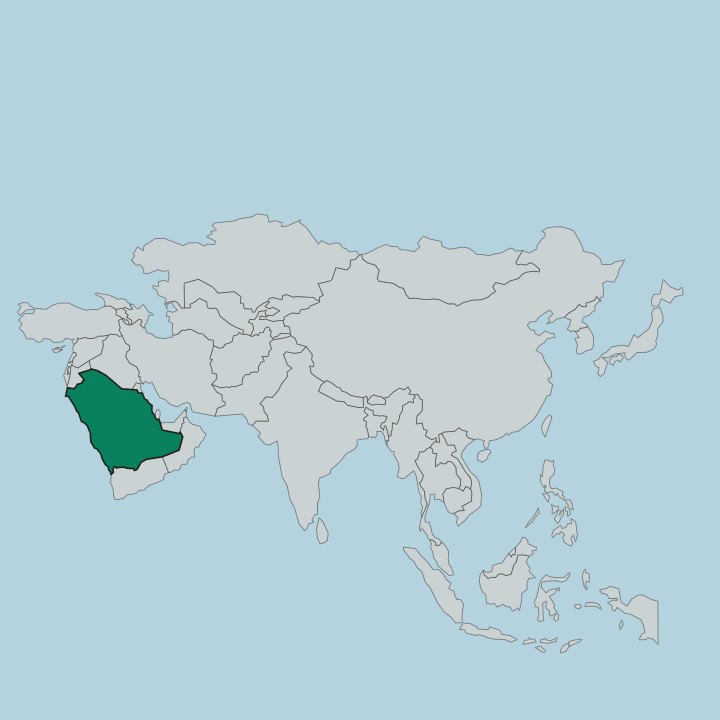
Ha'il Region sits in north-central Saudi Arabia, part of the wider Najd that fills the heart of the Arabian Peninsula. Not a single stretch of coast reaches this inland province. No coast touches it anywhere, and it shares borders with al-Jawf, the Northern Borders region, Tabuk, al-Madinah, and al-Qassim.
The land splits cleanly into two. Across the centre run the Shammar Mountains, which branch into the granite Aja range to the west and the basalt Salma range to the east. Aja climbs to roughly 1,550 metres and counts among the highest ground on the whole Najd plateau, and the city of Hail shelters in the folds below it.
North of the peaks the ground opens out into the Nafud, a great desert of brick-red dunes covering some 65,000 square kilometres. The sand here is not the pale grey of a Gulf beach but a deep rust, coloured by iron in the grains. That desert links eastward, through a long belt of dunes and gravel plains called the Dahna, all the way to the Rub' al Khali far to the south.
The whole region lies high, near 900 metres above the sea, and that altitude does much to soften its heat. Water is scarce and precious. Wells, springs and the old lakebeds that fed the rock artists have shaped where people settle to this day.
What is Ha'il Region like?
Generosity is the local creed, and the region wears it as identity. This is Hatim al-Tai's country. The Tayy chief who lived here in the sixth century became the byword for hospitality across Arabic literature, and his name still stands for open-handedness from Morocco to Iraq.
That reputation is not idle folklore. The tribes of the Shammar mountains built their standing on feeding the traveller and the Hajj caravan that once passed through on the road to the holy cities. Desert culture drives the calendar.
Each winter the region stages the Hail Toyota International Rally, sending cars and motorcycles thundering across the Nafud dunes, while the Hail Desert Life Festival gathers falconers, camel breeders and poets to trade the skills of the sands. Away from the events, the older heritage still holds. Coffee poured for a guest, verse recited from memory, and the herding year still mark time out here.
Arabic is the language of the region, spoken in the Najdi dialect of central Arabia. Farming shapes the modern face of the land as much as the poems shape its self-image. The plains northeast of the city carry some of the kingdom's largest wheat fields and dairy herds, green circles of irrigation set against the red sand.
What is the history of Ha'il Region?
People have marked these rocks for millennia. Long before any state, hunters at Shuwaymis and Jubbah carved cattle, lions and human figures into the sandstone, and camel caravans later made Jubbah a staging post on the desert trails. From 1836 the city of Hail ruled as capital of the Emirate of Jabal Shammar, the state of the Rashidi dynasty of the Shammar tribe, which for the better part of a century contested central Arabia with the House of Saud.
In 1921 the forces of King Abdulaziz took Hail, and the emirate was folded into the kingdom that became Saudi Arabia.
What is the climate of Ha'il Region?
This is hot desert country. Yet its height on the Najd plateau, near 900 metres, takes the edge off the heat that scorches the lowland cities of the kingdom, and Hail can wake to frost on a January morning. Summers are brutal and bone-dry.
Winters turn genuinely cold at night, and the cool months from the turn of the year draw the rally and most travellers. Rainfall over the Nafud comes only seldom. When it does fall it comes in brief bursts that green the floor of the Nafud for a few short weeks before the sand reclaims it.
How do you get to Ha'il Region?
Flying is the sensible way in. Hail International Airport sits just outside the city and takes Saudia and flynas flights from Riyadh, Jeddah and Dammam, with the hop from Riyadh running about ninety minutes. The road is the other option, a long desert drive north from Riyadh or Medina across the Najd.
Once you land, a car is all but essential. The rock-art sites and dune country lie hours apart, and there is no rail line and little public transport to reach them.
Common questions
What is the best area to stay in Ha'il Region?
Central Hail: forts, markets and a first night in Ha'il Region. The Jubbah road, northwest: an early start to the northern rock-art panels. The Shuwaymis road, southwest: the southern petroglyph fields far from the city.
Good for
More regions in Saudi Arabia
Updated September 2026