Saudi Arabia
Medina Region, Saudi Arabia — Towns & Travel Guide
Medina Region spreads across the Hejaz of western Saudi Arabia, holding Islam's second city, the Red Sea port of Yanbu, and the tombs of Hegra.
Hotel links are affiliate links: booking through them may earn us a commission, at no extra cost to you. It never affects how places are ranked. How this works


Towns & cities in Medina Region
One town here has its own guide — it links to where to stay.
 Saudi Arabia
Madinah
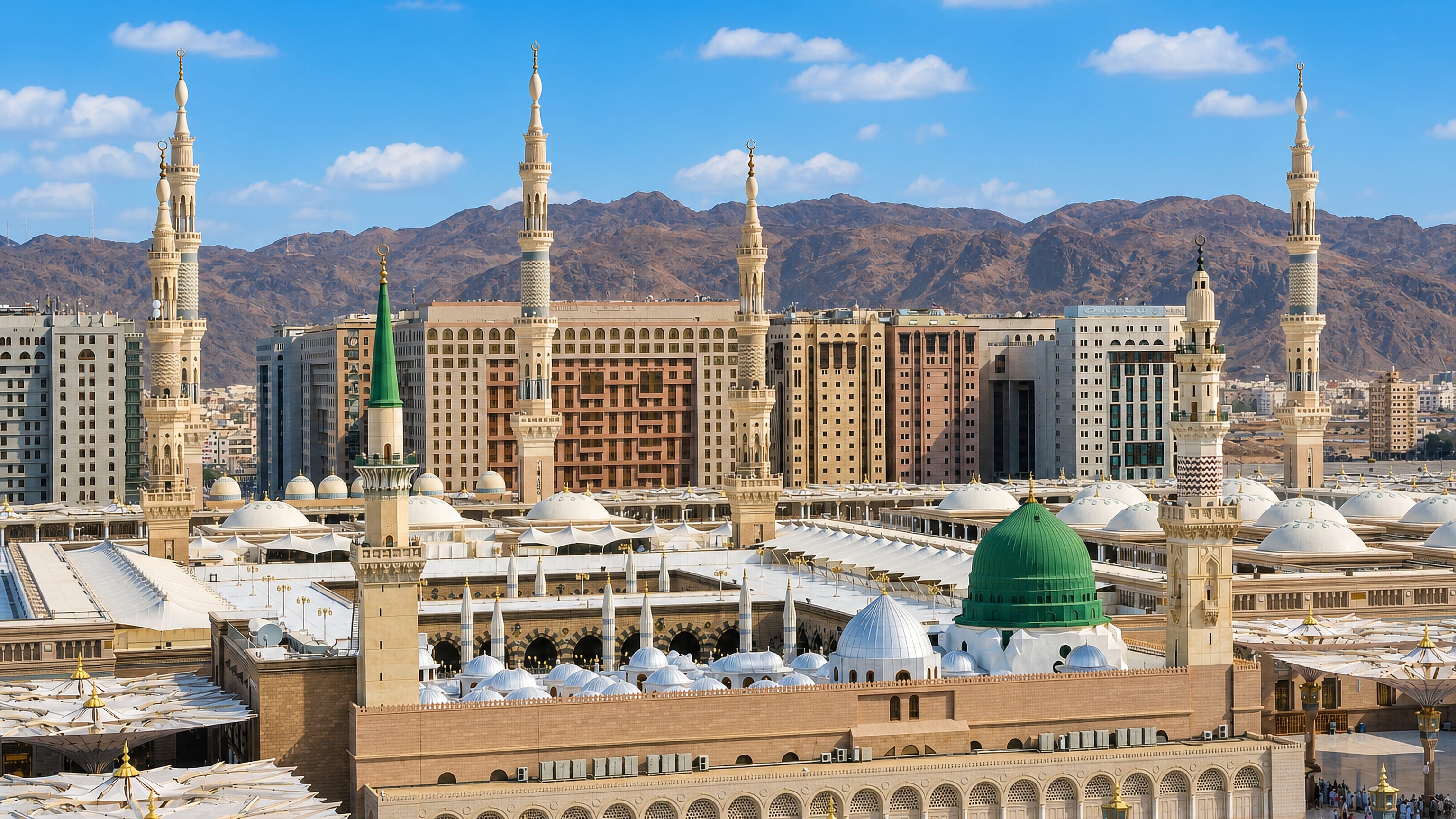
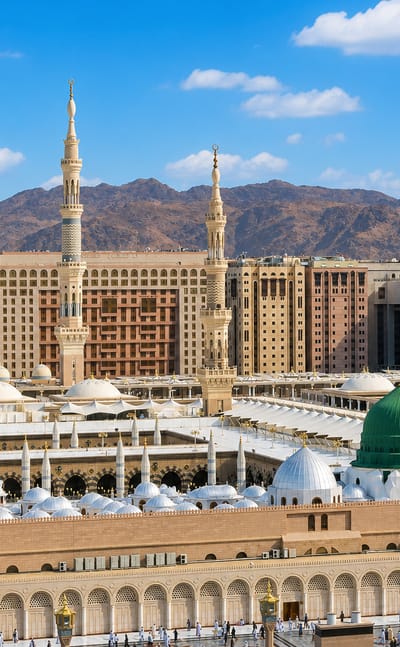
The Prophet's Mosque anchors Madinah, a city of the Hejaz in western Saudi Arabia, the second holiest place in Islam and capital of Medina Province.Where to stay →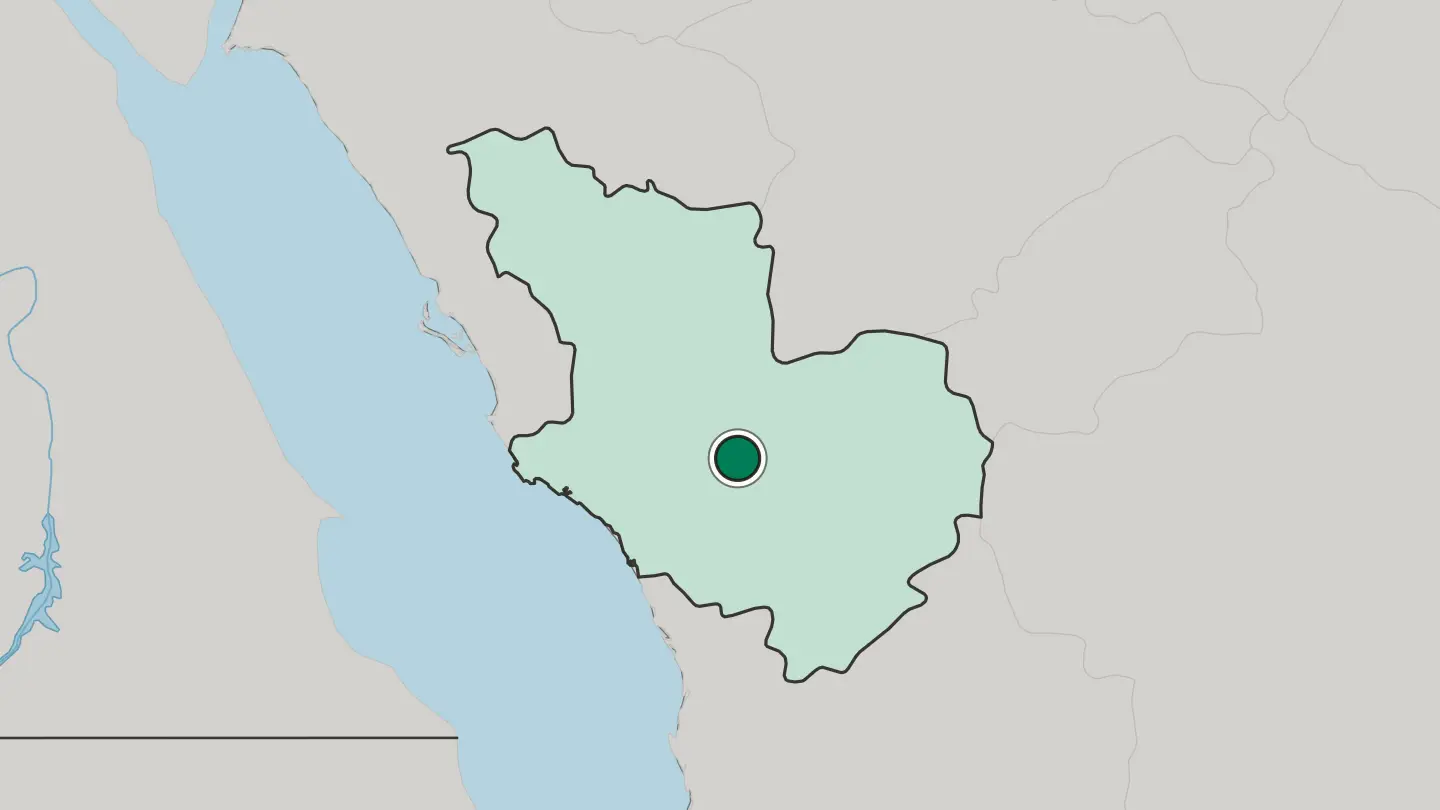
Hotel links are affiliate links: booking through them may earn us a commission, at no extra cost to you. It never affects how places are ranked. How this works
About Medina Region
What is Medina Region known for?
The region takes its name from Medina, the city where the Prophet Muhammad settled after leaving Mecca in 622 and where the Prophet's Mosque now holds his tomb. Pilgrims define it. Beyond the holy city, the land runs west to the Red Sea at Yanbu and north into the sandstone valleys of Al-Ula, where the Nabataeans carved the rock tombs of Hegra almost two thousand years ago.
Dark lava fields, palm oases at Khaybar, and old gold workings at Mahd adh-Dhahab fill the ground in between.
Where is Medina Region?
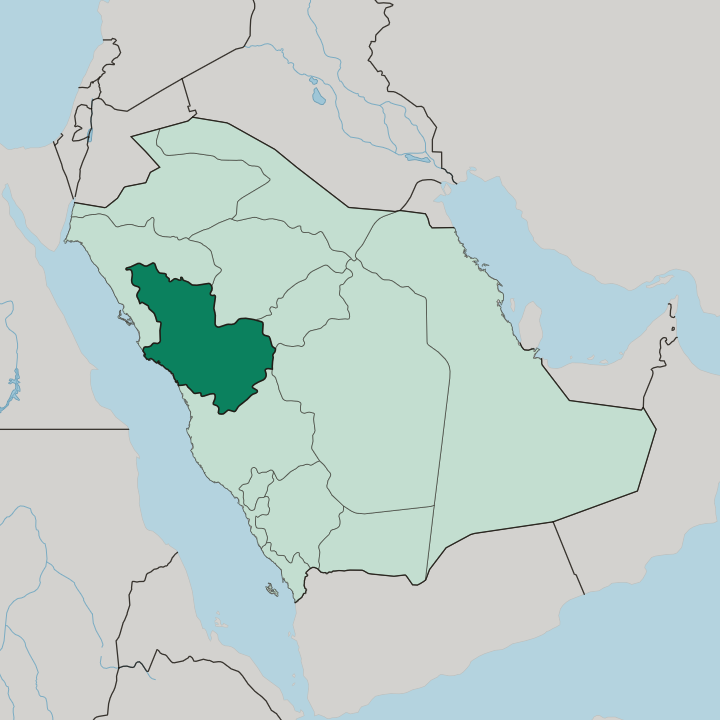
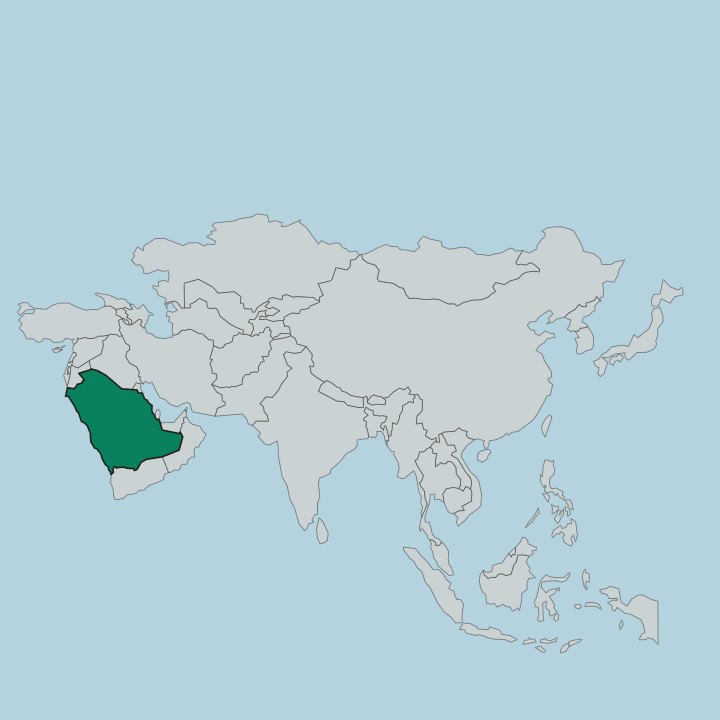
Medina Region occupies the northern Hejaz, the strip of western Saudi Arabia that faces the Red Sea. Few Saudi provinces run larger. Covering roughly 150,000 square kilometres, it ranks third in size among the country's provinces and gathers eight governorates around the seat at Medina city.
The land climbs in three steps from the water inland. Along the Red Sea runs the narrow coastal plain of the Tihamah, where the port of Yanbu sits; behind it the Hejaz Mountains rise in a wall of granite peaks, Mount Radwa among the tallest; and east of the crest the ground opens into high desert, oasis, and lava. Those lava fields set the region apart.
The Harrat Rahat, one of the largest basalt fields in Arabia, spreads south from Medina city for some 300 kilometres, its black rock threaded with old cones. North of the holy city lie the palm oasis of Khaybar and the sandstone valleys of Al-Ula, and further out the gold workings of Mahd adh-Dhahab break the desert floor. Mecca lies just south beyond the provincial line, and the whole of this ground belongs to the Hejaz, the western edge of the Arabian Peninsula.
What is Medina Region like?
Faith orders life here more than anywhere else in Arabia except Mecca. Medina is the second-holiest city in Islam, closed to non-Muslims at its centre, and the daily crowds that fill the Prophet's Mosque shape the pace of the whole region. Arabic carries both street and prayer.
Around the mosque the trade turns on pilgrimage, from the guesthouses and date stalls to the long day-and-night movement of visitors who have come for the tomb of the Prophet. Step outside the holy city and the culture shifts toward the land itself. Khaybar's oasis has grown dates on basalt terraces since long before Islam, and its fruit was carried to Medina's markets in the earliest years of the faith.
At Al-Ula the story is older still, written in Nabataean and Dadanitic inscriptions across the cliffs, and the modern town has turned that heritage into a season of open-air concerts and desert festivals. Coastal Yanbu keeps a different temper, a working Red Sea port with a fishing quarter and a corniche. One region holds the sacred, the ancient, and the maritime at once.
What is the history of Medina Region?
The history that matters most began in 622, when the Prophet Muhammad left Mecca for the oasis town then called Yathrib and made it the seat of the first Muslim community. Everything turned on that move. Two years later his followers met the Quraysh of Mecca at Badr, on the plain near the Red Sea, in the battle that secured the young faith; the oasis of Khaybar fell to them a few years after.
Long before any of it, the Nabataeans of Al-Ula cut the tombs of Hegra into the sandstone, and the caravan routes through this ground carried incense north for centuries.
What is the climate of Medina Region?
The climate is hot desert, dry for most of the year. Summers scorch. Through the long months from spring into autumn the inland air around Medina and Al-Ula climbs well past forty degrees, cooling only after dark, while the Red Sea coast at Yanbu trades that furnace heat for a heavy salt humidity.
What little rain falls comes in short winter bursts between November and January, enough to green the wadis briefly before the basalt of the Harrat Rahat bakes dry again. Spring and autumn are the kind seasons for the desert.
How do you get to Medina Region?
Most visitors fly straight into Medina, where the airport handles both the pilgrim traffic and international routes. Flights are the usual door. The high-speed Haramain railway also runs into the holy city from Mecca and Jeddah on the coast, cutting the desert crossing to a couple of hours, and paved highways link Medina west to the Red Sea port of Yanbu and north to Al-Ula through the lava country.
Al-Ula keeps its own airport for travellers heading directly for Hegra. Non-Muslims may enter the province but not the sacred core of Medina city.
Common questions
What is the best area to stay in Medina Region?
Medina: the pilgrimage and the Prophet's Mosque. Yanbu: the Red Sea coast and diving. Al-Ula: the Nabataean tombs of Hegra.
Good for
More regions in Saudi Arabia
Updated September 2026