Sweden · Dalarna County
Where to Stay in Avesta, Dalarna County
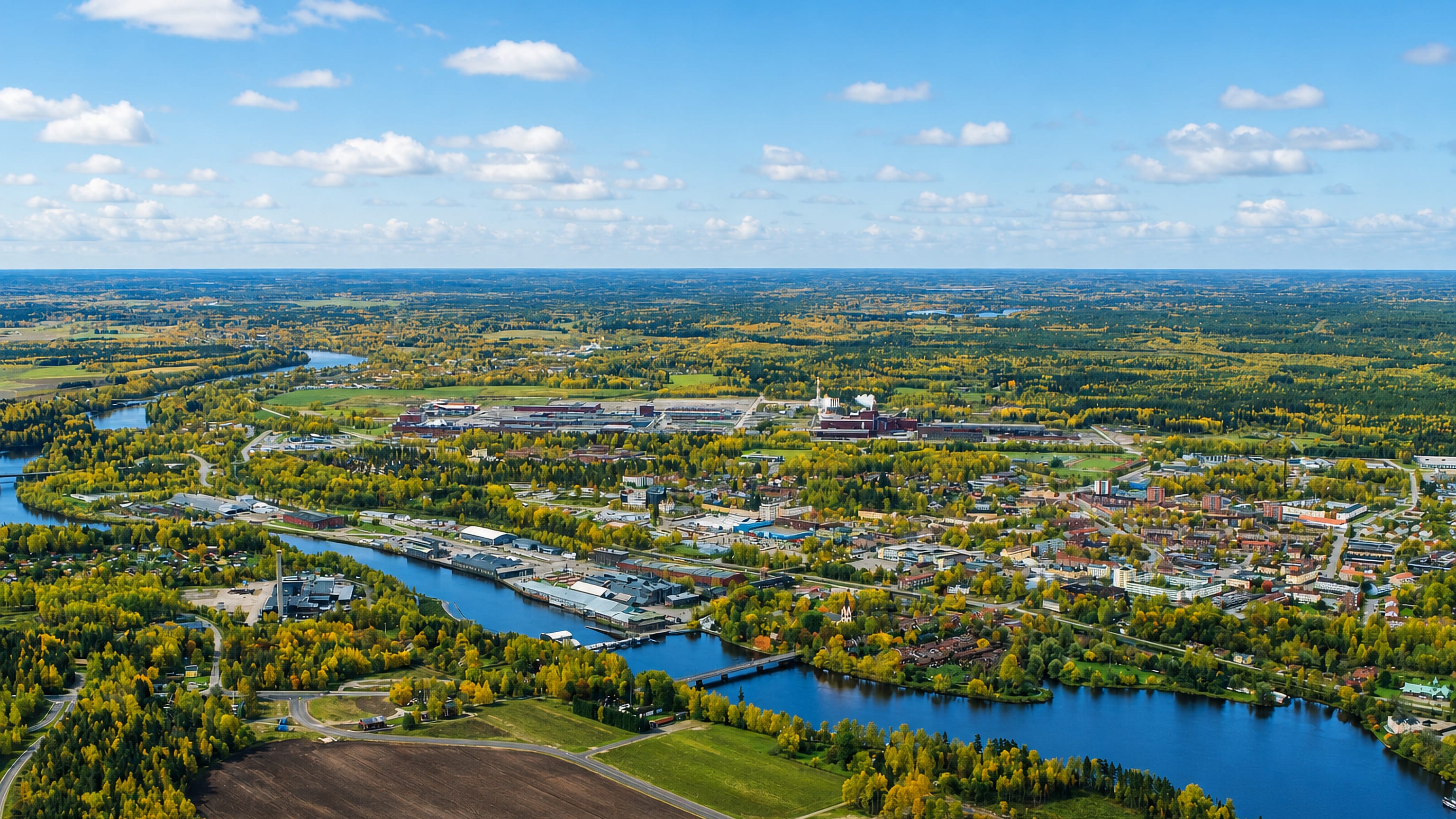
Avesta is an old copper-and-iron town in south-eastern Dalarna County, set on the Dalälven where the river drops over falls that once drove its works.
Hotel links are affiliate links: booking through them may earn us a commission, at no extra cost to you. It never affects how places are ranked. How this works


Where to stay in Avesta
Where visitors usually base themselves, and why.
Most visitors stay in the centre, the compact streets around Avesta kyrka and the main square where shops, restaurants, and services sit within an easy walk. It suits travellers who want everything close and a short hop to the old works by the river. Rooms here run from a couple of straightforward hotels to smaller guesthouses.
Krylbo, the railway settlement to the north-east, is the practical alternative. Built around a junction on the main line, it puts you beside the trains and offers plainer, often cheaper lodging for anyone arriving by rail or moving on quickly. Commuters and budget travellers favour it.
Farther out, the lake-and-forest fringes toward the Dalälven valley suit drivers who want a quiet base with quick road access, trading walkability for green surroundings and calm. Stay central for the town. Pick Krylbo for the railway.
Find hotels in Avesta
Direct booking searches for these neighbourhoods.
Town centre
Avesta kyrka, the Verket works and shops within a short walk. Lodging is scarce in this area; reserve in advance.Find hotels in Town centrerail travellers on a budgetKrylbo
plain lodging beside the main-line junction. Rooms are few around here — worth securing early.Find hotels in Krylbodrivers after lakeside calmValley fringes
calm lake-and-forest base with quick road accessFind hotels in Valley fringesHotel links are affiliate links: booking through them may earn us a commission, at no extra cost to you. It never affects how places are ranked. How this works
Things to do in Avesta
Ranked by global recognition; descriptions from Wikidata (CC0).
Museums & Galleries
3- Koppardalen working life museum
- Avesta gamla kraftstation
- Avesta myntmuseum
Churches & Religious Sites
3- Avesta Church Heritage
- Grytnäs Church Heritage
- Krylbo Church Heritage
Stadiums & Sports
1- Avestavallen
worth knowingacross 3 categories in Avesta
About Avesta
Copper made Avesta.
What is Avesta known for?
For generations the town's great works refined copper from the Falun mine and struck the realm's coins, including the heavy copper plate money that once served as Swedish currency. That industrial past lives on at Verket, the former mill turned art and heritage space beside the falls. A towering Dalahäst, the painted wooden horse of the province, greets travellers on the edge of town.
Avesta kyrka crowns the centre.
What are the main landmarks in Avesta?
Verket is the town's defining site, the old copper and iron works beside the Dalälven falls reborn as a museum, art space, and home to the giant Dalahäst that marks the approach. Avesta kyrka anchors the centre with its tower. Out in the surrounding parishes stand the older churches of Grytnäs and Krylbo, each a quiet rural landmark.
The Aaltohuset, a building by the Finnish architect Alvar Aalto, brings a note of modern design to the streetscape. The falls still roar below the works.
What is the history of Avesta?
Avesta was built on copper. In the seventeenth century the crown moved the great copper works here, downstream of the famous Falun mine, to refine the metal and mint coins where the Dalälven falls could turn the hammers and bellows. The town that grew around the works minted the realm's copper plate money, the unwieldy slabs of metal that briefly stood in for cash across the kingdom, and for a long stretch Avesta was the beating heart of Swedish coinage.
When copper faded, iron took its place. The works turned to steel, and Avesta grew into an industrial town whose fortunes rose and fell with the mills along the river. The coming of the railway through Krylbo tied the town into the national network and spurred a second wave of growth.
Industry still defines the place, yet the old works have found a second life as a heritage and art destination, so the long story of metal and water remains visible at every turn of the falls.
Where is Avesta?
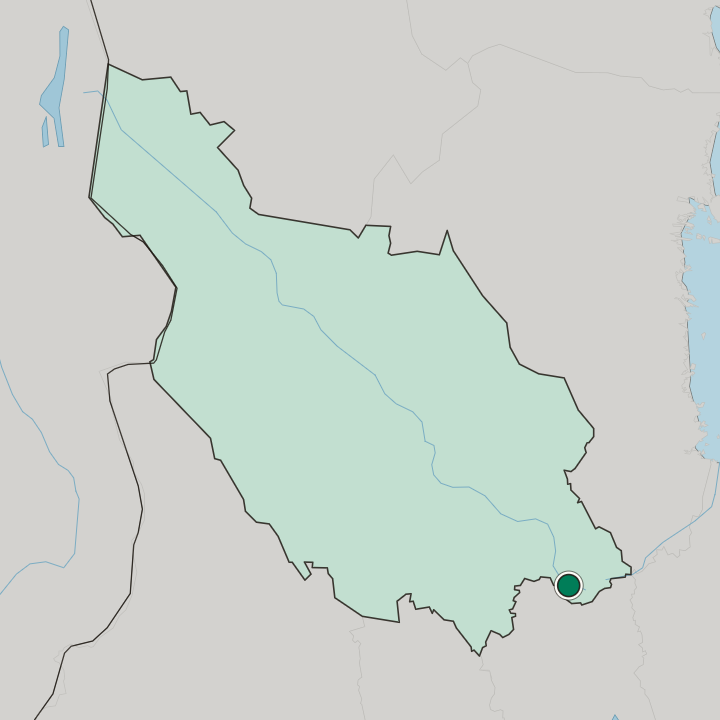
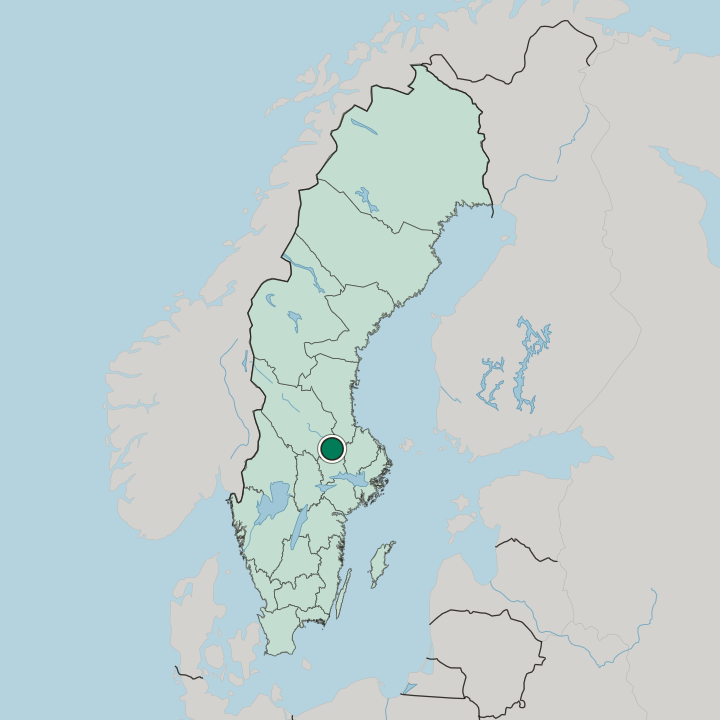
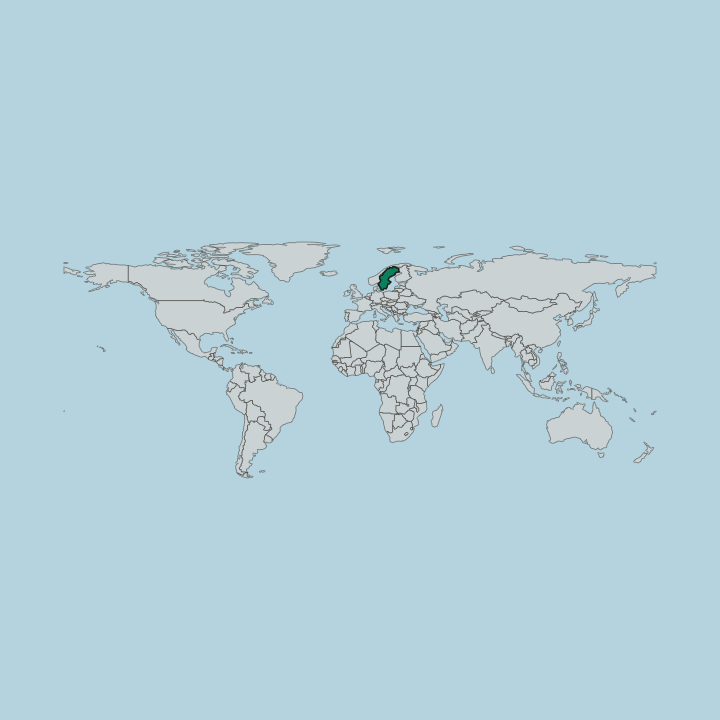
Avesta lies in the south-eastern part of Dalarna County, where the Dalälven sweeps down out of the province toward the central Swedish lowland. The river shapes the town. It drops over falls at the old works before winding on through forest and farmland, and the settlement spreads along its banks and across the surrounding rolling country of woods, lakes, and scattered parishes.
This is a wide municipality. Forest covers much of the land, with the built-up core gathered close to the water.
What is the climate of Avesta?
Avesta has a clear inland climate. Lying in central Sweden away from any moderating sea, the town sees cold, snowy winters and warm summers, with a sharper swing between the seasons than the milder coasts to the south. Snow lingers here.
Winter locks the Dalälven valley in white for months, while the short, bright summer brings long days and green forest, and crisp autumns paint the woods before the cold returns.
How do you get to Avesta?
Avesta is reached most easily by rail or road. Trains call at Avesta Krylbo, a junction on the main line that links the town north toward Borlänge and south toward Stockholm, set a short ride from the centre. By road the town sits near major routes through Dalarna, with good connections toward Borlänge, Gävle, and the capital.
Drivers find it straightforward. The nearest large airports lie at Borlänge and farther afield around Stockholm for travellers flying in.
Common questions
What is the best area to stay in Avesta?
Town centre: first-timers. Krylbo: rail travellers on a budget. Valley fringes: drivers after lakeside calm.
Good for
More cities in Dalarna County
Updated October 2026