Sweden · Dalarna County
Where to Stay in Orsa, Dalarna County
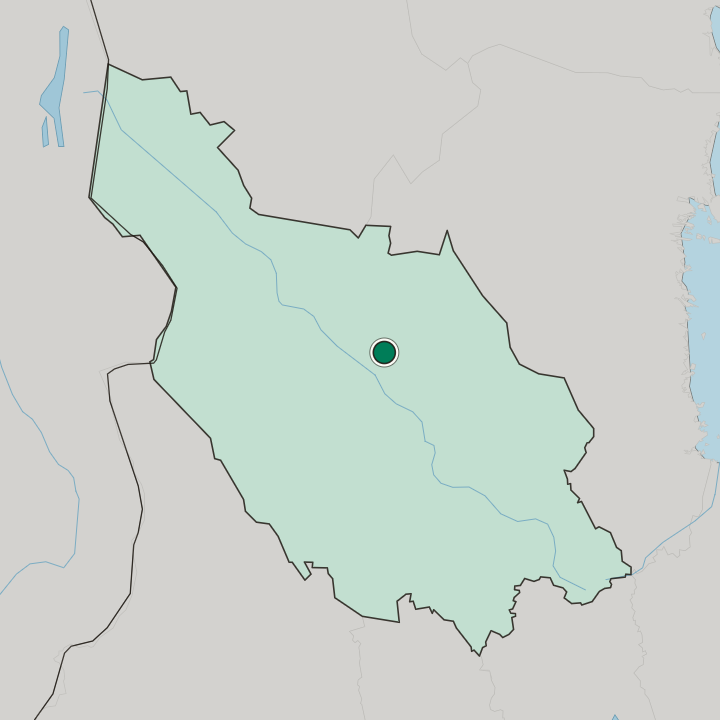
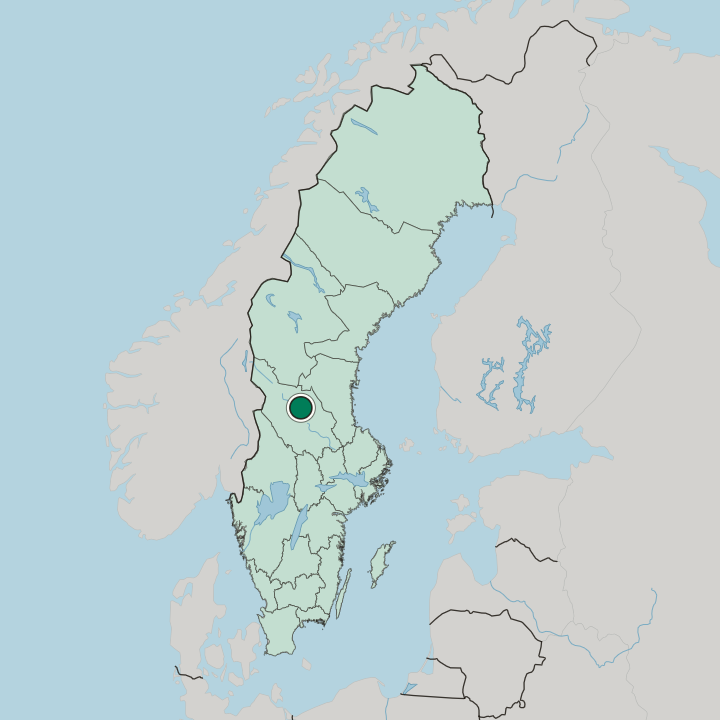
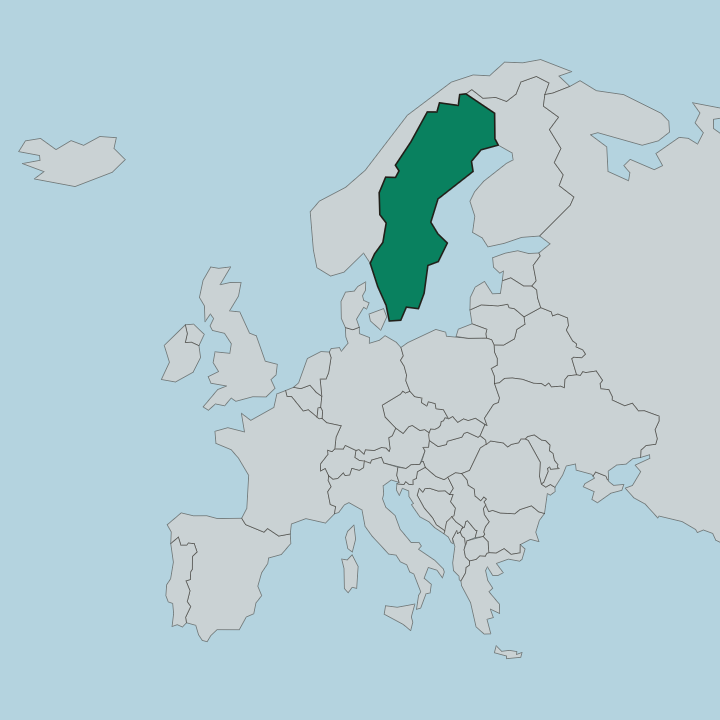
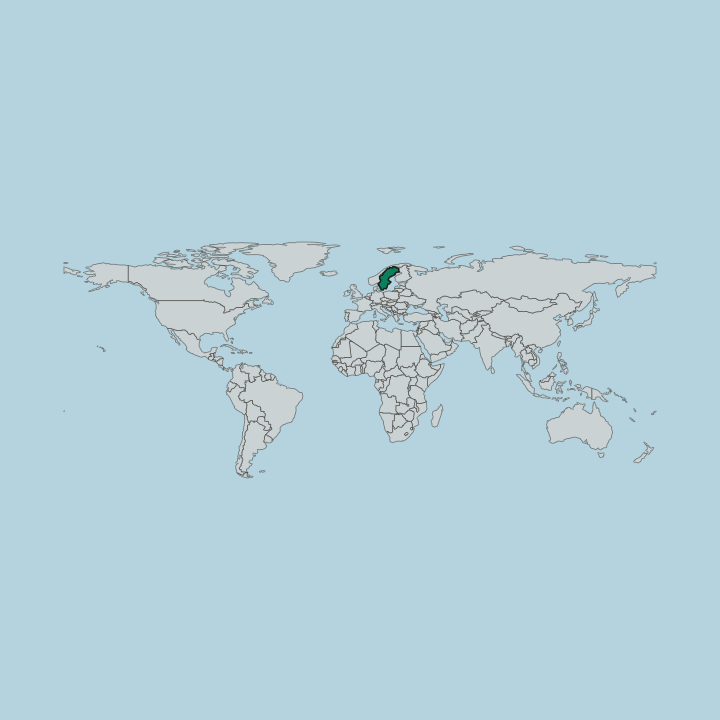
Orsa is a small town in the north-western part of Dalarna County, set near the northern shore of Lake Orsasjön in central Sweden.
Hotel links are affiliate links: booking through them may earn us a commission, at no extra cost to you. It never affects how places are ranked. How this works


Where to stay in Orsa
Where visitors usually base themselves, and why.
Most visitors stay in the town centre, the small cluster of streets near the church and the lake that keeps shops, cafes, and the station within an easy walk. It works well for those who come in by rail. Rooms here lean toward simple hotels and guesthouses rather than resort lodging.
The Grönklitt heights above the town are the other main choice, north-west of the centre, where cabins and resort rooms sit close to the ski lifts and the predator park. This setting works best for families and skiers who want the slopes and the animals at the door, even though it puts them a short drive from the town and the lake below. Cabins fill it in winter.
For a calmer base by the water, the lakeside stretch along Orsasjön offers quieter lodging with views over the lake, handy for cycling the Siljan ring or boating in summer, and the outer roads keep rates lower for drivers. Let your trip decide. The slopes or the lake decide it.
Find hotels in Orsa
Direct booking searches for these neighbourhoods.
Town centre
church, shops and the train all close at handFind hotels in Town centrefamilies and skiersGrönklitt heights
cabins beside the ski lifts and the predator parkFind hotels in Grönklitt heightsQuiet lakeside breaksOrsasjön lakeside
quieter lodging by the lake, good for cycling and boatingFind hotels in Orsasjön lakesideHotel links are affiliate links: booking through them may earn us a commission, at no extra cost to you. It never affects how places are ranked. How this works
About Orsa
Bears and skis define it.
What is Orsa known for?
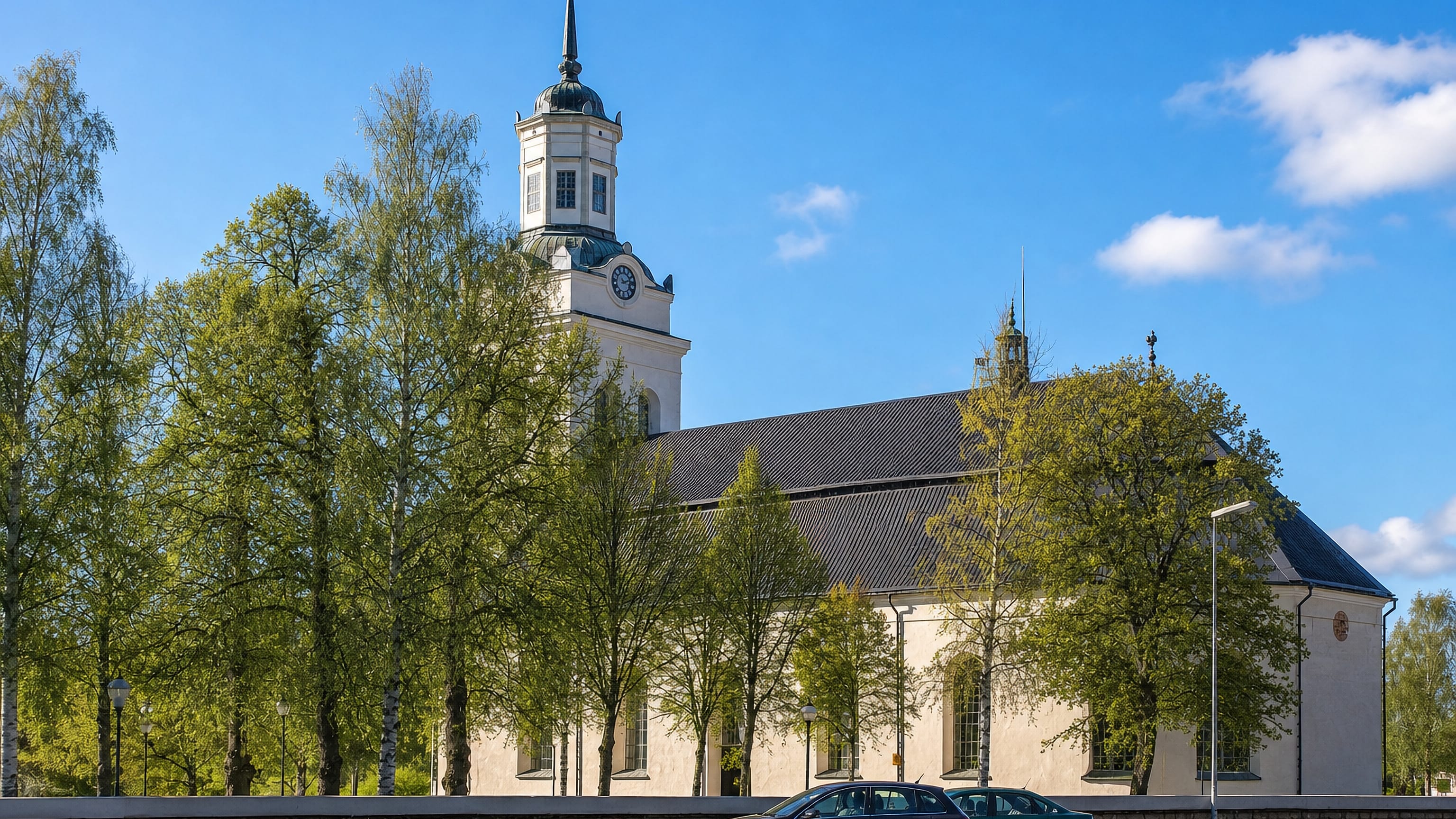
Orsa is known for the Grönklitt ski resort on the heights above town and for its large predator park, where bears and other wild animals draw families through the year, and the town also keeps a strong folk-music tradition in the Orsa Spelmän. Orsa kyrka stands in the centre. The forest climbs all around.
Most visitors come for the slopes or the animals rather than the town itself.
What are the main landmarks in Orsa?
Orsa kyrka is the town's chief landmark, a stone church standing at the centre near the lake. Above the town rises Grönklitt, the ski resort and its slopes, paired with the large predator park where bears and other wild animals roam in enclosed forest. The Orsa Spelmän keep the local fiddle tradition alive in concerts and gatherings.
Orsasjön spreads below. Together these places tie the town to its parish roots, its mountain slopes, and its strong line in folk music.
What is the history of Orsa?
Orsa is old forest country. Settlement grew near the northern end of Lake Siljan and the shore of Orsasjön, where the lakes offered fish and the surrounding woods gave timber and grazing, and for generations the people here farmed, fished, and worked the forest much as their neighbours across northern Dalarna did. The parish church marks that long settlement.
Music ran deep in the valley too. The local fiddle tradition, carried on by the Orsa Spelmän, became a part of the town's identity and tied it to the wider folk-music culture of Dalarna. In the modern era a different draw took shape on the heights above the town, as the Grönklitt resort opened its slopes to skiers and a large predator park brought bears and other wild animals within reach of visitors.
Tourism reshaped the local economy around these. The town now balances its quiet farming and forest past against a steady flow of families and skiers, and that mix of old craft and new attraction still shapes how the place earns its living.
Where is Orsa?
Orsa lies in the north-western part of Dalarna County, in central Sweden. The town sits near the northern shore of Orsasjön, the lake that joins Lake Siljan to the south, with the Oreälven running down through the valley. Forested hills rise on every side.
North of the town the country grows wilder toward the heights of Grönklitt and the deep woods beyond, while to the south the lake basin opens toward Mora and the broad water of Siljan.
What is the climate of Orsa?
Orsa sits under a cold inland sky. Winters run long and snowy, with deep cold settling over the lakes and forest and snow lying for months, which is just what sustains the long ski season up at Grönklitt. Summers stay short but mild.
The long northern days then warm the lakeshore enough for boating and walking before the cold returns. Between Orsa's cold winters and mild summers, spring and autumn slip by in a matter of weeks.
How do you get to Orsa?
Orsa is reached mainly by road and rail. Trains run to the town on the line up through Dalarna, and the station sits near the centre, while roads link it south to Mora and on around Lake Siljan. The nearest airport is Mora-Sälen for seasonal flights.
Buses connect the smaller villages nearby. Drivers from Stockholm head north-west through the province and past Siljan to reach the town and the slopes above it.
Common questions
What is the best area to stay in Orsa?
Town centre: Newcomers off the train. Grönklitt heights: families and skiers. Orsasjön lakeside: Quiet lakeside breaks.
Good for
More cities in Dalarna County
Updated September 2026