Sweden
Dalarna County, Sweden — Towns & Travel Guide
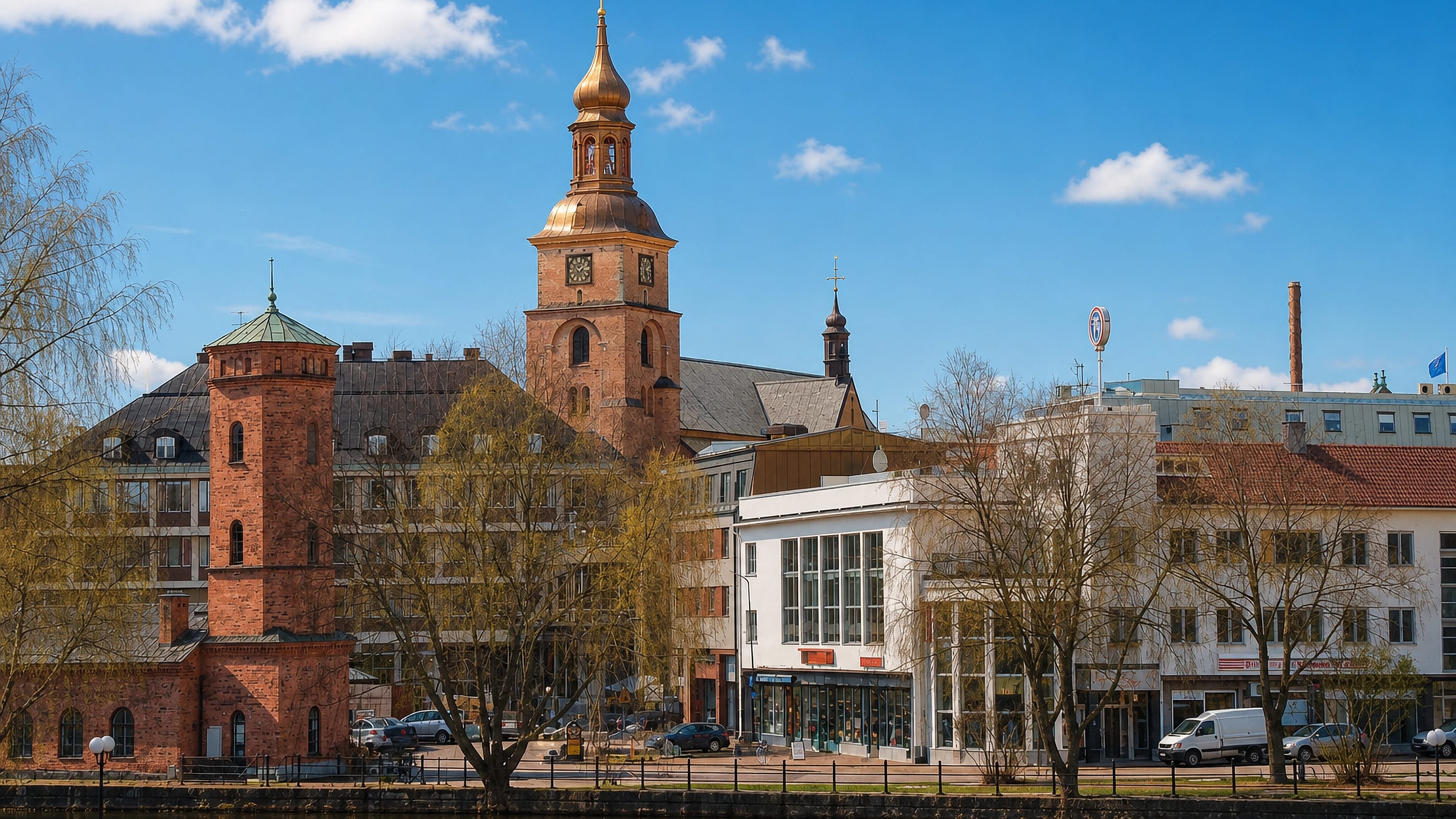
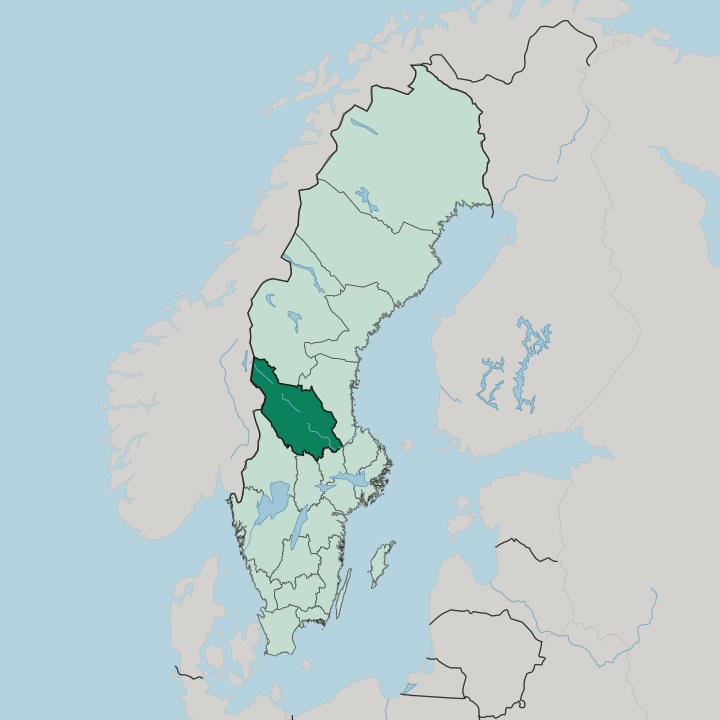
Dalarna County lies in central Sweden, a region of forests, lakes, and mountains in the heart of the country, with Falun as its capital.
Hotel links are affiliate links: booking through them may earn us a commission, at no extra cost to you. It never affects how places are ranked. How this works


Towns & cities in Dalarna County
Pick a town or city — each links to where to stay.
 Sweden
Borlänge
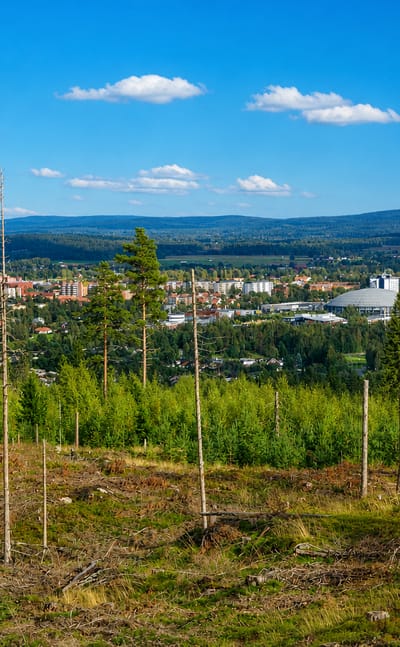
Borlänge is an industrial city in the southern part of Dalarna County, central Sweden, set on the Dalälven where steel and paper built the town.Where to stay →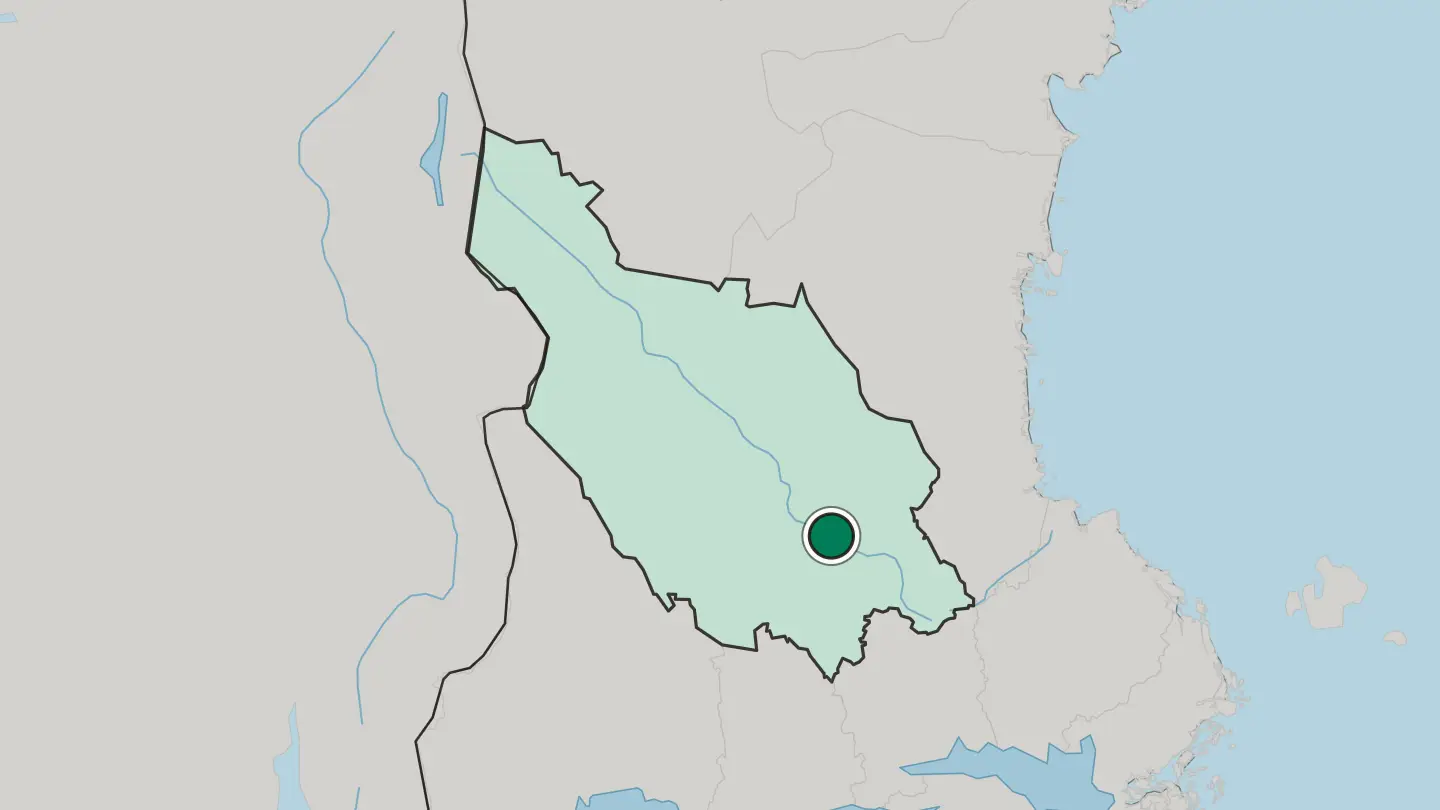
 Sweden
Falun
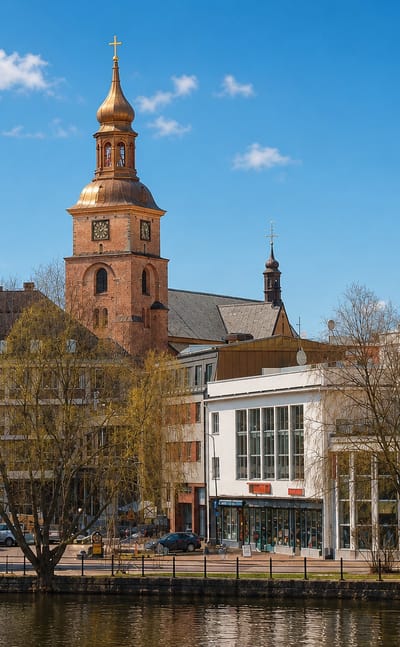
Falun is the seat of Dalarna County in central Sweden, a copper-mining city whose great pit and red-painted houses shaped a nation's image.Where to stay →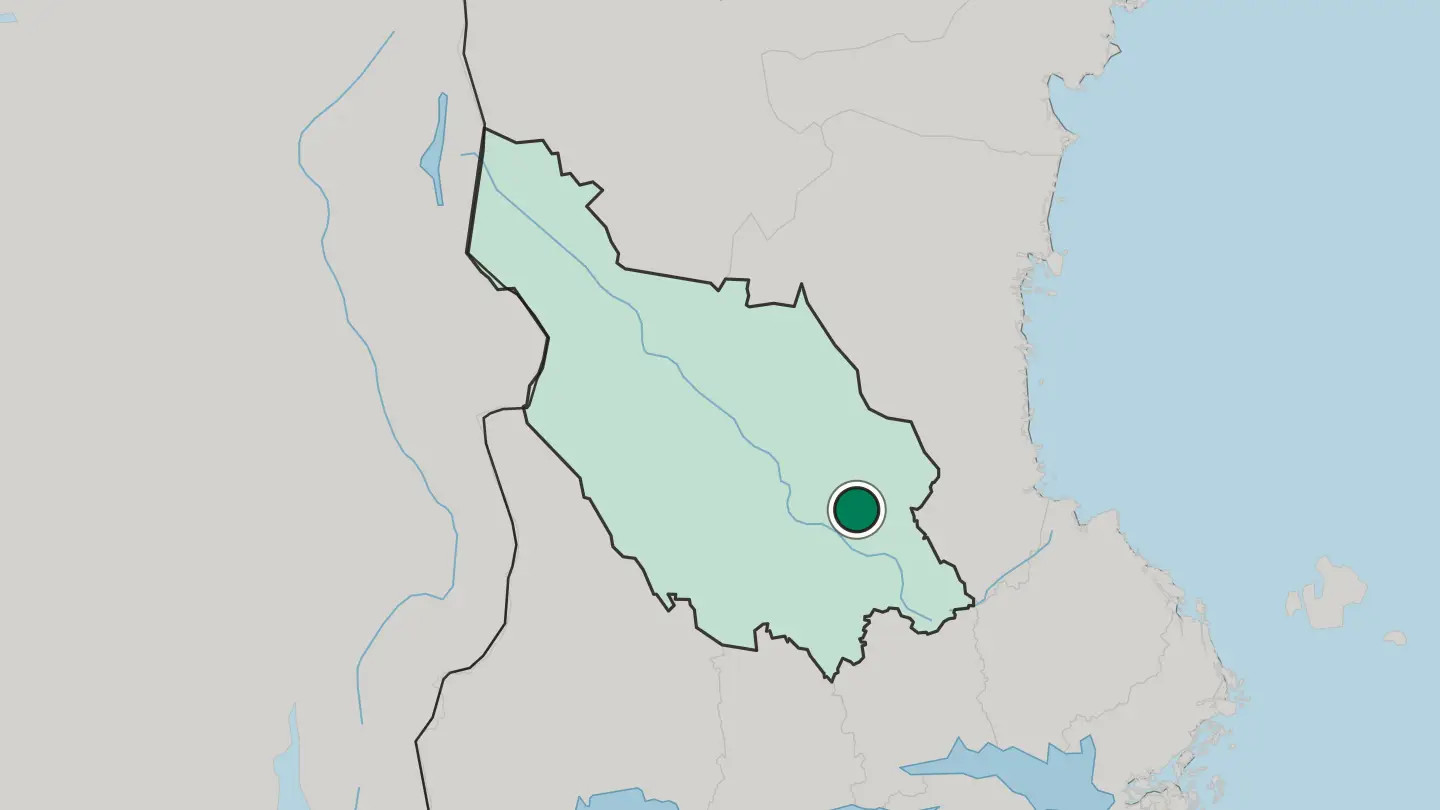 Sweden
Ludvika
Ludvika is an old mining and industrial town in the south-western part of Dalarna County, central Sweden, set among lakes and iron-bearing hills.Where to stay →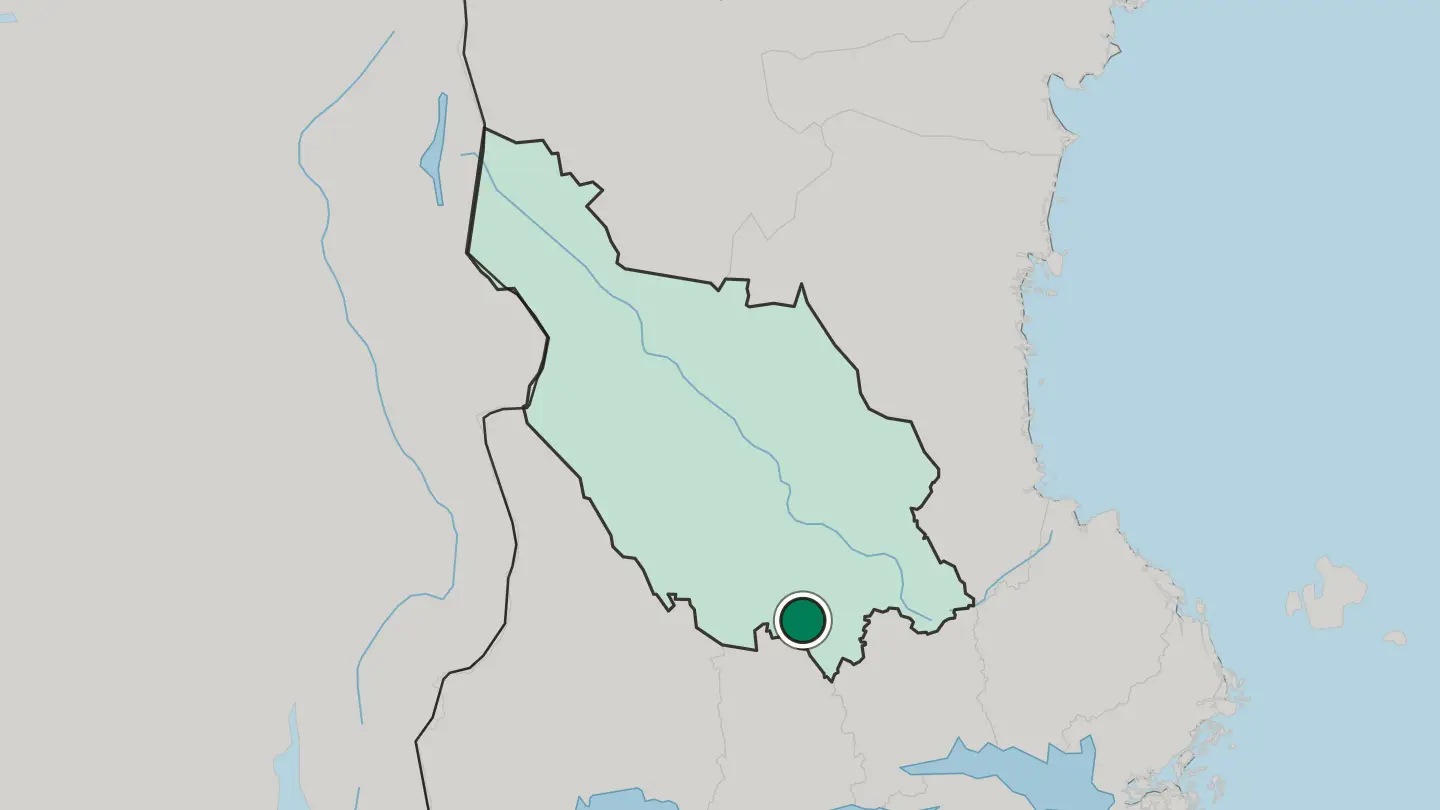
 Sweden
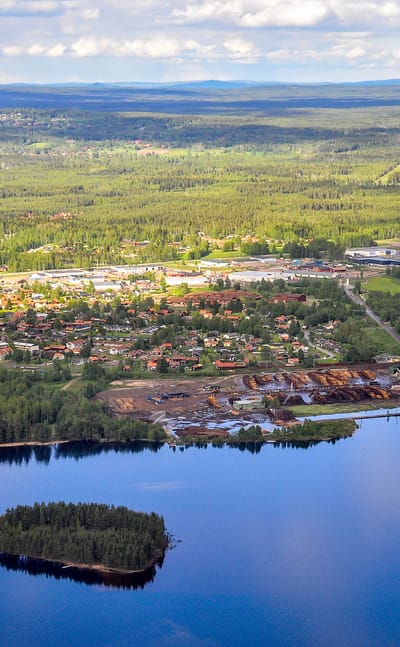
Mora
Mora is a lakeside town in the north-western part of Dalarna County, set where the Österdalälven meets Lake Siljan in central Sweden.Where to stay →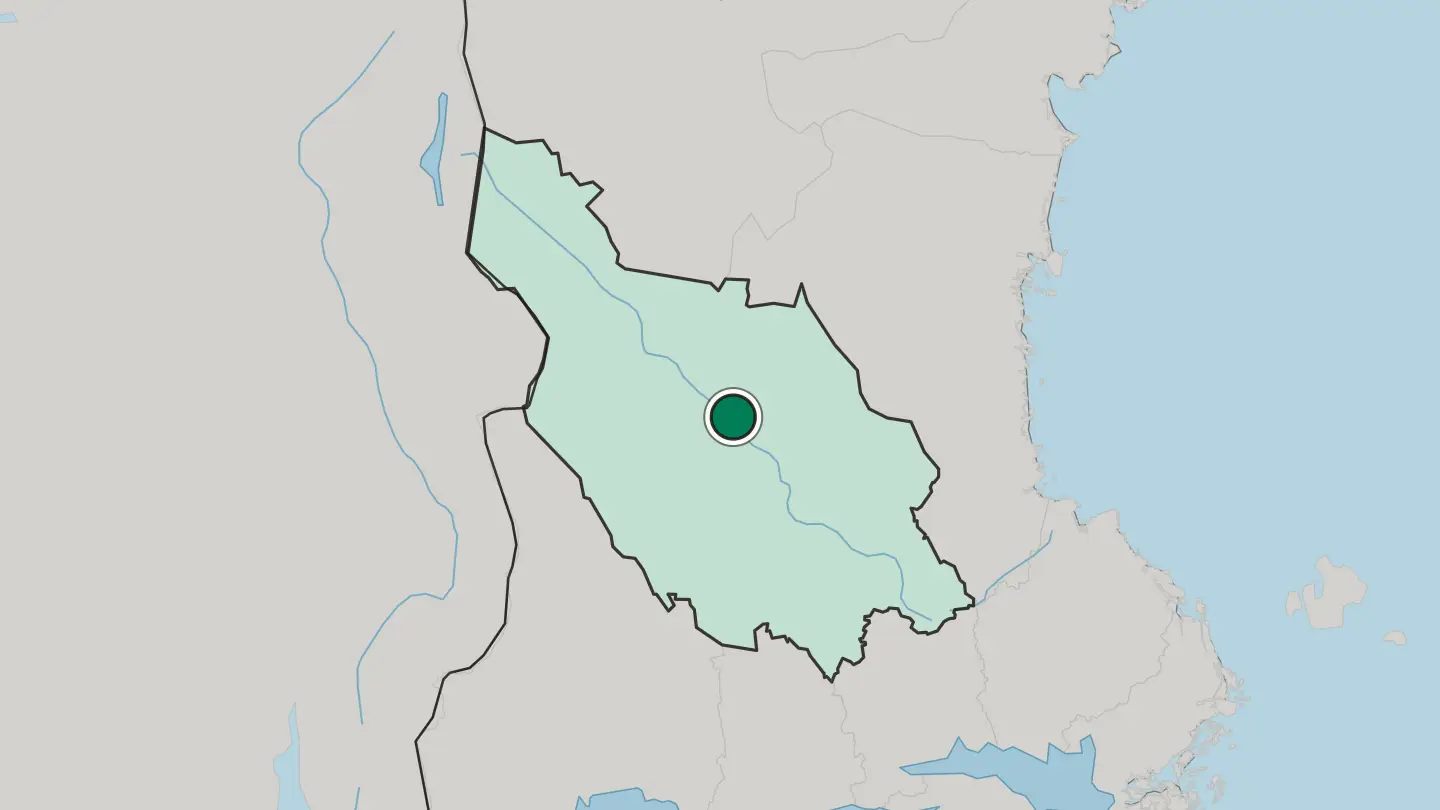
 Sweden
Avesta
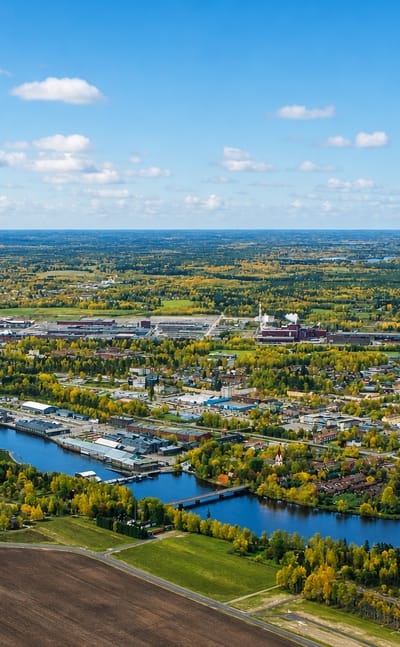
Avesta is an old copper-and-iron town in south-eastern Dalarna County, set on the Dalälven where the river drops over falls that once drove its works.Where to stay →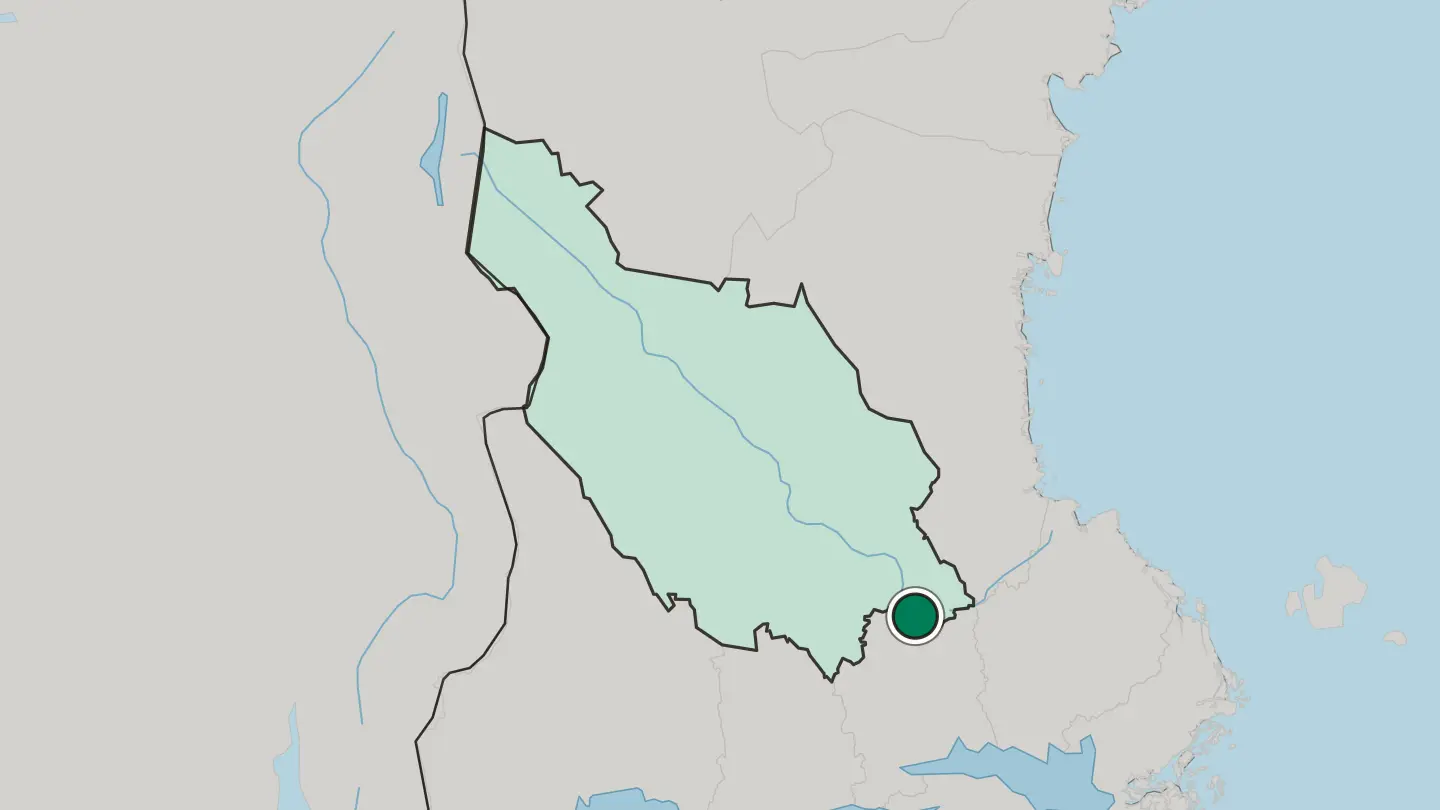
 Sweden
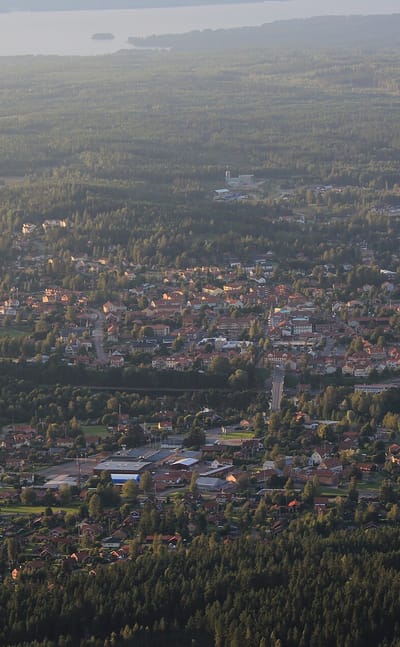
Hedemora
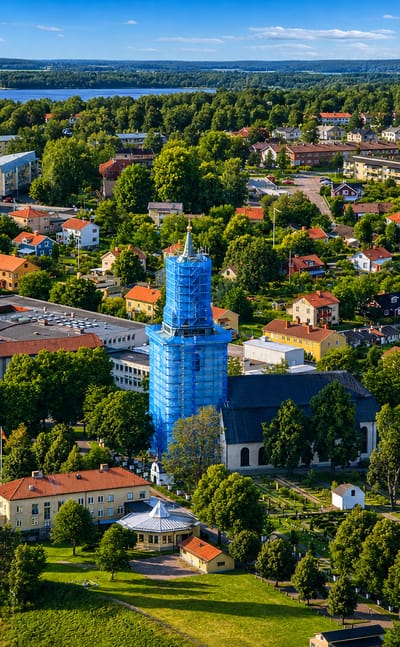
Hedemora is a small old town in the south-eastern part of Dalarna County, central Sweden, holding one of the province's longest civic histories.Where to stay →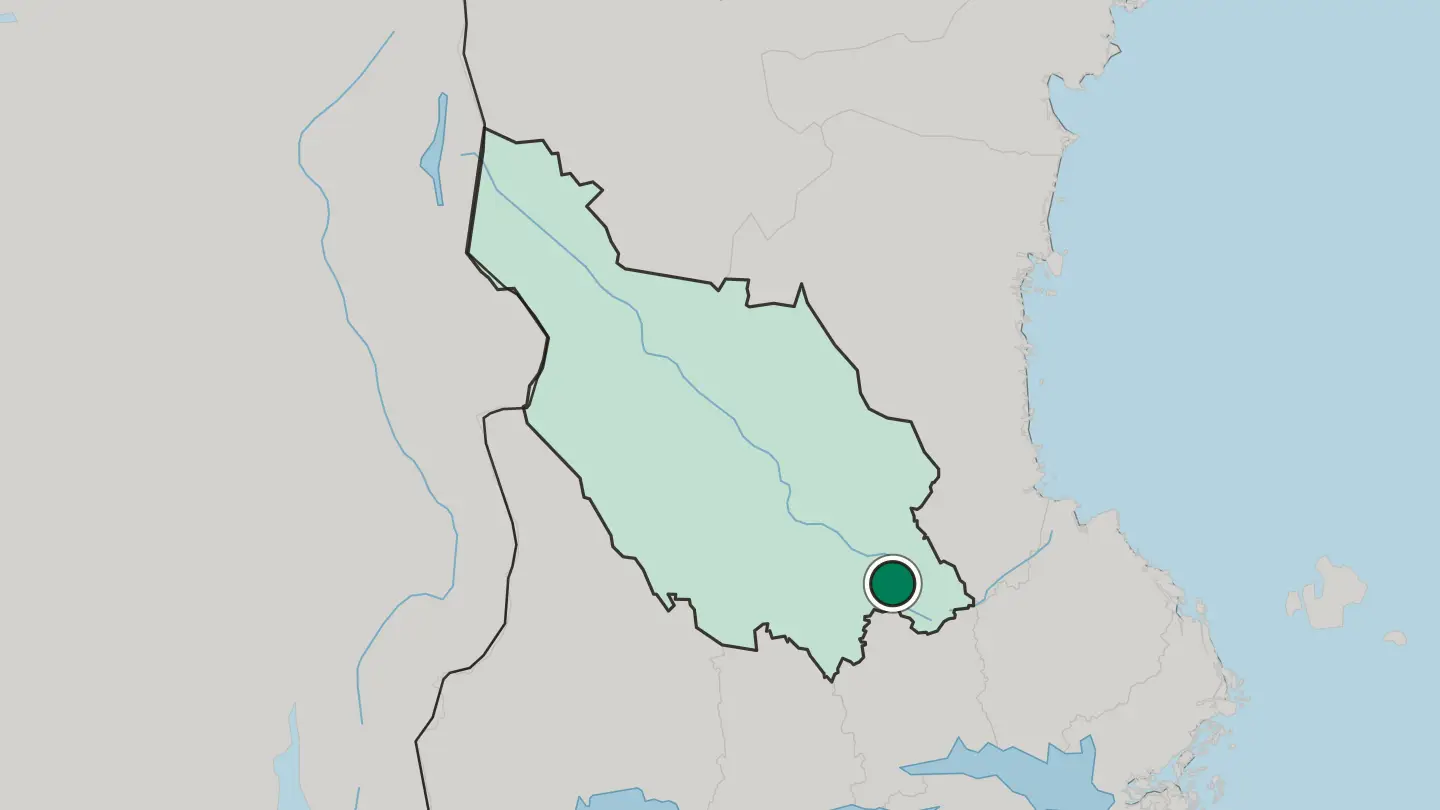
 Sweden
Leksand
Leksand is a lakeside town in the western part of Dalarna County, central Sweden, set where the Österdalälven flows into the southern arm of Siljan.Where to stay →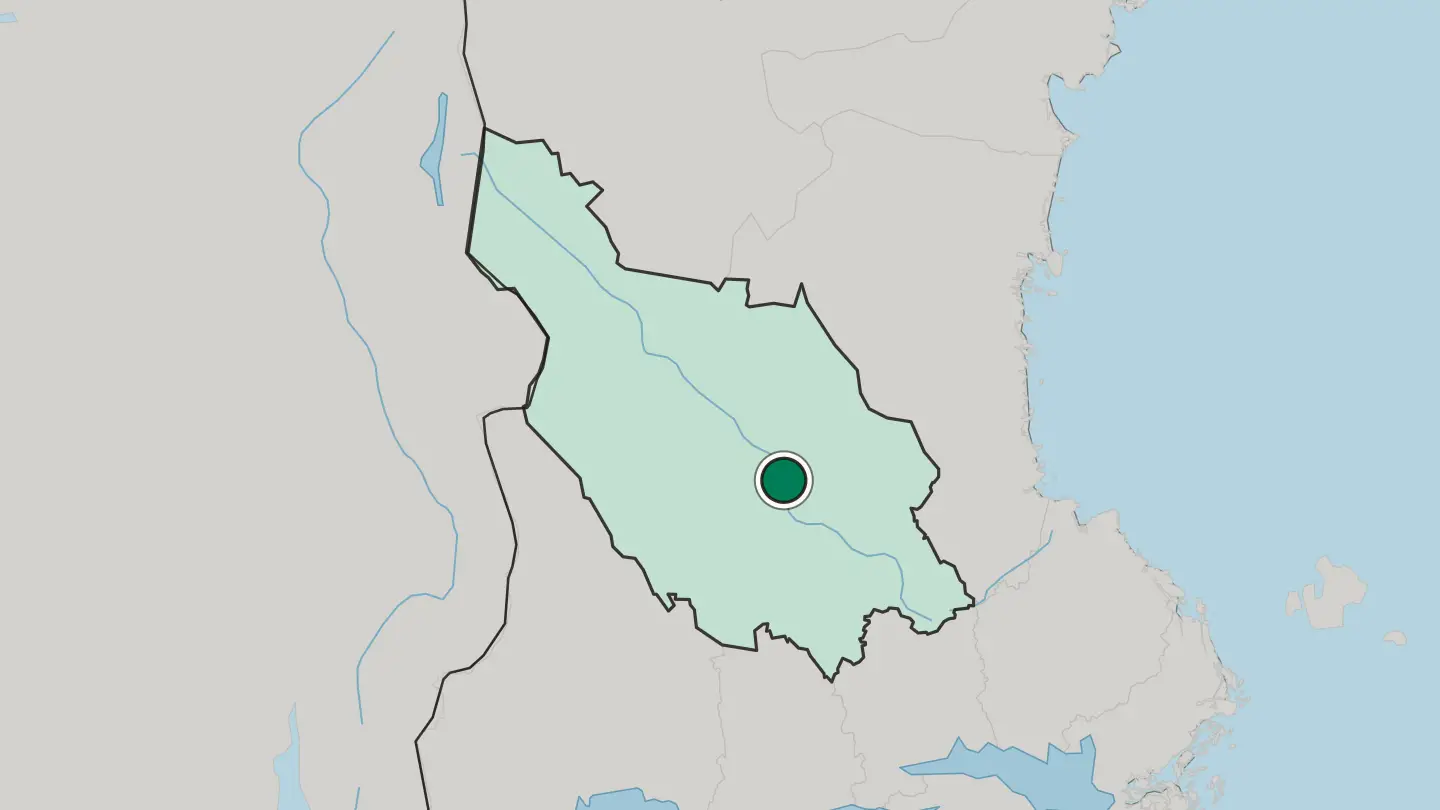
 Sweden
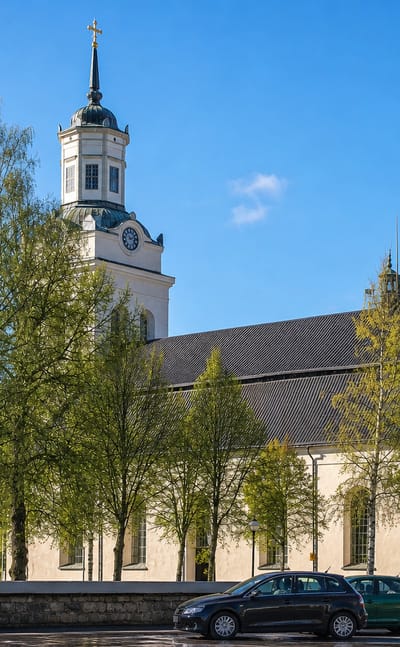
Orsa
Orsa is a small town in the north-western part of Dalarna County, set near the northern shore of Lake Orsasjön in central Sweden.Where to stay →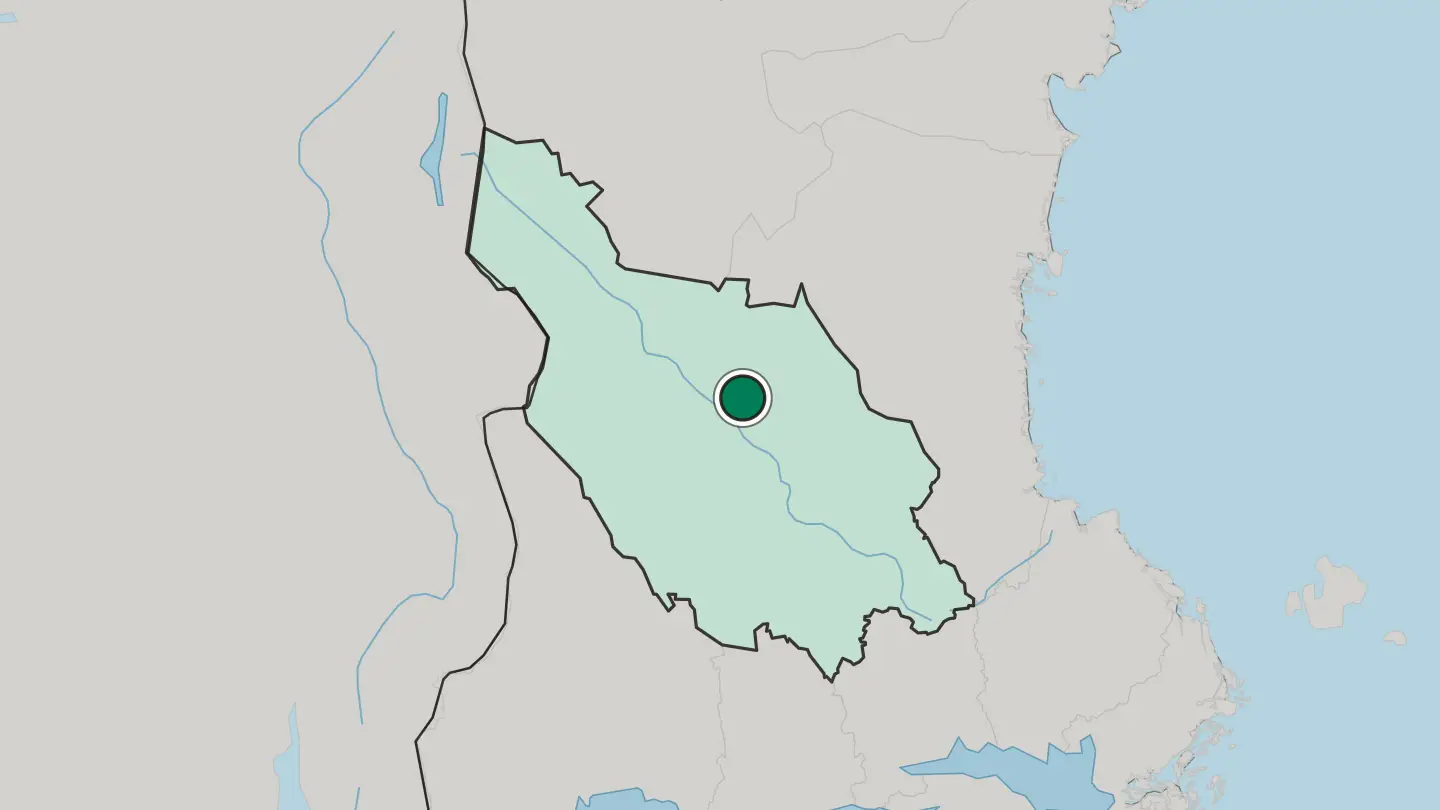
All towns & cities (16)
 Sweden
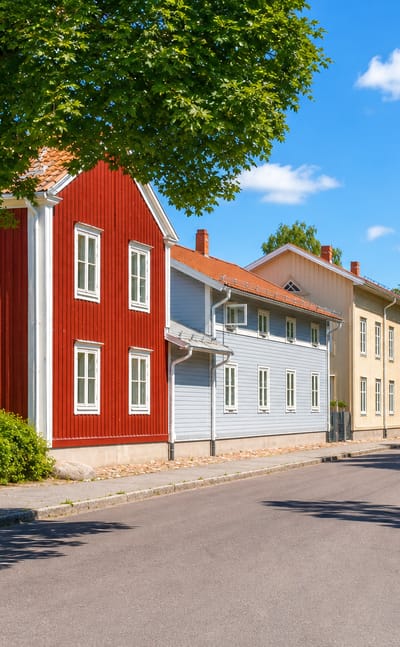
Smedjebacken
Smedjebacken is an old ironworking town in the southern part of Dalarna County, set on Lake Barken in central Sweden.Where to stay →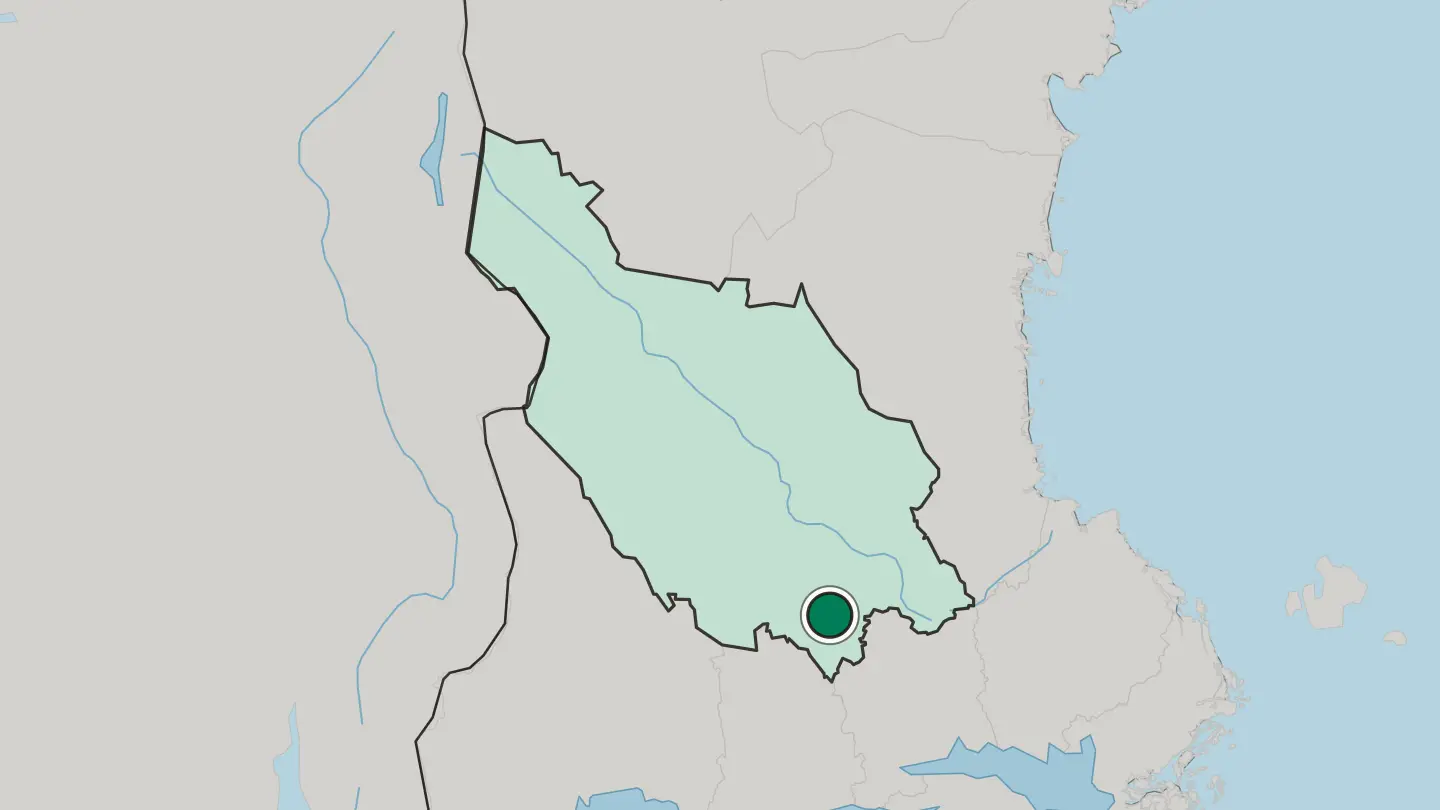
 Sweden
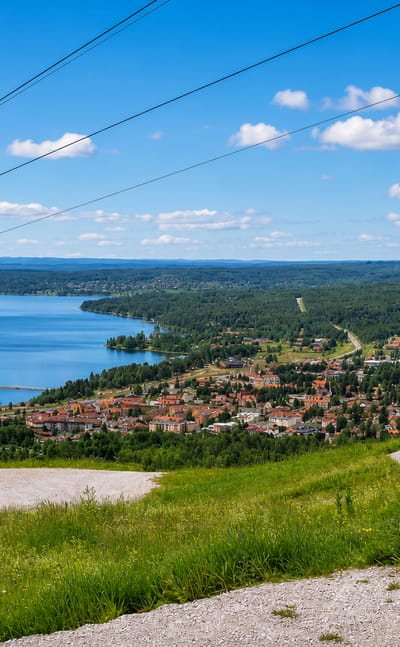
Rättvik
Rättvik is a lakeside town on the eastern shore of Lake Siljan, in the north-western part of Dalarna County in central Sweden.Where to stay →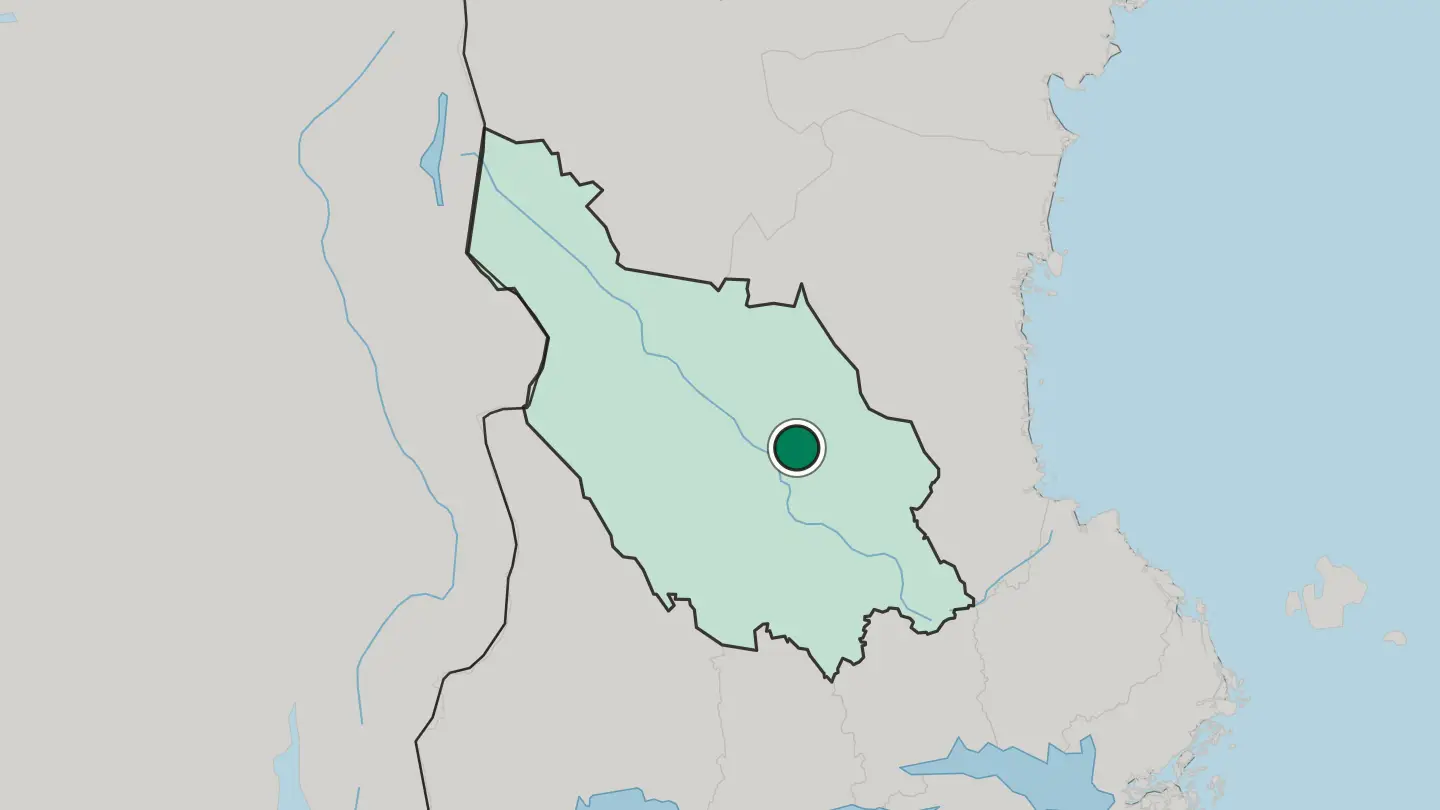
 Sweden
Malung
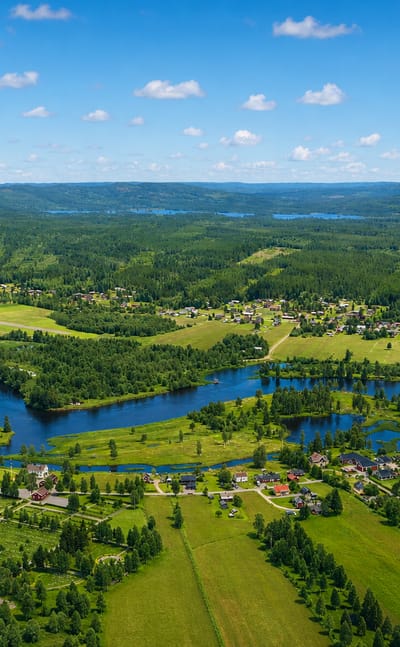
Malung is a riverside town in the western part of Dalarna County, set on the Västerdalälven in central Sweden.Where to stay →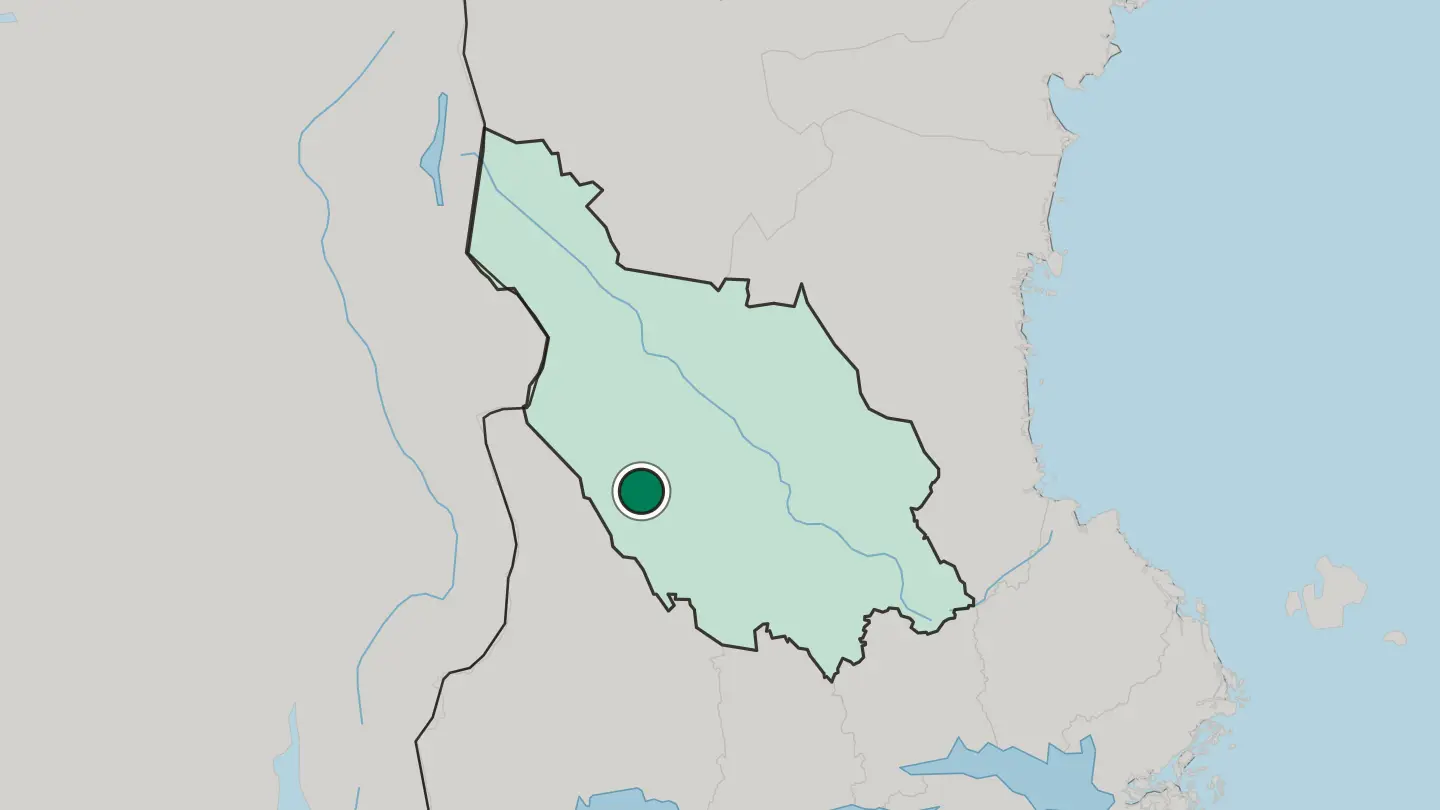
 Sweden
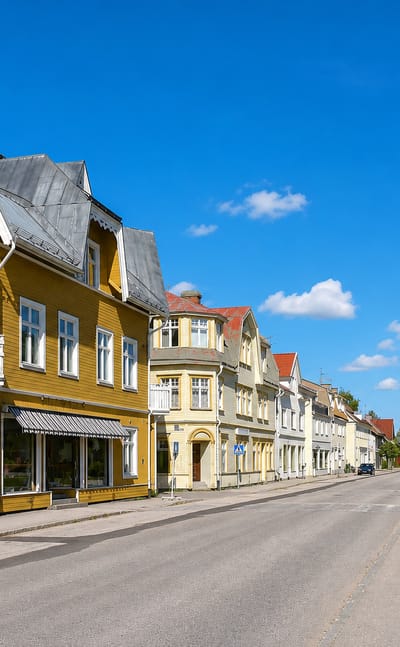
Säter
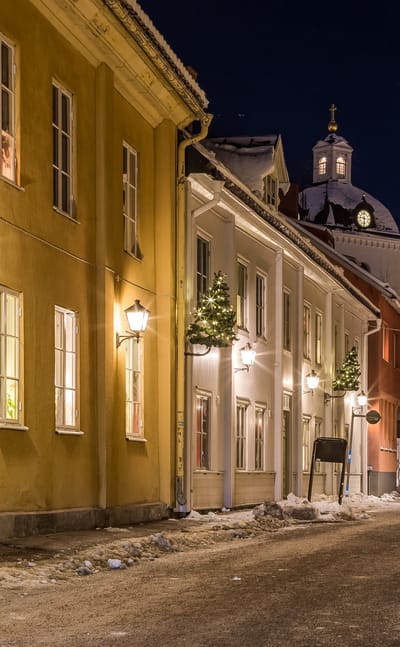
Säter is a small historic town in the southern part of Dalarna County, set on the Ljusterån in central Sweden.Where to stay →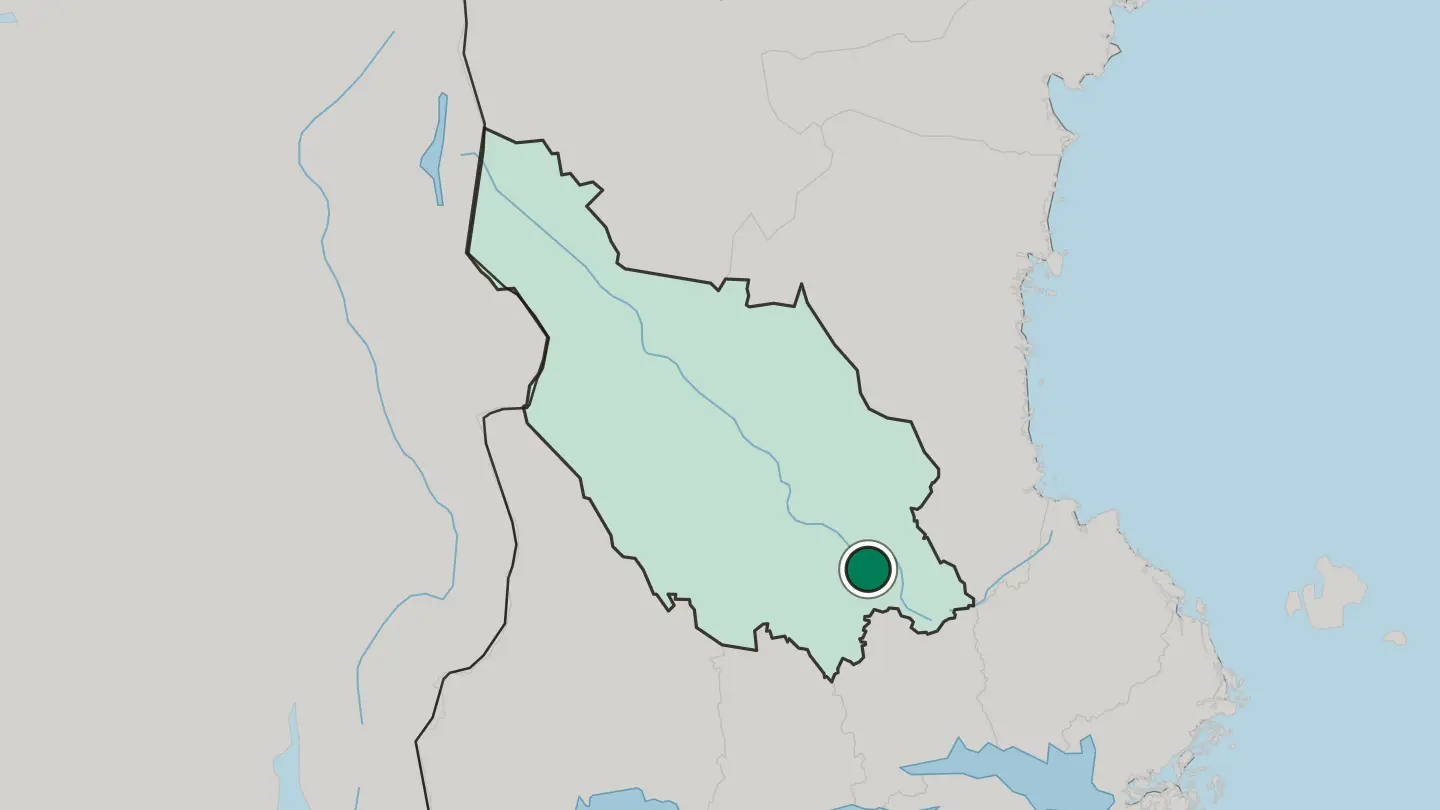
 Sweden
Vansbro
Vansbro is a river town in the western part of Dalarna County, set where the Vanån flows into the Västerdalälven in central Sweden.Where to stay →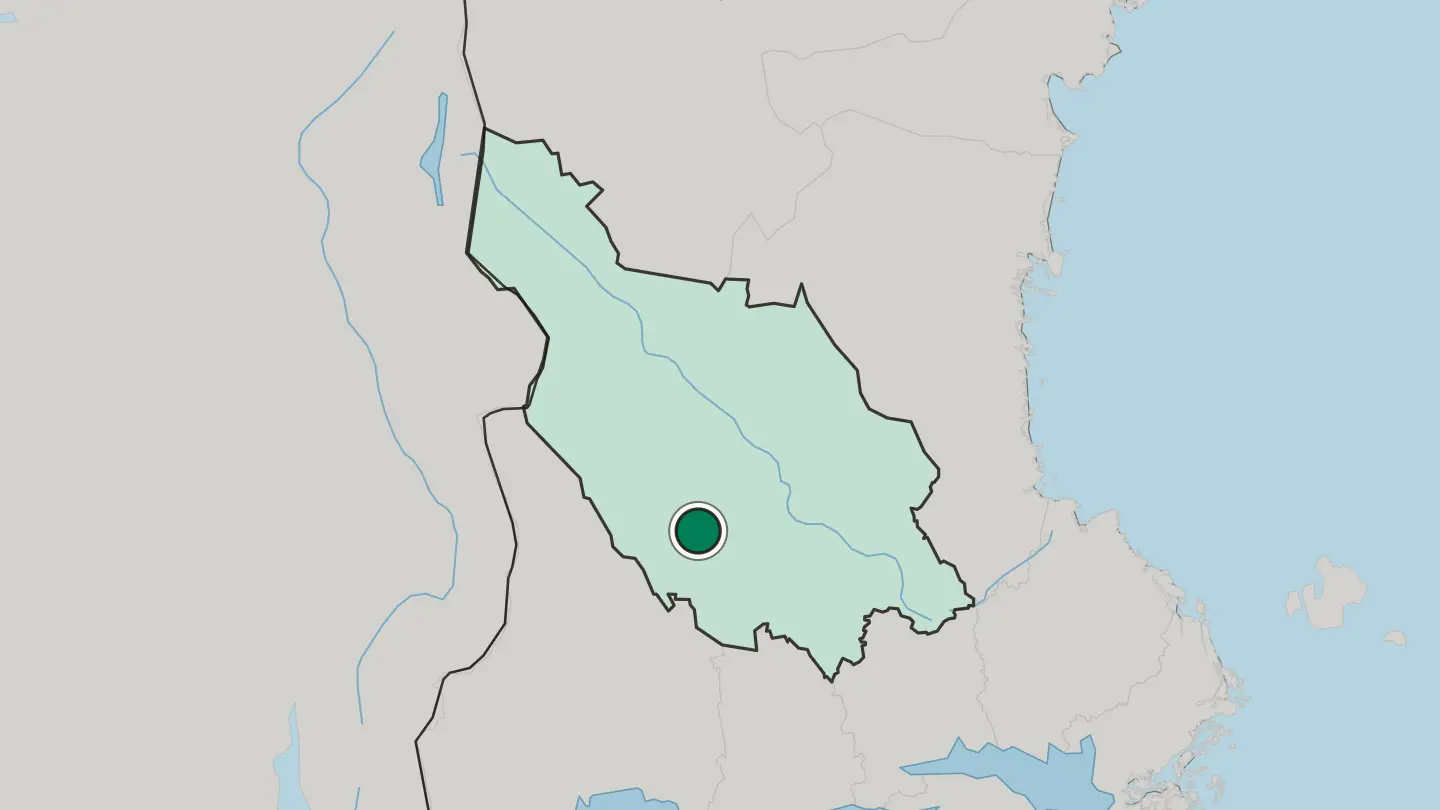
 Sweden
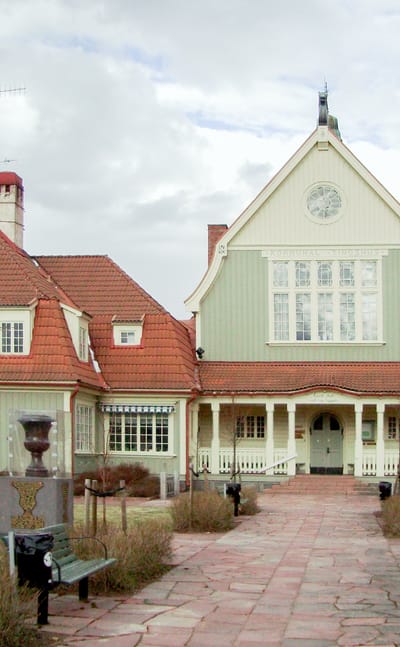
Älvdalen
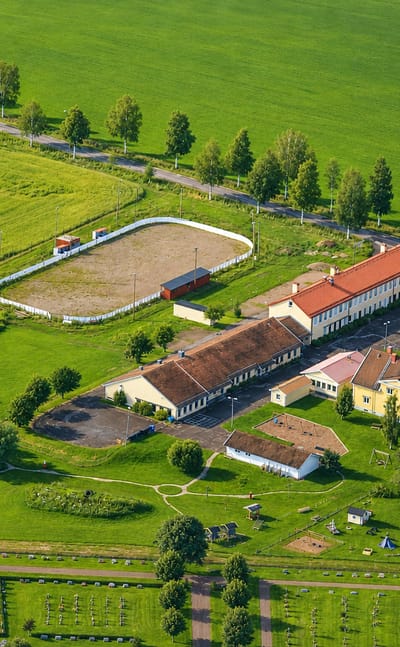
Älvdalen is a forest town in the north-western part of Dalarna County, set on the Österdalälven near where northern Sweden rises toward the mountains.Where to stay →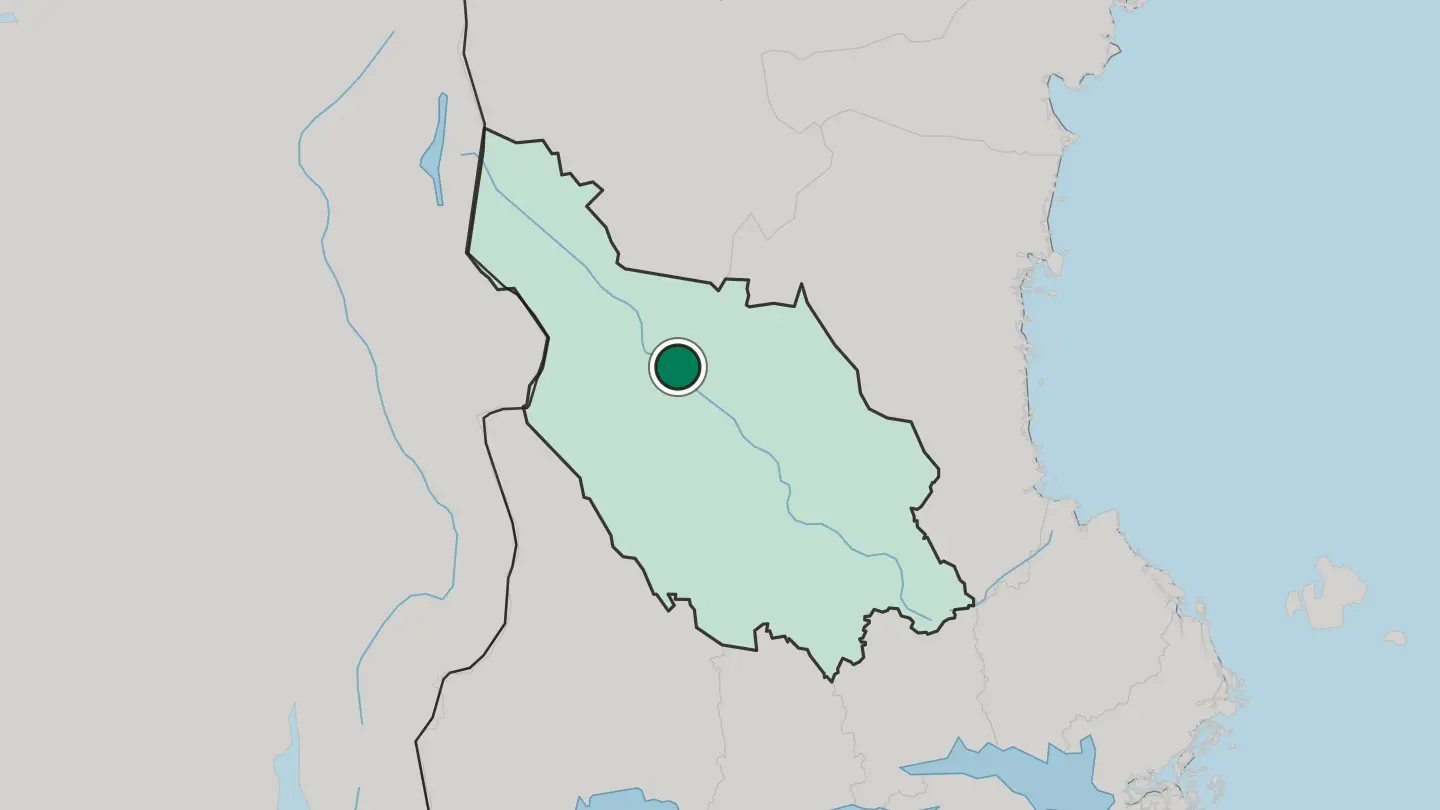
 Sweden
Gagnef
Gagnef is a rural municipality in the western part of Dalarna County, central Sweden, where the two branches of the Dalälven meet.Where to stay →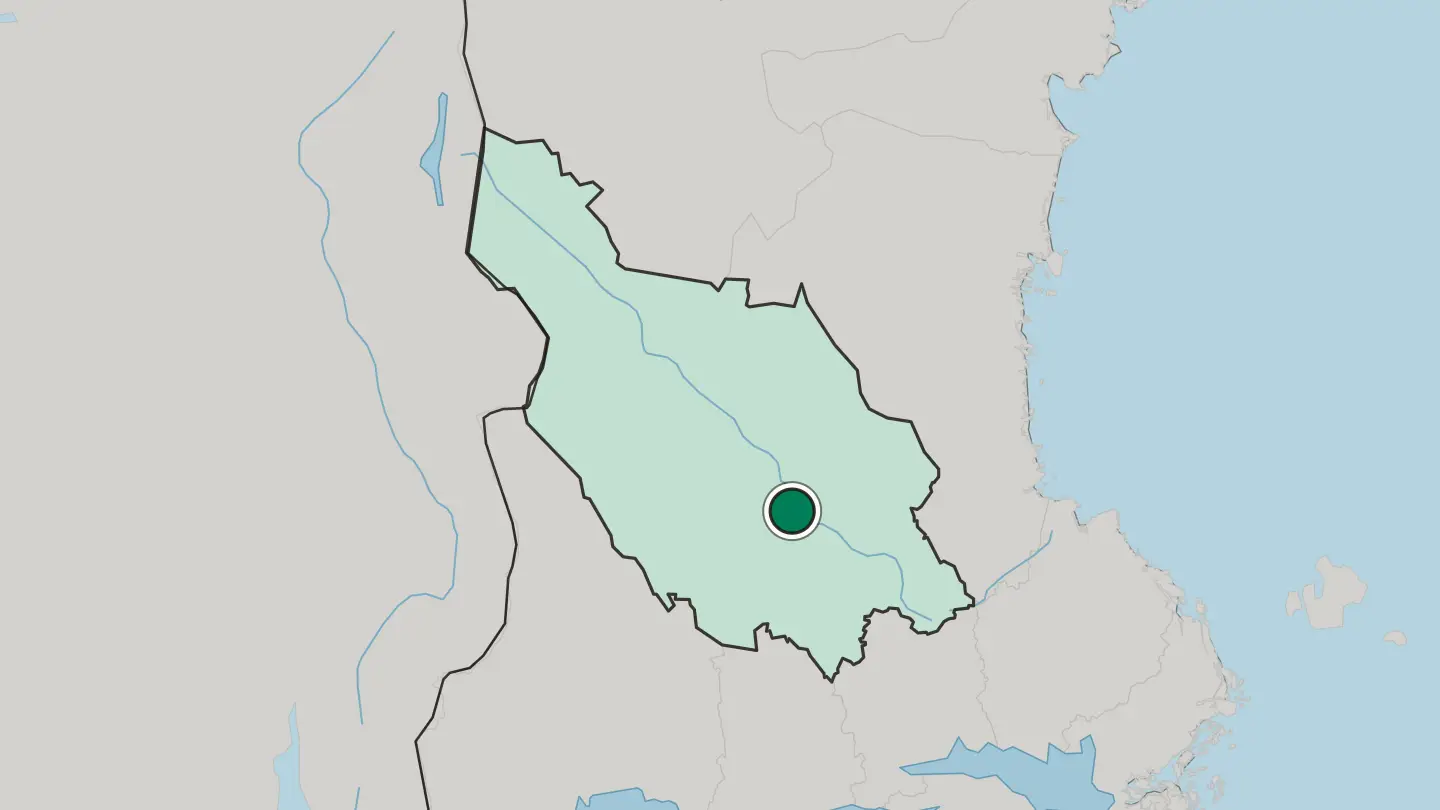
 Sweden
Sälen
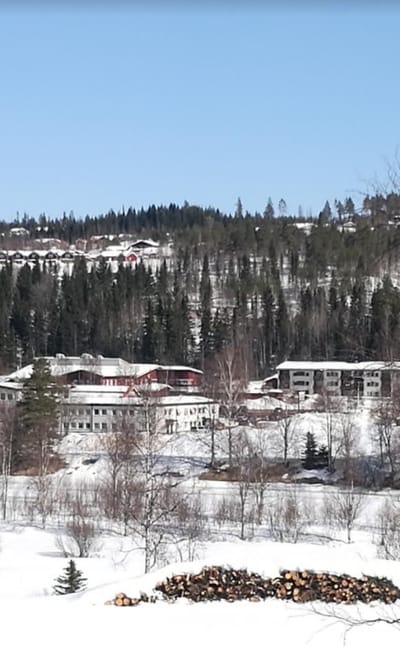
Bare fell tops ring the river valley at Sälen, a village in Dalarna County known for the Vasaloppet start and the ski slopes of Sälenfjällen.Where to stay →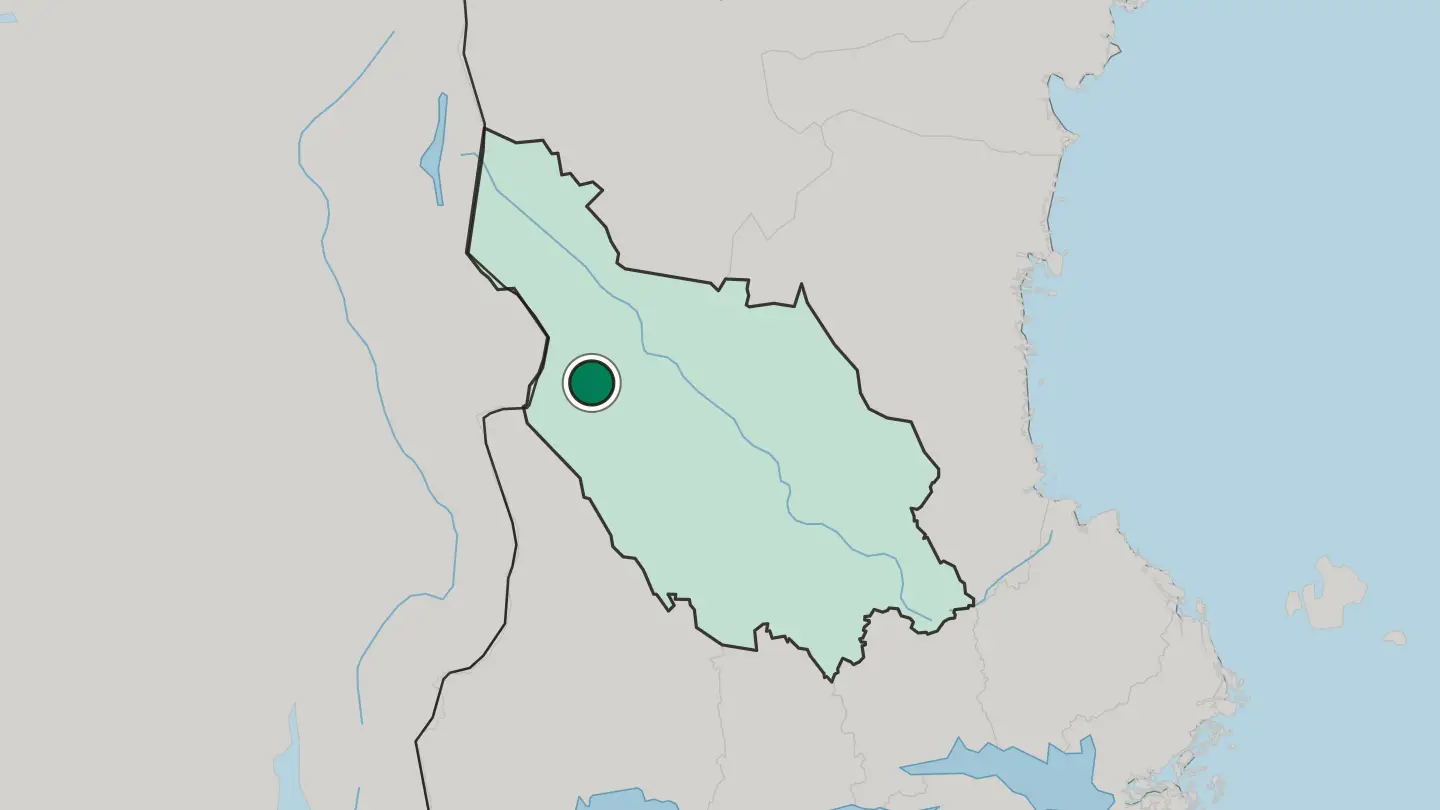
Hotel links are affiliate links: booking through them may earn us a commission, at no extra cost to you. It never affects how places are ranked. How this works
About Dalarna County
Dalarna is known as the folk heart of Sweden.
What is Dalarna County known for?
Its painted wooden horses, midsummer poles, and lakeside villages stand in the national imagination, and the old copper mine at Falun gives the country both its red paint and a place on the world heritage list. Lake Siljan fills the centre. Mountains rise in the north-west.
People know it for tradition, ski trails, and summer light.
Where is Dalarna County?
Dalarna lies in central Sweden, a large inland county reaching from the forested lowlands in the south-east up to the mountains along the Norwegian border in the north-west. Deep coniferous forest covers most of the land, broken by lakes, bogs, and river valleys, with the great Lake Siljan set in the centre and the high fells rising beyond the last trees toward Norway. Two rivers shape it.
The Dalälven gathers their waters. The Österdalälven and Västerdalälven run down from the mountains and join to form the Dalälven, the river that gives the province its name and carries its waters east toward the Baltic. Around Siljan lie the old farming villages and the softer country of the lake district.
Mining ground and forest fill the east around Falun. The wild fells and ski slopes of Sälen and Idre rise far to the north-west.
What is Dalarna County like?
Dalarna holds the strongest folk culture in Sweden. The painted Dalecarlian horse, the midsummer pole, the fiddle tunes, and the timber farmsteads around Siljan have come to stand for the whole country's traditions, kept alive in village festivals and craft through the year. Folk costume still appears at feasts.
Old customs run deep here. The province carries a long mining and farming past, with the copper of Falun shaping its towns and the red paint from the mine spreading across the nation's barns and cottages. Music is central, from the Siljan fiddle gatherings to the great summer festivals.
The midsummer celebrations around the lake draw crowds from across the land. Folk painting, woodcraft, and curd-cheese cooking carry the old country ways, while the Vasaloppet ski race binds the modern province to its history each winter.
What is the history of Dalarna County?
Dalarna is old mining country. The copper mine at Falun worked for centuries and grew into one of the most important in Europe, funding the Swedish crown and shaping the towns and farms of the province. The county was formed in the 1630s.
Its farmers held a proud, independent streak and rose more than once in the rebellions that mark Swedish history. The mine, the forests, and the folk villages carry that long story still.
What is the climate of Dalarna County?
Dalarna has a cold inland climate that hardens toward the mountains. Winters are long, cold, and snowy, with deep and lasting snow across the forests and fells that feeds the province's famous ski trails through the dark months of the year. Summers run short but warm.
Long northern days bring bright evenings to the lakes and villages around midsummer, drawing people out to the water and the woods through the brief, green height of summer. The high fells in the north-west hold snow longest.
How do you get to Dalarna County?
Dalarna is reached by rail, road, and air. Trains run up from Stockholm and the south to Borlänge, Falun, and Mora, linking the lake towns to the wider network, while the main roads thread north through the forests toward the mountain valleys. An airport at Borlänge serves regional flights.
In winter, special trains and buses carry skiers to Sälen and Idre. Roads climb on to the Norwegian border in the north-west.
Common questions
What is the best area to stay in Dalarna County?
Falun: first-time visitors and the Falun mine. Siljan villages: summer and folk culture. Mountain resorts: skiers and walkers.
Good for
More regions in Sweden
Updated September 2026