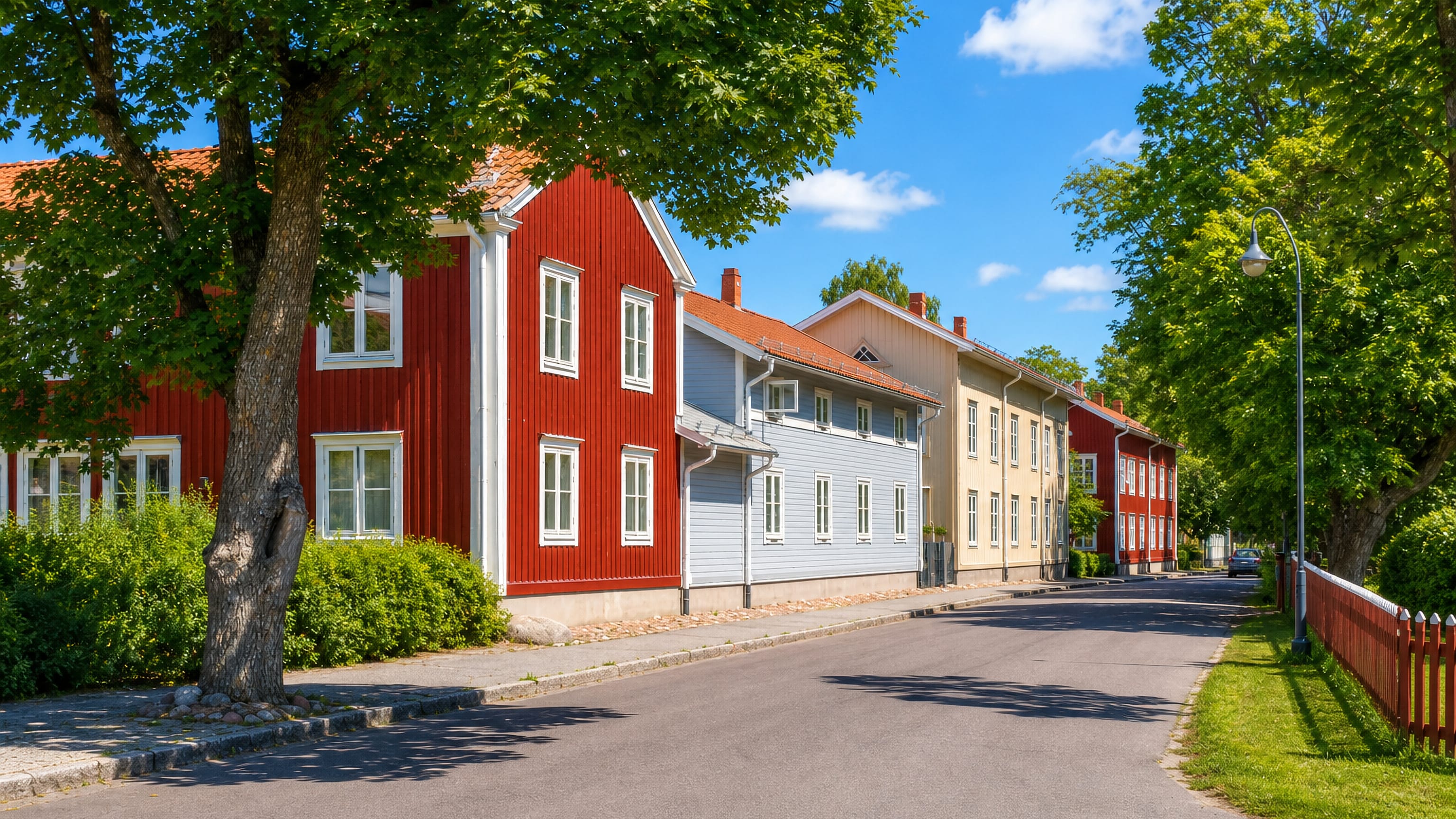
Sweden · Dalarna County
Where to Stay in Smedjebacken, Dalarna County
Smedjebacken is an old ironworking town in the southern part of Dalarna County, set on Lake Barken in central Sweden.
Hotel links are affiliate links: booking through them may earn us a commission, at no extra cost to you. It never affects how places are ranked. How this works


Where to stay in Smedjebacken
Where visitors usually base themselves, and why.
Most visitors stay in the town centre, the small grid of streets near the lake and the old harbour that keeps shops, cafes, and the station within an easy walk. It suits travellers stepping off the train. Rooms here lean toward plain hotels and guesthouses rather than anything large.
The lakeside stretch along Barken is the other clear choice, where lodging looks out over the water near the canal and the old works. This setting works well for anyone who wants the lake at the door, a calm base for boating in summer or following the canal heritage trail along the shore, while keeping the centre within a short walk. Boaters favour it.
For lower rates and more room, the residential streets and the country around Norrbärke fan out toward the main roads, practical for drivers heading south toward Ludvika or on into Bergslagen. Start with the centre by the lake. The lakeside rewards a slower stay.
Find hotels in Smedjebacken
Direct booking searches for these neighbourhoods.
Town centre
shops, the harbour and the station within a short walkFind hotels in Town centrecalm lakeside staysBarken lakeside
lake-view lodging near the canal and old worksFind hotels in Barken lakesidedrivers watching the budgetOuter streets and Norrbärke
more room with quick access to the roads southFind hotels in Outer streets and NorrbärkeHotel links are affiliate links: booking through them may earn us a commission, at no extra cost to you. It never affects how places are ranked. How this works
About Smedjebacken
Iron made this place.
What is Smedjebacken known for?
Smedjebacken grew around forges and works in the old Bergslagen mining belt, and its very name points to the smiths who worked here, while the town also marks the northern end of the historic Strömsholm Canal that once carried iron south. Norrbärke kyrka stands nearby. Lake Barken frames the centre.
The water and the works together gave the town its long industrial life.
What are the main landmarks in Smedjebacken?
Norrbärke kyrka is the area's chief landmark, a stone church standing in the old parish just outside the town. The Strömsholm Canal counts as the other great sight, its locks and channel marking the waterway that once carried iron from these works south toward Lake Mälaren. Along Lake Barken the old harbour and mill buildings recall the ironworking past.
The works shaped the shore. Together these places tie the town to its parish roots and its long life in the iron trade.
What is the history of Smedjebacken?
Iron runs through the whole story. Smedjebacken grew up in Bergslagen, the old mining and ironworking belt of central Sweden, where forges and bar-iron hammers worked the ore drawn from the surrounding district, and the smiths who gave the town its name shaped both its trade and its identity. The parish of Norrbärke gathered the early settlement.
Water carried the goods away. The Strömsholm Canal, cut to link the lakes south toward Mälaren, turned the town into a shipping point for iron heading to market, and the harbour on Lake Barken grew busy with the traffic. Heavy industry kept the place alive through the modern era, with steel and metalworking carrying on the old craft in new forms.
The canal later found a second life as a route for leisure boats. The town now balances its working iron past against a quieter present built on that heritage and its lakeside setting, and the old name still tells anyone who reads it what the place was built on.
Where is Smedjebacken?
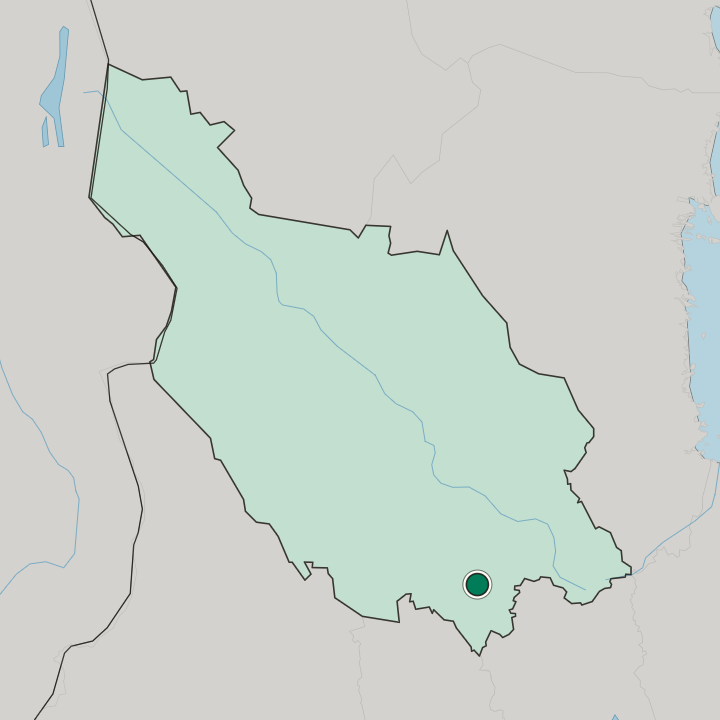
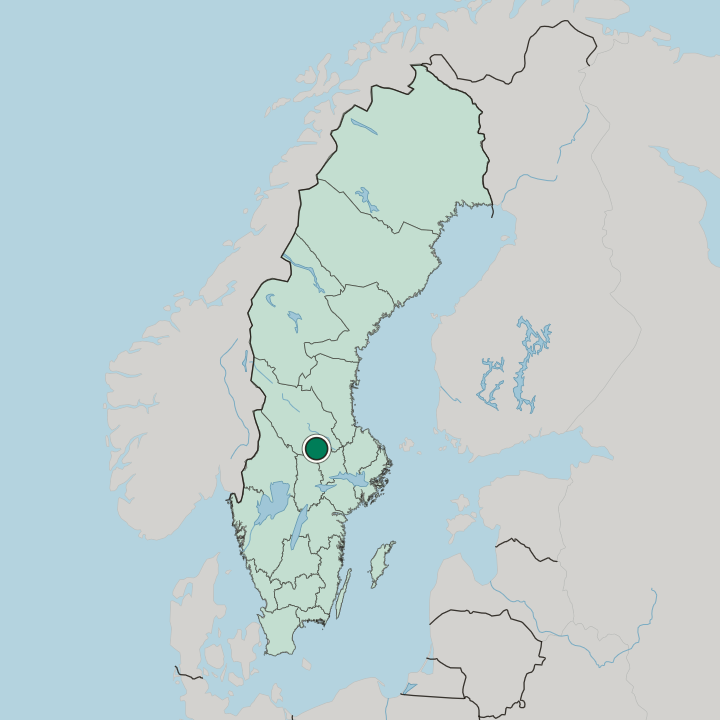
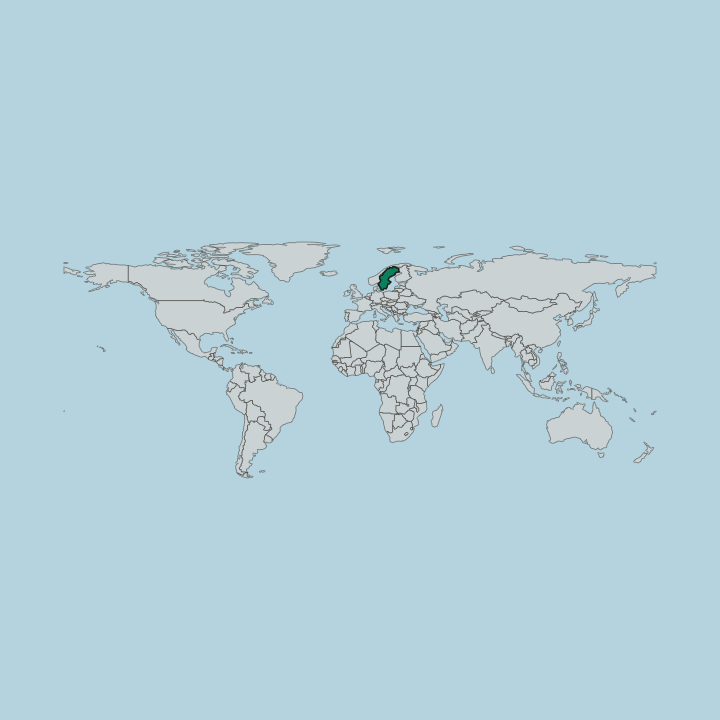
Smedjebacken lies in the southern part of Dalarna County, in central Sweden. The town sits on Lake Barken, one of a chain of lakes in the Bergslagen district, with forest and old mining country pressing in around the shore. Low wooded hills ring the water.
The Strömsholm Canal threads south from the town through these lakes toward Mälaren, while the land beyond carries the scattered works and mines that gave the whole region its name.
What is the climate of Smedjebacken?
Smedjebacken sits in cold inland Dalarna. Winters run long and snowy, with the lake freezing over and snow lying for months across the forest and the old works, hard enough for skating and skiing. Summers stay short but mild.
The long northern days then bring boats out onto Lake Barken and the canal before the cold returns. Spring and autumn are brief seasons between the two.
How do you get to Smedjebacken?
Smedjebacken is reached mainly by road and rail. A rail line serves the town, and roads link it south to Ludvika and on through Bergslagen toward the larger towns of the region. The nearest larger airports lie well to the south near the main cities.
Buses connect the villages nearby. Drivers from Stockholm head north-west into the Bergslagen lake country to reach the town on its shore of Lake Barken.
Common questions
What is the best area to stay in Smedjebacken?
Town centre: rail arrivals new to town. Barken lakeside: calm lakeside stays. Outer streets and Norrbärke: drivers watching the budget.
Good for
More cities in Dalarna County
Updated September 2026