Sweden · Dalarna County
Where to Stay in Mora, Dalarna County
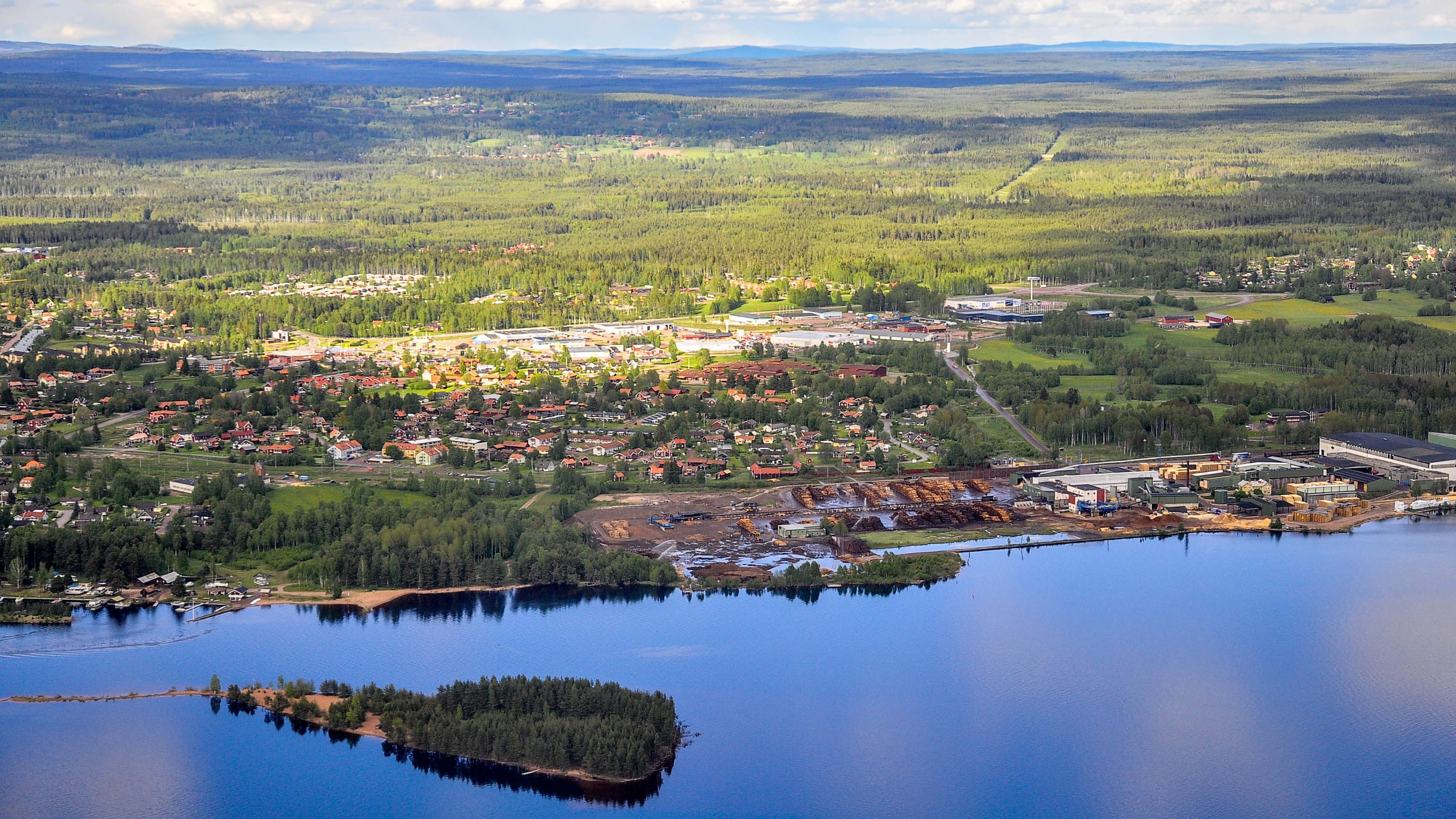
Mora is a lakeside town in the north-western part of Dalarna County, set where the Österdalälven meets Lake Siljan in central Sweden.
Hotel links are affiliate links: booking through them may earn us a commission, at no extra cost to you. It never affects how places are ranked. How this works


Where to stay in Mora
Where visitors usually base themselves, and why.
Most visitors stay in the town centre, the walkable grid of streets between the church and the lakefront that puts the museums, shops, and the train station within easy reach on foot. It suits travellers who arrive by rail. Rooms here range from larger hotels near the station to small guesthouses on the quieter side streets.
The lakeside stretch along Siljan is the other strong choice, north and east of the centre, where lodging looks out over the water and the open shore. This setting works well for anyone who wants the lake at the door and a calm base for cycling or boating in summer, while still keeping the Vasaloppet finish and the Zorn museums within a short ride. Skiers fill it each winter.
For lower rates and more room, the outer districts toward the main roads stay practical for drivers, with quick access for those continuing around the Siljan ring or up toward Orsa. Start with the station grid. The lakeshore rewards a slower stay.
Find hotels in Mora
Direct booking searches for these neighbourhoods.
Town centre
museums, shops and the station within a short walkFind hotels in Town centrelakeside stays on SiljanSiljan lakeside
lodging looking over the lake, good for cycling and boatingFind hotels in Siljan lakesidedrivers and lower ratesOuter districts
more room and quick access to the Siljan ring roadFind hotels in Outer districtsHotel links are affiliate links: booking through them may earn us a commission, at no extra cost to you. It never affects how places are ranked. How this works
Things to do in Mora
Ranked by global recognition; descriptions from Wikidata (CC0).
Museums & Galleries
3- Zornmuseet
- Zorngården
- Laxen working life museum
Churches & Religious Sites
1- Mora Church Heritage Church of Sweden church building
worth knowingacross 2 categories in Mora
About Mora
Two names carry the town.
What is Mora known for?
Mora is the finish line of Vasaloppet, the long cross-country ski race that ends here each winter, and it is the home of the painter Anders Zorn, whose work and house draw art lovers all year. Zorngården preserves his home. Zornmuseet holds the collection.
Both sit near the lake that gives the town its setting beside the water of Siljan.
What are the main landmarks in Mora?
Mora kyrka is the town's oldest landmark, a stone church with a tall steeple standing near the lakefront in the heart of the centre. Close by lie the two Zorn sights: Zorngården, the preserved home and garden of the painter Anders Zorn, and Zornmuseet, the gallery that holds his paintings, drawings, and collected folk art. Lake Siljan frames it all.
The water draws walkers along the shore. Together these places bind the town to both its parish past and its most famous artist.
What is the history of Mora?
Mora is old parish country. Settlement grew along the shore of Lake Siljan and the mouth of the Österdalälven, where the lake offered fish and a route through the heart of Dalarna, and for centuries the people here farmed, fished, and worked the surrounding forest. The parish church marks that deep continuity.
One famous story binds the town to the nation itself. In the early sixteenth century, the future king Gustav Vasa is said to have come to Mora seeking support against Danish rule, and the long ski chase that legend describes gave the modern Vasaloppet its name and its route ending in the town. Later the town gained a different kind of fame through Anders Zorn, the painter born here who carried the name of Mora into galleries far from Dalarna and left his home and collection to the place.
Tourism followed the race and the art. The town now lives partly off both, balancing its quiet lakeside roots against the crowds that the ski finish and the museums bring each year.
Where is Mora?
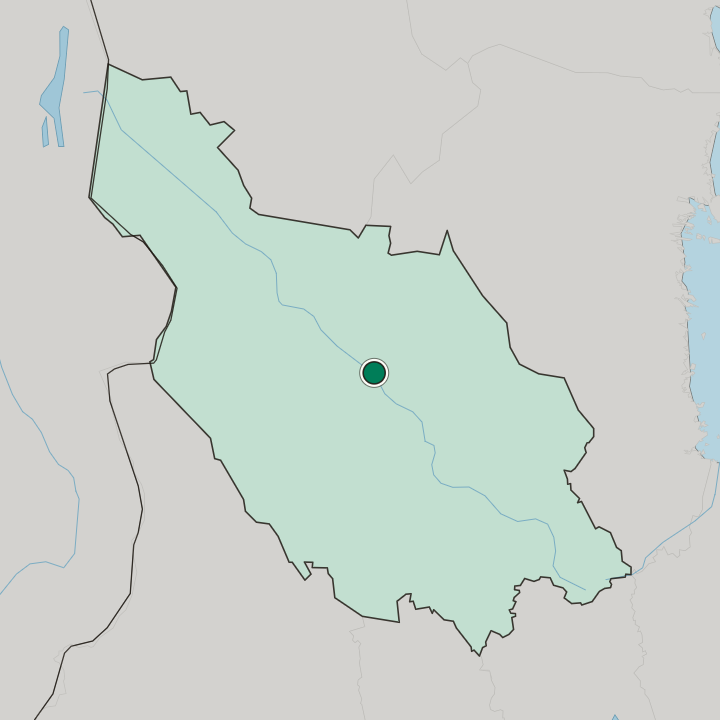
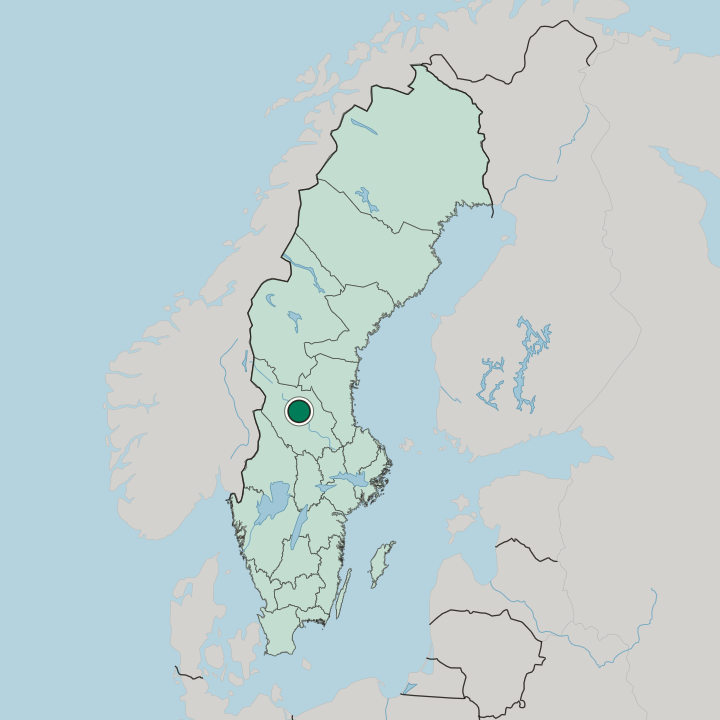
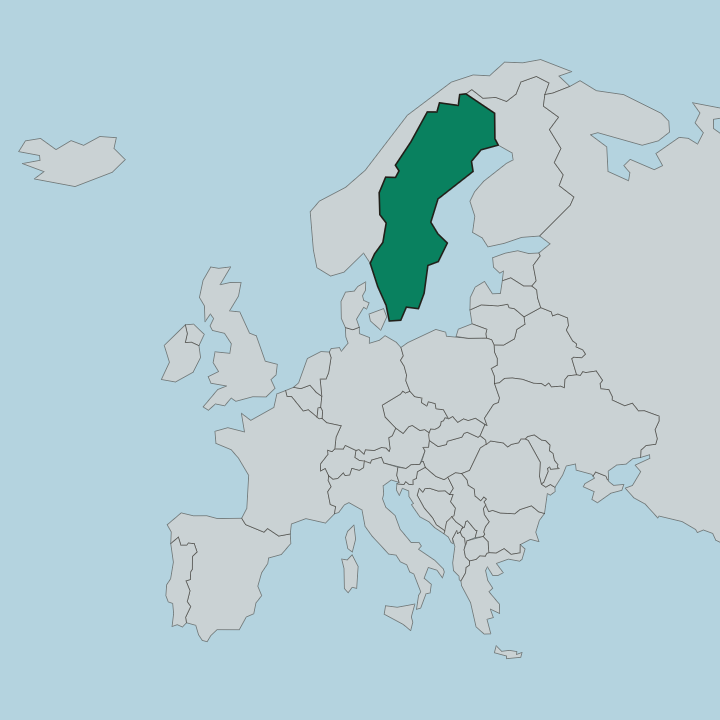
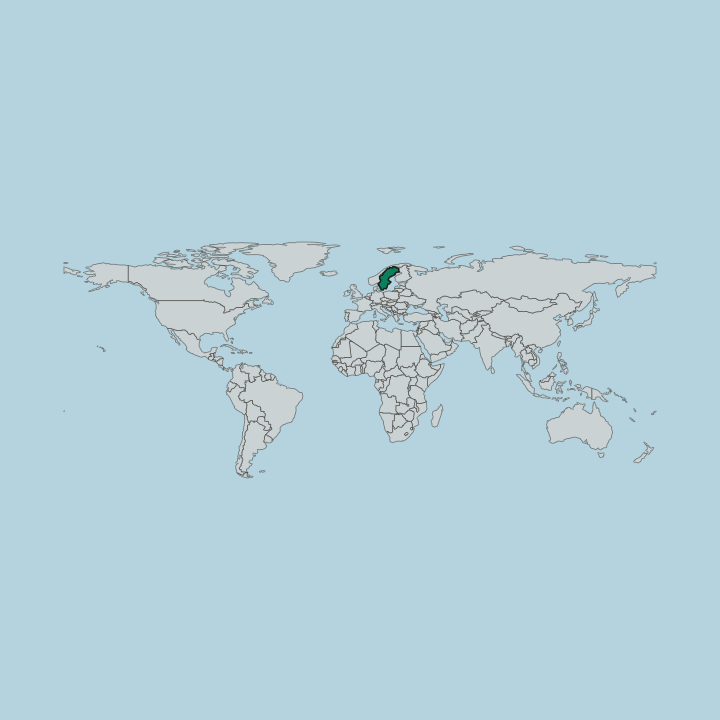
Mora lies in the north-western part of Dalarna County, in central Sweden. The town sits at the northern end of Lake Siljan, where the Österdalälven flows in from the mountains and the lake spreads its broad water across the heart of the province. Low wooded hills ring the shore.
North of the town the land climbs toward Orsa and the forests beyond, while the Siljan basin itself, formed by an ancient meteorite impact, lends the surrounding country its gentle curve.
What is the climate of Mora?
Mora sits in cold inland Dalarna. Winters run long and snowy, with the lake freezing hard and snow lying for months across the shore and forest, which is exactly what makes the town a fitting end for a cross-country ski race. Summers stay short but warm.
The long northern days then bring boats out onto Siljan and walkers along the water before the cold settles back in. Spring and autumn are brief seasons of thaw and frost.
How do you get to Mora?
Mora is well connected for its size. Trains run to the town on the line up through Dalarna, and the station sits near the centre, while roads link it around Lake Siljan and north toward Orsa and the mountains. Mora-Sälen airport handles seasonal flights.
Buses fill the gaps to nearby towns. Drivers from Stockholm head north-west through the province and along the lake to reach it, a route many follow toward the ski resorts beyond.
Common questions
What is the best area to stay in Mora?
Town centre: arrivals by rail. Siljan lakeside: lakeside stays on Siljan. Outer districts: drivers and lower rates.
Good for
More cities in Dalarna County
Updated October 2026