Sweden · Dalarna County
Where to Stay in Hedemora, Dalarna County
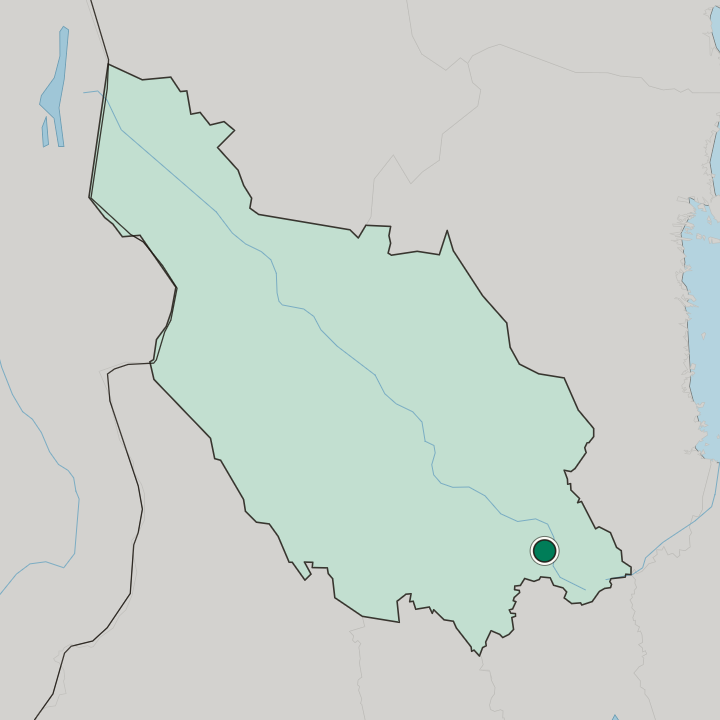
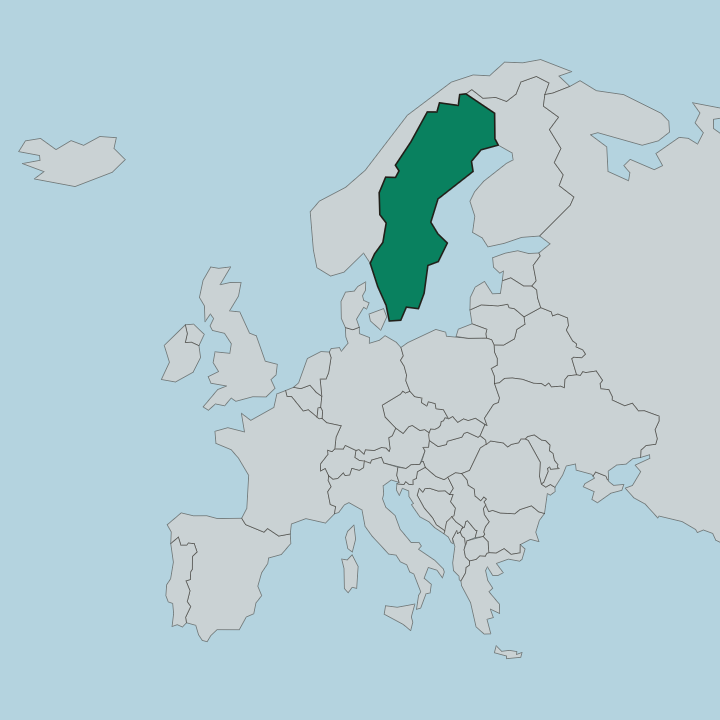
Hedemora is a small old town in the south-eastern part of Dalarna County, central Sweden, holding one of the province's longest civic histories.
Hotel links are affiliate links: booking through them may earn us a commission, at no extra cost to you. It never affects how places are ranked. How this works


Where to stay in Hedemora
Where visitors usually base themselves, and why.
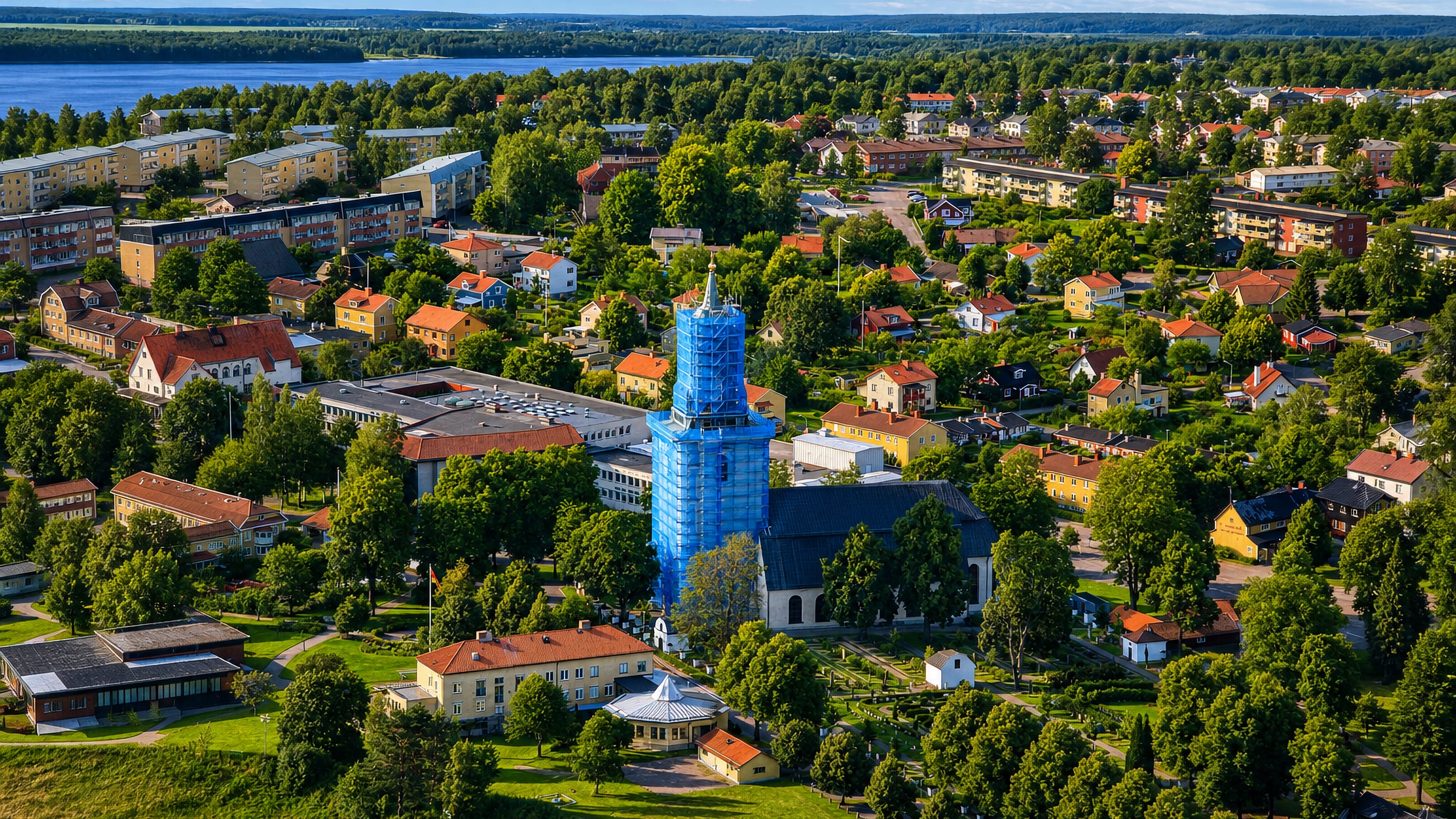
Most visitors stay in the old town centre, the compact grid of low wooden and brick houses gathered around the church and the market square, where the shops, cafés, and the station all sit within an easy stroll of one another. It suits you if you want to arrive by train and reach everything on foot. Rooms here are few and simple.
Beds can be scarce when events fill Vasahallen, so booking ahead matters in this small place. Near Vasahallen and the sports grounds, a little east of the core, you find practical lodging aimed at teams and event crowds rather than sightseers. The surrounding countryside of the south-eastern part of Dalarna County offers another option entirely.
Out among the farms and forests sit guesthouses and cottages for those travelling by car. Make the old town centre your first choice. Everything in town lies minutes away on foot, and the open landscape begins where the streets end.
Find hotels in Hedemora
Direct booking searches for these neighbourhoods.
Old town centre
church, market square and station within an easy walk. Beds are limited here, so book early.Find hotels in Old town centreevent and sports visitorsNear Vasahallen
practical lodging beside the main hall and groundsFind hotels in Near Vasahallenmotorists after calmSurrounding countryside
guesthouses and cottages among farms and forestFind hotels in Surrounding countrysideHotel links are affiliate links: booking through them may earn us a commission, at no extra cost to you. It never affects how places are ranked. How this works
Things to do in Hedemora
Ranked by global recognition; descriptions from Wikidata (CC0).
Museums & Galleries
3- Hedemora Gamla Theater Heritage theatre and listed building
- Bältarbo brickyard working life museum and industrial heritage site
- Hedemora MC-museum working life museum
Churches & Religious Sites
1- Hedemora Church Heritage
Stadiums & Sports
1- Vasahallen
worth knowingacross 3 categories in Hedemora
About Hedemora
Hedemora is known above all for its age.
What is Hedemora known for?
It is reckoned among the oldest towns in Dalarna County, a place whose market roots reach back into the medieval centuries when traders moved iron and grain across the inland of central Sweden. The wooden core and the parish church anchor a townscape that has kept its modest, low-built scale. Vasahallen draws people for sport and events.
The mood is quiet, provincial, and deeply rooted in the mining and farming country around it.
What are the main landmarks in Hedemora?
The parish church stands at the heart of it. Hedemora kyrka, a stone church whose origins lie deep in the Middle Ages, remains the town's chief monument and the single tallest mark rising above its low and weathered skyline. Around it, the old wooden quarters preserve a street pattern many Swedish towns lost.
Vasahallen serves the modern side of local life. Together they frame a townscape that is small, plain, and unusually intact.
What is the history of Hedemora?
Hedemora ranks among the oldest towns in the province. Its standing as a market town reaches deep into the medieval period, when the settlement served as a trading point for the iron, copper, and farm produce that moved through the inland of Dalarna County toward the wider kingdom. The town grew where overland routes met, and that crossroads role shaped its early fortunes.
Fire and time took their toll, as in most Swedish wooden towns. Yet Hedemora kept much of its old form. The parish church, rooted in the Middle Ages, carried the town's religious life across the centuries, while the market square stayed the centre of trade and assembly through long stretches of provincial quiet.
Mining and farming in the surrounding country sustained the place when grander ambitions passed it by. Hedemora endured. It remains a small seat of its municipality in the south-eastern part of Dalarna County, its long past legible in the modest streets that still gather around the church and the square.
Where is Hedemora?
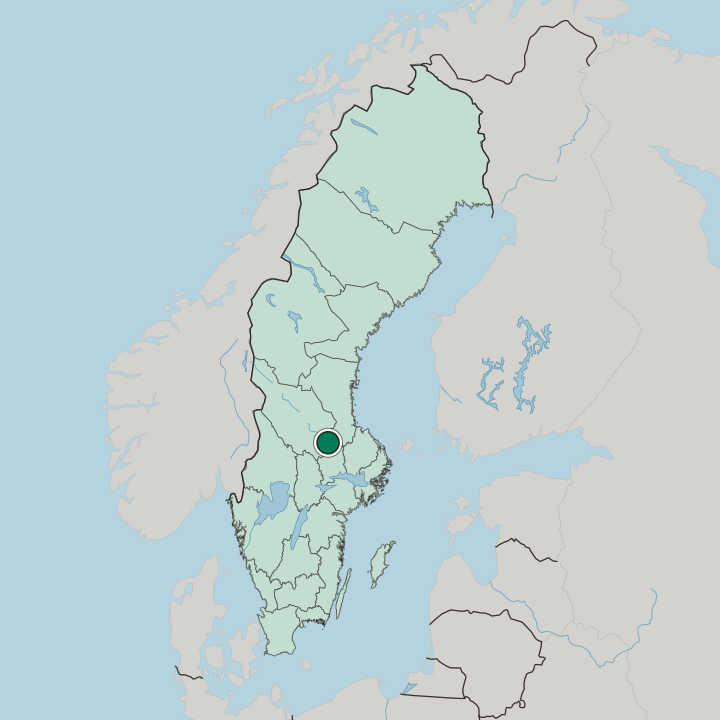
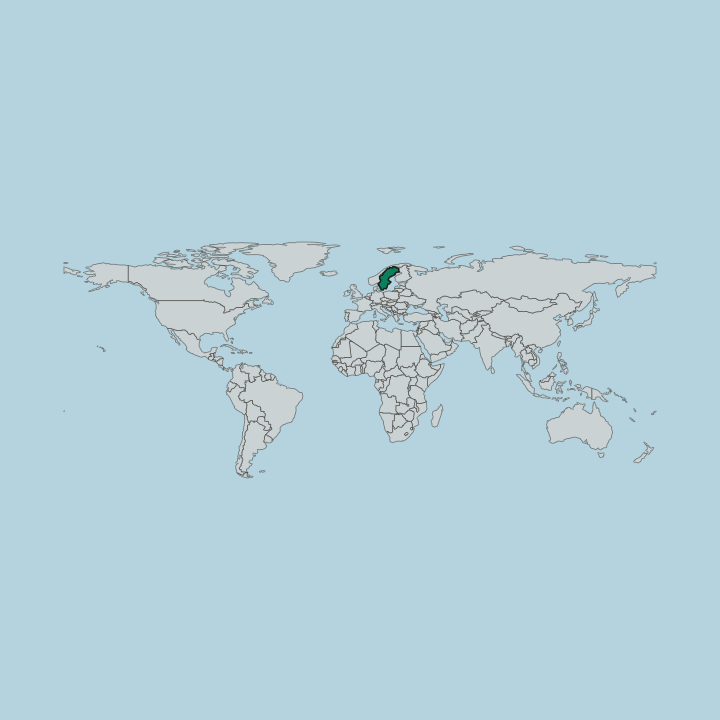
No coastline lies anywhere near Hedemora. The town sits in the south-eastern part of Dalarna County, in central Sweden, in the gentle and lake-dotted transition country where the open farmland of the lowlands gives way to the forests and low hills that climb toward the heart of the province. Rivers and small lakes thread the surrounding municipality.
The wider land belongs to Dalarna, a region of woods, water, and scattered mining communities. It stands well north of the larger cities of the Mälaren valley.
What is the climate of Hedemora?
The climate here is cold and continental. Winters run long and snowy, with hard frosts settling over the inland of central Sweden for months at a stretch, while summers stay short, mild, and bright under the high northern light. Warmth is late in coming each spring.
Autumn turns the surrounding forests gold before the snow returns. Distance from the sea sharpens the swing between the seasons, giving Hedemora warmer summer days and colder winter nights than the coast.
How do you get to Hedemora?
Most travellers arrive by rail. Hedemora sits on the line through Dalarna County, with trains linking it to Borlänge, Falun, and onward toward Stockholm, so reaching the town from the capital takes only a change or two and a few hours. Roads run in from every direction across the open inland country.
Drivers come up easily. The nearest large airports lie well to the south, near Stockholm, a couple of hours away by car or by a connecting train.
Common questions
What is the best area to stay in Hedemora?
Old town centre: first-timers. Near Vasahallen: event and sports visitors. Surrounding countryside: motorists after calm.
Good for
More cities in Dalarna County
Updated October 2026