Sweden · Dalarna County
Where to Stay in Ludvika, Dalarna County
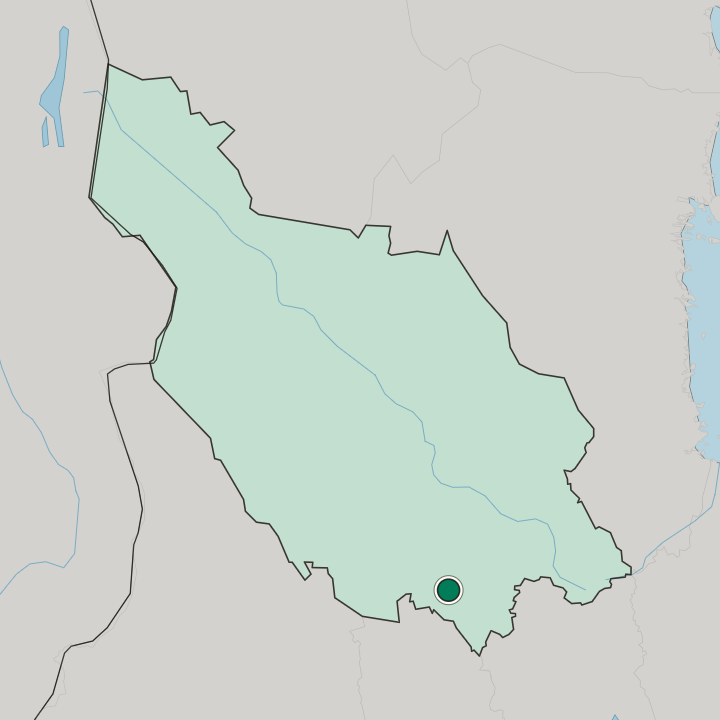
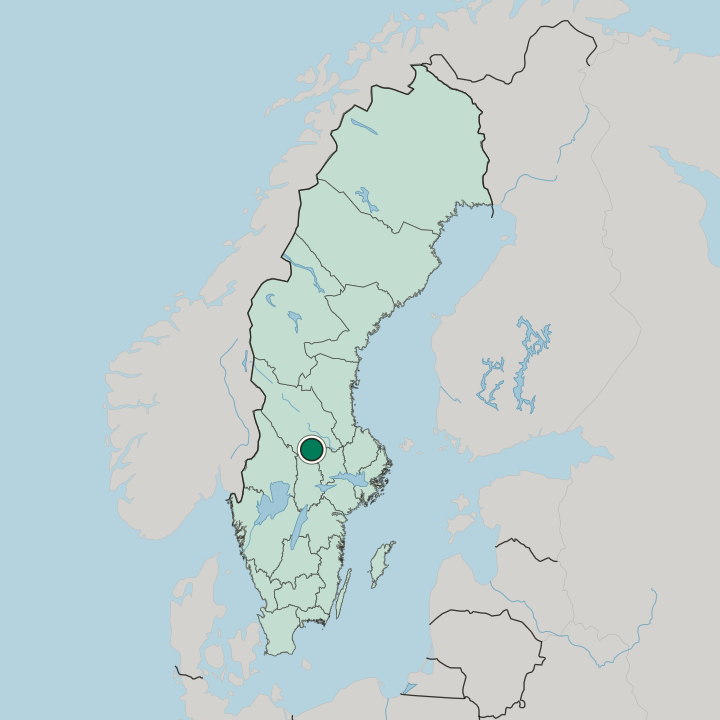
Ludvika is an old mining and industrial town in the south-western part of Dalarna County, central Sweden, set among lakes and iron-bearing hills.
Hotel links are affiliate links: booking through them may earn us a commission, at no extra cost to you. It never affects how places are ranked. How this works


Where to stay in Ludvika
The practical side of choosing where to sleep.
Most visitors stay in the town centre, the grid of streets gathered near the station and the lakeshore, where the shops, cafés, and the main square all sit within an easy walk and the mining museum lies close at hand. It suits you if you want to arrive by train and reach the centre on foot. Rooms here run to a couple of hotels and smaller guesthouses.
Beds can tighten when industry brings business travellers, so booking ahead helps. By the lakes that ring the town, a little out from the core, holiday cabins and a campsite face the water and draw families through the short bright summer. The wider mining country of southern Dalarna offers a quieter base again.
Out toward Grängesberg and the forest villages sit guesthouses and rented cottages for those with a car. Make the centre your first choice. Everything in town lies minutes away on foot, and the lakes and woods begin where the streets give out.
Find hotels in Ludvika
Direct booking searches for these neighbourhoods.
Town centre
station, square and mining museum within an easy walkFind hotels in Town centrefamiliesBy the lakes
cabins and a campsite facing the water below GrängesbergFind hotels in By the lakesdrivers heading for Grängesberg and the Dan Andersson countryMining country toward Grängesberg
guesthouses and cottages among forest and old minesFind hotels in Mining country toward GrängesbergHotel links are affiliate links: booking through them may earn us a commission, at no extra cost to you. It never affects how places are ranked. How this works
Things to do in Ludvika
Ranked by global recognition; descriptions from Wikidata (CC0).
Museums & Galleries
2- Ludvika Gammelgård Heritage working life museum
- Dan Andersson Museum
Churches & Religious Sites
3- Ludvika Ulrika Church Heritage
- Lyvikens kapell
- Korskyrkan
worth knowingacross 2 categories in Ludvika
About Ludvika
Ludvika is known for iron and power.
What is Ludvika known for?
The town rose on mining in the Bergslagen ore country of southern Dalarna County, and it later became a centre of heavy electrical engineering, with high-voltage technology made here for the wider world. The poet Dan Andersson, whose verse came out of these forests and charcoal-burner camps, is honoured at a museum in the town. Lakes ring the built-up core.
Mining heritage and industry still shape the place and its working character.
What are the main landmarks in Ludvika?
Churches and the mine mark the town. Ludvika Ulrika kyrka, the main parish church, anchors the centre, while Korskyrkan and the smaller chapels serve the wider congregation across the built-up area. The old mining works, kept as a museum, recall the iron that made the place.
The Dan Andersson Museum honours the poet of these northern forests. Together they trace the town's twin roots in faith, ore, and the written word.
What is the history of Ludvika?
Ludvika began with iron. The settlement grew in the Bergslagen mining belt of southern Dalarna County, where ore, forest charcoal, and falling water came together to feed the forges and hammers that worked the metal across the early modern centuries. The railway recast the place.
When the line arrived, Ludvika turned from a mining hamlet into a town and an industrial hub, and the iron of nearby Grängesberg flowed out to the wider kingdom along the new tracks. Heavy electrical engineering followed in time, and high-voltage technology built here carried the town's name far beyond the forests of Dalarna. The poet Dan Andersson grew from this same country of charcoal camps and lonely forest cabins, and his verse fixed the region in Swedish memory.
Ludvika kept working. It remains the seat of its municipality in the south-western part of Dalarna County, an industrial town whose lakes, churches, and old mines still tell of the iron that founded it.
Where is Ludvika?
Ludvika lies among lakes. The town sits in the south-western part of Dalarna County, in central Sweden, in the Bergslagen ore country where wooded hills and a string of long narrow lakes break up the forested upland of the inland. Water runs through and around the built-up core.
The land belongs to the old mining belt, a country of forest, rock, and worked-out shafts. It stands inland, south-west of the lake district around Siljan.
What is the climate of Ludvika?
Far from the sea, the climate runs cold and continental. Winters are long and snowy, with the lakes around the town freezing over and the inland forests of central Sweden holding deep snow through the dark months of the year. By contrast, summers stay short and mild.
Long northern daylight warms the lakeshores briefly before autumn turns the woods to gold. Distance from the sea makes the seasons swing hard between summer warmth and biting winter frost.
How do you get to Ludvika?
Ludvika is easiest to reach by rail. Ludvika sits on the rail network of southern Dalarna County, with services linking it toward Borlänge, Örebro, and on to Stockholm, so reaching the town from the capital takes a few hours and perhaps a change along the way. Roads run in across the forested mining country.
Drivers come up easily. The nearest large airports lie well to the south, around Stockholm, a few hours off by car or a connecting train.
Common questions
What is the best area to stay in Ludvika?
Town centre: first-timers. By the lakes: families. Mining country toward Grängesberg: drivers heading for Grängesberg and the Dan Andersson country.
Good for
More cities in Dalarna County
Updated October 2026