Sweden · Dalarna County
Where to Stay in Säter, Dalarna County
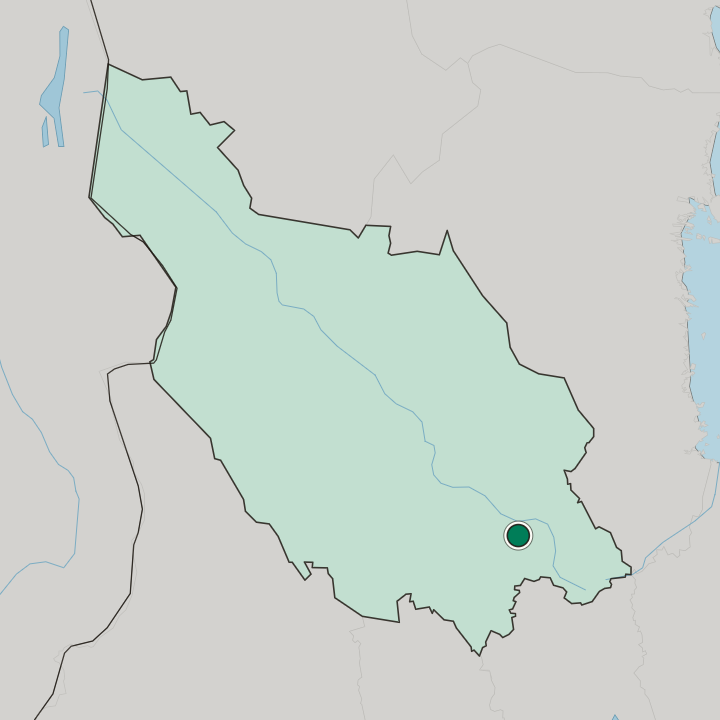
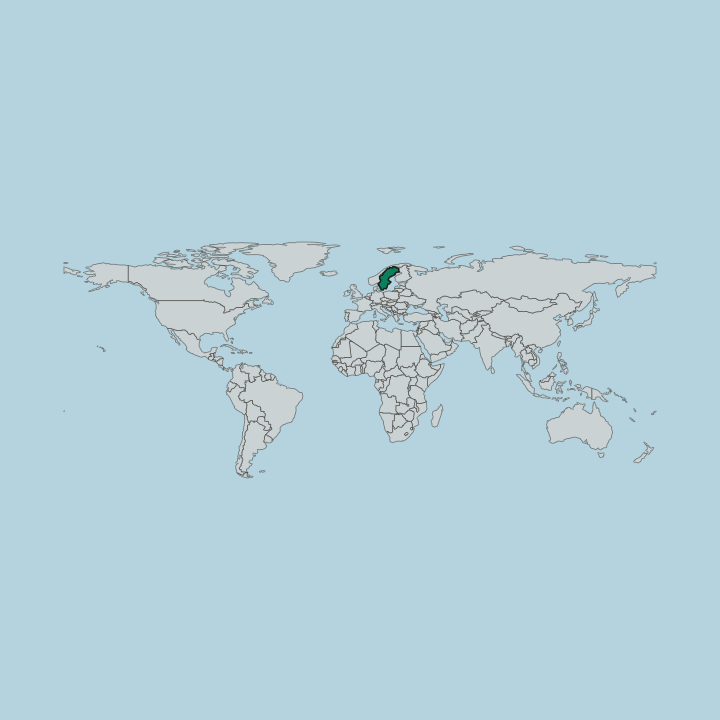
Säter is a small historic town in the southern part of Dalarna County, set on the Ljusterån in central Sweden.
Hotel links are affiliate links: booking through them may earn us a commission, at no extra cost to you. It never affects how places are ranked. How this works


Where to stay in Säter
Where the beds are, and what that means for the visit.
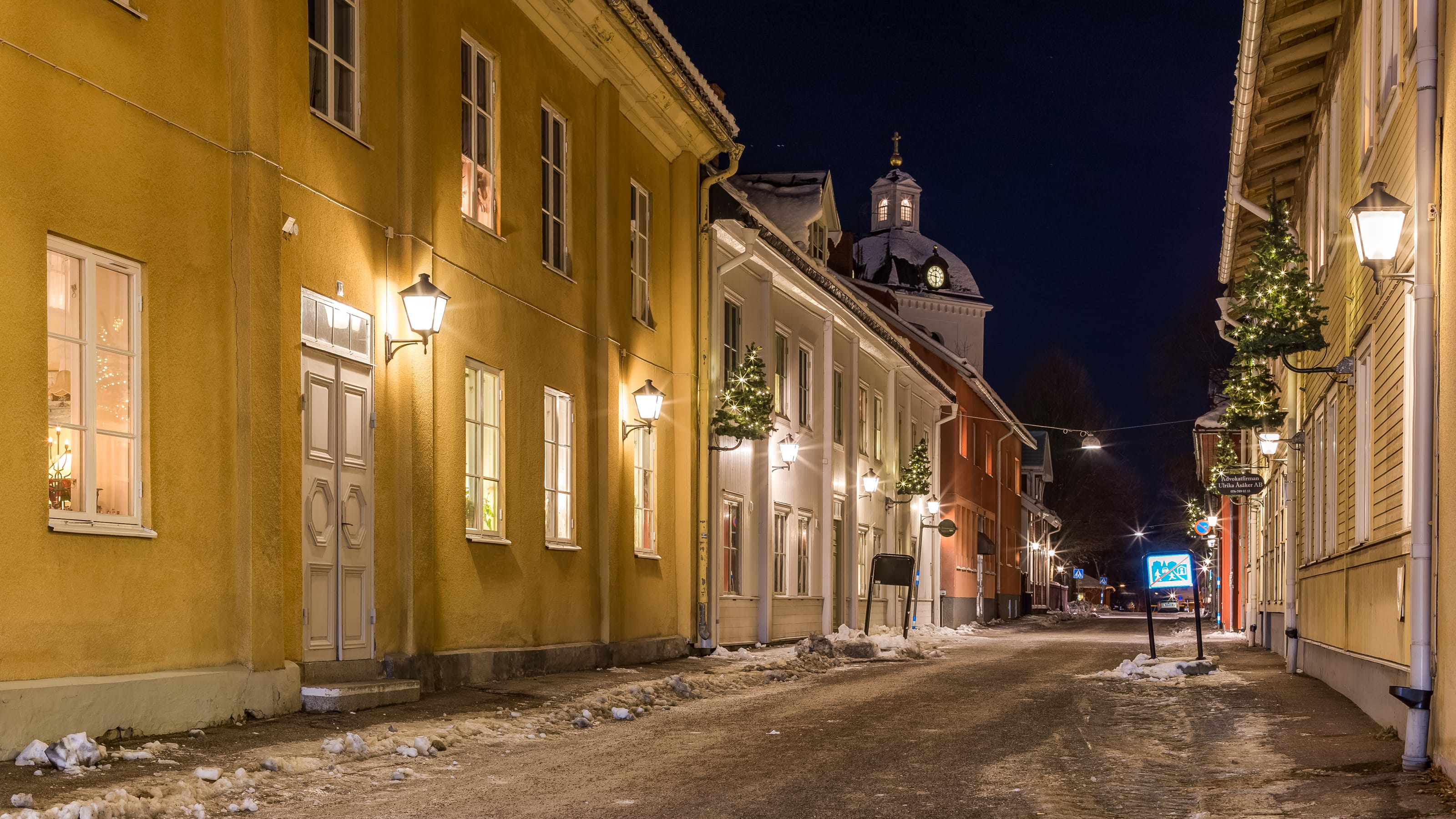
Most visitors stay in the town centre, the compact grid of old wooden streets near the church and the river that keeps shops, cafes, and the station within an easy walk. It suits anyone arriving at the station on foot. Rooms here lean toward small hotels and guesthouses set among the historic houses rather than anything large.
The stretch toward Säterdalen, south of the centre, is the other clear choice, where lodging sits near the entrance to the ravine and its walking paths. This setting works best for anyone who wants the valley and its forest trails at the door, a calm base for hiking in summer or following the river through the gorge, while keeping the small town centre within reach. Walkers favour it.
For lower rates and more room, the residential streets and the country around Mörkön fan out toward the main roads, practical for drivers heading toward Borlänge or Hedemora. Start with the old town centre. The valley rewards a slower visit.
Find hotels in Säter
Direct booking searches for these neighbourhoods.
Town centre
old wooden streets, shops and the station within a short walkFind hotels in Town centrewalkers and nature staysSäterdalen edge
lodging near the ravine and its forest trailsFind hotels in Säterdalen edgedrivers wanting room and lower ratesOuter streets and Mörkön
more room with quick access to the main roadsFind hotels in Outer streets and MörkönHotel links are affiliate links: booking through them may earn us a commission, at no extra cost to you. It never affects how places are ranked. How this works
Things to do in Säter
Ranked by global recognition; descriptions from Wikidata (CC0).
Museums & Galleries
3- Biografmuseet working life museum
- Åsgårdarna
- Mentalvårdsmuseet Säter
Churches & Religious Sites
1- Säter Church Heritage
Castles & Historic Sites
1- Mörkön Heritage
worth knowingacross 3 categories in Säter
About Säter
Two things stand out.
What is Säter known for?
Säter is known for the deep wooded ravine of Säterdalen just outside the town, and for being one of Sweden's smallest old towns, with a well-kept centre of low wooden houses, while its history reaches back to a seventeenth-century silver mint. Säters kyrka anchors the centre. A river threads straight through Säter.
Most visitors come for the ravine and the quiet, old-fashioned streets.
What are the main landmarks in Säter?
Säters kyrka is the town's chief landmark, a stone church standing in the heart of the old centre. Just outside the town opens Säterdalen, the deep wooded ravine cut by the Ljusterån, a beauty spot laced with walking paths and bridges through the gorge. The well-preserved wooden town itself counts as a sight, one of the few such old centres left in the country.
Mörkön adds a quieter stop nearby. Together these places tie the town to its old streets, its river valley, and its long history.
What is the history of Säter?
Säter owes its rise to silver. In the early seventeenth century a royal mint was set up here in the Bergslagen mining country, drawing on the ore and waterpower of the district, and the town was chartered around that work as one of the oldest in Dalarna. The Ljusterån powered the early works.
Silver gave the place its first wealth. When the mint closed, the town settled into a slower provincial life, and its centre of low wooden houses survived where larger places rebuilt in stone or brick. That preserved old town later became a draw in its own right, valued for the rare picture it gives of a small Swedish town from earlier centuries.
The ravine of Säterdalen drew walkers and day visitors to its forest paths. The town now lives quietly off its history and its setting, balancing the legacy of the old mint against a present built on heritage, nature, and the calm of its wooden streets.
Where is Säter?
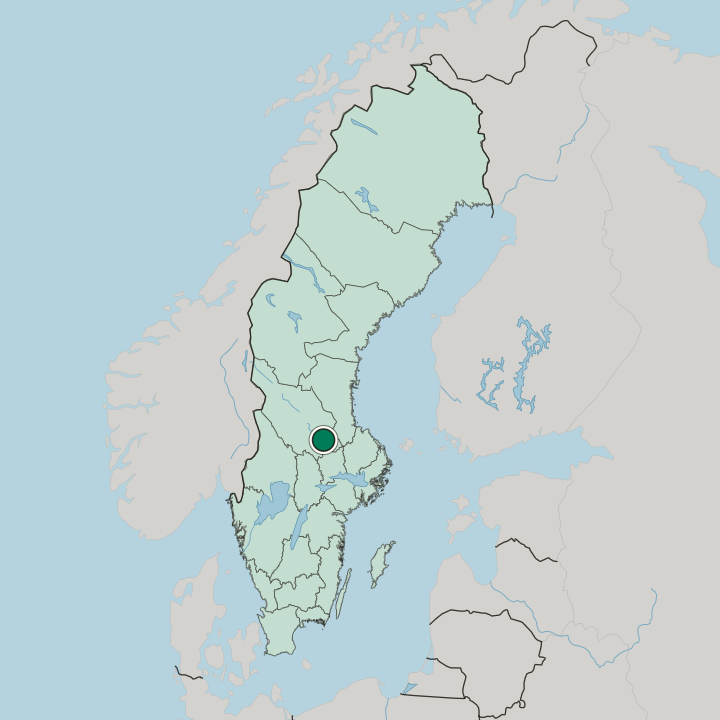
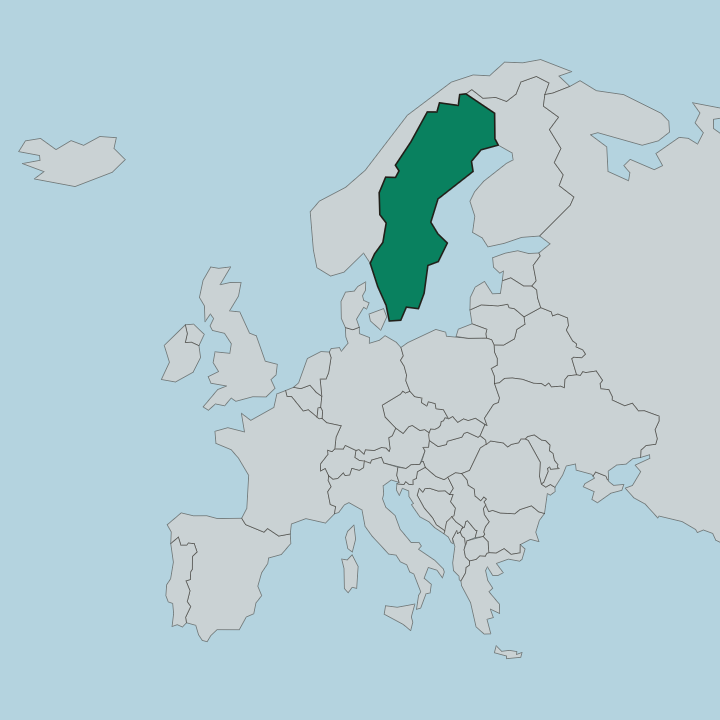
Säter lies in the southern part of Dalarna County, in central Sweden. The town sits on the Ljusterån, the river that has cut the deep ravine of Säterdalen just to the south, with forest and farmland spreading around the valley. Wooded ridges rise on either side.
The town stands in the Bergslagen district, the old mining belt of central Sweden, while the land around carries the lakes and rivers that once powered its works and mint.
What is the climate of Säter?
Säter keeps a cold inland climate in the valley. Winters run long and snowy, with hard frosts settling over the river valley and snow lying for months across the forest and the ravine, quiet under the cold. Summers stay short but mild.
The long northern days then fill Säterdalen with walkers before the cold returns. Spring and autumn are brief seasons of thaw and frost between the two.
How do you get to Säter?
Säter is reached mainly by road and rail. A rail line serves the town, and roads link it to Borlänge and Hedemora and on through southern Dalarna. The nearest larger airport sits near Borlänge for limited flights.
Buses connect the villages nearby. Drivers from Stockholm head north-west through Bergslagen into Dalarna to reach the town and the ravine beside it.
Common questions
What is the best area to stay in Säter?
Town centre: first stays by the station. Säterdalen edge: walkers and nature stays. Outer streets and Mörkön: drivers wanting room and lower rates.
Good for
More cities in Dalarna County
Updated October 2026