Sweden · Dalarna County
Where to Stay in Gagnef, Dalarna County
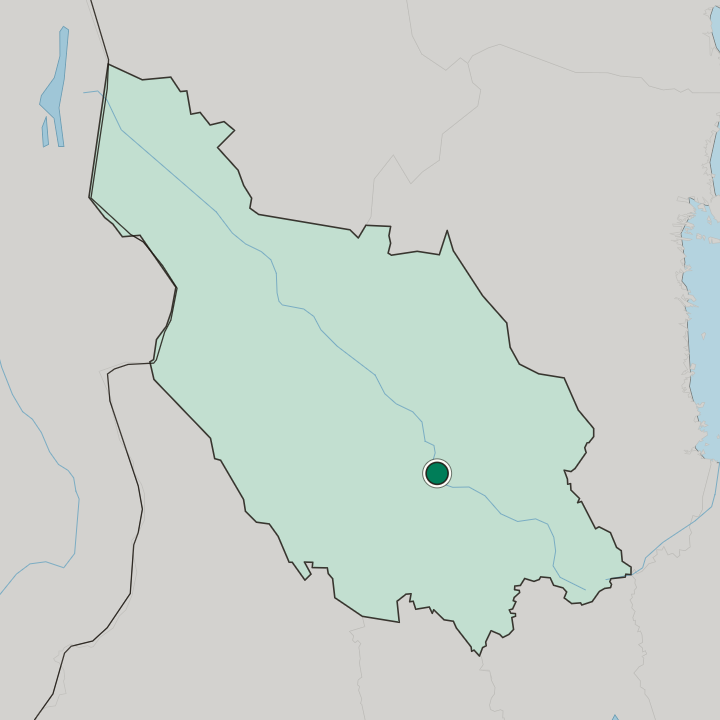
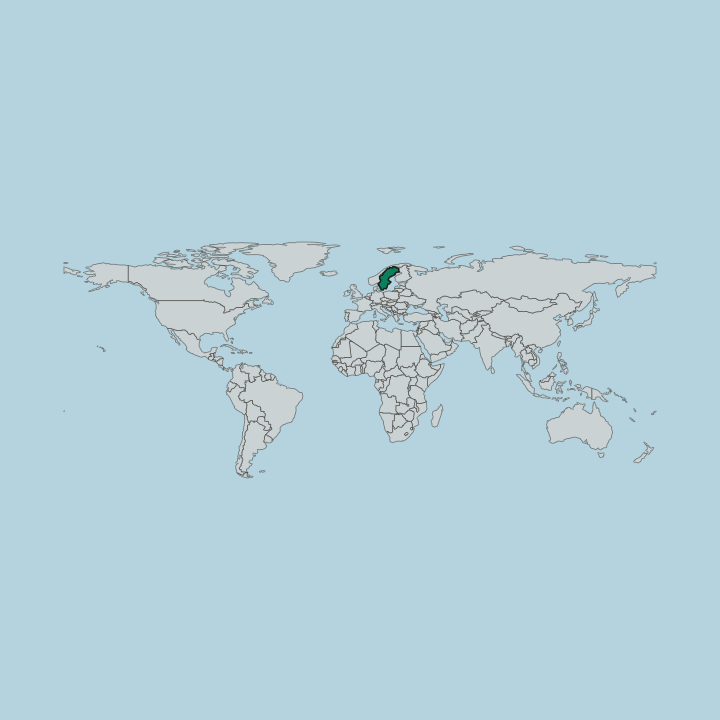
Gagnef is a rural municipality in the western part of Dalarna County, central Sweden, where the two branches of the Dalälven meet.
Hotel links are affiliate links: booking through them may earn us a commission, at no extra cost to you. It never affects how places are ranked. How this works


Where to stay in Gagnef
Where visitors usually base themselves, and why.
This is a rural municipality, so lodging is scattered rather than clustered, and the choices favour quiet over convenience. The main villages of Gagnef and Djurås sit by the river and hold most of what beds there are. They suit travellers who want a calm base among the farms and the water.
Around the church and the old village core, small guesthouses and farm stays put visitors close to the Adelborg museum and the river bend. Out toward Djurås, where the two river branches join, lodging leans practical and modern, handy for the road and rail junction. Beyond the villages, cabins and cottages spread through forest and along the water for those who want true seclusion.
Reserve early for the summer weeks. Rooms remain scarce.
Find hotels in Gagnef
Direct booking searches for these neighbourhoods.
Gagnef village
old village core near the church and museum. Beds are limited here, so book early.Find hotels in Gagnef villagetravellers in transitDjurås
river junction handy for road and rail. Beds are limited here, so book early.Find hotels in Djuråsseclusion seekersForest and lakeside cabins
cottages spread through forest and along the water. Rooms are few around here — worth securing early.Find hotels in Forest and lakeside cabinsHotel links are affiliate links: booking through them may earn us a commission, at no extra cost to you. It never affects how places are ranked. How this works
About Gagnef
Tradition runs strong here.
What is Gagnef known for?
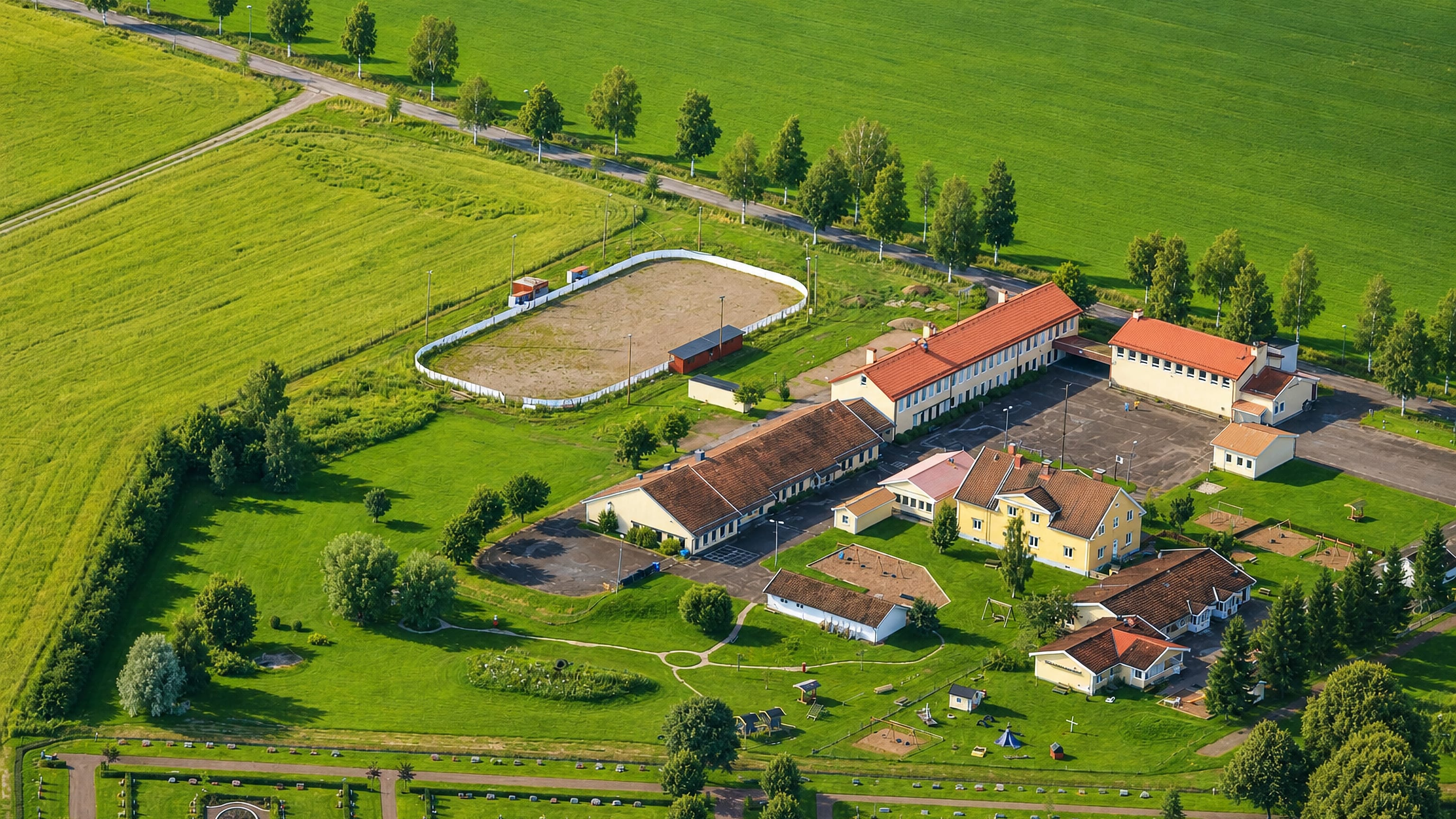
Gagnef is known for its folk culture, its old farms, and the meeting of the Österdalälven and Västerdalälven that gathers the great river before it flows on. The painter Ottilia Adelborg lived and worked in the parish, and a museum keeps her art and her collection of local lace. Gagnefs kyrka watches over the river bend.
The countryside does the rest.
What are the main landmarks in Gagnef?
Gagnefs kyrka stands above the Dalälven, a stone church serving the parish from its riverside knoll. The Ottilia Adelborgmuseet preserves the work of the artist who made the village her home, alongside a noted collection of regional lace and folk craft. The river itself is the great draw.
Its confluence near Djurås gathers two valleys into one. Old timber farmsteads dot the slopes around, the everyday heritage of a quiet Dalarna parish.
What is the history of Gagnef?
Gagnef has long been a farming parish. Settled villages have lined the Dalälven here since the Middle Ages, their fields worked along the fertile river terraces and their lives bound to the church on its knoll above the water. The river ruled everything.
Farming, forestry, and folk craft carried the parish through the centuries with little of the heavy industry that reshaped its neighbours downstream. Timber floated down the Dalälven to distant mills, the railway later threaded through Djurås, and traditions of weaving and lace endured where the painter Ottilia Adelborg would settle and record them. The villages stayed small.
The old ways held on longer here than in most of Dalarna.
Where is Gagnef?
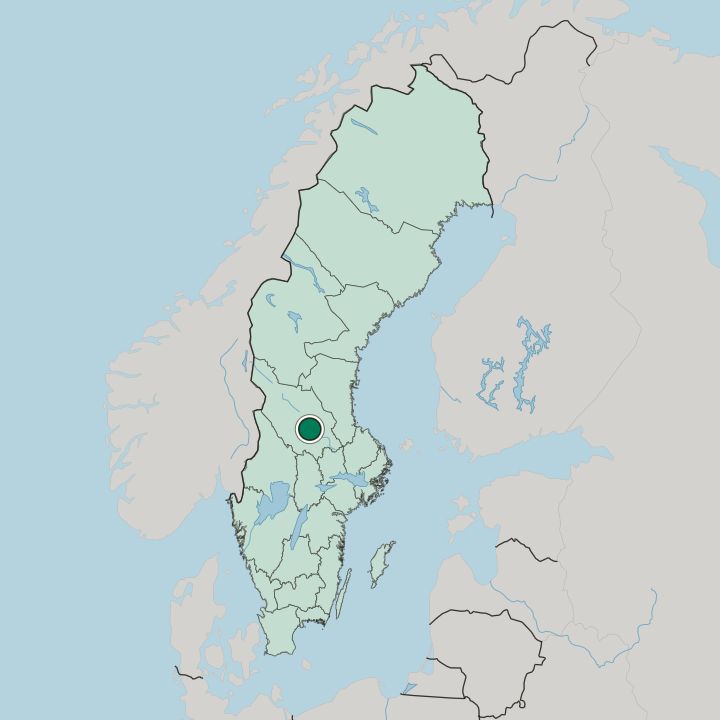
Gagnef lies in the western part of Dalarna County in central Sweden, where the Österdalälven and Västerdalälven join to form the main Dalälven. River terraces and farmland follow the valley floor, while forest and low hills climb away on either side toward the wider uplands of Dalarna. From the confluence the river runs on downstream to the east, past Borlänge and the larger towns of the county before it turns toward the distant coast.
The villages hug the water. Forest covers the rest.
What is the climate of Gagnef?
Gagnef has a humid continental climate, set deep inland in central Sweden. Winters are long and cold, with snow lying across the valley and the river freezing along its slower stretches from December into March. Summers run short but warm.
Daylight lingers far into the evening around midsummer, when the northern dusk barely darkens the river before the early dawn returns. Spring and autumn slip past in between.
How do you get to Gagnef?
Gagnef sits on the Dalarna rail line, with regional trains stopping at Djurås and Mockfjärd on the route between Borlänge and the mountain towns to the north-west. The junction at Djurås ties the local services together. Borlänge, the nearest larger hub, lies a short way downstream to the east.
Cars carry most travellers. Main roads follow the river valley through the municipality, and they carry the bulk of the traffic into the villages.
Common questions
What is the best area to stay in Gagnef?
Gagnef village: quiet rural stays. Djurås: travellers in transit. Forest and lakeside cabins: seclusion seekers.
More cities in Dalarna County
Updated September 2026