Sweden · Stockholm County
Where to Stay in Åkersberga, Stockholm County
Åkersberga is a town in Stockholm County and the seat of Österåker Municipality, set along the Åkers kanal in southern Roslagen.
Hotel links are affiliate links: booking through them may earn us a commission, at no extra cost to you. It never affects how places are ranked. How this works


Where to stay in Åkersberga
How the choice of base plays out on the ground.
Åkersberga concentrates its lodging around the town centre and the canal. A room here puts the Roslagsbanan station, the shops, and the waterside paths within easy reach, and it works well for travellers using the town as a calm base near the city or as a jumping-off point for the islands. The centre is the convenient choice.
Out toward the coast at Margretelund and the bays of Trälhavet, the setting turns more open, with marinas, summer houses, and views across the water; this side suits anyone whose plans revolve around boats and the shore rather than the train. It is quieter and more seasonal. Roslagen proper, the old countryside to the north, holds manor inns and village guesthouses for those who want the region beyond the suburb.
For the archipelago itself, you can carry on by boat to islands such as Ljusterö, where small guesthouses sit among the pines. Rooms there are few and seasonal. If you want trains and town, stay in the centre; if you want the sea, base toward Margretelund or press on to the islands.
Find hotels in Åkersberga
Direct booking searches for these neighbourhoods.
Åkersberga centrum
Roslagsbanan station, shops, and the canalFind hotels in Åkersberga centrumboats and the shoreMargretelund
marinas and the bays of Trälhavet. Lodging is scarce in this area; reserve in advance.Find hotels in Margretelundan archipelago stayLjusterö
island guesthouses among the pines. Few places to stay nearby — book ahead.Find hotels in LjusteröHotel links are affiliate links: booking through them may earn us a commission, at no extra cost to you. It never affects how places are ranked. How this works
Things to do in Åkersberga
Ranked by global recognition; descriptions from Wikidata (CC0).
Museums & Galleries
3- Östa Heritage working life museum in Österåker Municipality
- Båtsmansmuseet
- Hembygdsmuseet
Churches & Religious Sites
2- Österåker church Heritage church building in Österåker municipality
- Åkersberga Church Heritage building in Österåker Municipality
worth knowingacross 2 categories in Åkersberga
About Åkersberga
What is Åkersberga known for?
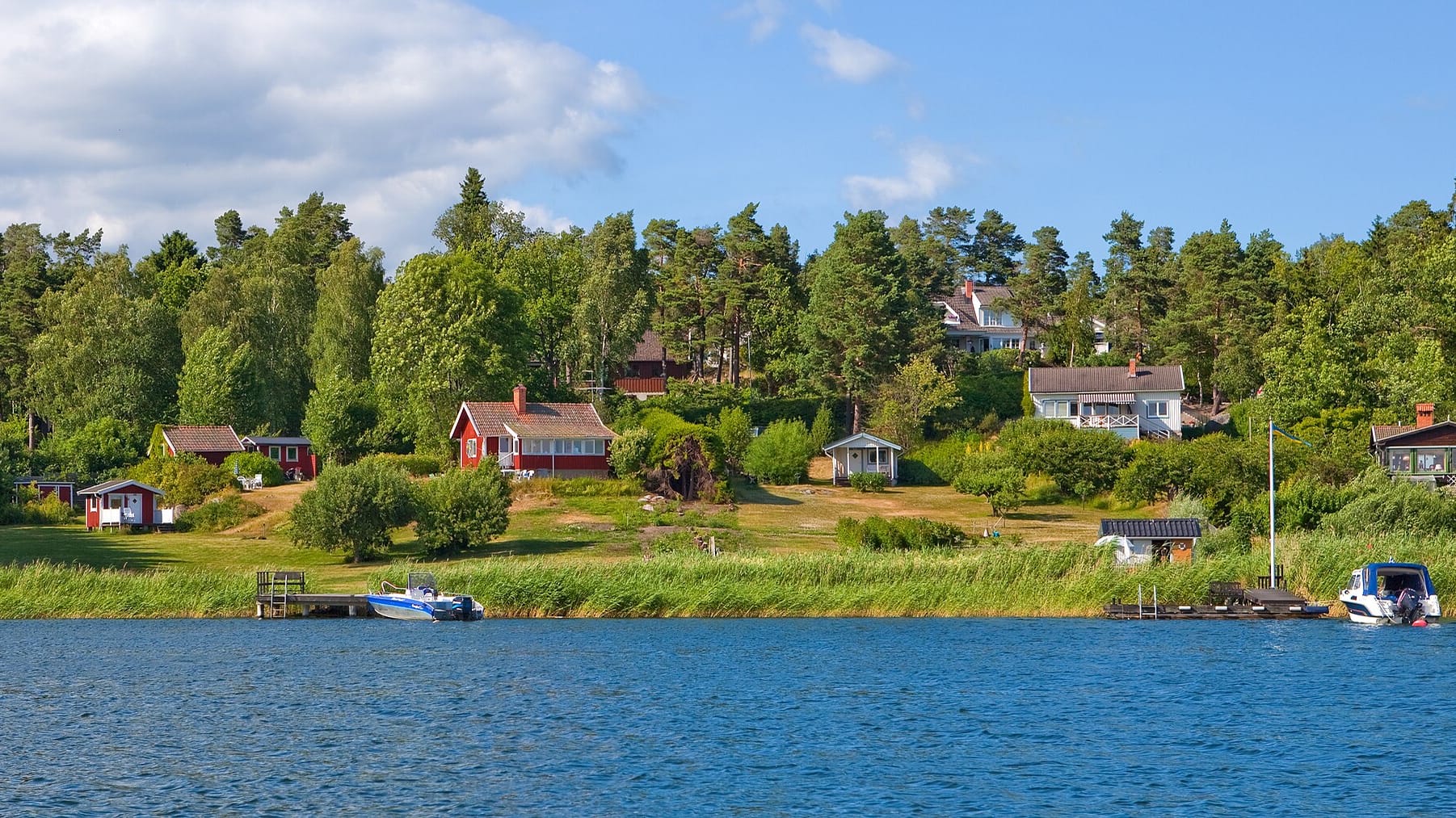
Åkersberga is known as a doorway to Roslagen and the northern archipelago, a fast-grown town where commuters and boat owners share the same waterside. The Åkers kanal threads through the middle, linking inland bays to the sea and lined with moorings and walking paths. Water runs through its life.
From the harbours nearby, channels lead out among the islands of the outer coast, so the town serves both as a suburb on the Roslagsbanan line and as a base for the sailing grounds to the east.
What are the main landmarks in Åkersberga?
Åkersberga's landmarks are quiet ones. The modern Åkersberga kyrka serves the town, while the medieval Österåkers kyrka stands a little outside it among the older farms of the parish. The canal is the real draw.
It was dug to join the inland waters to the sea, and it gives the centre its locks, bridges, and boat traffic, while the manor of Margretelund and its grounds add an older note out toward the coast where the channels open into the archipelago.
What is the history of Åkersberga?
Åkersberga is a young town on very old ground. The parish of Österåker around it is medieval, its stone church and scattered farms set in the slowly rising land of Roslagen, where the coast has been lifting out of the sea since the ice age and old harbours now lie inland. For centuries this was farming and fishing country.
The canal changed the local map. In the nineteenth century the Åkers kanal was cut to carry boats between the inland waters and the sea, and a small settlement grew at the crossing. The narrow-gauge Roslagsbanan railway then linked the area to Stockholm, and in the second half of the twentieth century Åkersberga expanded quickly into a commuter town, becoming the seat of Österåker Municipality.
The result is a place that wears two faces at once: a modern suburb of recent housing around the station, and the old Roslagen of manors, canal locks, and an archipelago shoreline reaching away to the east.
Where is Åkersberga?
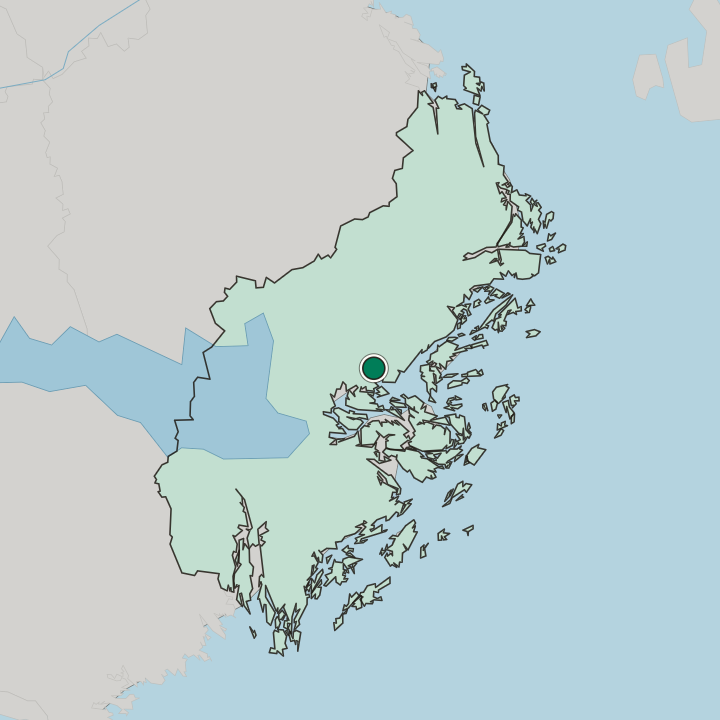
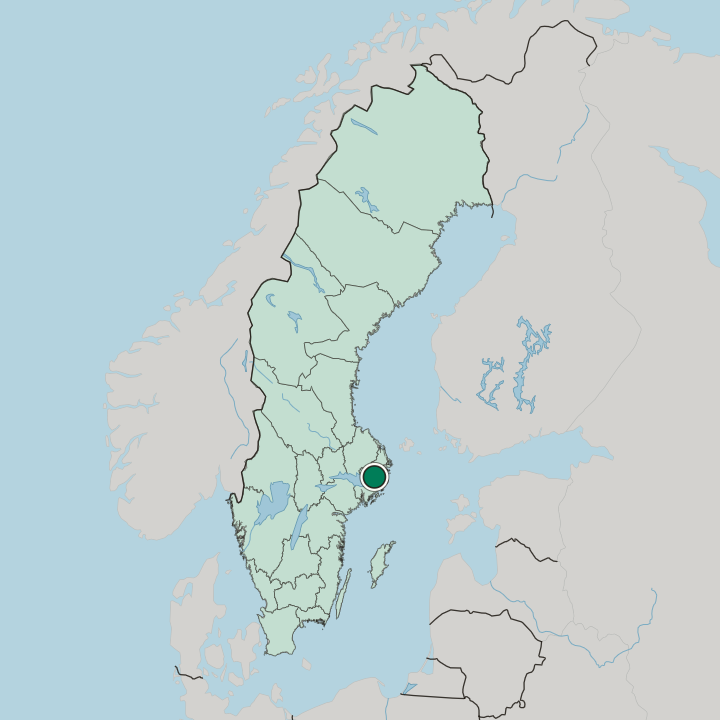
Åkersberga lies in the northern part of Stockholm County, in the region of Roslagen in eastern Sweden, where the mainland frays into the inner archipelago. The town sits along the Åkers kanal, which links inland waters to the bay of Trälhavet and the channels beyond. Here the land is low and rising.
The ground still lifts from the sea after the ice age, carrying lakes, woods, and farmland inland, while to the east the shoreline breaks into islands and sounds that run out toward the open Baltic.
What is the climate of Åkersberga?
Åkersberga has the humid continental climate of the Roslagen coast, with the inner archipelago tempering the swings. Winters are cold, and ice closes the canal and the sheltered bays for stretches of the dark season, though the open channels hold out longer. Bright summers run short here.
Long daylight, warm water, and sea breezes fill the marinas and shores through the season, while spring comes late on the rising land and autumn turns wet and blustery off the sea.
How do you get to Åkersberga?
Åkersberga rides the Roslagsbanan into Stockholm. The narrow-gauge line runs from the town's stations down to Stockholm Östra at Tekniska högskolan, where the metro takes over, making the train the usual way in. Roads reach it too.
Route 276 connects the town to the E18 and the wider network, and buses serve the surrounding districts, while in summer archipelago boats call along the nearby coast for passengers heading out among the islands.
Common questions
What is the best area to stay in Åkersberga?
Åkersberga centrum: rail access and a calm town base. Margretelund: boats and the shore. Ljusterö: an archipelago stay.
Good for
More cities in Stockholm County
Updated October 2026