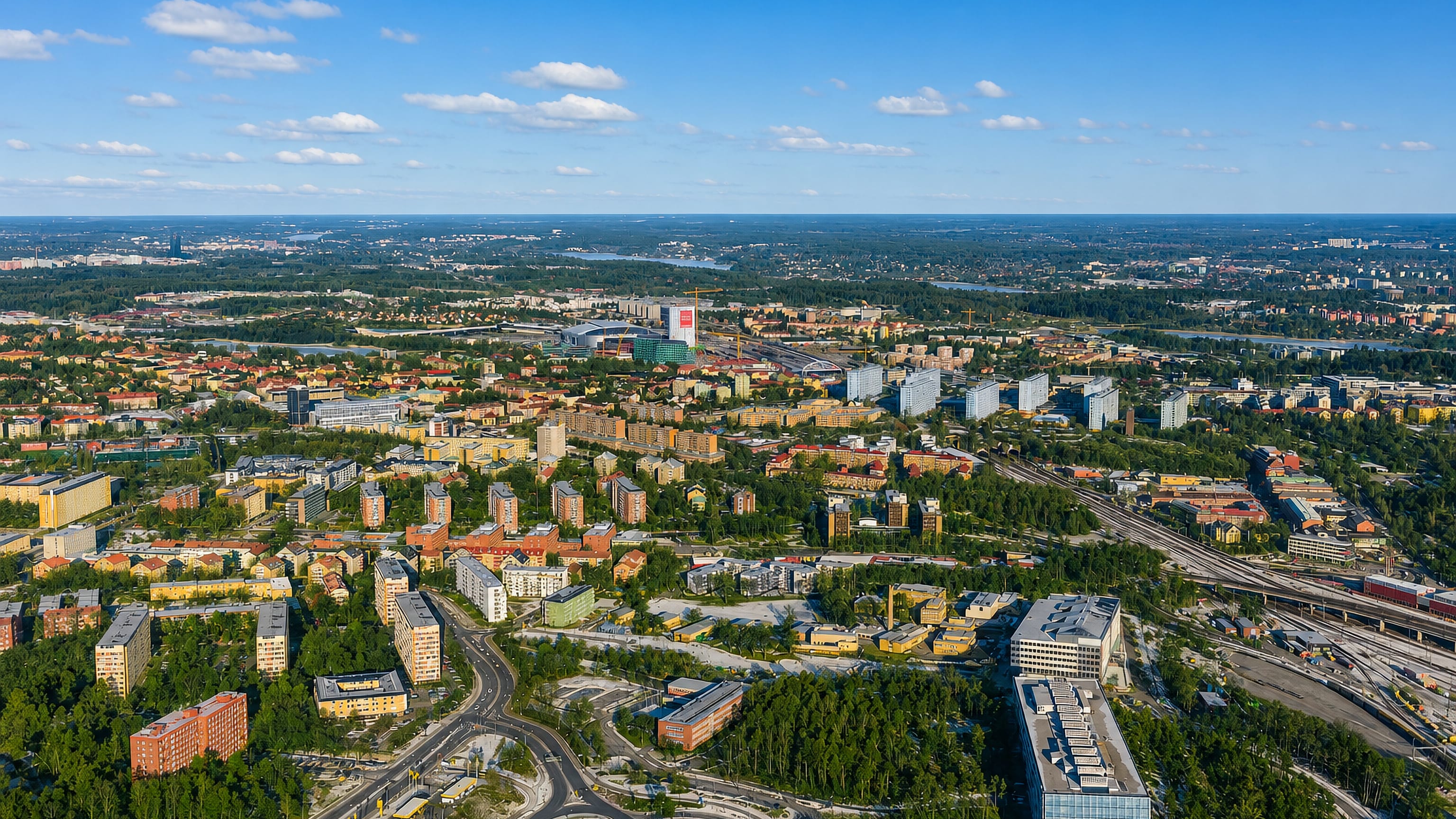
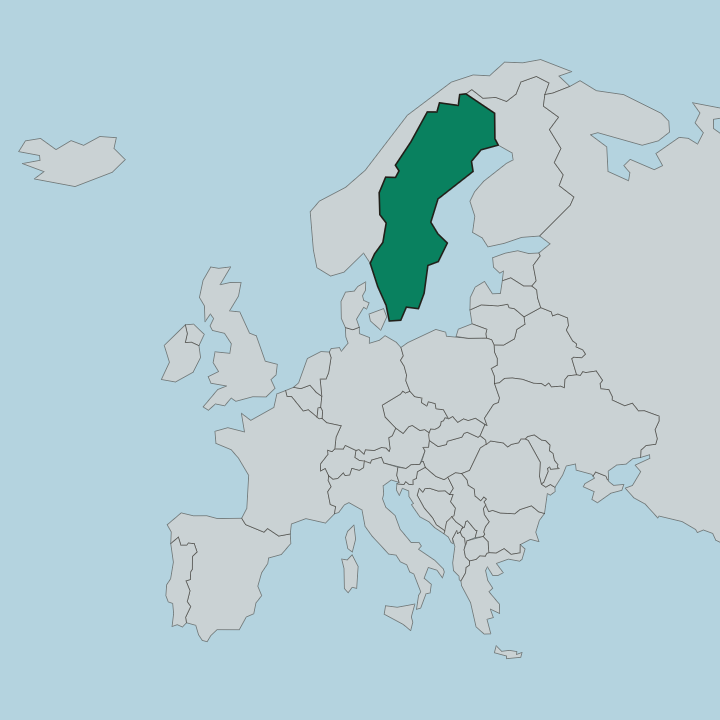
Sweden · Stockholm County
Where to Stay in Solna, Stockholm County
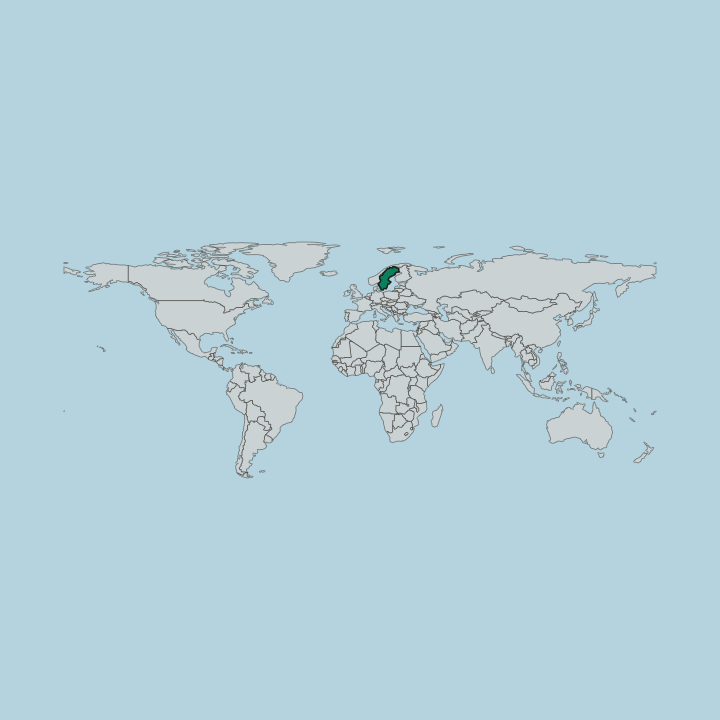
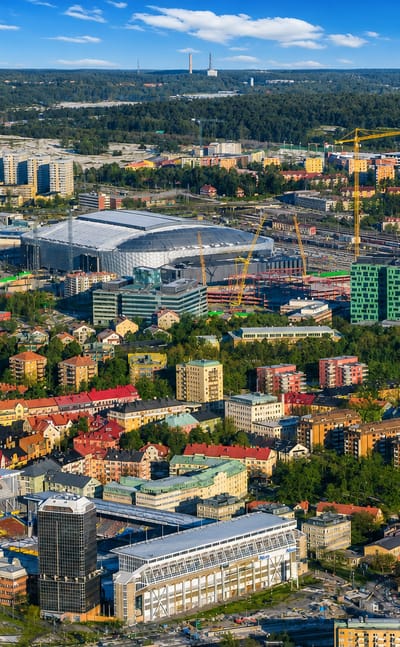
Solna is a municipality in Stockholm County, wrapped around the royal parkland of Hagaparken just north of the capital.
Hotel links are affiliate links: booking through them may earn us a commission, at no extra cost to you. It never affects how places are ranked. How this works


Where to stay in Solna
Not every neighbourhood fits every trip — here's what each one is good for.
 SolnaSweden
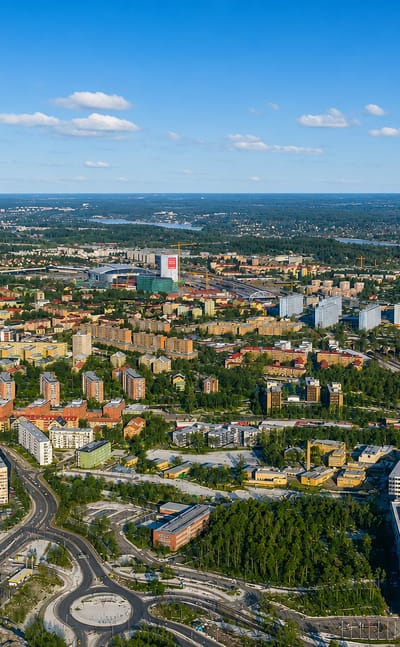
Råsunda
Old district by the former national stadium, low streets and corner cafés.Råsunda →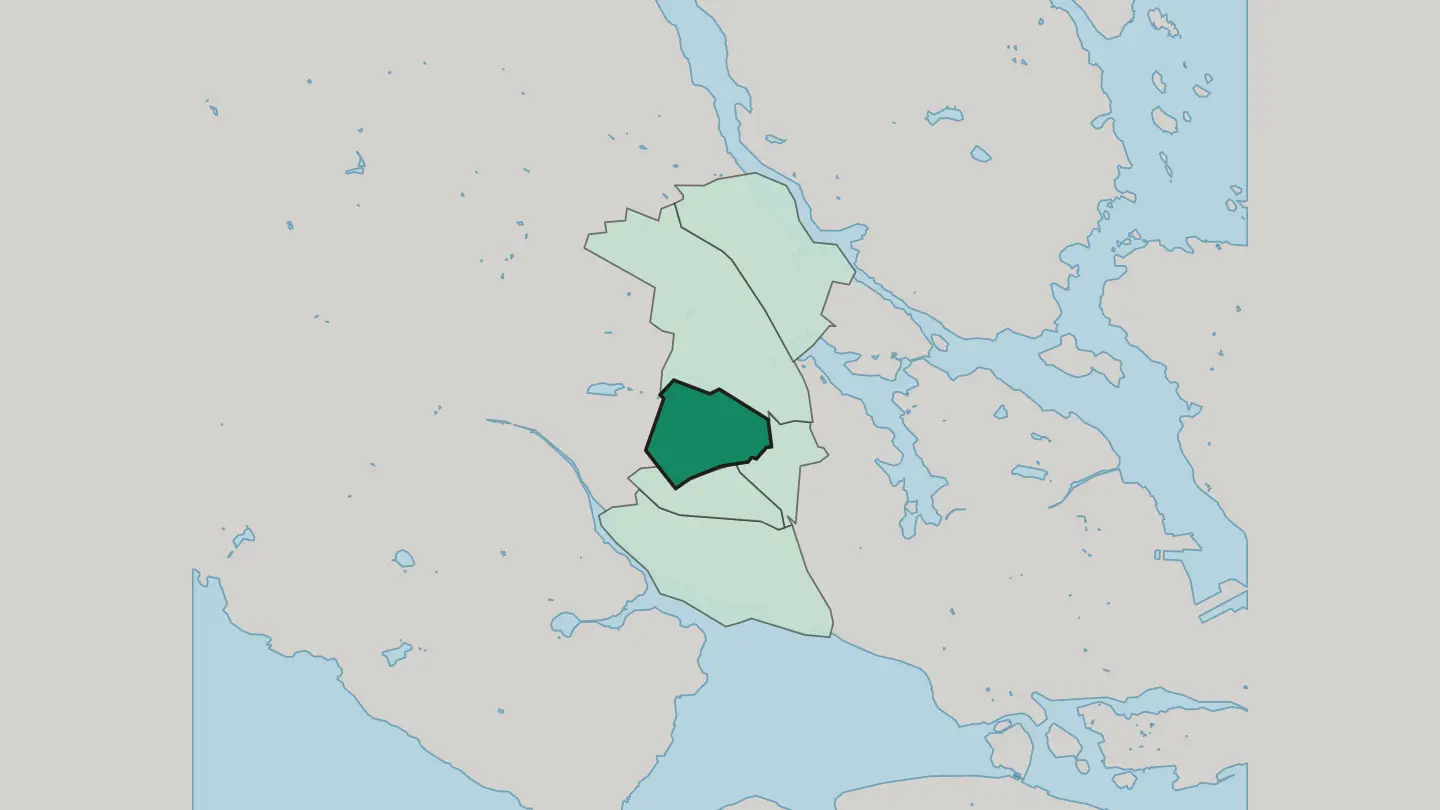
 SolnaSwedenModern convenience
Hagastaden
New quarter by the Karolinska hospital on the Stockholm boundary.Hagastaden →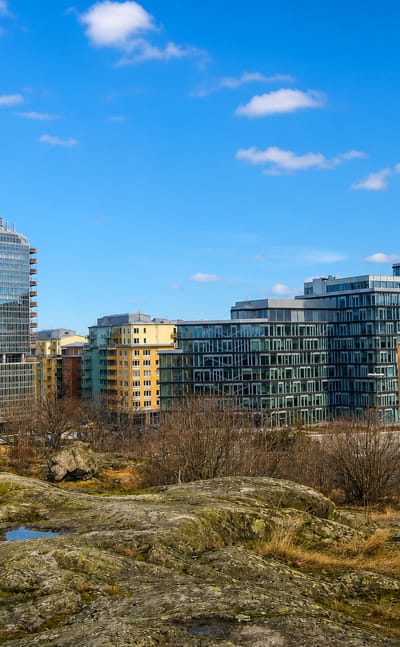 SolnaSweden
Skytteholm
Skytteholm is a district of Solna in Stockholm County that holds Solna centrum and the Solna city hall.Where to stay →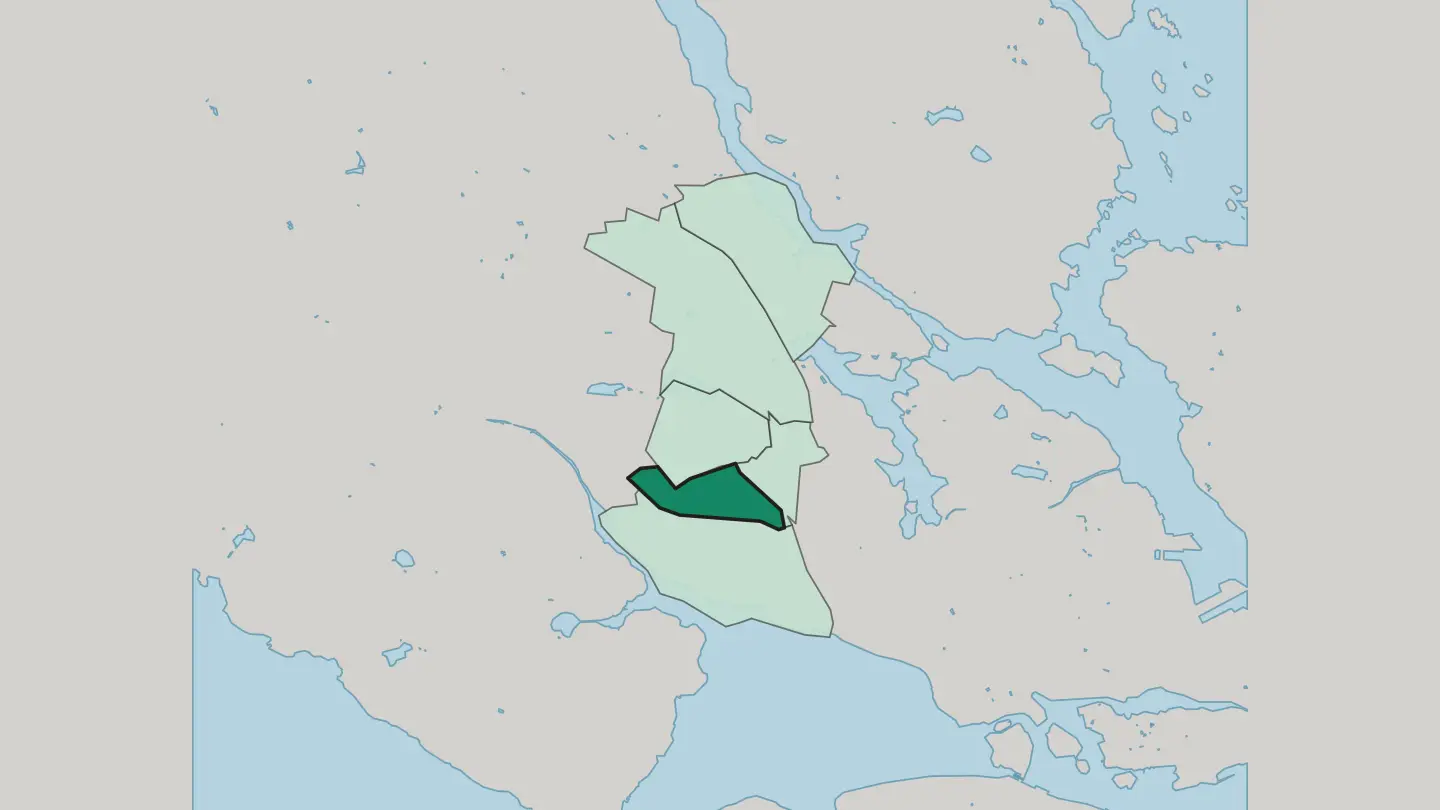
 SolnaSweden
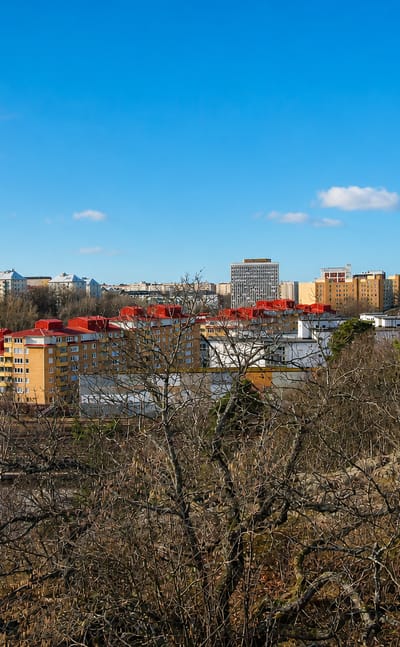
Hagalund
Hagalund is one of the eight districts of Solna, in Stockholm County, known for the eight blue high-rise blocks called Blåkulla.Where to stay →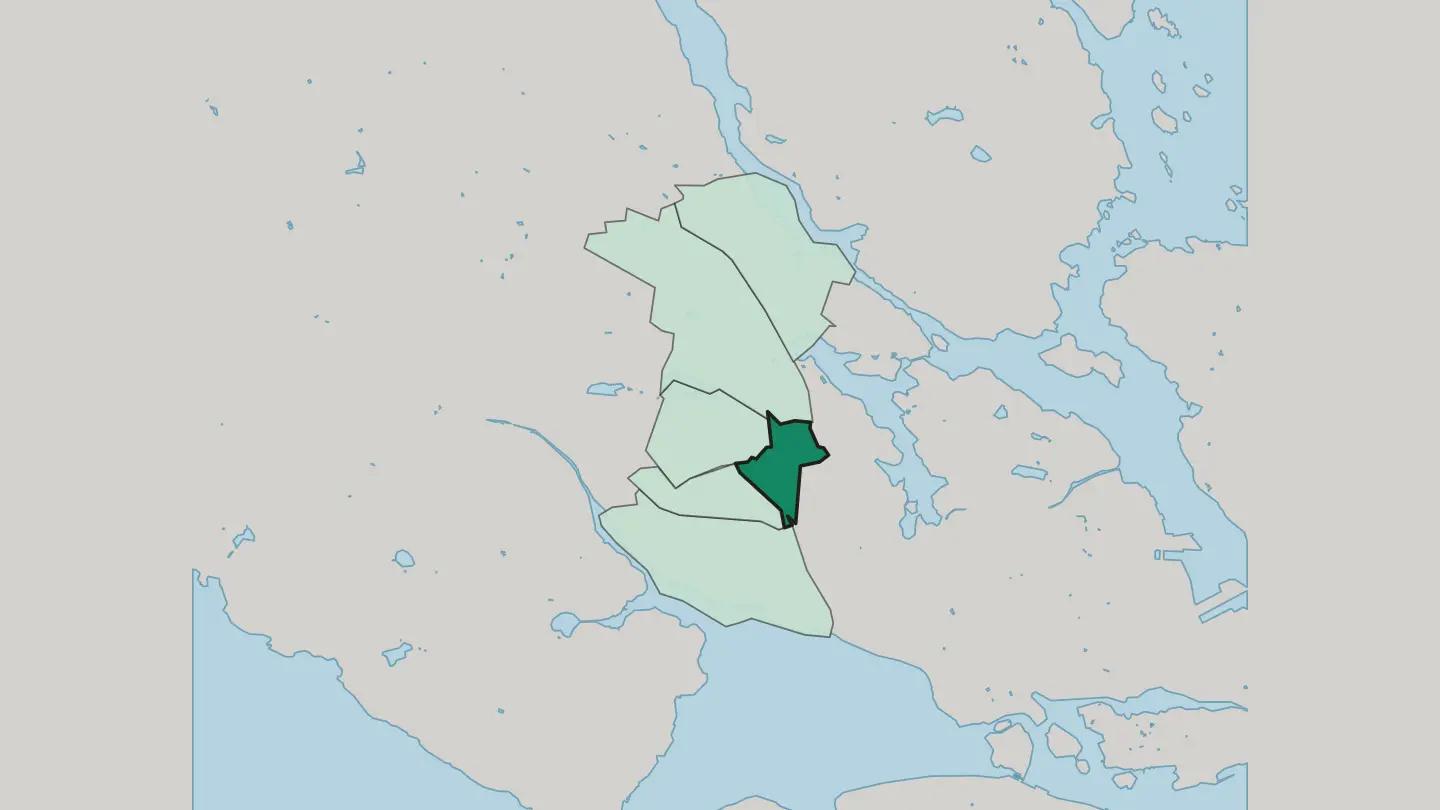 SolnaSweden
Huvudsta
Huvudsta is a residential district of Solna, on the city's south-western side near the water in eastern Sweden.Where to stay →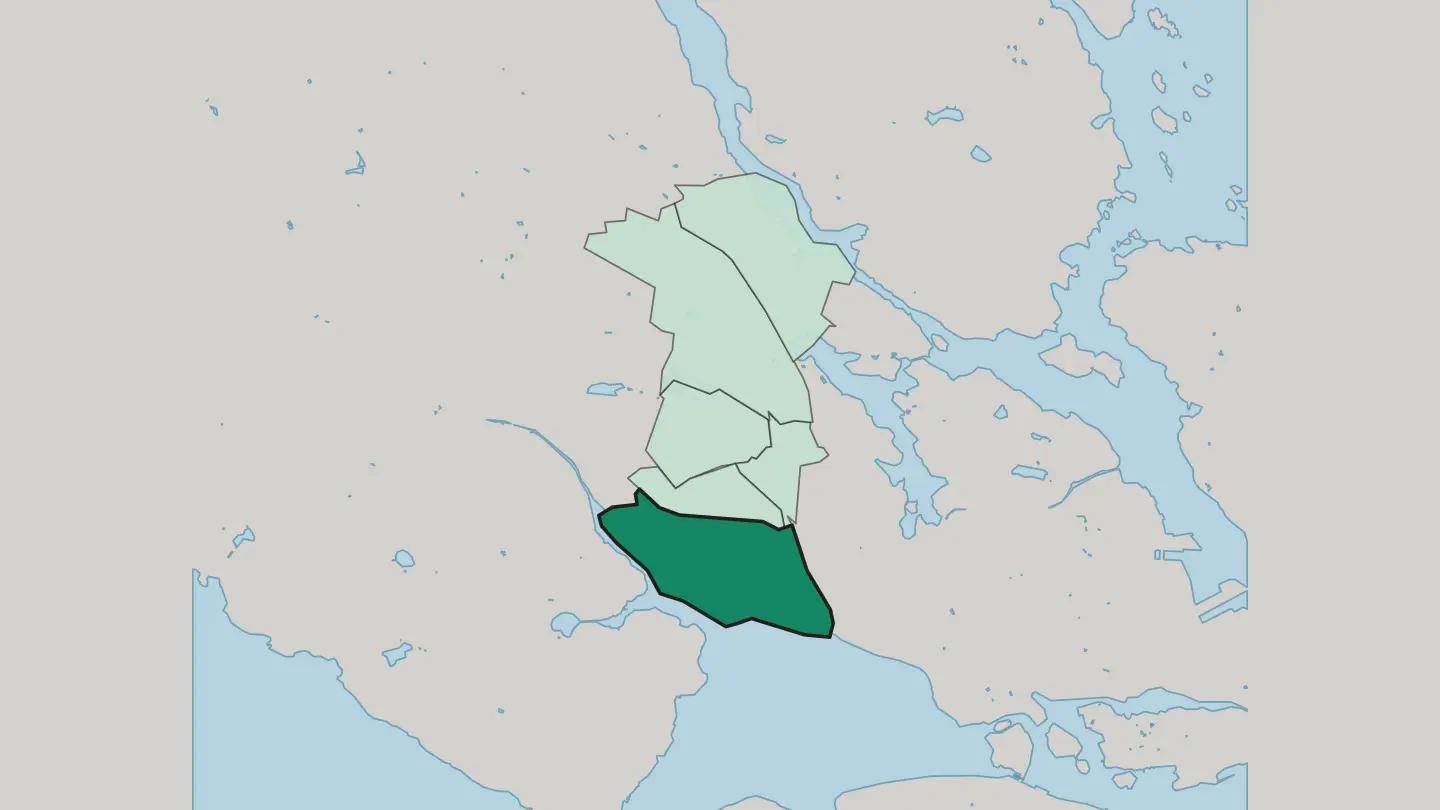
 SolnaSweden
Råstahem
Råstahem is one of Solna's districts, a pocket of streets whose landmark is the church Fredens kyrka.Where to stay →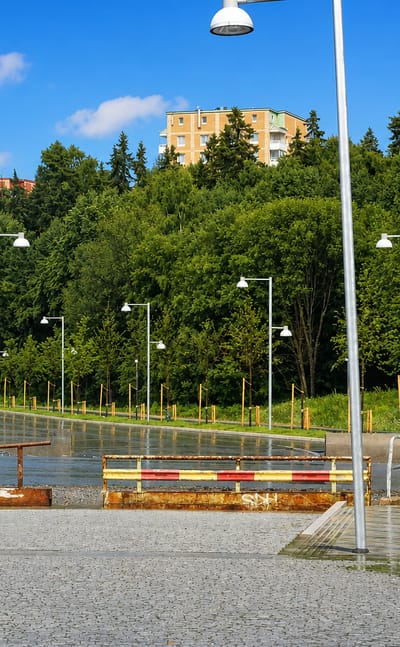 SolnaSweden
Järva
Järva is a district in northern Solna, on the city's open northern edge in eastern Sweden.Where to stay →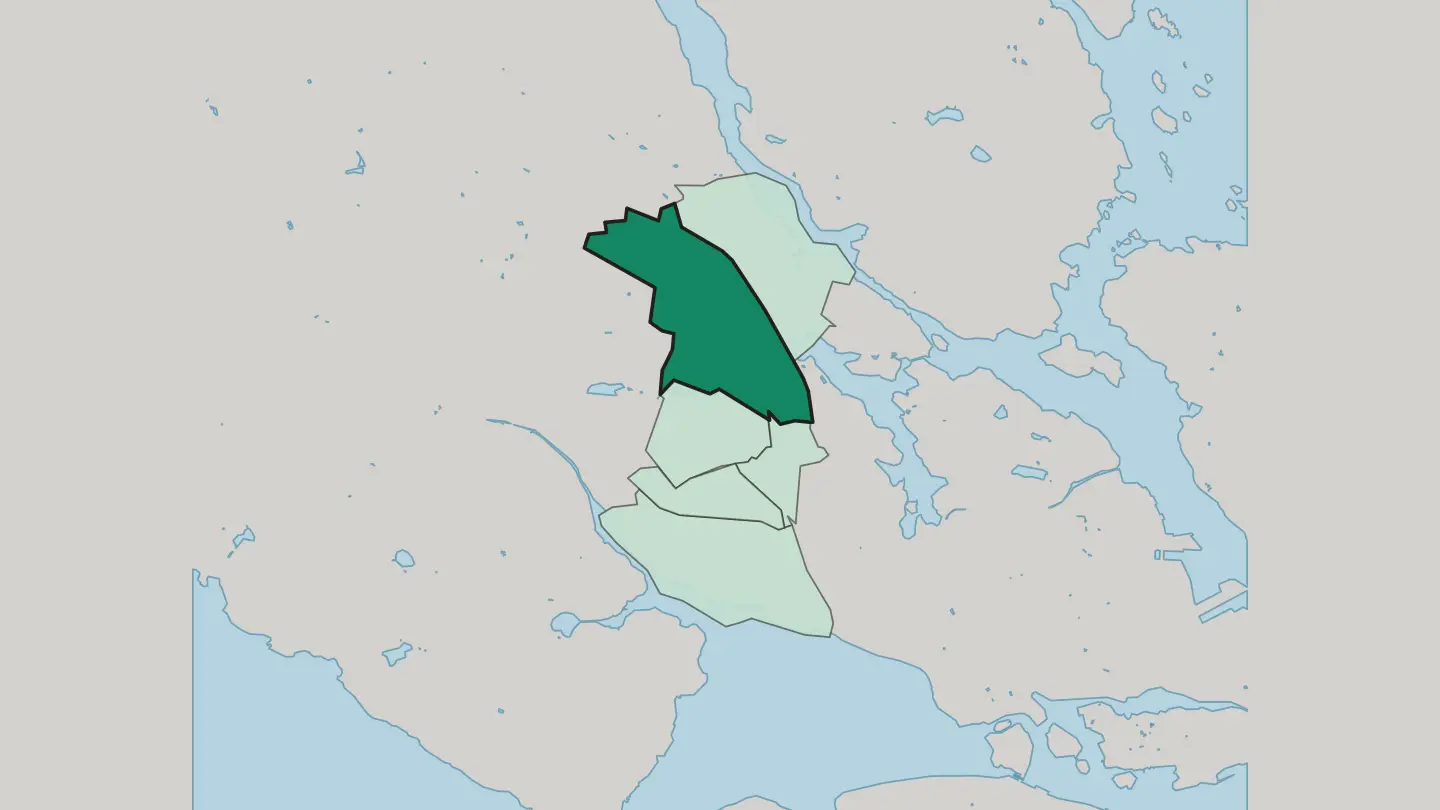
 SolnaSweden
Kungshamra
Kungshamra is student housing in Bergshamra, a corner of Solna Municipality on the northern outskirts of Stockholm.Where to stay →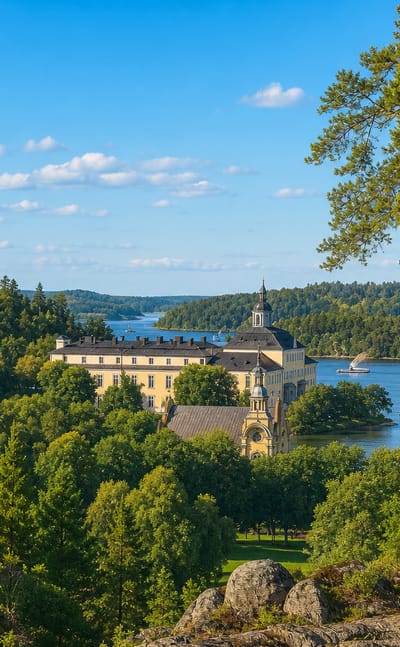 SolnaSweden
Ulriksdal
Ulriksdal is a royal-palace district on the northern side of Solna, set in parkland by the water, in eastern Sweden.Where to stay →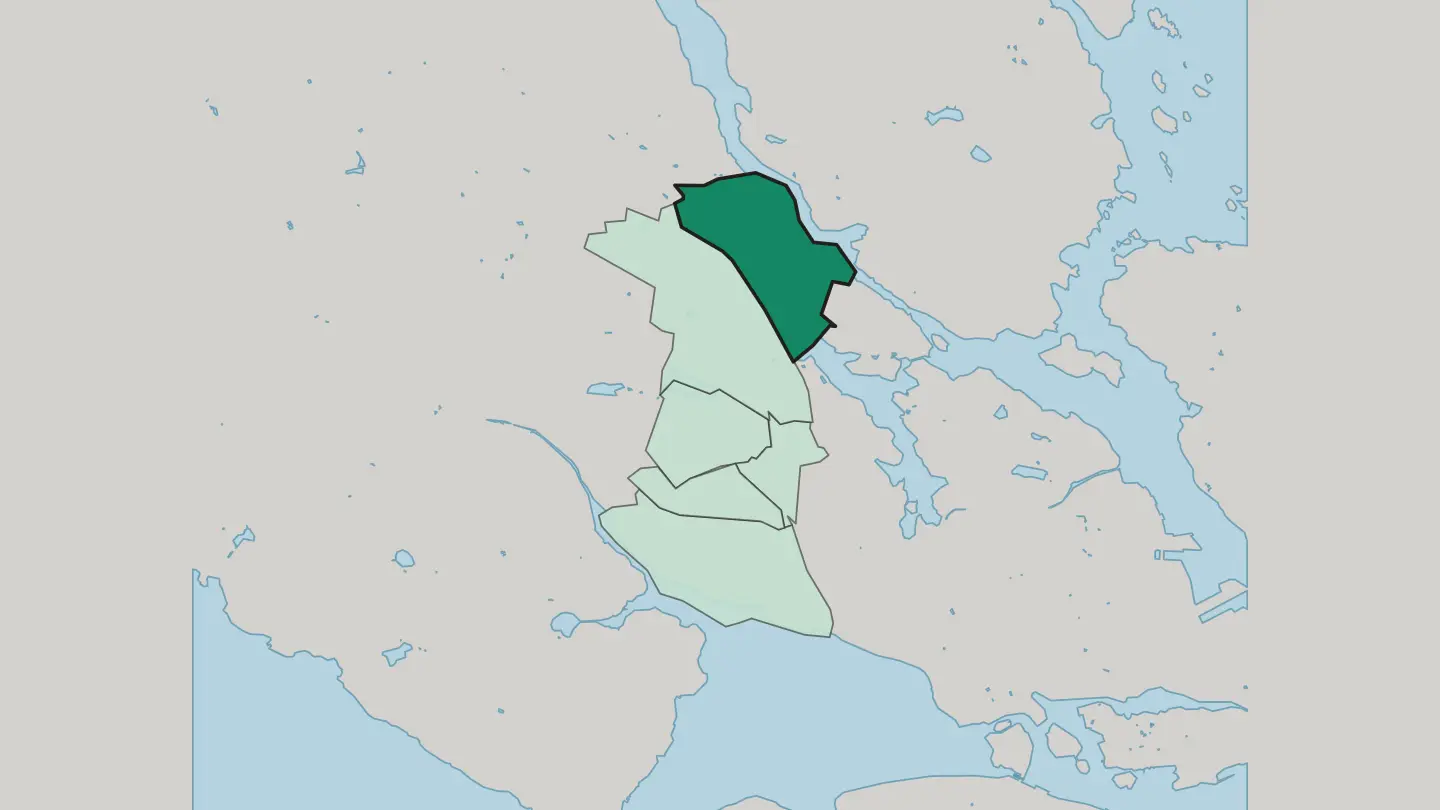
Hotel links are affiliate links: booking through them may earn us a commission, at no extra cost to you. It never affects how places are ranked. How this works
Find hotels in Solna
Direct booking searches for these neighbourhoods.
Solna Centrum
Shops and transport hub with metro and tram, everything a short ride away.Find hotels in Solna CentrumGreen, quiet morningsFrösunda
Wooded edge near Hagaparken and Brunnsviken, easy walks.Find hotels in FrösundaHotel links are affiliate links: booking through them may earn us a commission, at no extra cost to you. It never affects how places are ranked. How this works
Things to do in Solna
Ranked by global recognition; descriptions from Wikidata (CC0).
Museums & Galleries
4- Swedish Museum of Natural History Heritage
- Stockholm Observatory Heritage
- Carl Eldhs Ateljémuseum Heritage
- Constantia Heritage working life museum
Churches & Religious Sites
8- Gustaf Vasa Church Heritage
- Solna Church Heritage
- Saint Matthews Church Heritage
- Kristi Förklarings ortodoxa kyrka Heritage
- Saint Stephens Church Heritage
Show 3 more →
- Sankt Göran Church Heritage
- Hagalunds kyrka Heritage
- Råsunda Church Heritage
Castles & Historic Sites
2- Ulriksdal Palace Heritage royal palace
- Theater Confidencen theatre in the Park of Ulriksdal Palace
Stadiums & Sports
3- Vanadisbadet
- Fiskartorpet
- Bergshamra IP
worth knowingacross 4 categories in Solna
About Solna
What is Solna known for?
Solna is where the capital keeps its grandest park and some of its biggest crowds. The English-style grounds of Hagaparken sweep along the water of Brunnsviken, dotted with royal pavilions and a glass butterfly house, Fjärilshuset, while a short way off the national football arena fills on match days. The Karolinska medical campus gives the town a research weight out of proportion to its size.
It is small but consequential.
What are the main landmarks in Solna?
The round, whitewashed Solna kyrka is one of the oldest churches in the region, its core medieval and its walls once built to double as a refuge. Out in Hagaparken the royal pavilions stand among the trees, and Fjärilshuset shelters live butterflies and birds under glass through the Nordic winter. The Olle Olsson Hagalund-museet preserves a painter's view of a vanished wooden suburb.
Small wonders sit close together.
What is the history of Solna?
Solna grew up around its church. Solna kyrka, a round stone church on a rise above Brunnsviken, dates from the twelfth century and gave the surrounding parish the name it still carries. For generations the land between the bays was farmland and royal hunting ground on the northern road out of Stockholm.
In the late eighteenth century Gustav III reshaped the shore of Brunnsviken into Hagaparken, an English-style landscape garden whose copper tents and pavilion survive among the lawns. Haga Palace stands close by. Further north, on the calm water of Edsviken, sits the older Ulriksdals slott.
Modern Solna took shape around medicine and sport. Karolinska Institutet, the medical university whose assembly awards the Nobel Prize in Physiology or Medicine, built its main campus here beside the teaching hospital that carries the same name. Råsunda stadium once stood at the centre of Swedish football.
It hosted the 1958 World Cup final, then gave way to Friends Arena, the national stadium raised on the same ground. Solna was granted city status in 1948. Much of its shoreline lies within Kungliga nationalstadsparken, the protected royal park, so woods and bays open out only a short walk from the arena crowds and the laboratory benches.
Where is Solna?
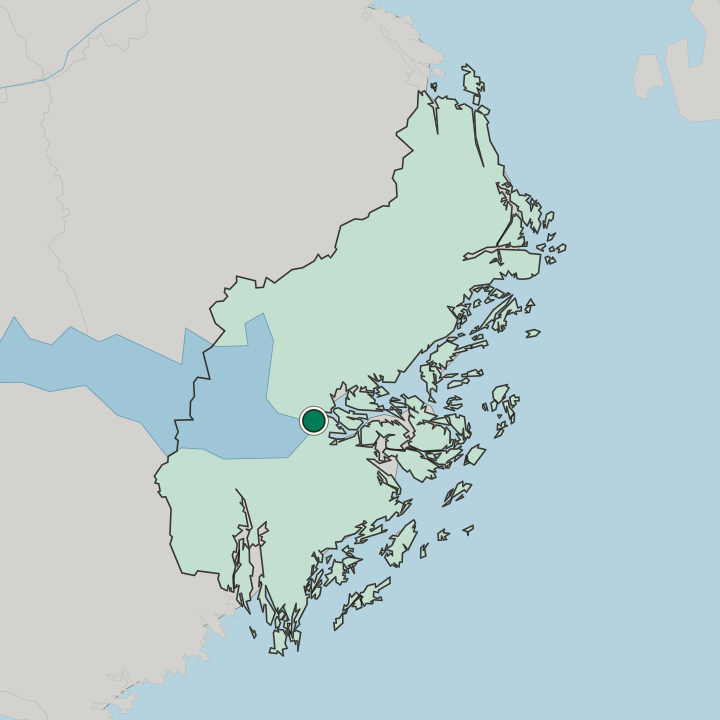
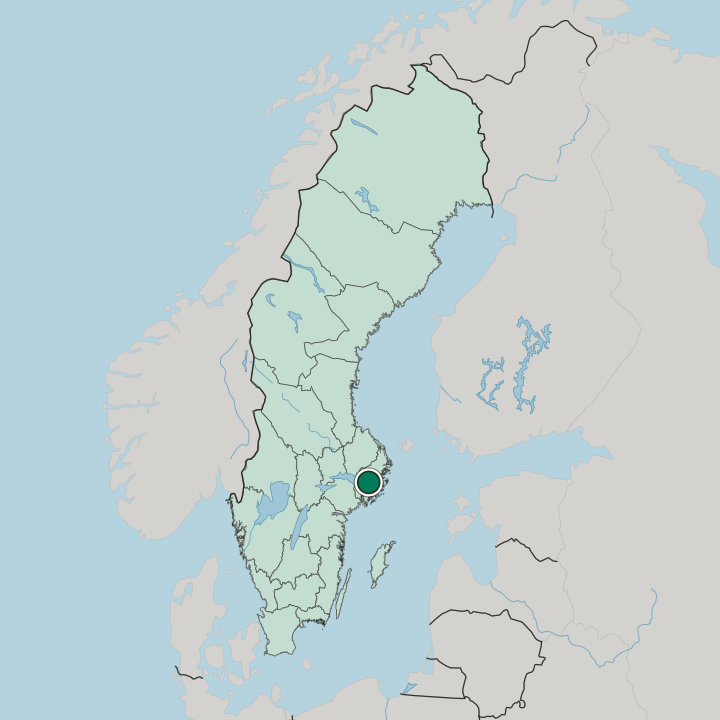
Solna sits in the central part of Stockholm County, on the south-eastern side of the country, immediately north of the capital and almost surrounded by it. Water frames much of the town, with the bay of Brunnsviken to the east and the lake-arm of Ulvsundasjön to the west, and low wooded ridges run between them. The little stream of Igelbäcken threads the northern fields.
The land is gentle and built-up. Greenery survives in patches.
What is the climate of Solna?
Solna shares the humid continental climate of the wider Stockholm area, its edges softened by all the surrounding water. Winters are cold and often grey, with snow that comes and goes and short, low afternoons, while summers turn mild and green, the long northern evenings keeping the parks busy late. Spring passes quickly in Solna.
Autumn settles in damp and quiet over the lakes.
How do you get to Solna?
Solna is woven tightly into the capital's transport. The Tunnelbana reaches Solna Centrum, commuter trains call at the town's stations, and the Tvärbanan light-rail line loops across to neighbouring suburbs. The E4 and E18 motorways run along its edges, carrying traffic north toward Arlanda and Uppsala.
Buses fill in the gaps between. It is an easy place to reach.
Common questions
What is the best area to stay in Solna?
Solna Centrum: Convenience. Råsunda: Lived-in residential calm. Hagastaden: Modern convenience. Frösunda: Green, quiet mornings.
Good for
More cities in Stockholm County
Updated October 2026