Sweden
Stockholm County, Sweden — Towns & Travel Guide
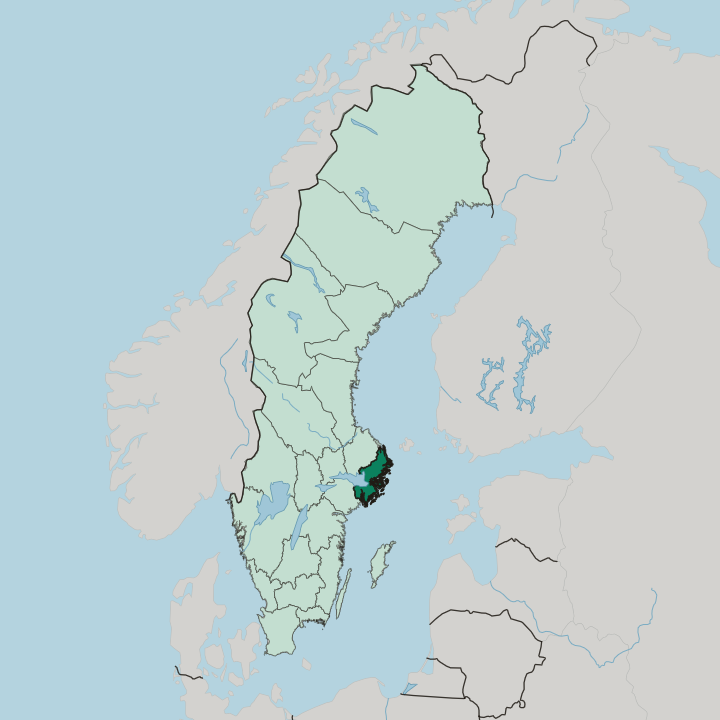
Stockholm County is the Baltic-coast län of Sweden, wrapped around the capital, where the mainland splinters into more than thirty thousand islands.
Hotel links are affiliate links: booking through them may earn us a commission, at no extra cost to you. It never affects how places are ranked. How this works


Towns & cities in Stockholm County
Pick a town or city — each links to where to stay.
 Sweden
Stockholm
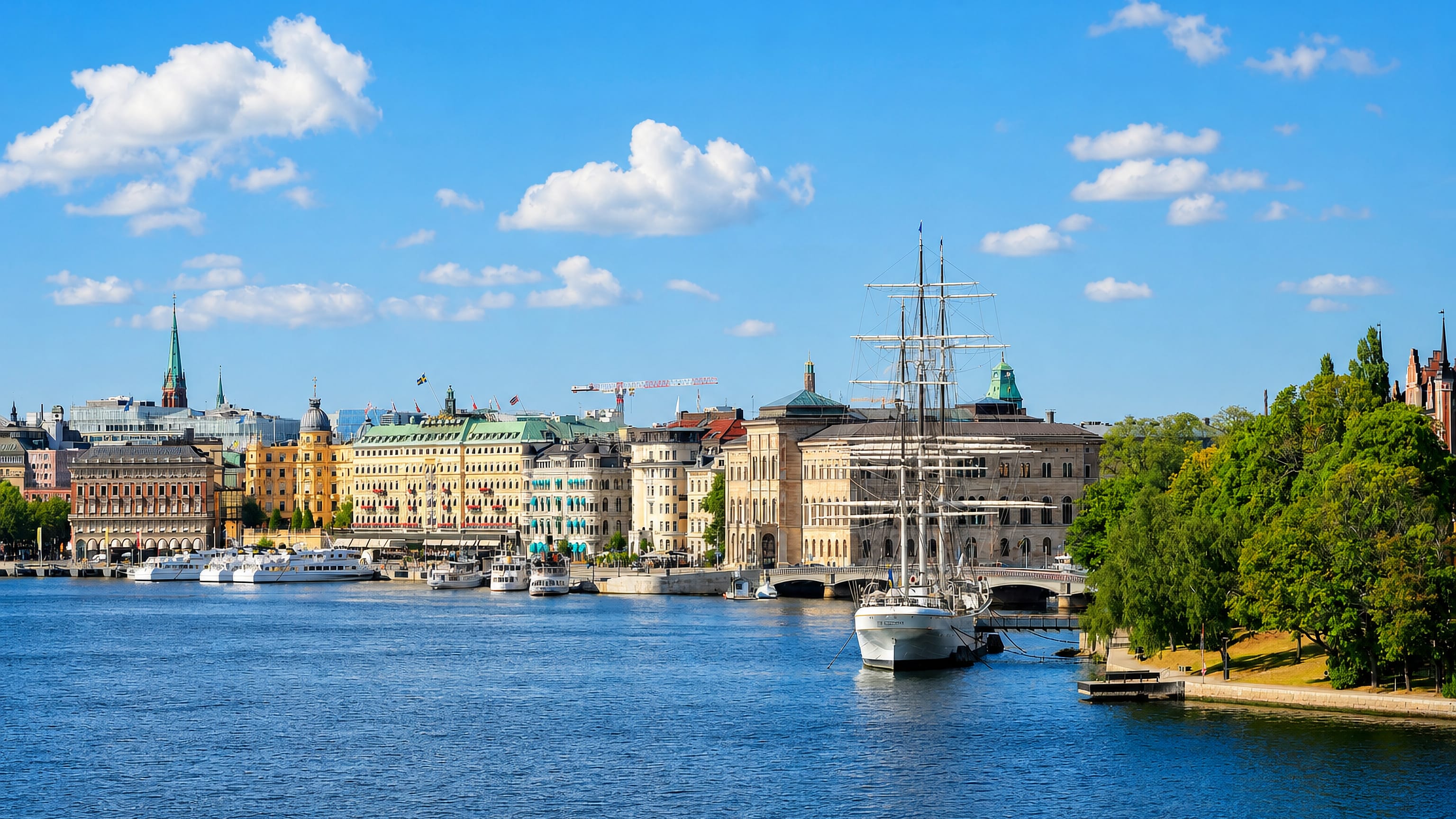
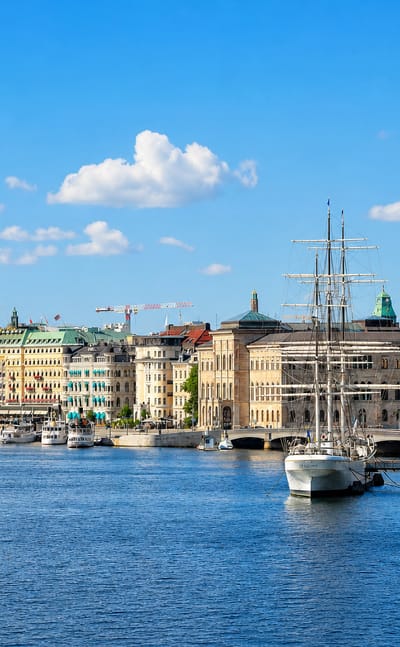
Stockholm is the capital of Sweden, a city built across fourteen islands where Lake Mälaren empties into the brackish Baltic Sea.Where to stay →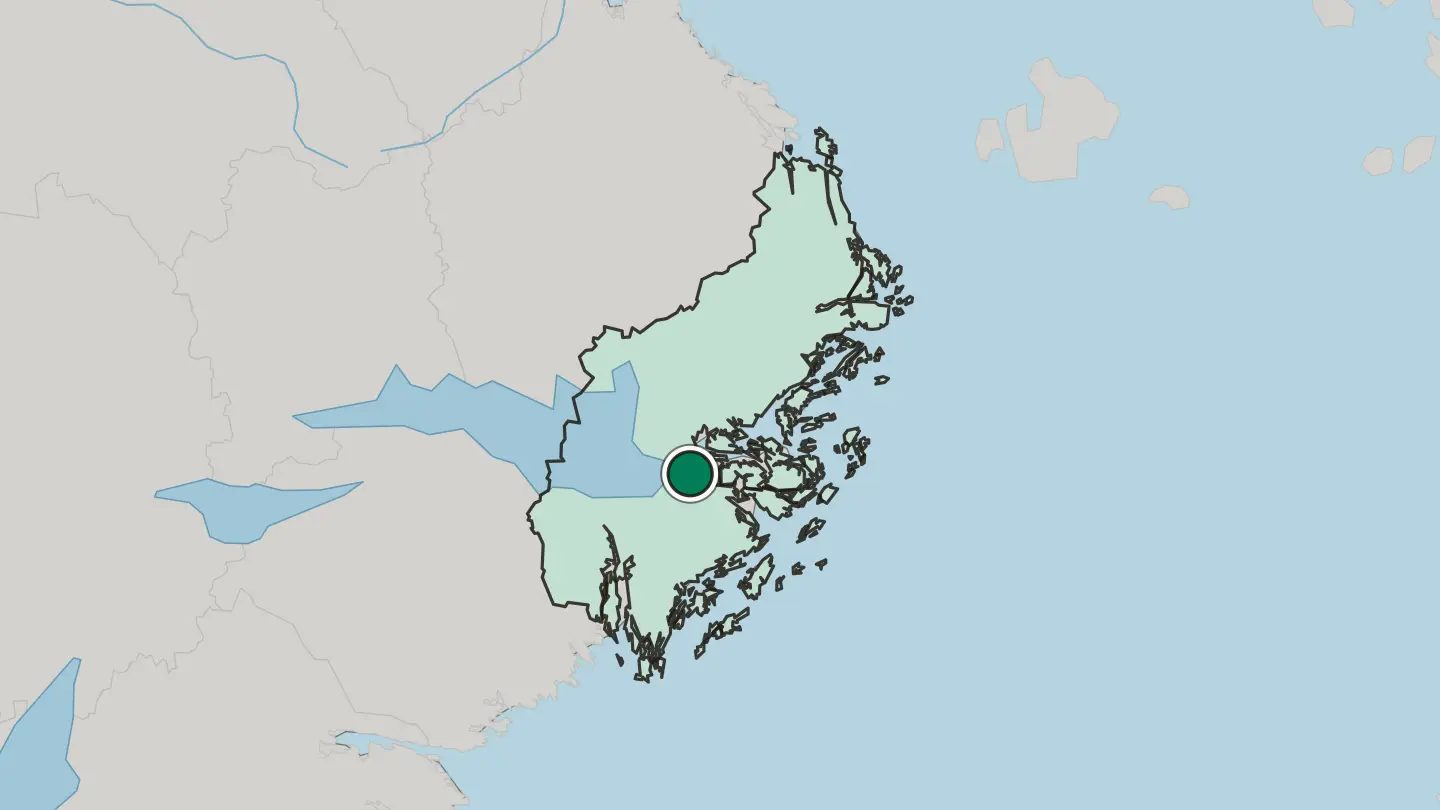
 Sweden
Sollentuna
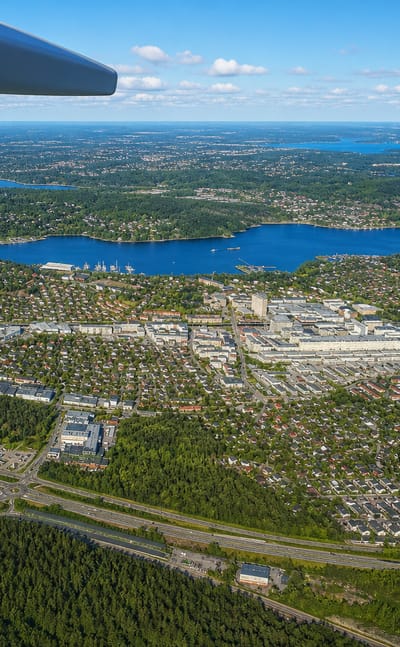
Sollentuna is a municipality in Stockholm County, set on lakes and the Edsviken inlet in the western reaches of the region.Where to stay →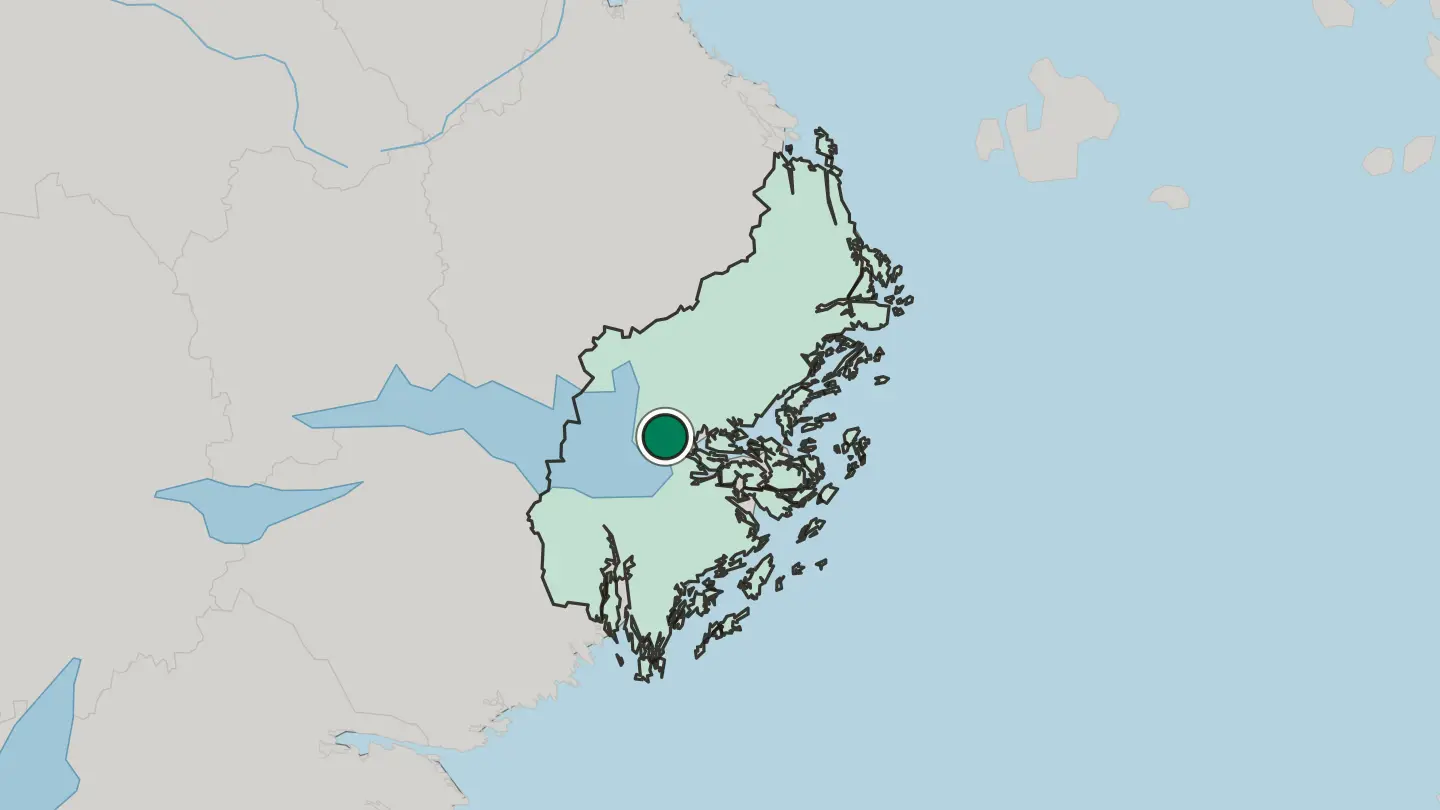
 Sweden
Huddinge
Huddinge is a municipality in Stockholm County on the Södertörn peninsula, a suburb of lakes and forest directly south of central Stockholm.Where to stay →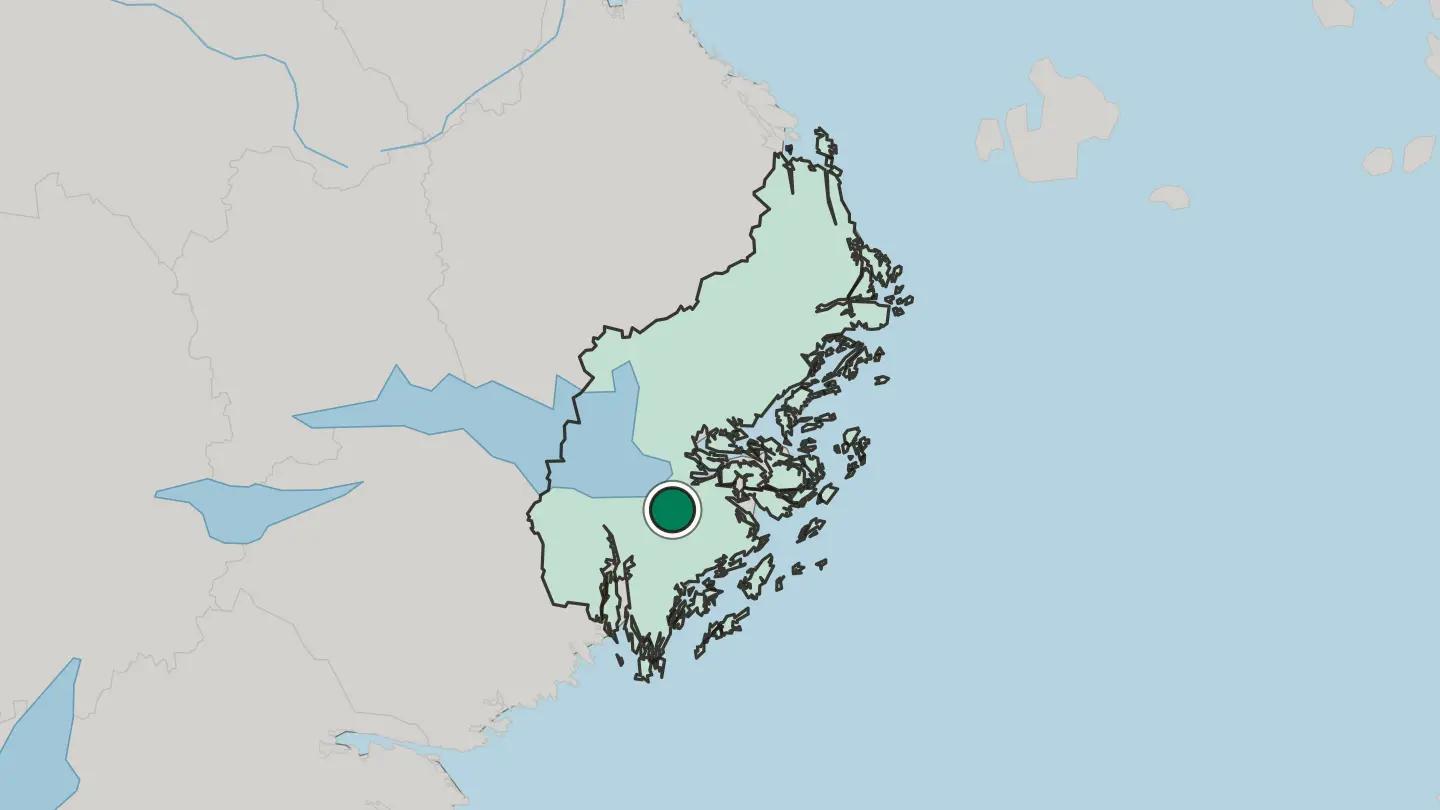
 Sweden
Haninge
Haninge is a municipality in Stockholm County on southern Södertörn, the mainland threshold to Stockholm's southern archipelago.Where to stay →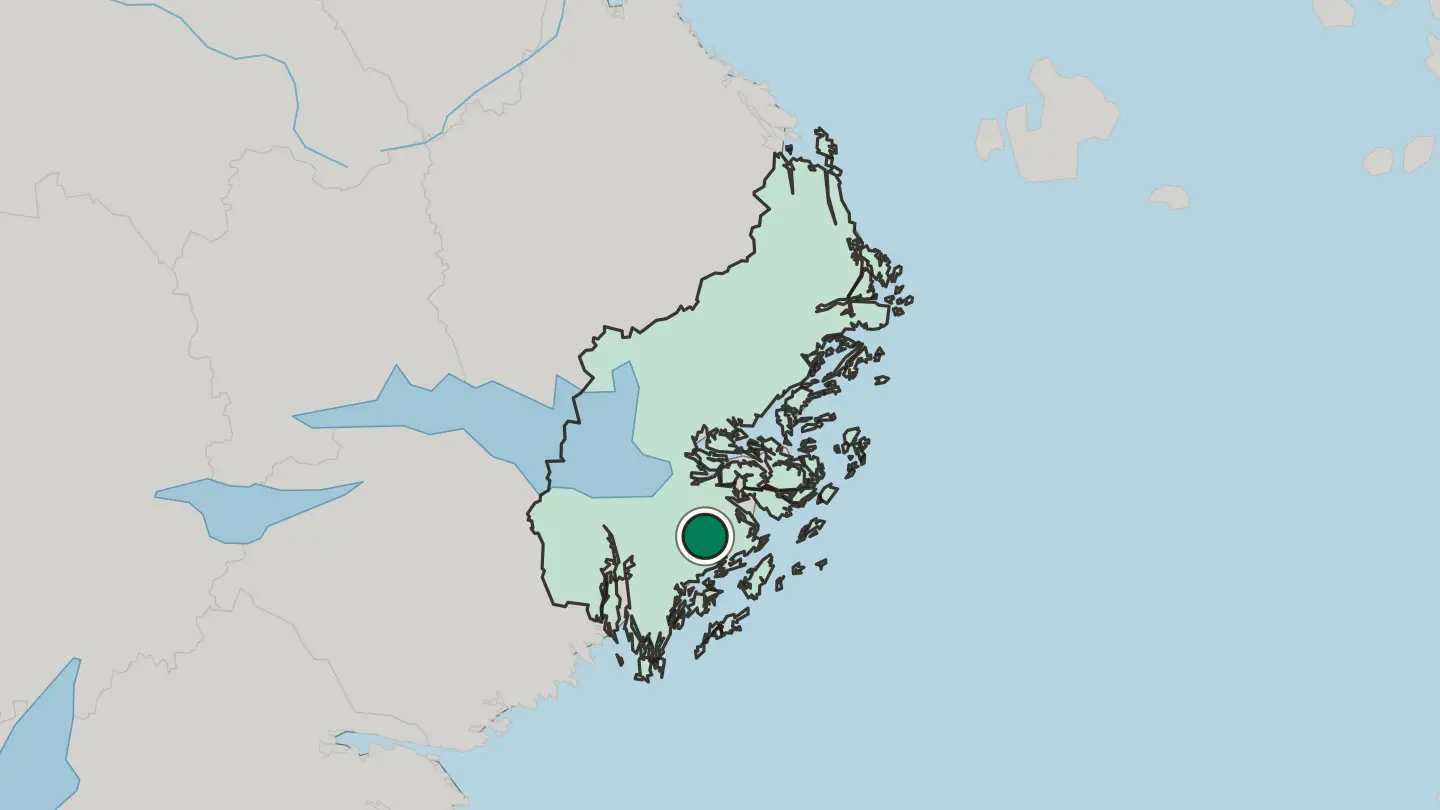
 Sweden
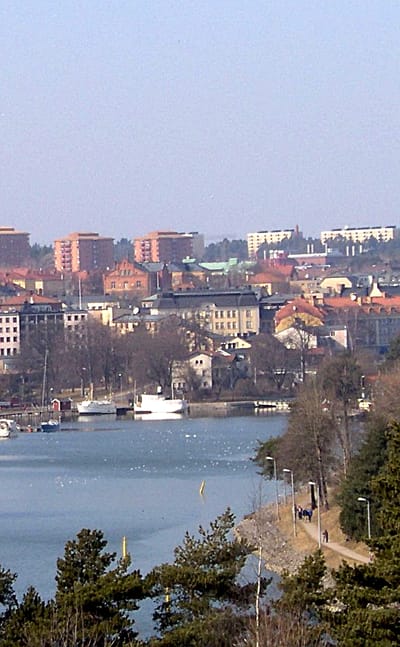
Södertälje
Södertälje is a municipality in Stockholm County where Mälaren drains into the Baltic through a canal lock, set in the county's south-western corner.Where to stay →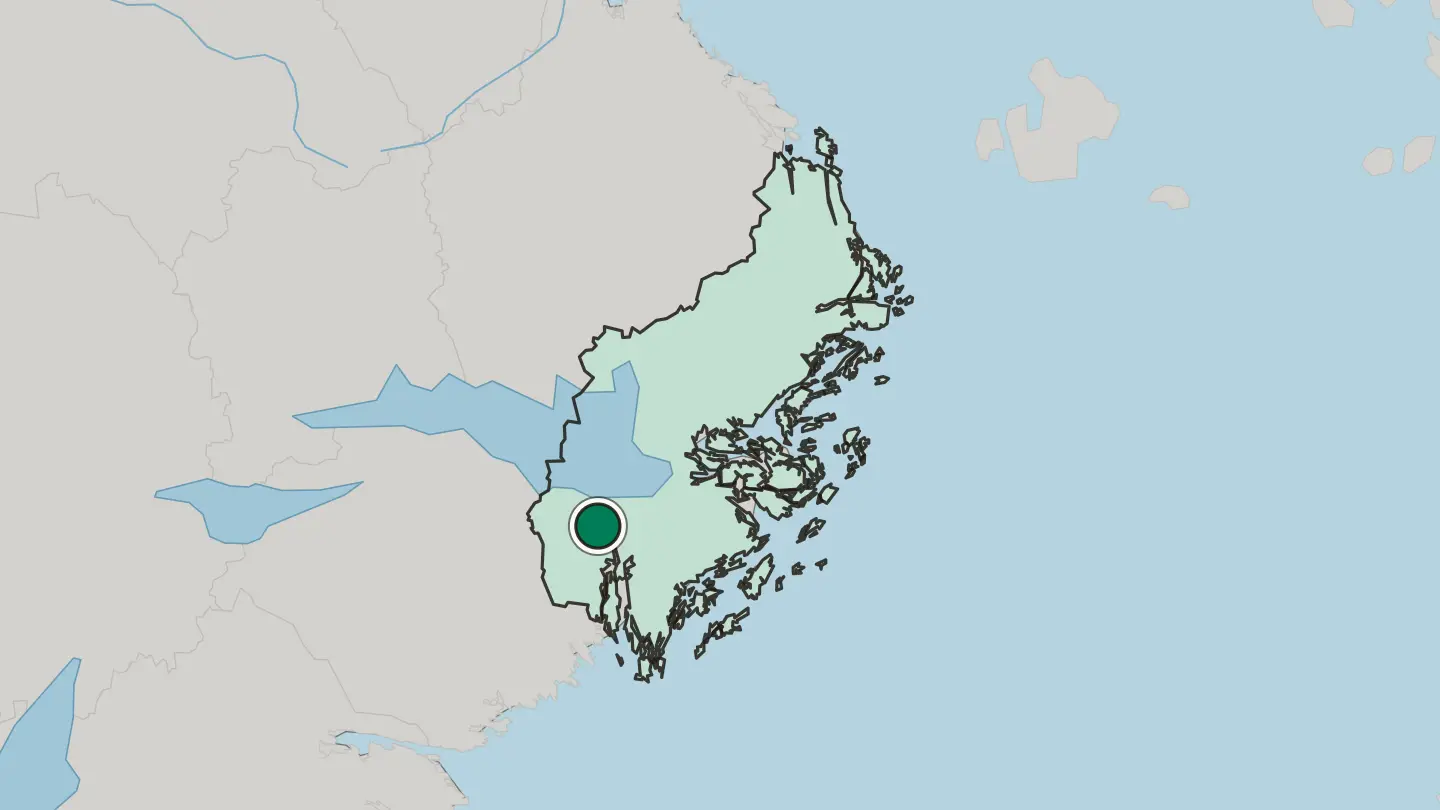
 Sweden
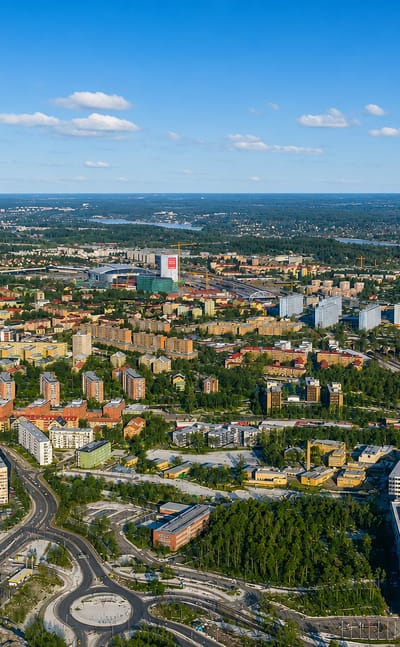
Solna
Solna is a municipality in Stockholm County, wrapped around the royal parkland of Hagaparken just north of the capital.Where to stay →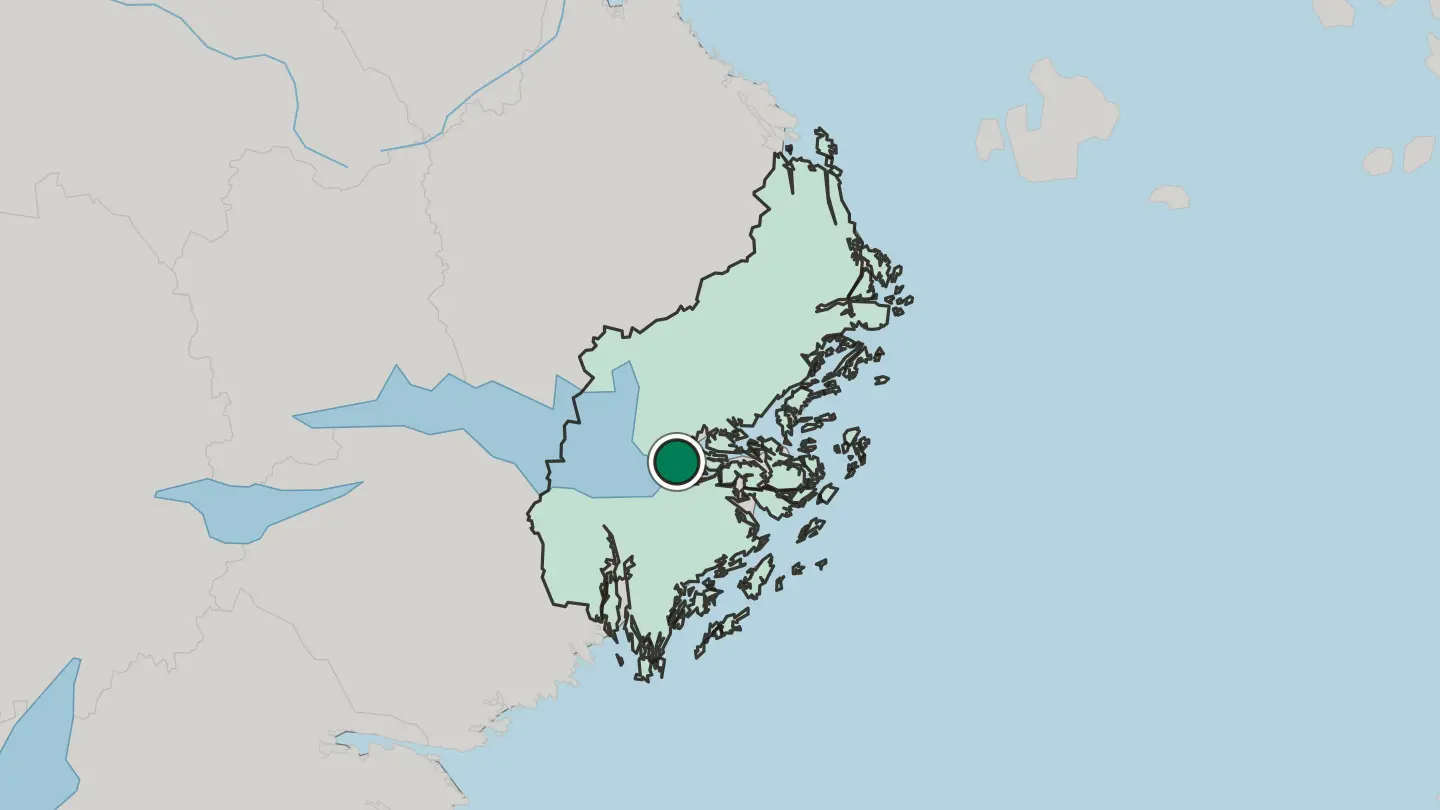
 Sweden
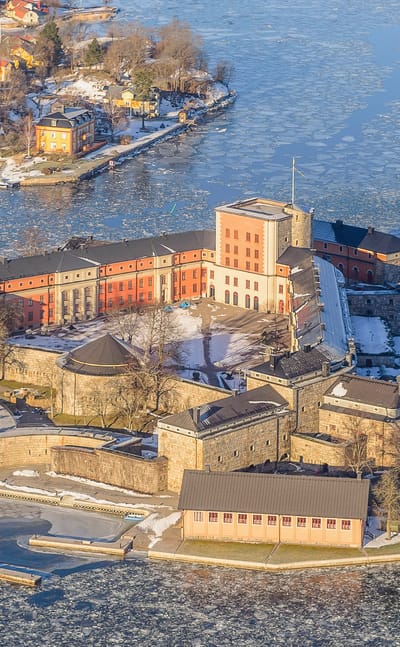
Täby
Täby is a municipality in Stockholm County on the north-eastern side of the capital, chartered in its present form in the 20th century.Where to stay →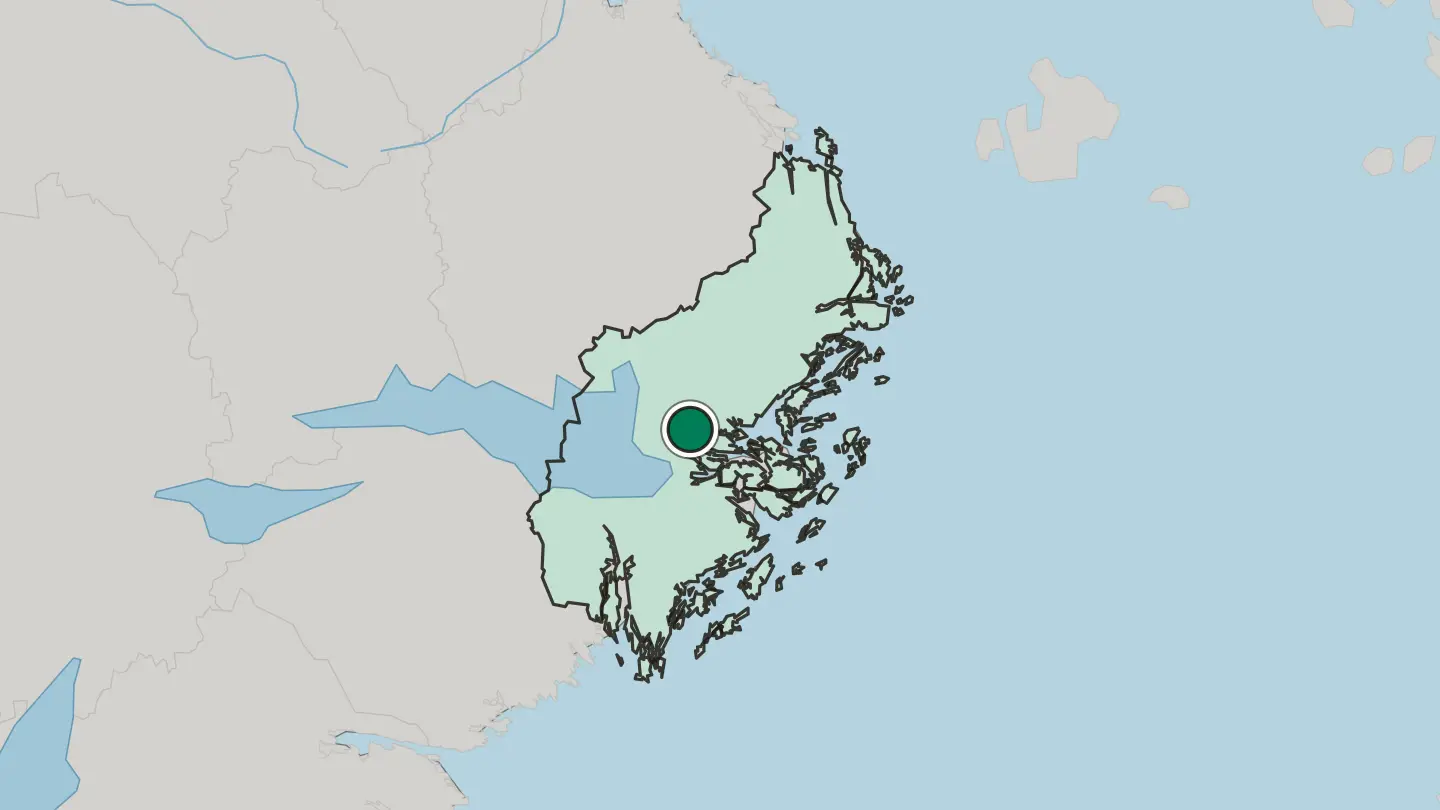
 Sweden
Lidingö
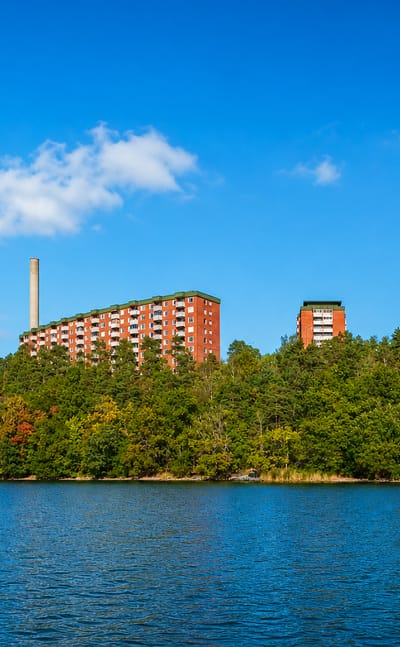
Lidingö is an island municipality in Stockholm County, a wooded residential island just east of central Stockholm across a single bridge.Where to stay →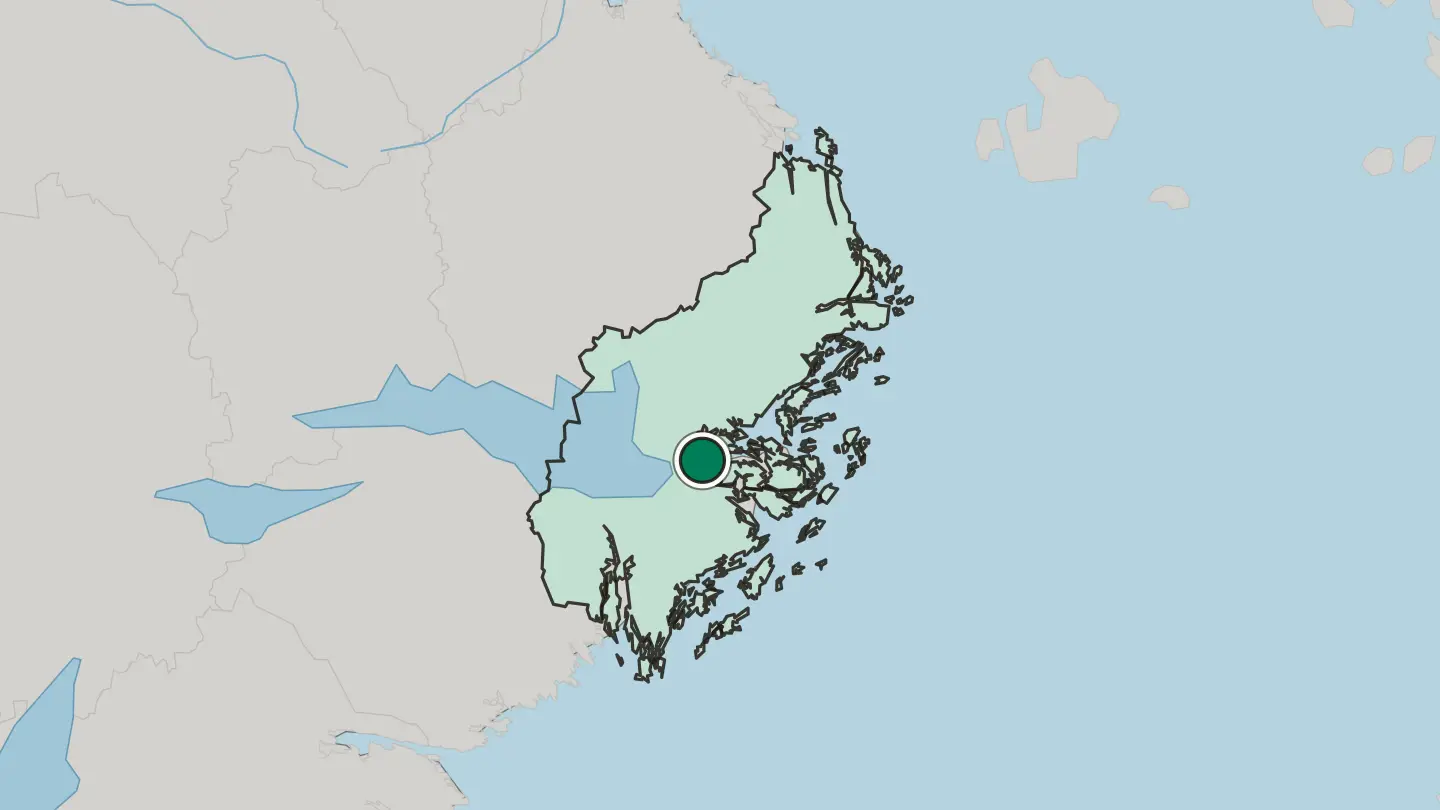
All towns & cities (28)
Sweden
Tumba
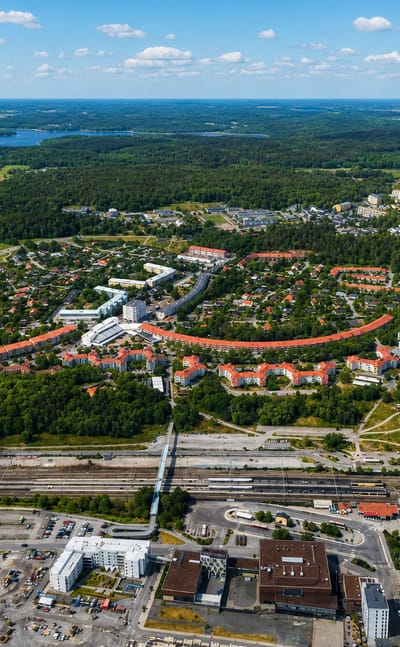
Tumba is a town in Stockholm County, in the south-western part of the region, known for the old mill that once made Sweden's banknote paper.Where to stay →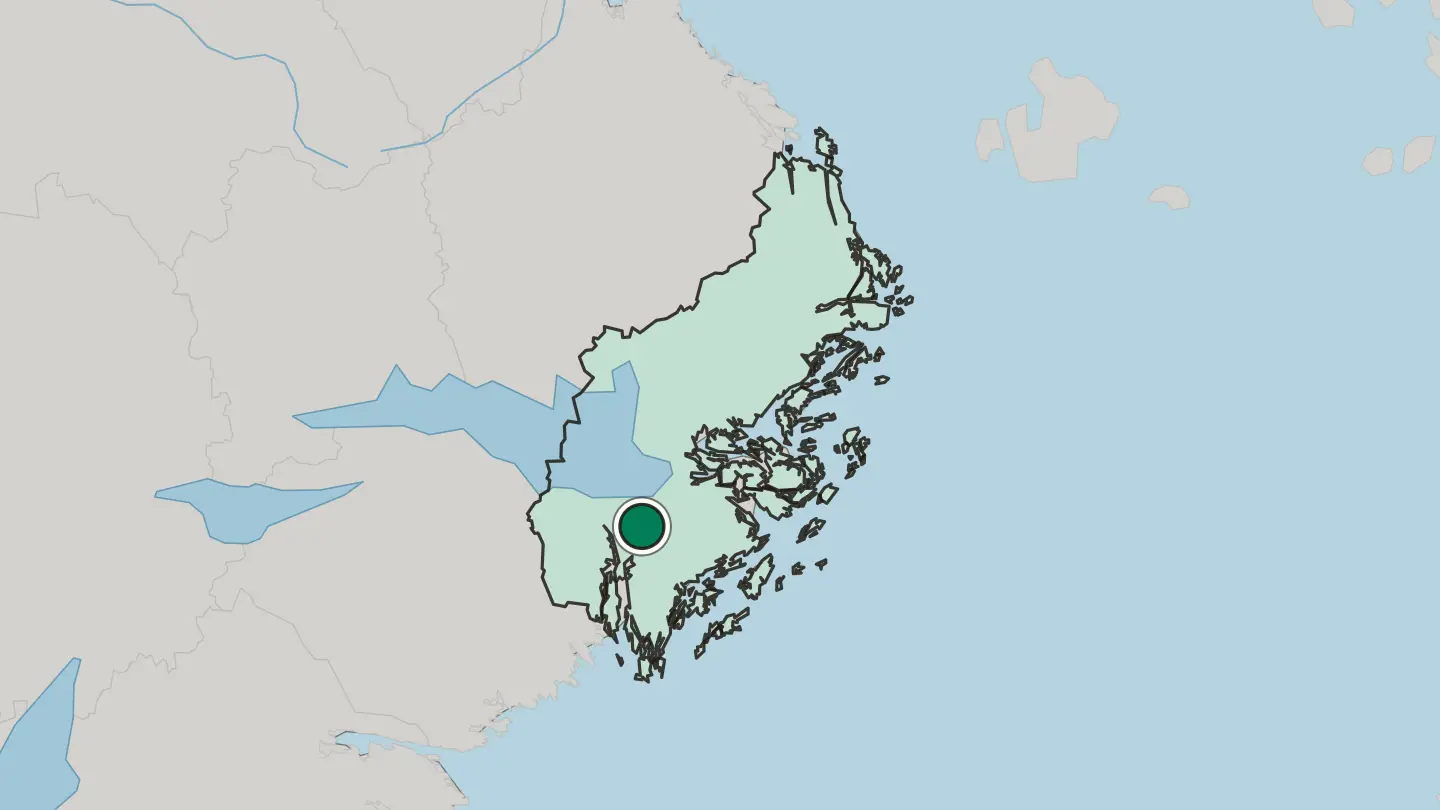
 Sweden
Upplands Väsby
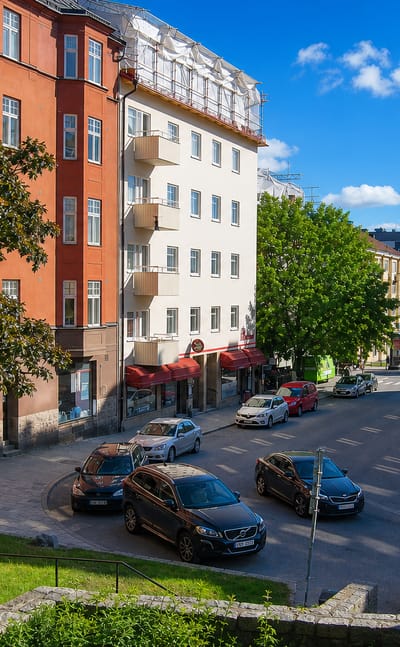
Upplands Väsby is a municipality in Stockholm County, a railway town in the northern part of the region, close to Arlanda Airport.Where to stay →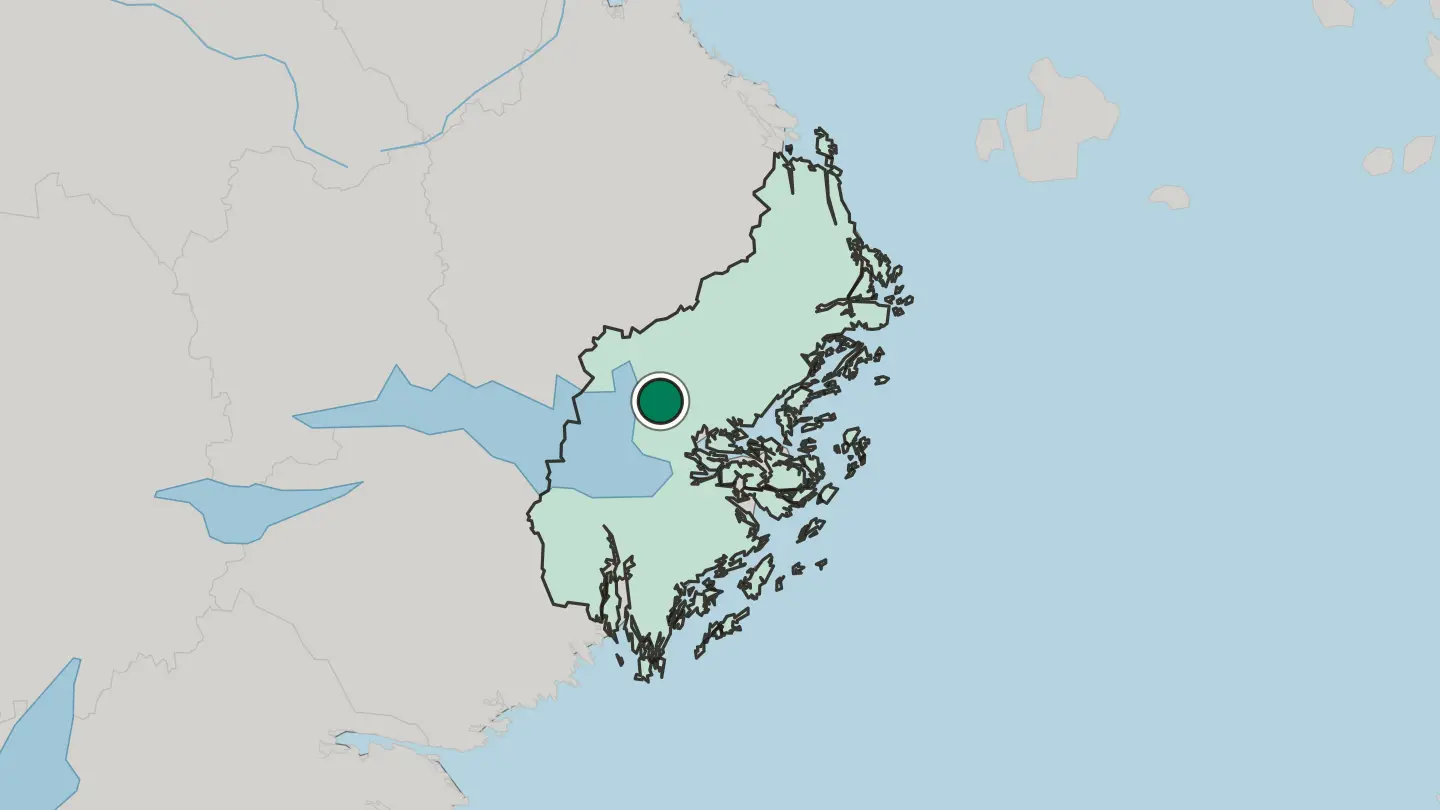
 Sweden
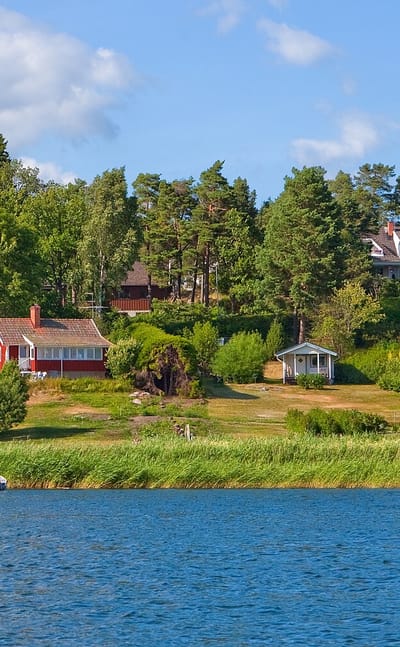
Sundbyberg
Sundbyberg is a municipality in Stockholm County, a compact, fully built-up town pressed against the north-western edge of the capital.Where to stay →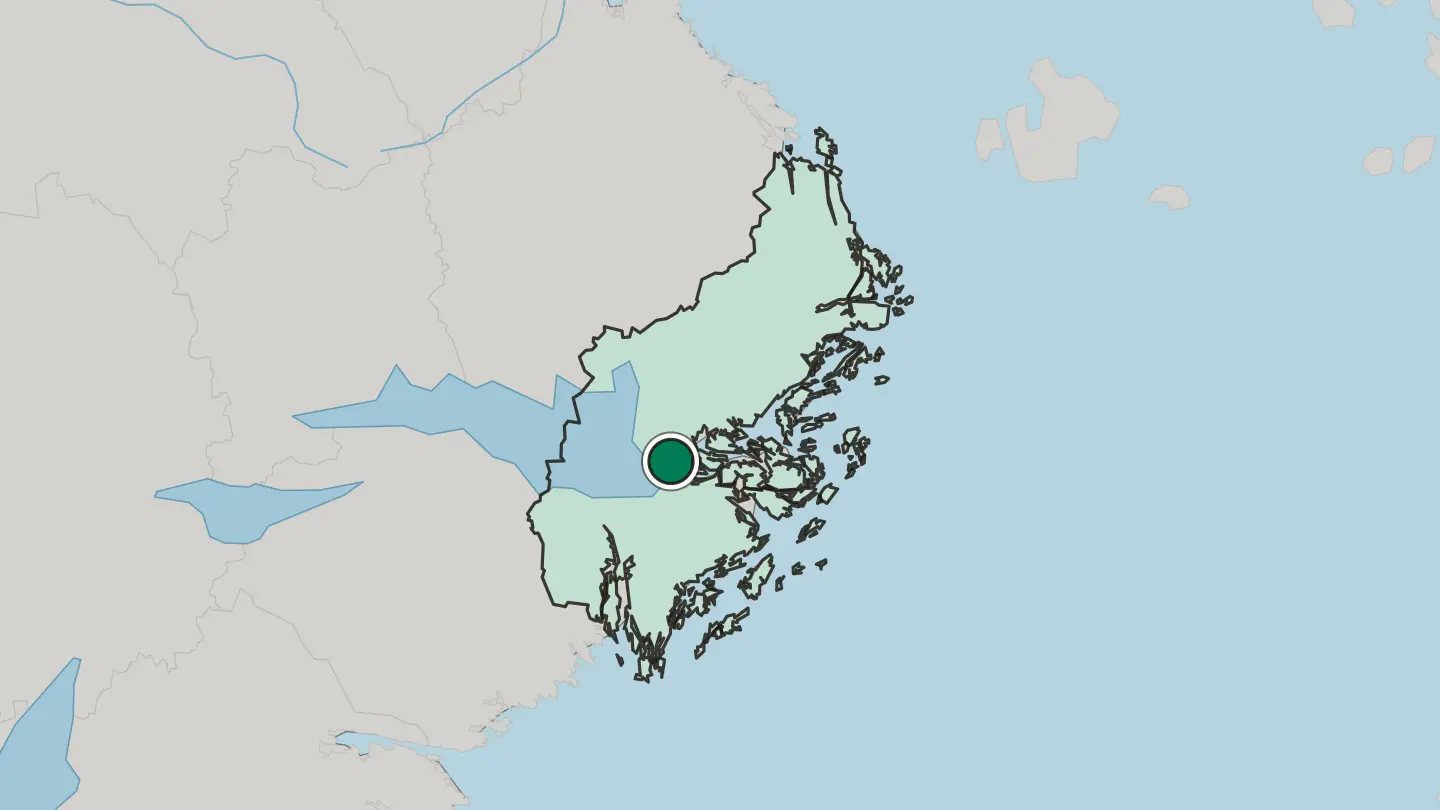
 Sweden
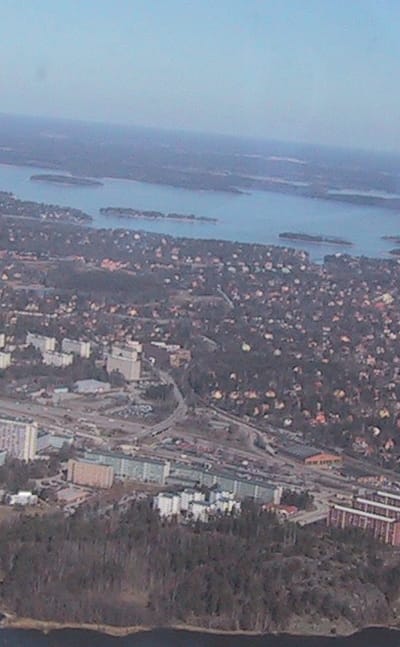
Åkersberga
Åkersberga is a town in Stockholm County and the seat of Österåker Municipality, set along the Åkers kanal in southern Roslagen.Where to stay →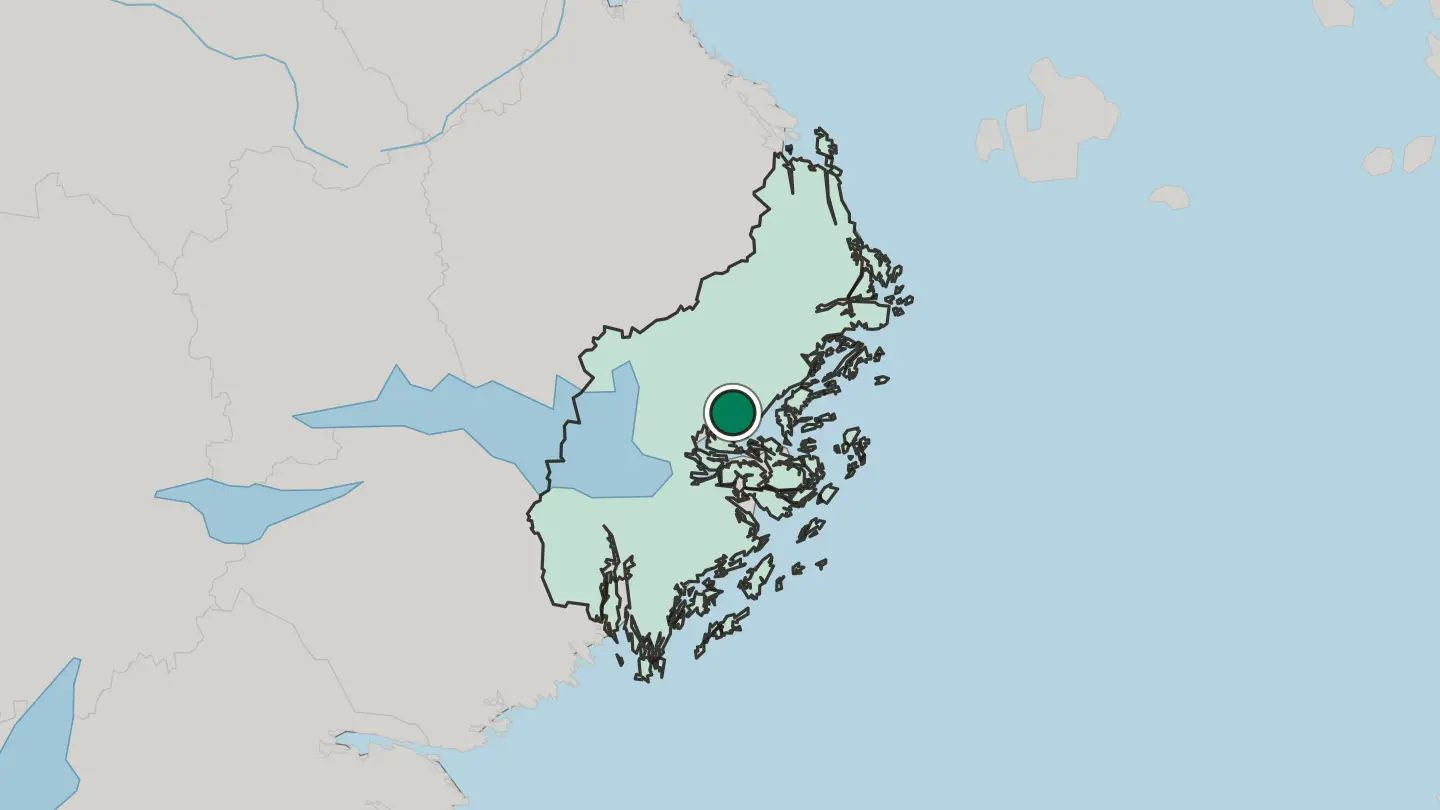
 Sweden
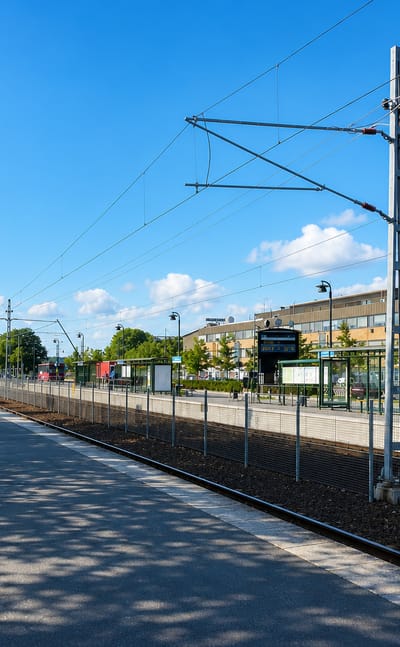
Danderyd
Danderyd is a small, affluent municipality in Stockholm County, a villa suburb on the inlets just north of central Stockholm.Where to stay →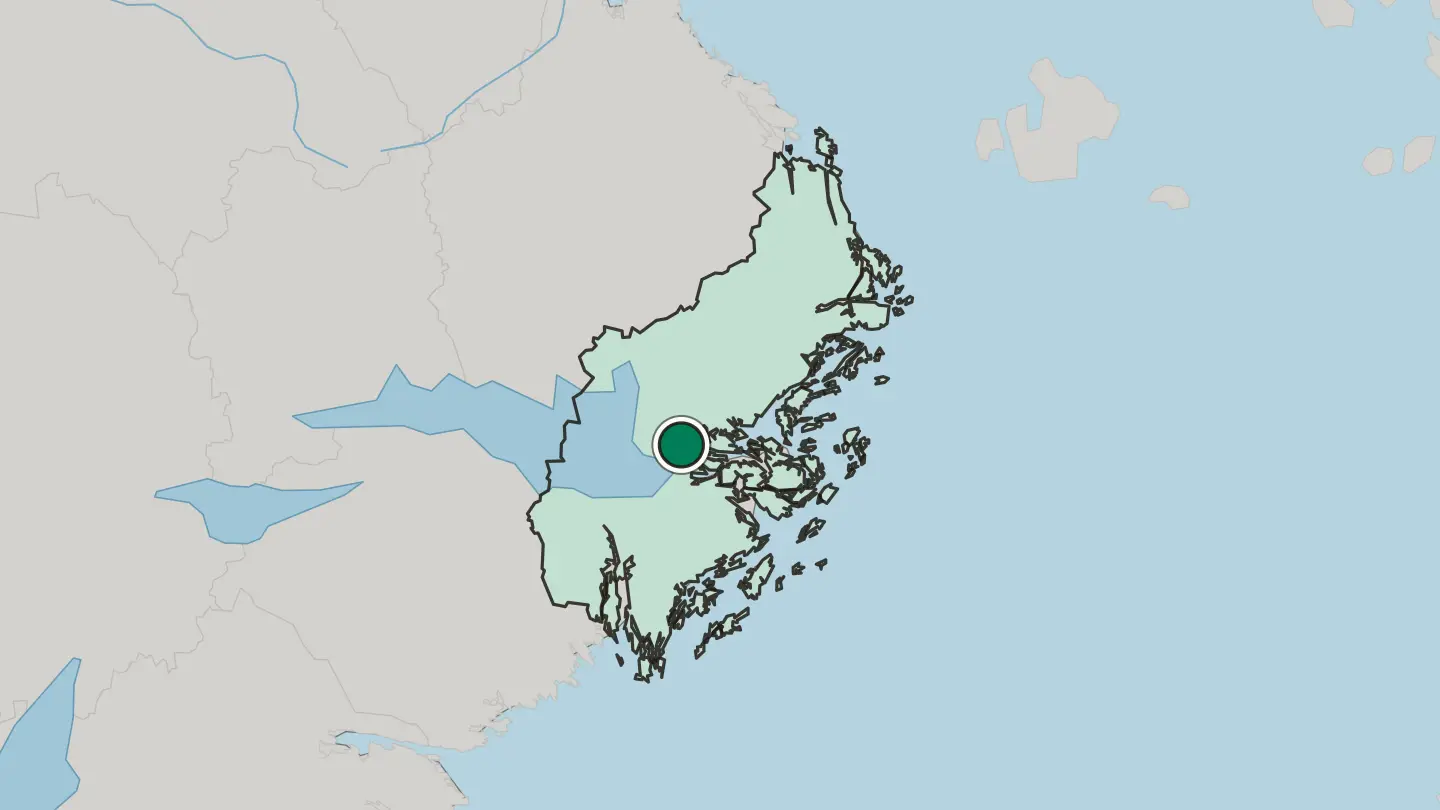
 Sweden
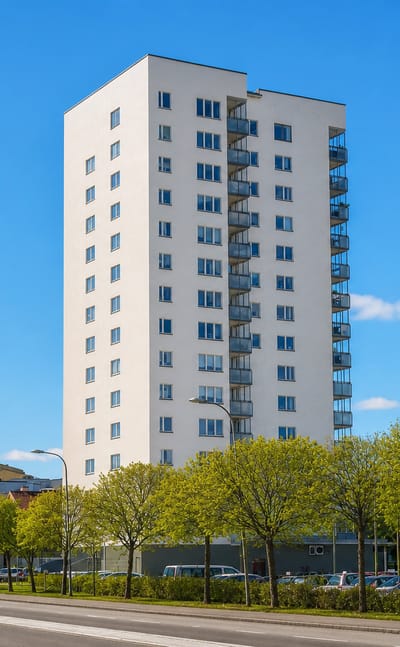
Vallentuna
Vallentuna is a municipality in Stockholm County, set among lakes and old farmland in the northern part of the region.Where to stay →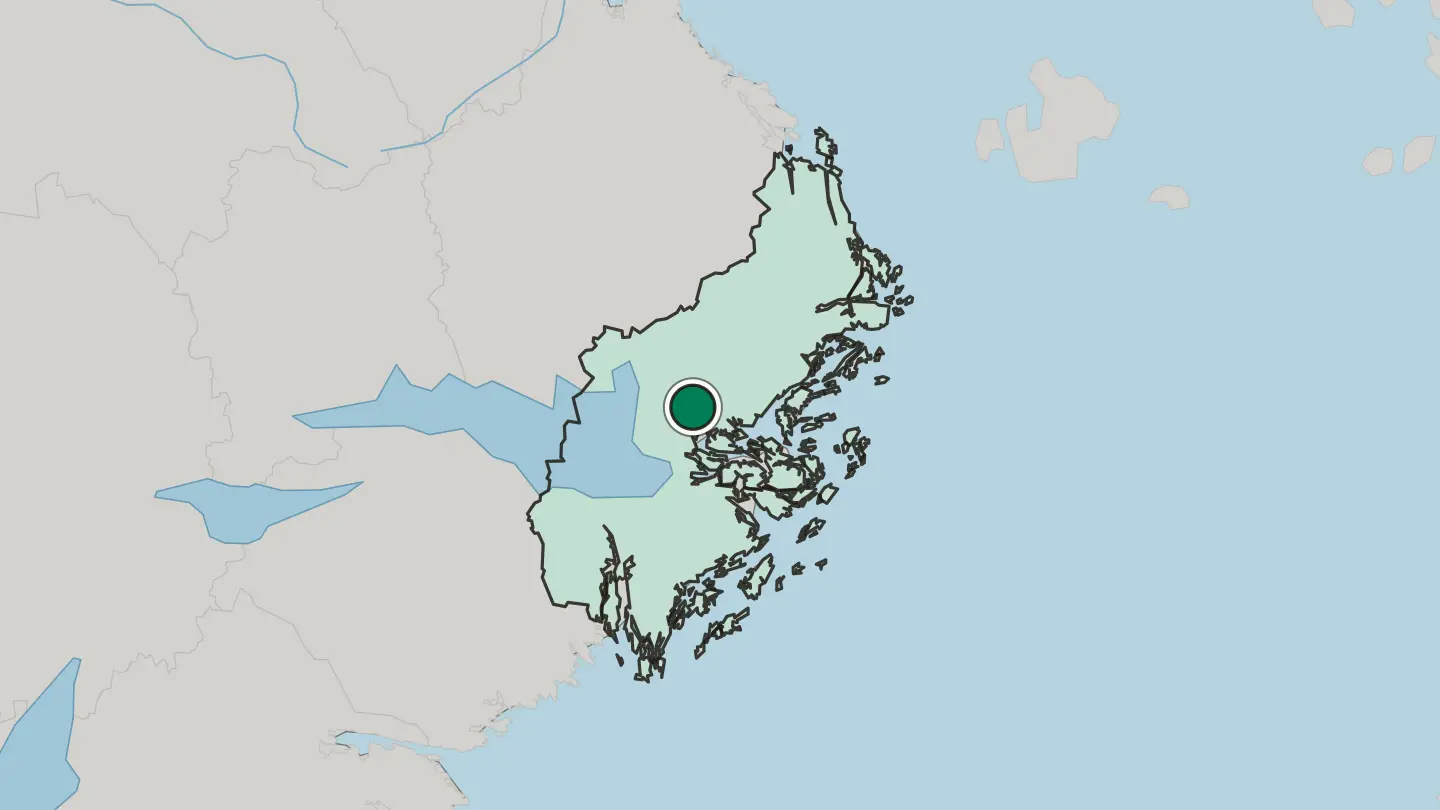
 Sweden
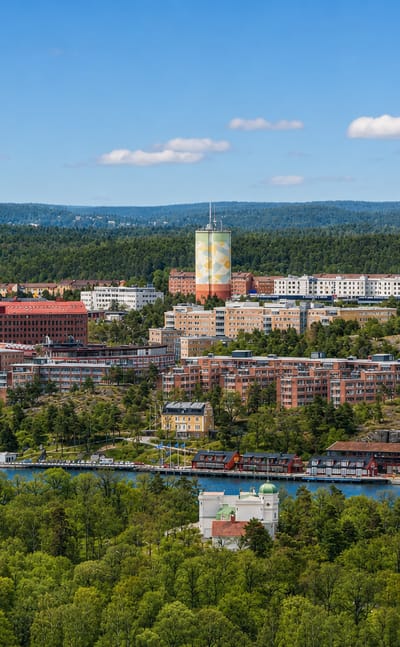
Märsta
Märsta is a commuter town in Stockholm County, the largest in Sigtuna Municipality, spread across the plains between the capital and Uppsala.Where to stay →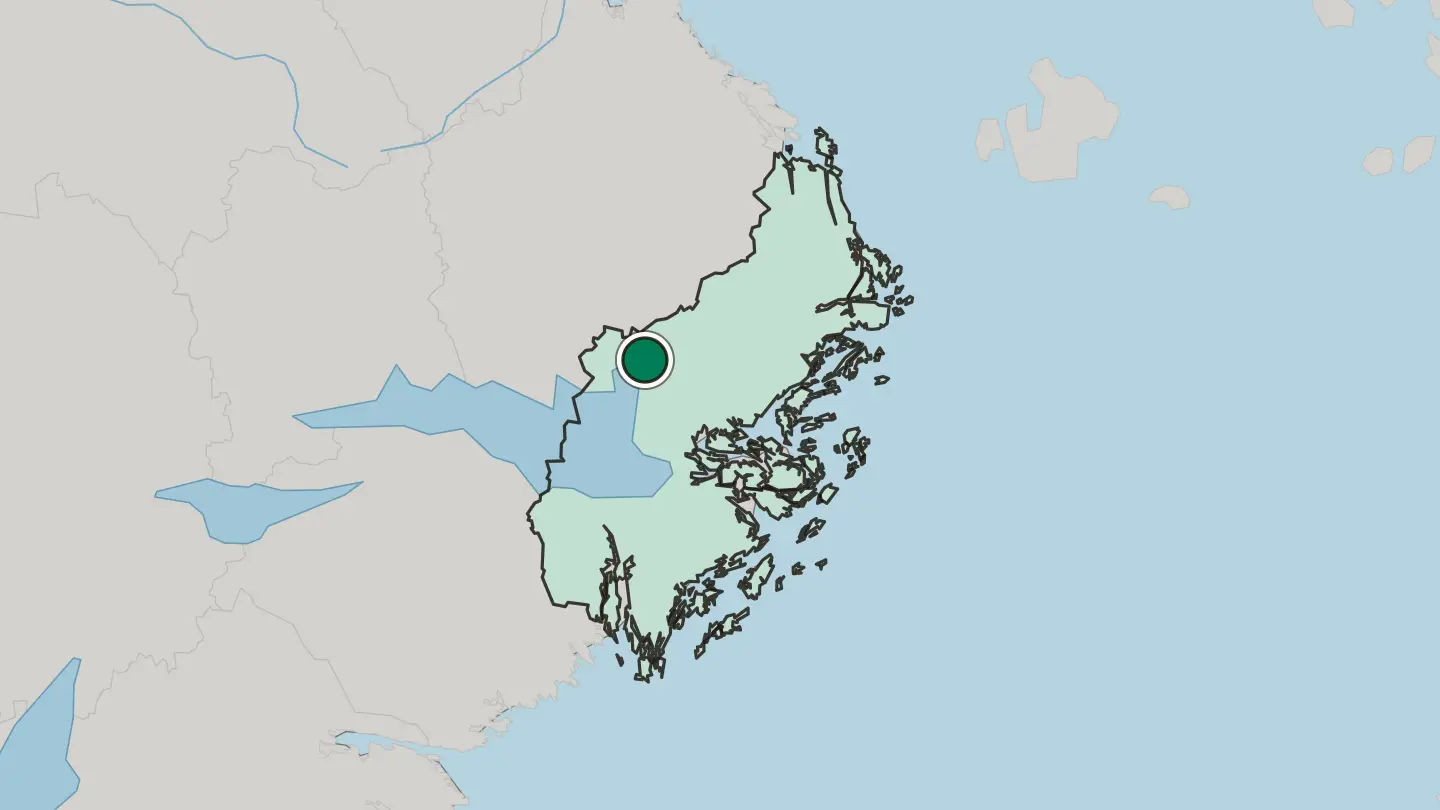
 Sweden
Nacka
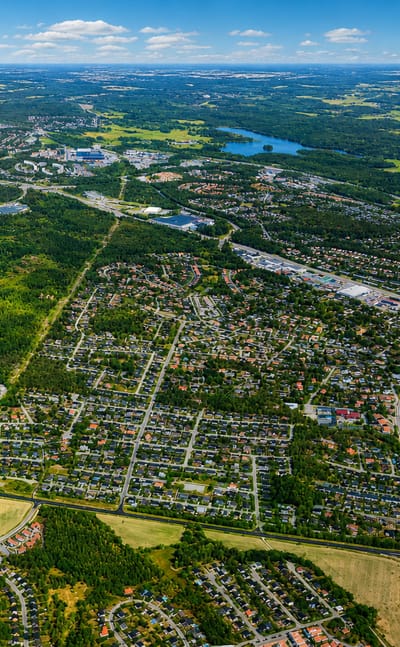
Nacka is a town in the eastern part of Stockholm County, on the Baltic coast of eastern Sweden, and the seat of Nacka Municipality.Where to stay →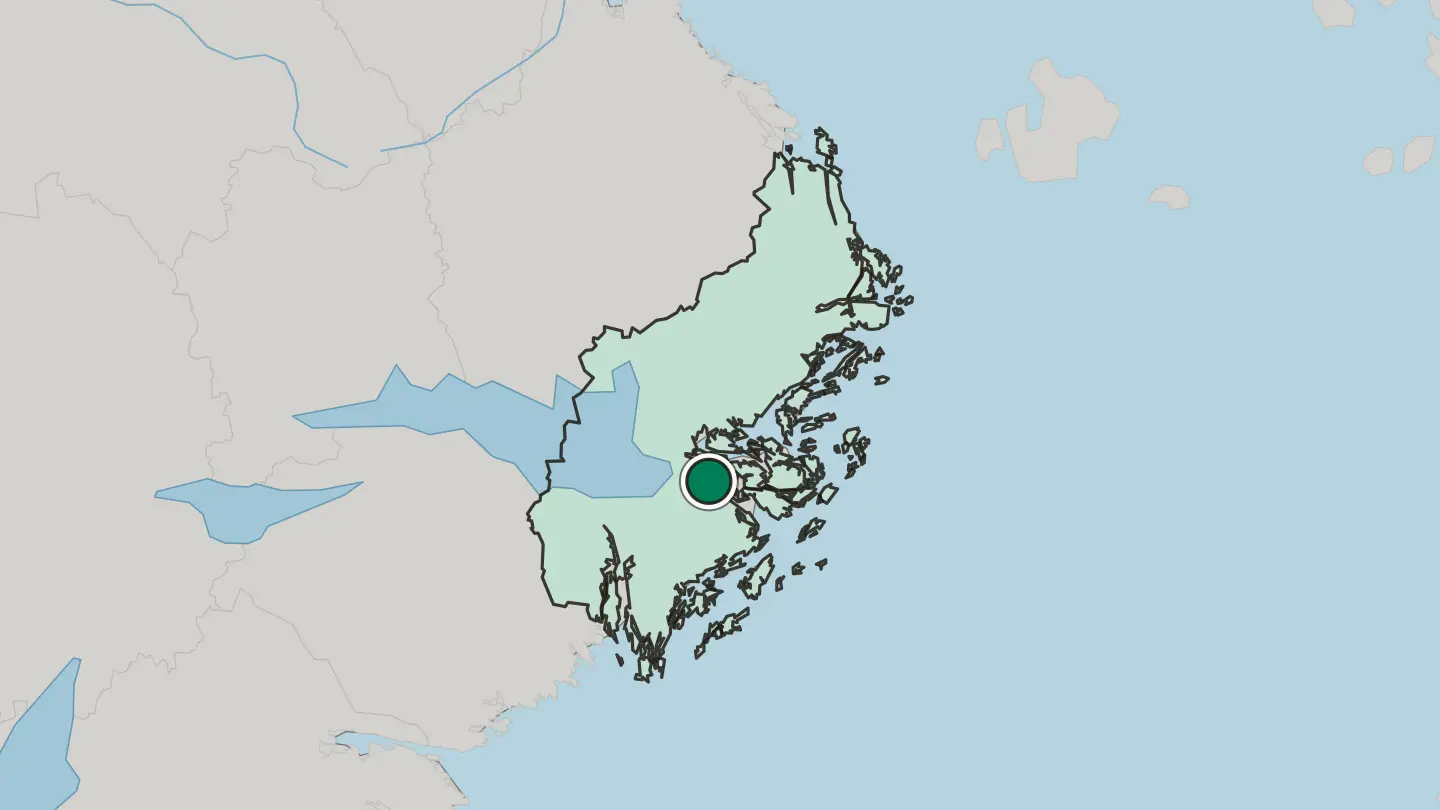
 Sweden
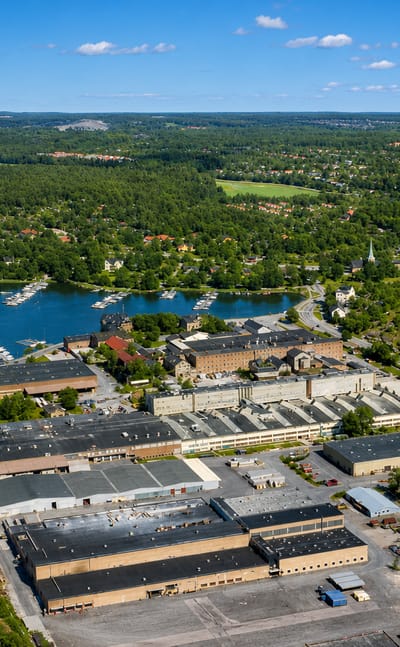
Jakobsberg
Jakobsberg is a town in the western part of Stockholm County, in eastern Sweden, and the administrative seat of Järfälla Municipality.Where to stay →
 Sweden
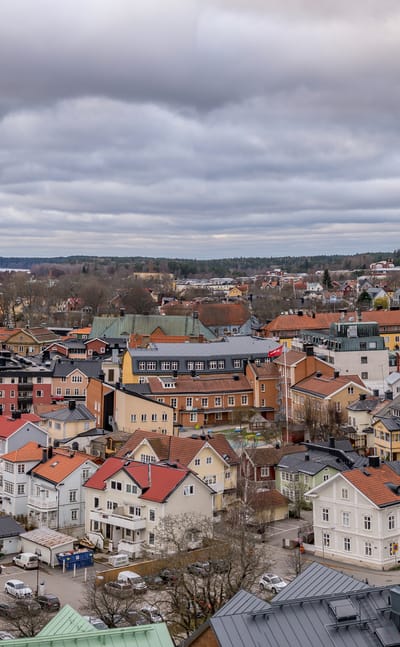
Gustavsberg
Gustavsberg is a town in the eastern part of Stockholm County, in eastern Sweden, an old porcelain works on the archipelago in Värmdö.Where to stay →
 Sweden
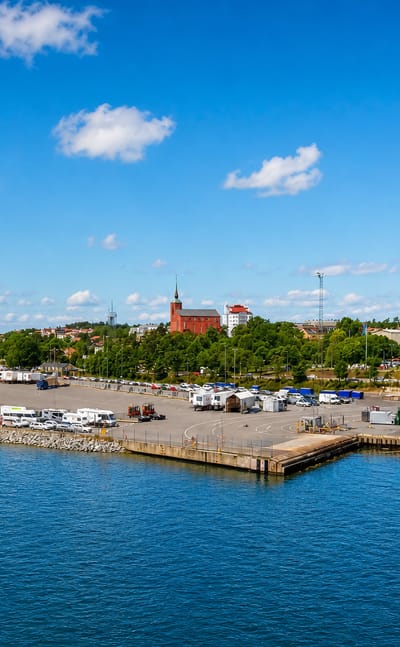
Norrtälje
Norrtälje is a coastal town in the north-eastern part of Stockholm County, on the Baltic shore of eastern Sweden, and the seat of Norrtälje Municipality.Where to stay →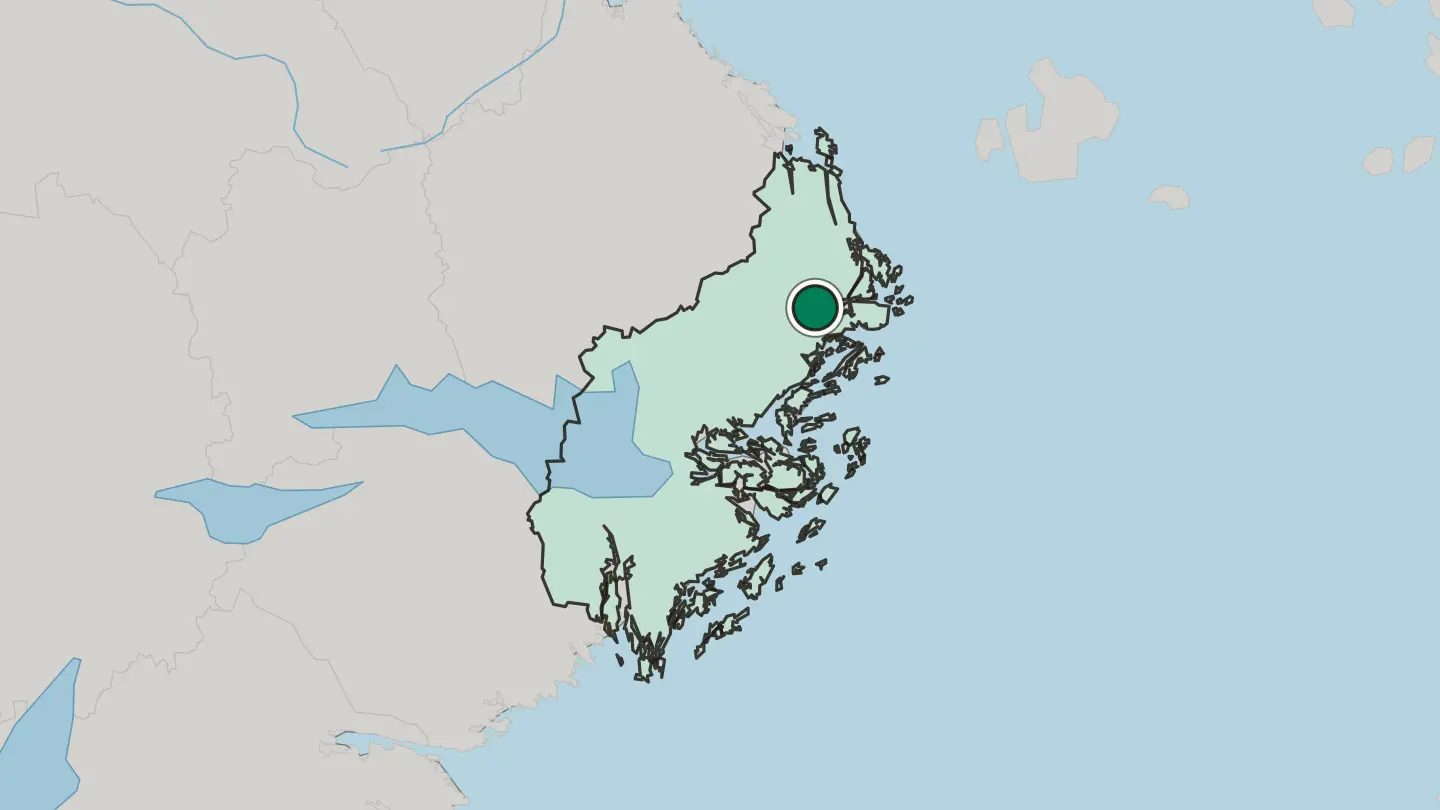
 Sweden
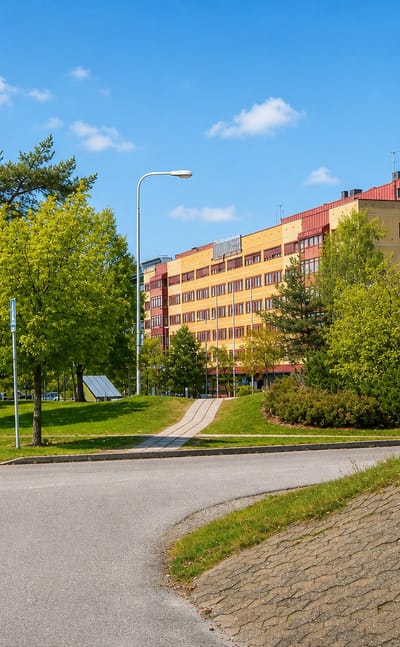
Nynäshamn
Nynäshamn is a port town on the Baltic coast of eastern Sweden, the seat of its municipality in the southern part of Stockholm County.Where to stay →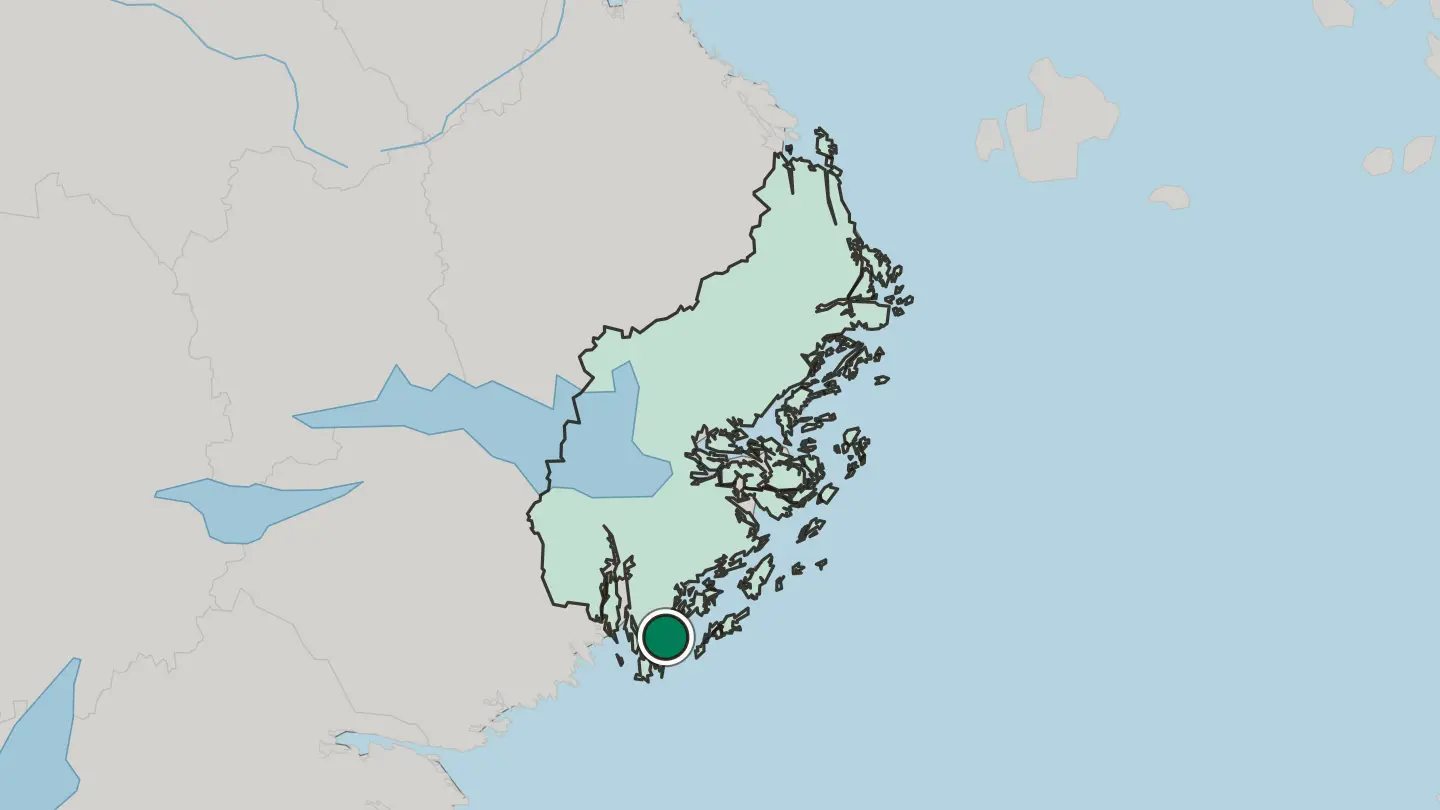
 Sweden
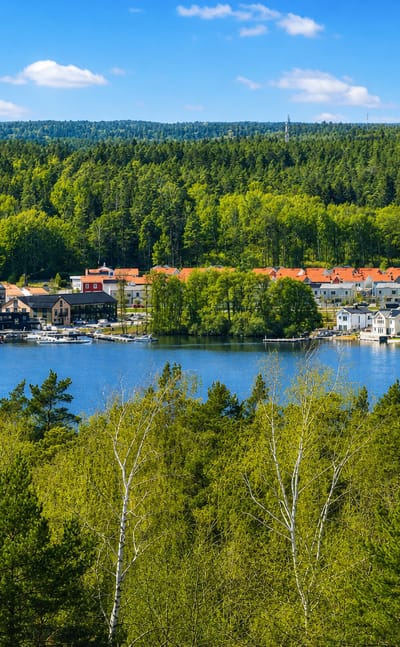
Handen
Handen is a town in the southern part of Stockholm County, in eastern Sweden, and the administrative seat of Haninge Municipality.Where to stay →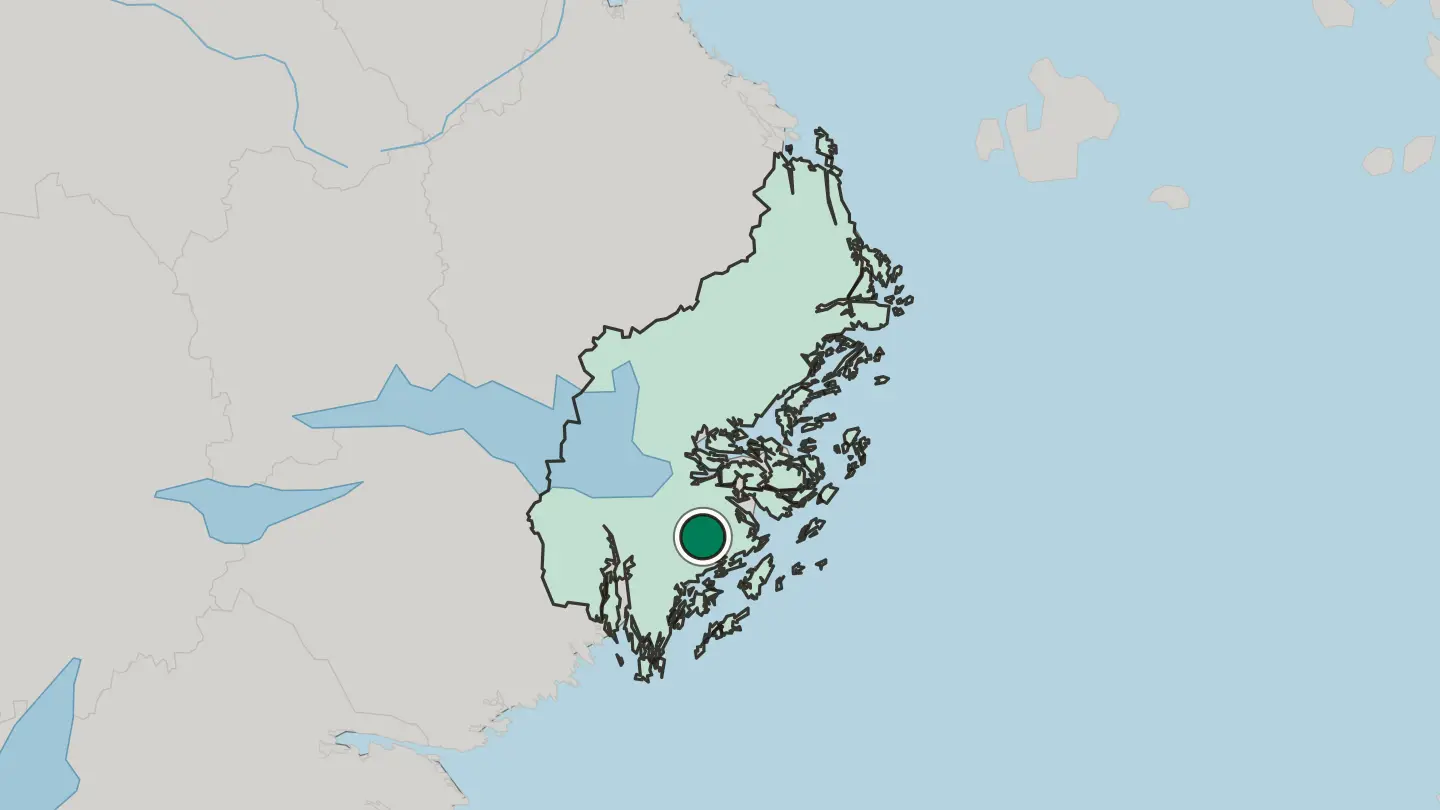
 Sweden
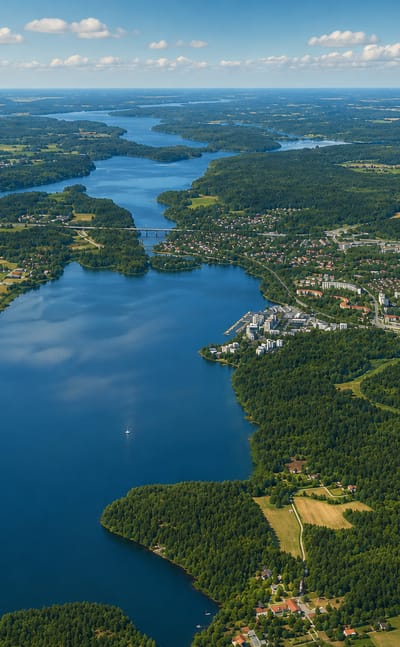
Ekerö
Ekerö is a town in the western part of Stockholm County, in eastern Sweden, the seat of an island municipality on Lake Mälaren.Where to stay →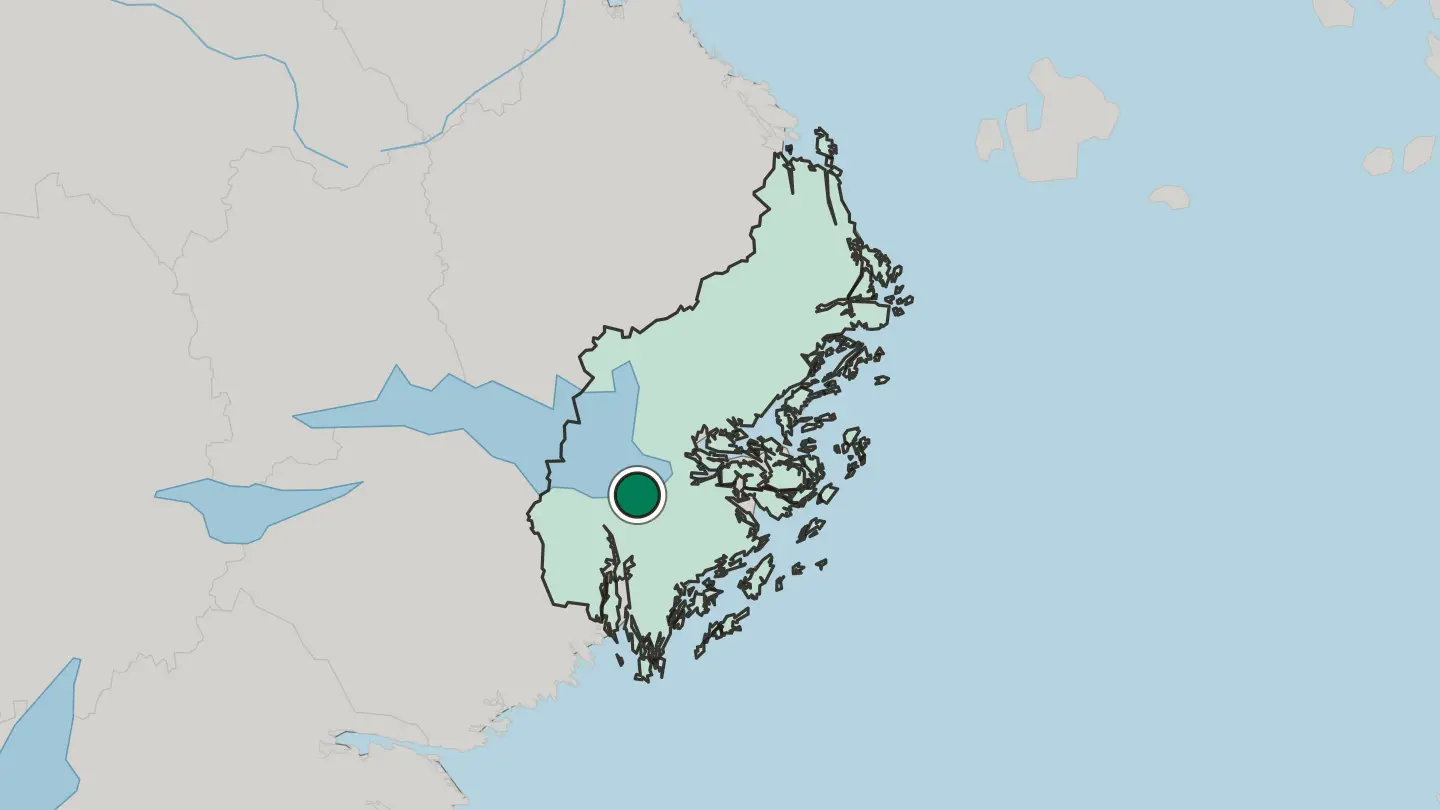
 Sweden
Kungsängen
Kungsängen is a town in the north-western part of Stockholm County, in eastern Sweden, and the administrative seat of Upplands-Bro Municipality.Where to stay →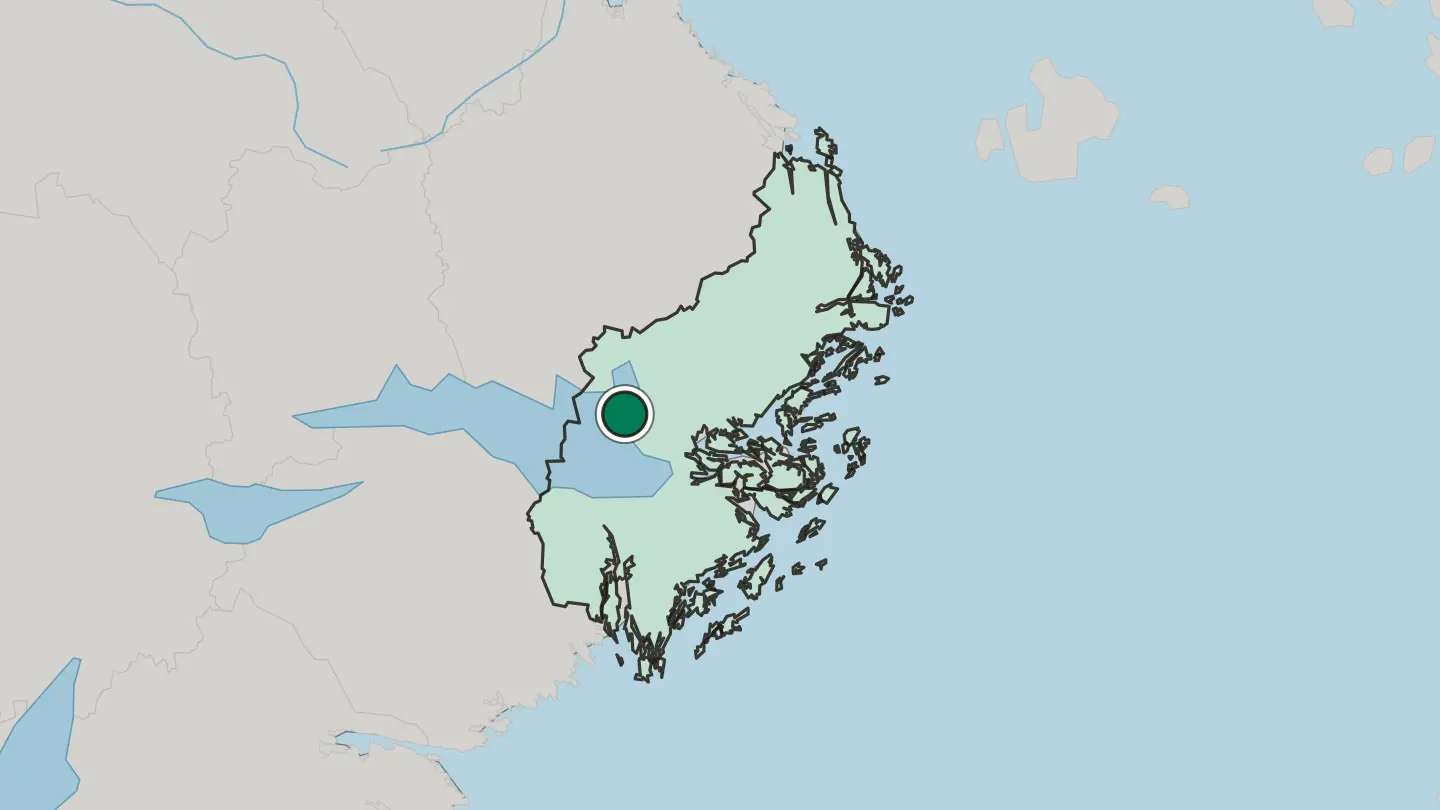
 Sweden
Sigtuna
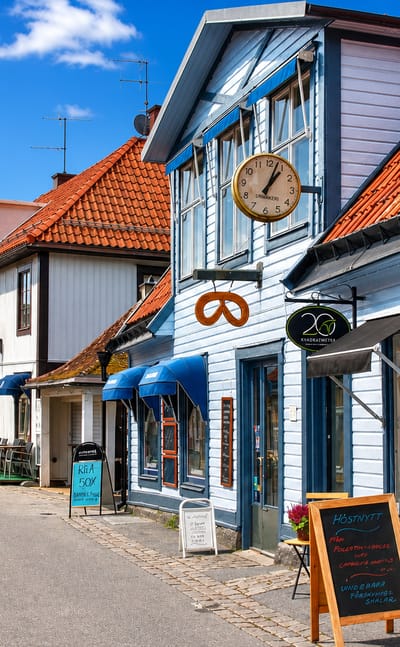
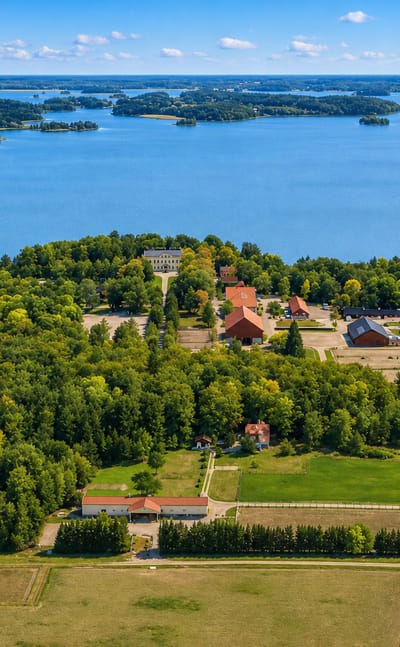
Sigtuna is a small lakeside town in the north-western part of Stockholm County in eastern Sweden, counted among the oldest towns in the country.Where to stay →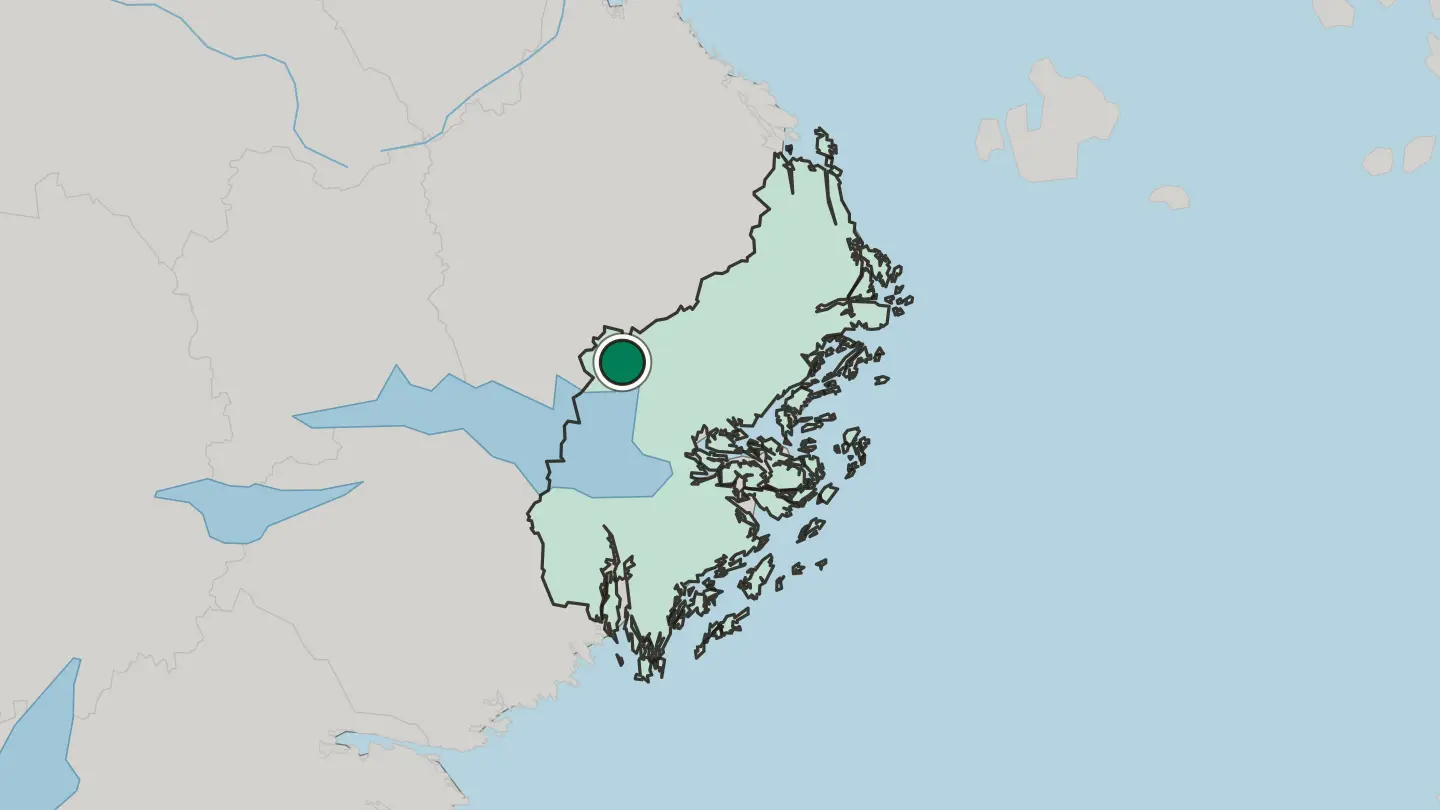
 Sweden
Nykvarn
Nykvarn is a town in the south-western part of Stockholm County, in eastern Sweden, and the seat of Nykvarn Municipality.Where to stay →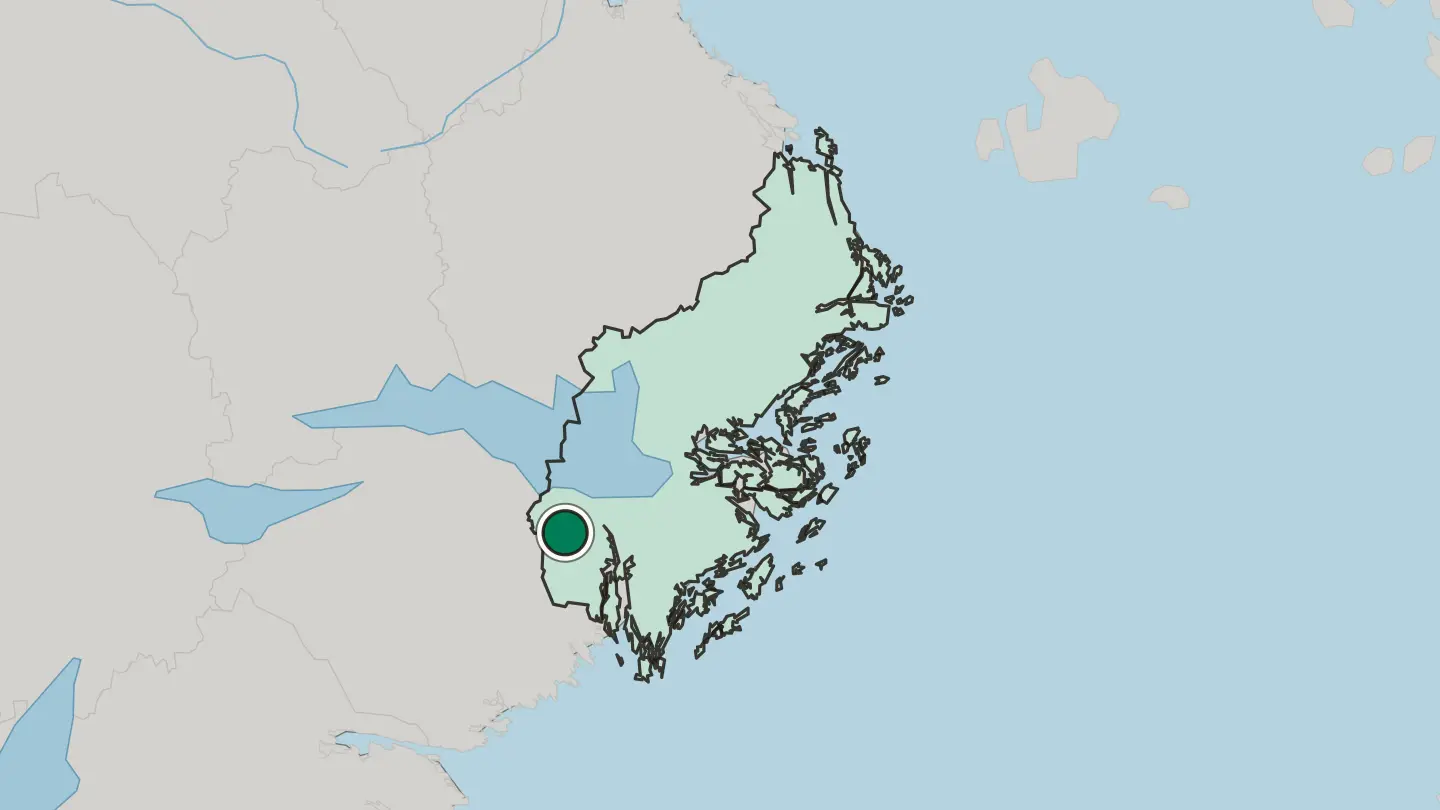
 Sweden
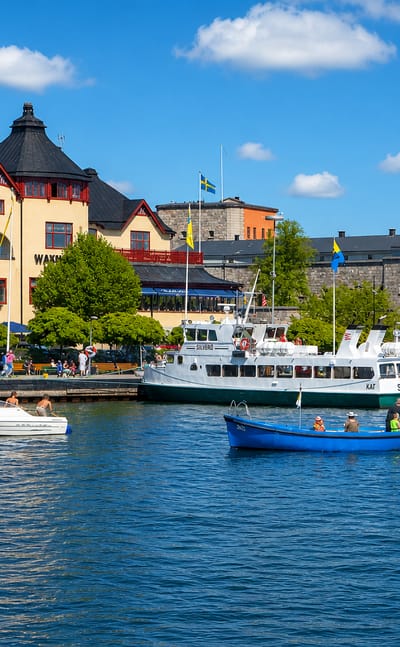
Vaxholm
Vaxholm is an archipelago town in the eastern part of Stockholm County in eastern Sweden, the seat of its island municipality.Where to stay →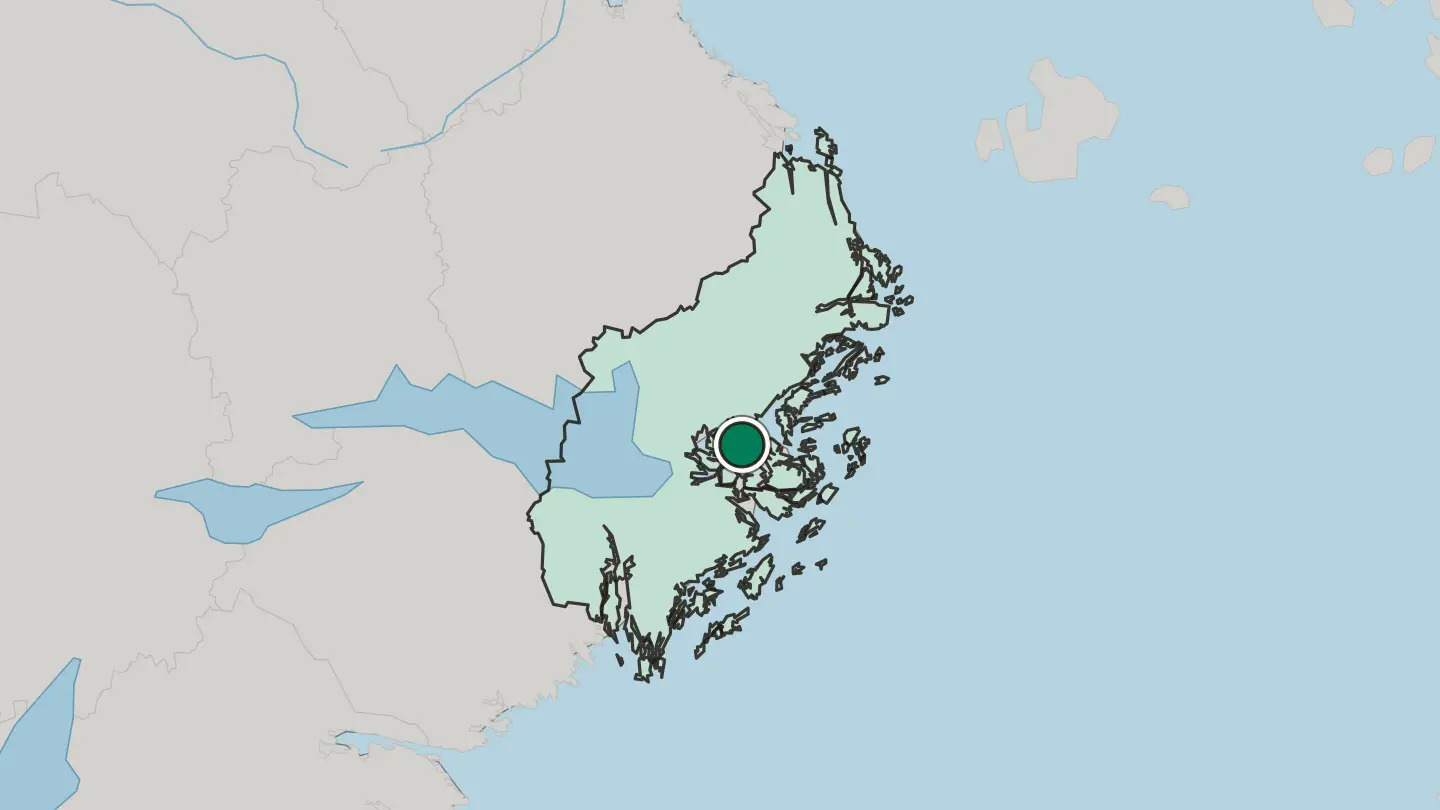
 Sweden
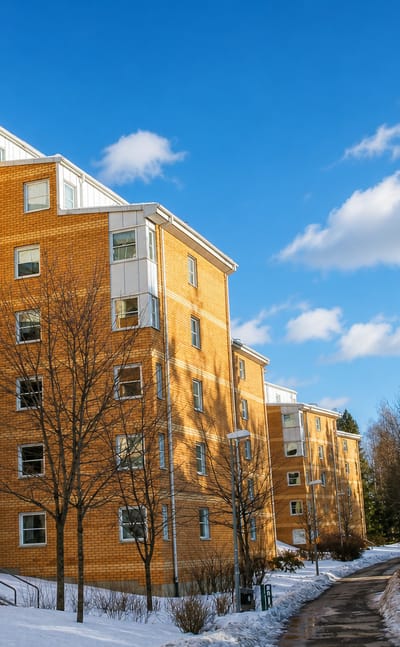
Bollmora
Bollmora is a town in the south-eastern part of Stockholm County, in eastern Sweden, the central district of Tyresö within the capital region.Where to stay →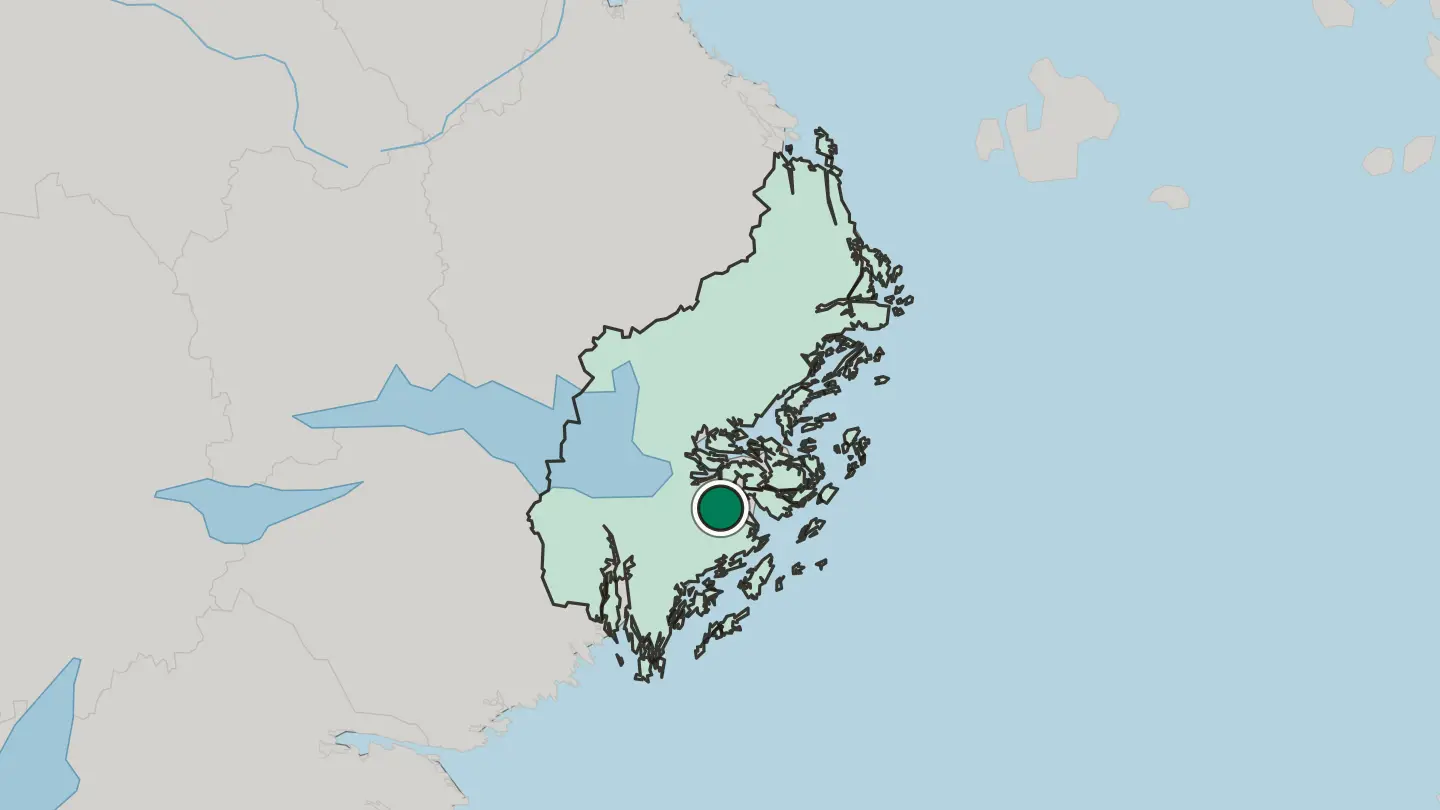
 Sweden
Rönninge
Rönninge is a residential town in Salem Municipality, in the south-western part of Stockholm County in eastern Sweden.Where to stay →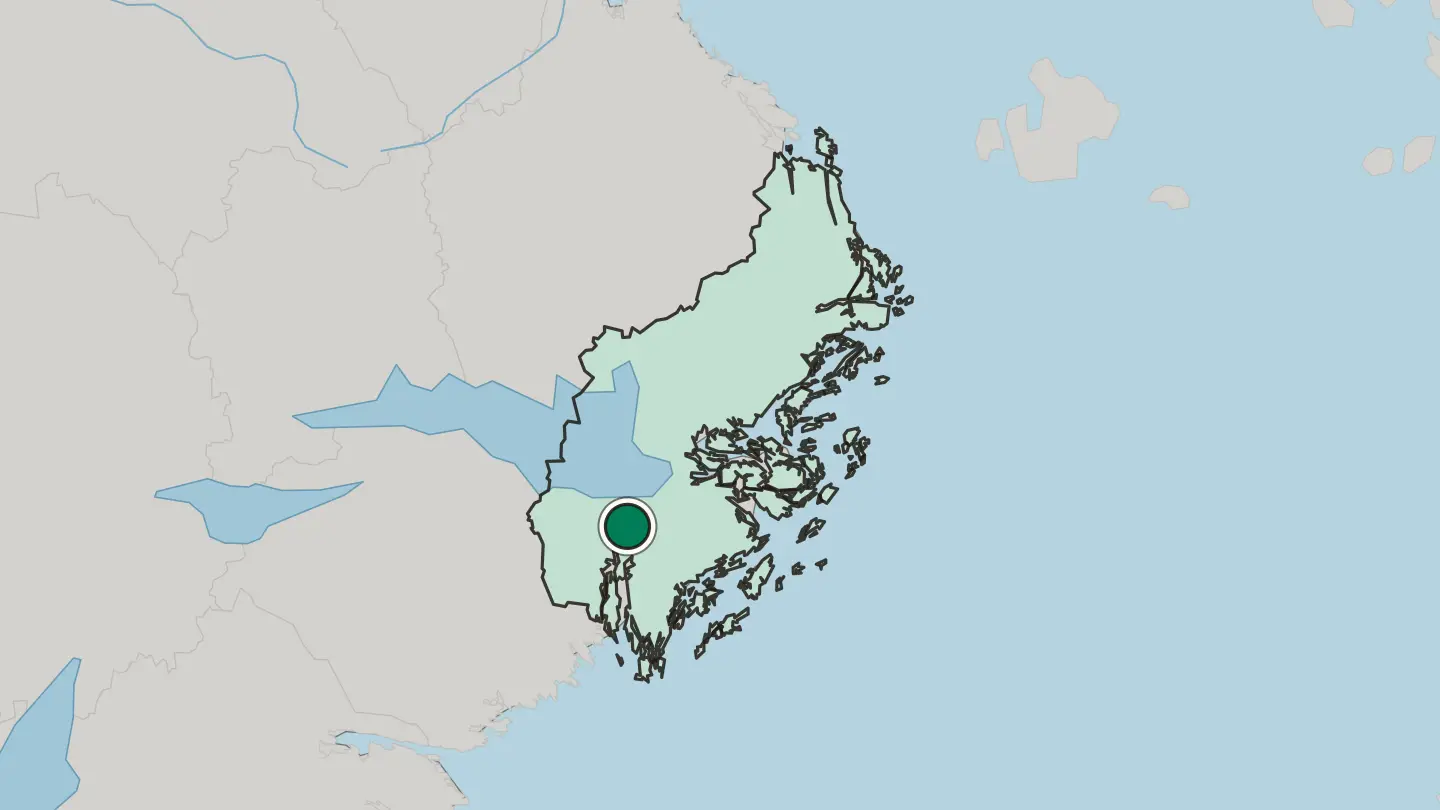
Hotel links are affiliate links: booking through them may earn us a commission, at no extra cost to you. It never affects how places are ranked. How this works
About Stockholm County
What is Stockholm County known for?
The county's reputation rests on water. Stockholm, the capital of Sweden, sits at its centre, where Lake Mälaren empties into the Baltic Sea through the old town's locks and channels. Beyond the quays the Stockholm Archipelago scatters seaward in a thinning chain of islands, skerries, and bare rock.
Inland, the farmland of Uppland carries an unusually dense concentration of Viking-age runestones, and the royal palace at Drottningholm stands on its own island in the lake.
Where is Stockholm County?
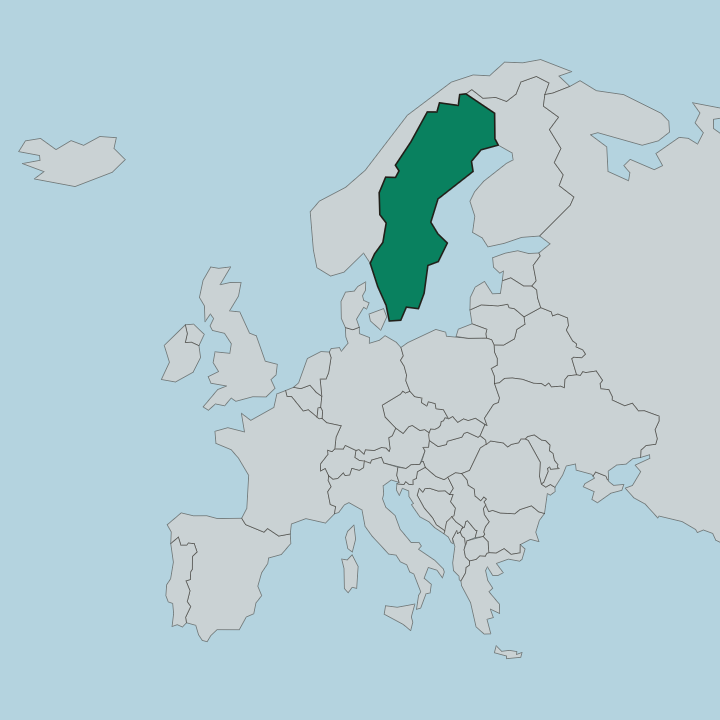
Stockholm County occupies the Baltic coast of east-central Sweden, at the seam where the great lake of Mälaren drains into the Baltic Sea. Water is the governing element of Stockholm County, from the Mälaren-to-Baltic seam to the archipelago beyond. Out beyond the capital the mainland breaks apart into more than 30,000 islands, skerries, and islets, the Stockholm Archipelago thinning from wooded shores to bare rock as it runs seaward.
The bedrock underneath is ancient and low, planed smooth by ice-age glaciers that left rounded hills and shallow basins across the region. Mälaren itself is one of Sweden's largest lakes, a freshwater expanse held just above the level of the Baltic, so its outflow tumbles through the locks and channels of the old town. The land is still rising.
Since the last ice age the whole region has lifted slowly out of the sea, turning old seabed into dry meadow and nudging the shoreline outward over the centuries. Inland, north and west of the city, the ground softens into the farmland of Uppland, a patchwork of low ridges, clay plains, and mixed pine and birch forest. Drottningholm Palace stands on its own island in the lake.
The climate stays cool and damp, tempered by all that surrounding water, with long grey winters and short bright summers.
What is Stockholm County like?
Few parts of Sweden wear their early-medieval past as plainly as this one. Uppland and its coastal Roslagen are thick with runestones, granite slabs cut with looping serpents and memorial verse a thousand years ago, and the farmland around the Bro district holds one of the densest groupings in the country. The same inland keeps its old stone churches, among them Håbo-Tibble kyrka and Västra Ryds kyrka, and the broken walls of Almare-Stäkets borg, a medieval castle that once guarded the water route toward Uppsala.
Stone, water, and field repeat across it. The living culture leans on the sea. Through the short northern summer, families decamp to red-painted cottages on the islands, and the water fills with small boats, swimmers, and the smell of pickled herring and new potatoes.
Roslagen keeps a salt-cured fishing tradition that still divides outsiders at the table. Closer to the city, the court theatre at Drottningholm has staged opera in its original eighteenth-century machinery since the Gustavian age, and Stockholm gathers the county's museums, concert halls, and the Nobel Prize ceremonies. High art and herring share the same shore.
What is the history of Stockholm County?
As an administrative county, Stockholms län took shape in the early eighteenth century, when Sweden reorganised its provinces into the län system that still frames the country's local government. The ground it covers is far older. Stockholm itself was founded around the middle of the thirteenth century to control the lock between Mälaren and the sea, and grew into the seat of Swedish royal and political power.
The län drew its modern outline from the historic provinces of Uppland and Södermanland, binding capital, coast, and farmland under one administration.
What is the climate of Stockholm County?
Stockholm County sits in the humid continental band of the Baltic coast, with a maritime softening from all the surrounding water. Winters are cold and dark, the inner bays and Mälaren often freezing over, while the open archipelago stays a little milder than the inland forests. Summers are mild and long-lit, the white nights of midsummer pulling people onto the water.
Spring comes late and short; autumn turns grey and wet off the sea. The water blunts the sharpest extremes.
How do you get to Stockholm County?
Most international flights land at Stockholm Arlanda Airport, north of the city. A smaller airport nearer the centre handles domestic routes. By land, trunk motorways funnel traffic in from the south and west, and long-distance trains converge on the capital's central station.
Within the county, the metro, commuter rail, and buses reach across the suburbs, while scheduled boats fan out from the city quays to the archipelago. Ferries cross the Baltic to Finland too.
Common questions
What is the best area to stay in Stockholm County?
Stockholm: first-time visitors and city sightseeing. Stockholm Archipelago: sea, boats, and quiet. Sigtuna: history and lakeside calm.
Good for
More regions in Sweden
Updated September 2026