Sweden · Stockholm County
Where to Stay in Lidingö, Stockholm County
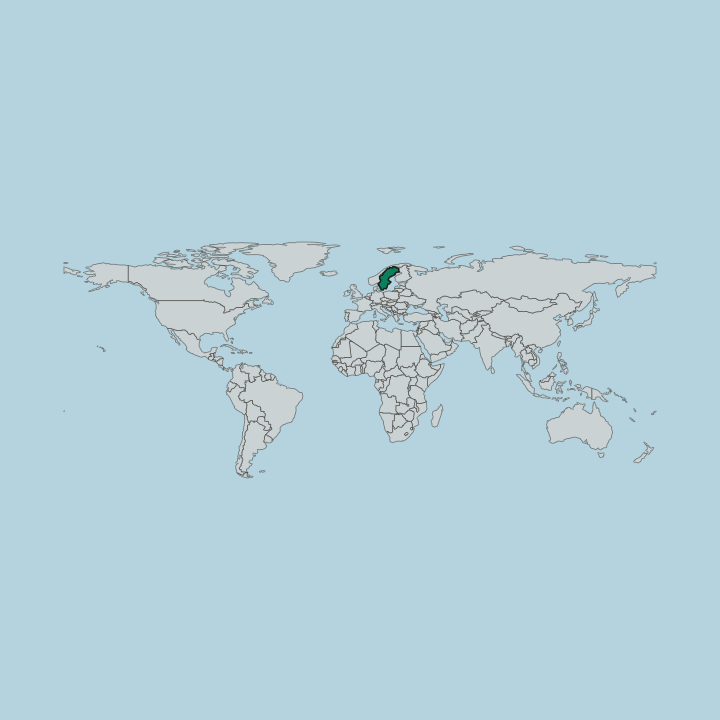
Lidingö is an island municipality in Stockholm County, a wooded residential island just east of central Stockholm across a single bridge.
Hotel links are affiliate links: booking through them may earn us a commission, at no extra cost to you. It never affects how places are ranked. How this works


Where to stay in Lidingö
The right area depends on your trip — here's what each neighbourhood is best for.
 LidingöSwedena first visit and an easy crossing to the city
Torsvik
near the bridge, Millesgården, and the water. Beds are limited here, so book early.Torsvik → LidingöSweden
Herserud
Herserud is a villa district in south-western Lidingö, in Stockholm County, home to Millesgården and Villa Foresta on the Herserudsklippan cliff.Where to stay → LidingöSweden
Islinge
Islinge is a villa district in north-western Lidingö, built on the two hills around the Islingeviken inlet.Where to stay → LidingöSweden
Skärsätra
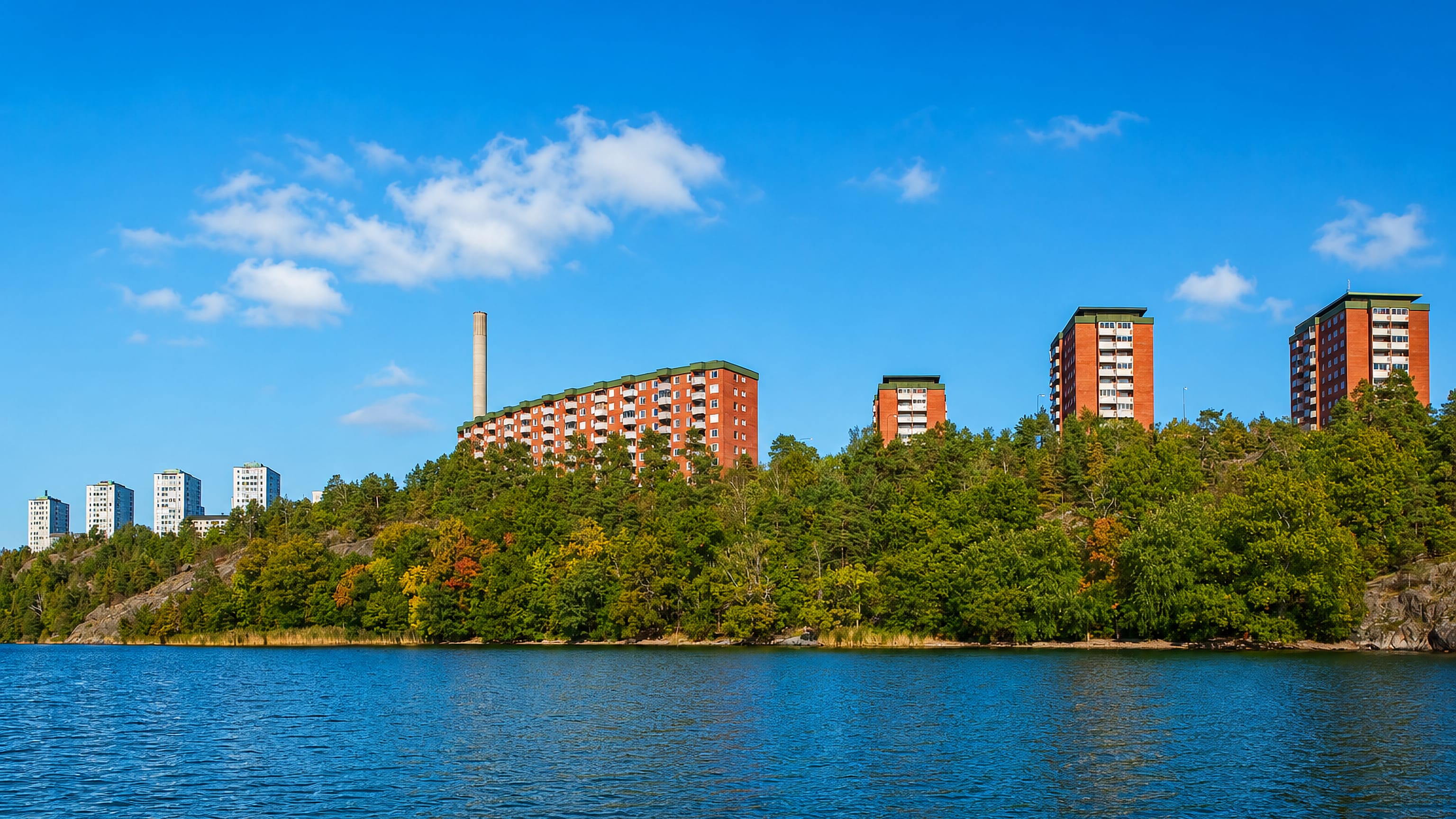
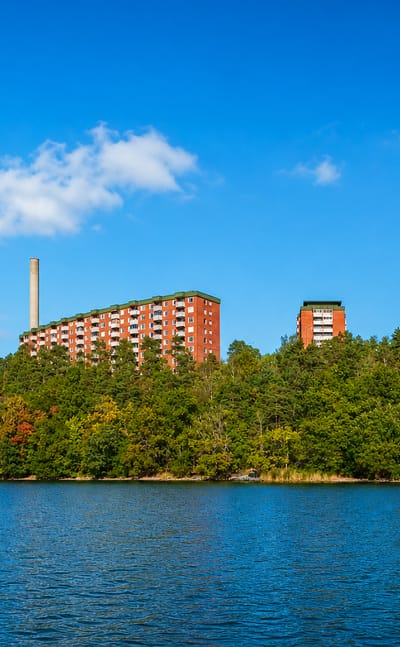
Skärsätra is a district of Lidingö in Stockholm County, also called Pyrolaområdet after the 1960s HSB blocks along Pyrolavägen.Where to stay →LidingöSwedenKottla
Kottla is a villa area within the Skärsätra district of Lidingö, named after Kottla farm, which also gave its name to the lake Kottlasjön.Where to stay → LidingöSweden
Mölna
Mölna is a residential district of Lidingö, the island city east of central Stockholm, set on the island's south-eastern side.Where to stay → LidingöSweden
Käppala
Käppala is a district of Lidingö in Stockholm County, where a steam sawmill on Käppalaviken shipped timber to foreign ports from 1869.Where to stay → LidingöSweden
Gåshaga
Gåshaga is a district at the eastern tip of Lidingö, the island city east of Stockholm in eastern Sweden.Where to stay →Hotel links are affiliate links: booking through them may earn us a commission, at no extra cost to you. It never affects how places are ranked. How this works
Few places to stay in Lidingö — most visitors book in Stockholm nearby.
Things to do in Lidingö
Ranked by global recognition; descriptions from Wikidata (CC0).
Museums & Galleries
1- Millesgården art museum and sculpture park on Lidingö (Big Stockholm), originally the residence of the artist and sculptor Carl Milles and his wife until 1931
Churches & Religious Sites
3- Lidingö Church Heritage Church of Sweden church building
- Bodals kyrka Heritage
- Brevik Church
Stadiums & Sports
3- Bosön
- Lidingövallen
- Kaknäs IP sports ground in Stockholm
Landmarks & Notable Places
2- AGA:s optiktorn
- Villa Foresta
worth knowingacross 4 categories in Lidingö
About Lidingö
What is Lidingö known for?
Lidingö is known above all for green calm within reach of the city. The sculptor Carl Milles built his home and garden here, the place that became the museum of Millesgården, where bronze figures stand against the open water toward Stockholm. Bronze and water define it.
The island also lends its name to Lidingöloppet, among the largest cross-country running races anywhere, held each autumn through its forests, and its large houses and sought-after shoreline give it a settled, well-off character distinct from the busier suburbs across the bridge.
What are the main landmarks in Lidingö?
Millesgården is the one fixed point on any visit, the cliff-top house and sculpture terraces left by Carl Milles and his wife. Elsewhere it is residential, not monumental. The old Lidingö kyrka stands near the southern shore, Ansgarskyrkan serves a newer parish, and grand early-century villas such as Villa Foresta recall the era when the island filled with summer and suburban houses.
Athletics and football are played at Lidingövallen.
What is the history of Lidingö?
For most of its history Lidingö was farmland and woodland on a Baltic island, worked by tenants and reached only by boat. That isolation ended slowly. As Stockholm grew in the nineteenth century, the wealthy began building summer houses along its shores, and ferries and then bridges drew the island into the orbit of the expanding capital.
The turn of the twentieth century fixed its character. Villa districts spread, a railway crossed the island, and Lidingö was granted town rights in the 1920s. Carl Milles created his garden of sculpture on a southern cliff in these same decades, a legacy that would outlast him as the museum of Millesgården.
Through the postwar years apartment areas were added around the centre, yet the island kept its wooded shoreline and its reputation as a green, comfortable place to live. It remains a municipality in its own right, joined to the mainland by bridge and light rail rather than swallowed by the city it faces.
Where is Lidingö?
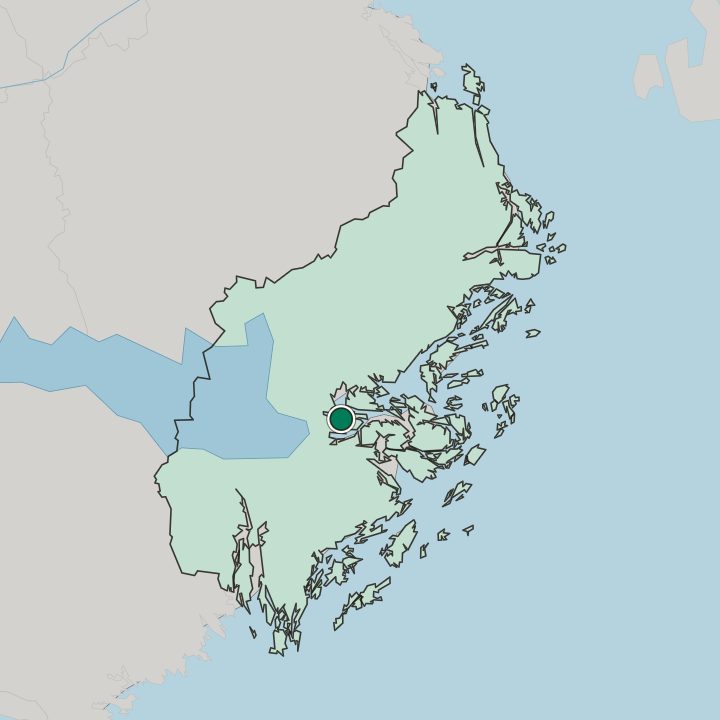
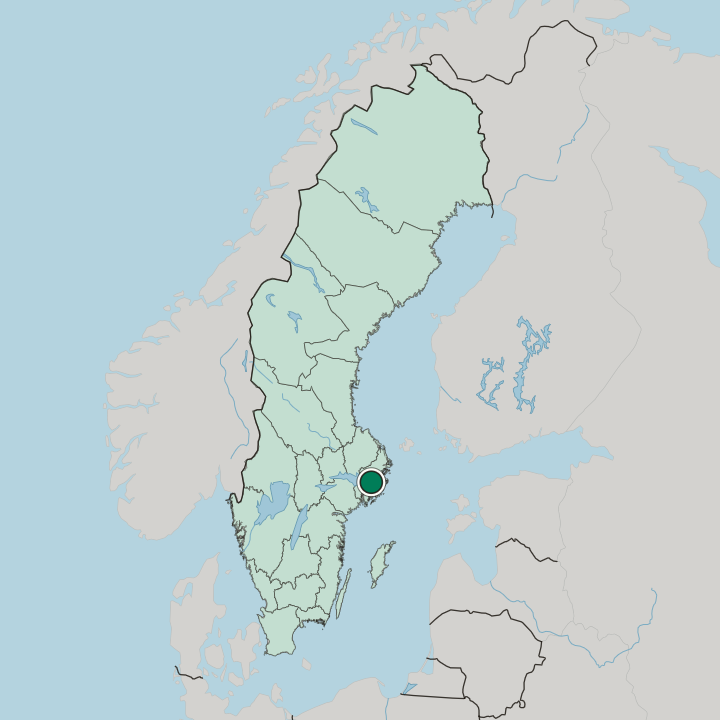
Lidingö occupies the eastern part of Stockholm County, an island in the inner archipelago just off the city's north-eastern districts. The narrow strait of Lilla Värtan separates it from the mainland at Ropsten, where the bridge and light rail cross. The island is hilly and wooded.
Inlets and rocky shores fold around its edges, and beyond it to the east the archipelago opens out toward the open Baltic in a scatter of larger and smaller islands.
What is the climate of Lidingö?
Water on every side shapes the weather here. Lidingö's climate is humid continental but maritime in temper, with the strait and the archipelago smoothing the extremes. Winters are cold yet often damp rather than deeply frozen, and ice forms on the sheltered inlets before the open water.
Summers are gentle. Long light evenings and cooling breezes off the Baltic make the wooded shore pleasant through the warm months, ahead of wet and gusty autumns.
How do you get to Lidingö?
Lidingö connects to Stockholm at a single point. The Lidingöbron carries road traffic and the Lidingöbanan light-rail line across the strait to Ropsten, where the metro's red line takes over toward the centre. That makes the crossing quick.
Buses fan out across the island from there, and drivers reach it from the Norra länken road tunnels, while the inner-archipelago boats call at its piers in the warmer season.
Common questions
What is the best area to stay in Lidingö?
Torsvik: a first visit and an easy crossing to the city. Lidingö centrum: car-free travellers.
Good for
More cities in Stockholm County
Updated October 2026