Sweden · Stockholm County
Where to Stay in Upplands Väsby, Stockholm County
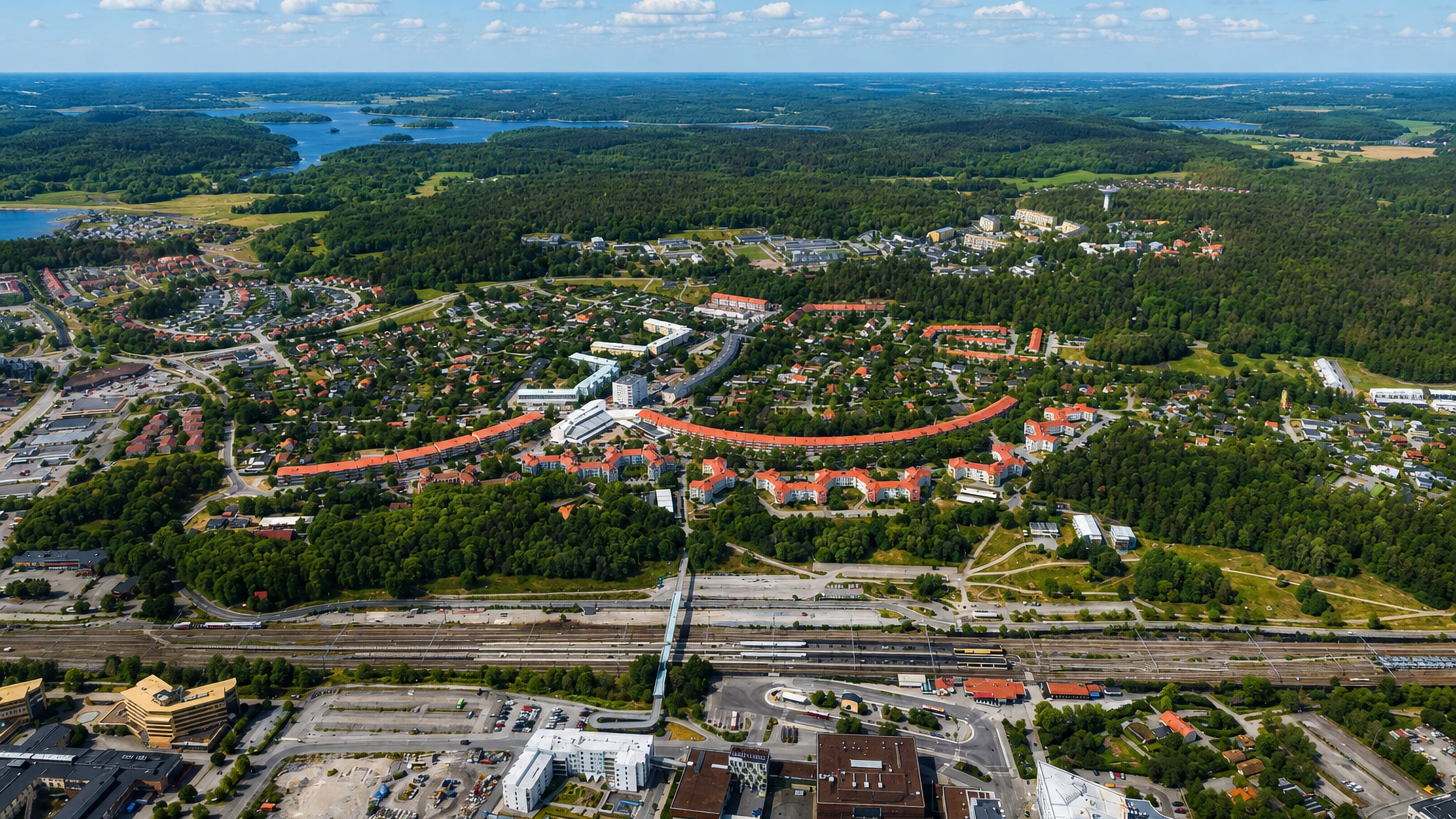
Upplands Väsby is a municipality in Stockholm County, a railway town in the northern part of the region, close to Arlanda Airport.
Hotel links are affiliate links: booking through them may earn us a commission, at no extra cost to you. It never affects how places are ranked. How this works


Where to stay in Upplands Väsby
Where visitors usually base themselves, and why.
Väsby centrum is the obvious base, built around the commuter station and the shopping streets, and it suits you if you are catching an early flight from Arlanda or a train south into Stockholm. The surrounding districts of Smedby and Odenslunda hold most of the housing, plain residential streets within easy reach of the centre and the sports grounds at Vilundaparken. Bollstanäs and Runby, out toward the water, give a quieter, lower-built setting near the lakes.
For travellers, the appeal of staying here is simple practicality rather than scenery, a calm place to sleep between the airport and the city with everything a short ride away. The lakeshores of Mälaren's inlets reward a longer look if you have the time. Trains run late into the evening.
Nothing about reaching the capital is difficult.
Find hotels in Upplands Väsby
Direct booking searches for these neighbourhoods.
Väsby centrum
Around the commuter station, handy for Arlanda and the city.Find hotels in Väsby centrumResidential convenienceSmedby
Plain housing streets within easy reach of the centre.Find hotels in SmedbyQuiet, lakeside calmBollstanäs
Lower-built setting out toward the water.Find hotels in BollstanäsHotel links are affiliate links: booking through them may earn us a commission, at no extra cost to you. It never affects how places are ranked. How this works
Things to do in Upplands Väsby
Ranked by global recognition; descriptions from Wikidata (CC0).
Churches & Religious Sites
4- Fresta Church Heritage
- Ed Church Heritage
- Hammarby Church Heritage
- Vilunda Church Heritage
Stadiums & Sports
3- Vilundavallen football stadium
- Bollstanäs IP
- Vilundaparken
worth knowingacross 2 categories in Upplands Väsby
About Upplands Väsby
Upplands Väsby sits squarely on the line between two cities.
What is Upplands Väsby known for?
Trains run through it constantly on the main route from Stockholm to Uppsala, and the nearness of Arlanda gives the town an outward, in-transit character. Its centre gathers around the culture house and the church of Vilunda, with the sports grounds of Vilundaparken close behind. Much of life here keeps half an eye on the timetable.
What are the main landmarks in Upplands Väsby?
Vilunda kyrka anchors the centre, a parish church whose congregation marks the older settlement beneath the modern town. Beside it, the grounds and halls of Vilundaparken and the pitch at Vilundavallen give the place its sporting focus, with arenas for football, ice, and athletics drawing crowds through the seasons. Out in the surrounding parishes, rune stones and old farm churches survive among the fields.
The everyday and the ancient overlap.
What is the history of Upplands Väsby?
Upplands Väsby grew up between two cities. The locality sits in the province of Uppland, on the plain that links Stockholm with Uppsala to the north, and its fortunes have long followed that corridor. Rune stones scattered across the parish record families who farmed these clay soils a thousand years ago, when waterways still reached far inland from Mälaren.
Medieval congregations raised the stone churches of Hammarby and Fresta, both of which still stand. Manors followed. Stora Wäsby, the estate that lends the district its name, anchored a countryside of farms, tenant cottages, and grazing meadows that changed little for centuries.
The railway rewrote everything. When the line between Stockholm and Uppsala opened in 1866, a station appeared on open fields, and around it gathered workshops, a school, and the first rows of houses. Industry came next; the Optimus works, known for its paraffin stoves, grew into one of the area's largest employers and drew labour from across the region.
Growth was slow at first. Then, in the decades after the Second World War, planners folded the old köping into greater Stockholm's commuter belt, and housing estates rose across former farmland during the building boom of the 1960s and 1970s. A municipality was constituted in 1952, and a larger one took shape in 1971 when neighbouring parishes merged.
The modern town keeps that layered past in view: a commuter station on the Uppsala line, traffic on the E4 motorway nearby, lakeside paths along Edssjön and Oxundasjön, and the white walls of Stora Wäsby standing among trees that once marked a noble park.
Where is Upplands Väsby?
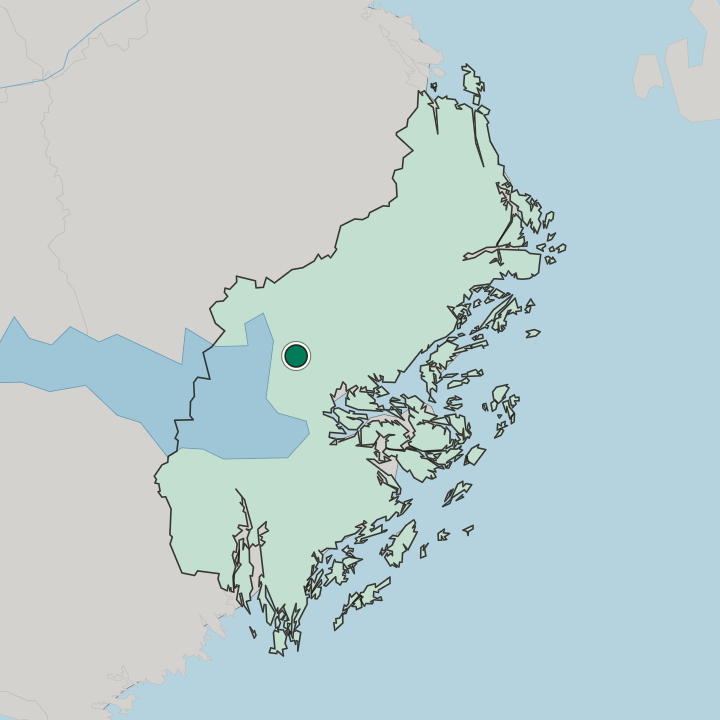
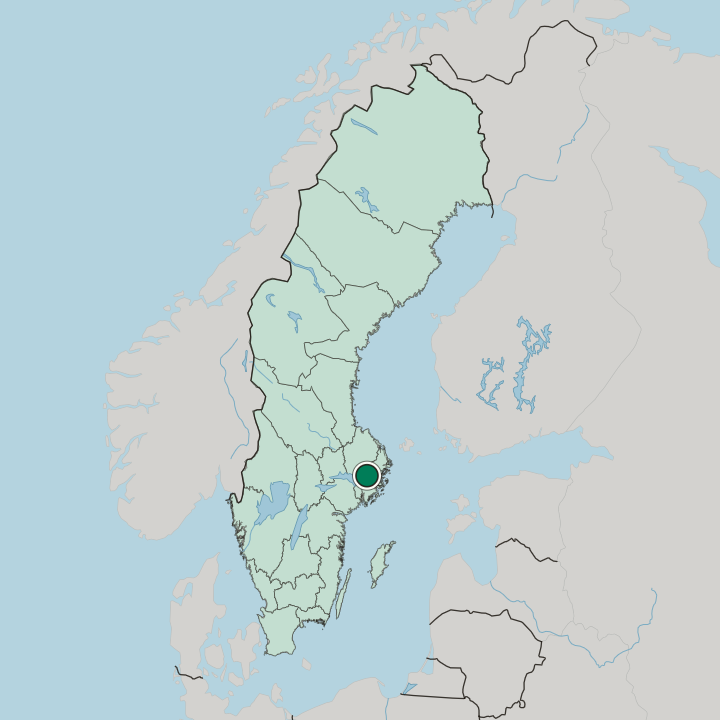
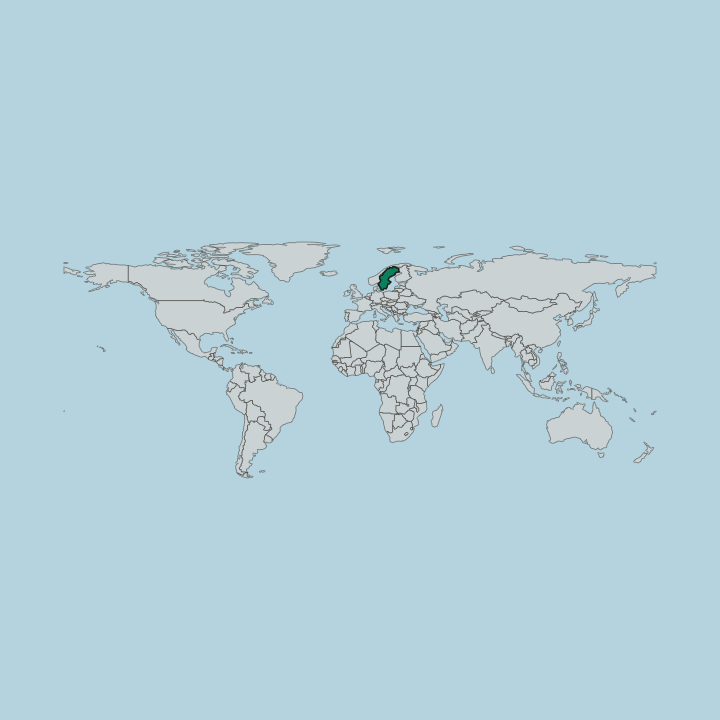
Upplands Väsby lies in the northern part of Stockholm County, on the south-eastern side of the country, on the corridor of land between the capital and Uppsala. The municipality is low and lake-strewn, set among the inlets and waterways that drain toward Mälaren, with the broad lake of Oxundasjön on its southern edge. The little Väsbyån stream runs through the town.
Woodland cloaks the higher ground. Water and woodland still break up the built-up streets.
What is the climate of Upplands Väsby?
Upplands Väsby has a humid continental climate typical of the inland Mälaren country. Winters are cold and can be snowy, with the lakes freezing hard and the daylight short, while summers are mild and green, the long evenings drawing people to the bathing places and the woods. Spring is quick to pass between them.
Autumn comes in grey and wet, with mist hanging over the water.
How do you get to Upplands Väsby?
Upplands Väsby is one of the easiest suburbs to reach. Commuter trains on the main line stop here on the run between Stockholm and Uppsala, and Arlanda Airport lies only a few minutes up the track. The E4 motorway passes along the eastern side of the town, the main road north from the capital.
Buses feed the station from the outer districts. Few places sit so close to an international airport.
Common questions
What is the best area to stay in Upplands Väsby?
Väsby centrum: Trains and the airport. Smedby: Residential convenience. Bollstanäs: Quiet, lakeside calm.
Good for
More cities in Stockholm County
Updated October 2026