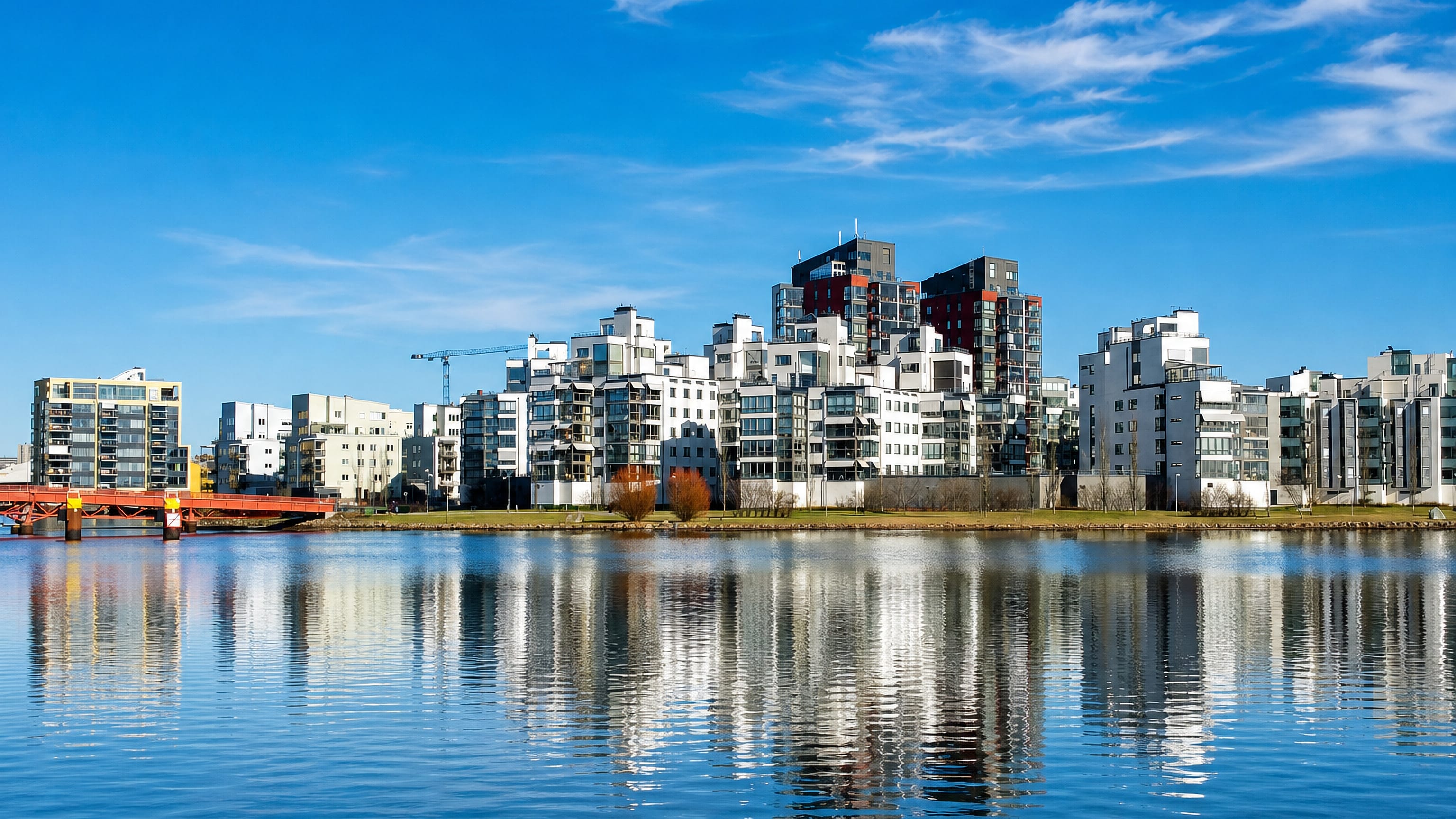
Sweden
Västmanland County, Sweden — Towns & Travel Guide
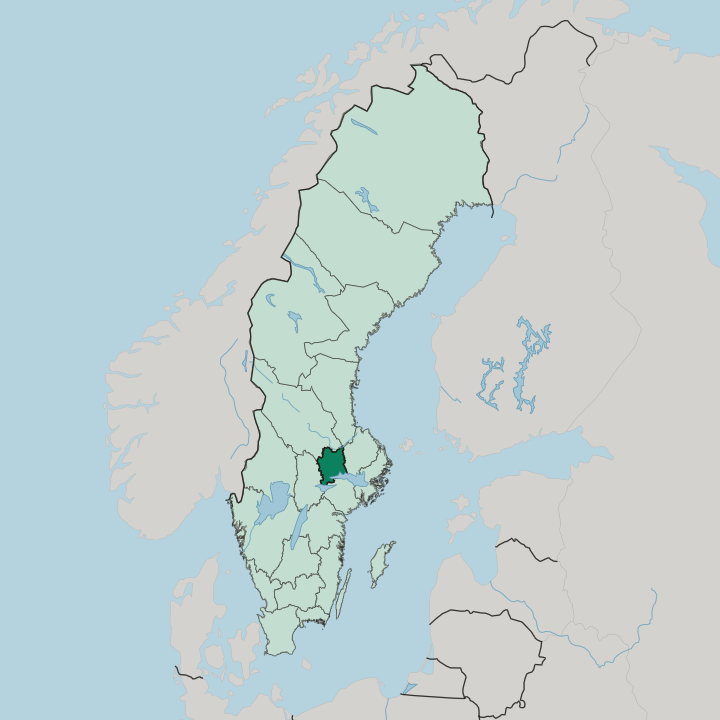
Västmanland County is an inland län in eastern Sweden, reaching from the shore of Lake Mälaren up into the old mining country of Bergslagen.
Hotel links are affiliate links: booking through them may earn us a commission, at no extra cost to you. It never affects how places are ranked. How this works


Towns & cities in Västmanland County
Pick a town or city — each links to where to stay.
 Sweden
Västerås
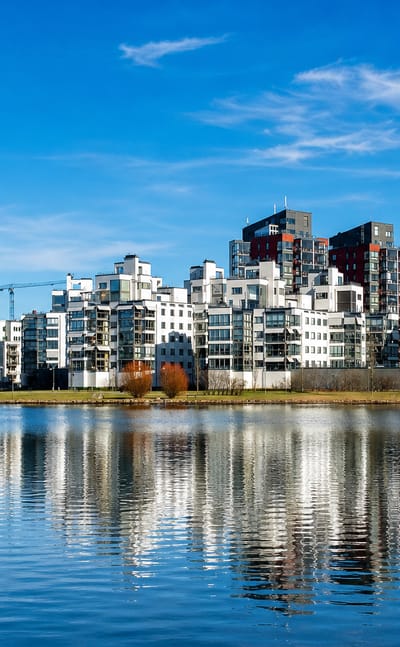
Västerås is the county seat of Västmanland County, where the Svartån river meets Lake Mälaren in eastern Sweden.Where to stay →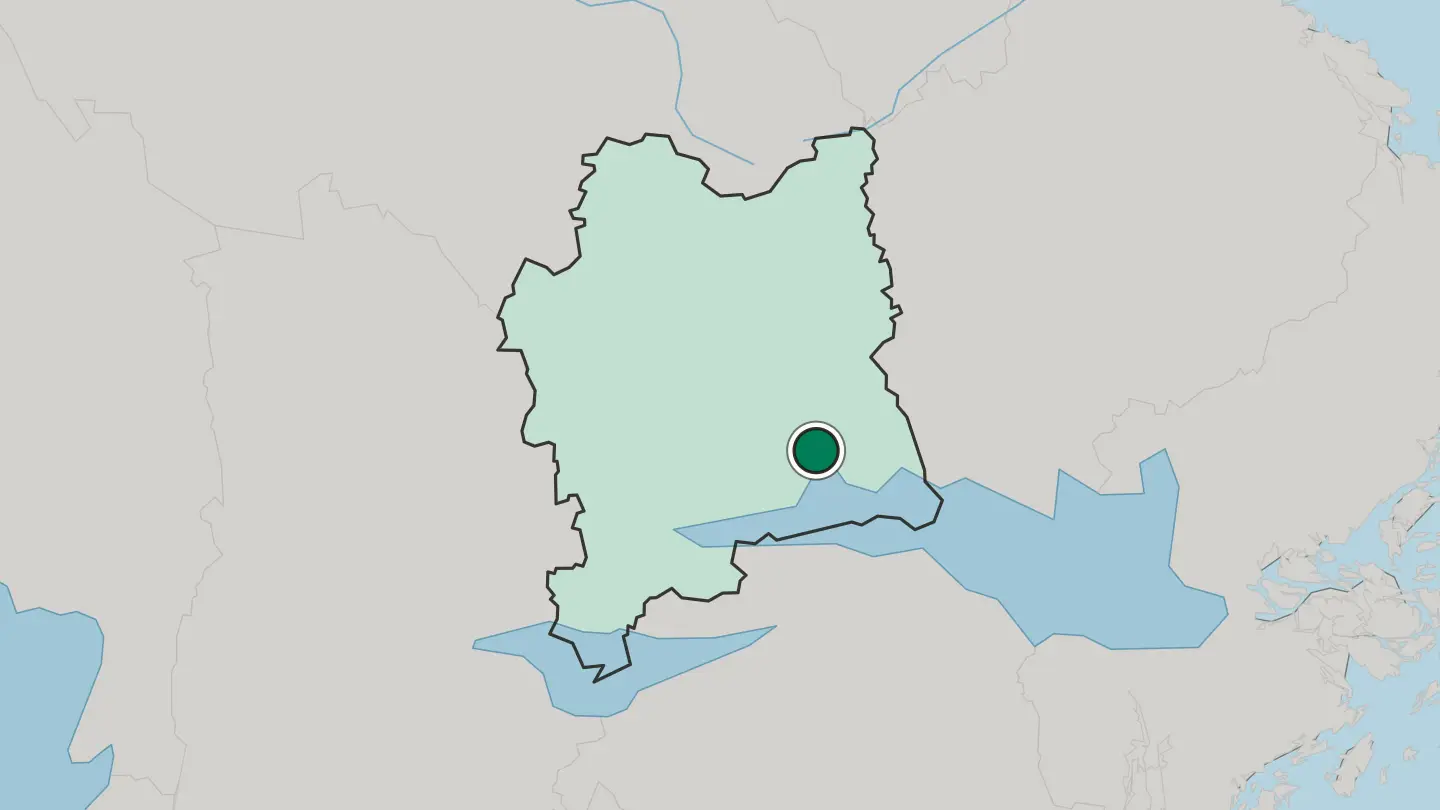
 Sweden
Köping
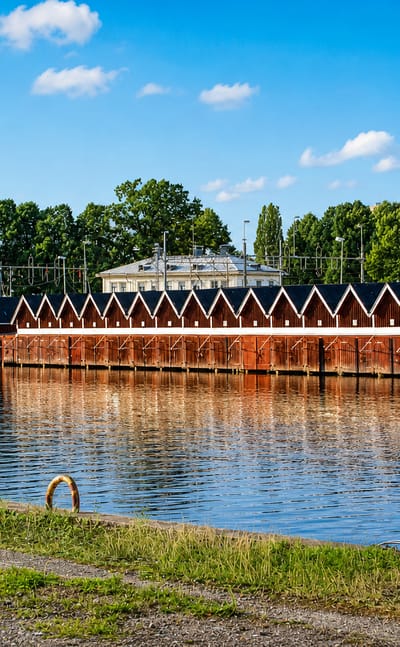
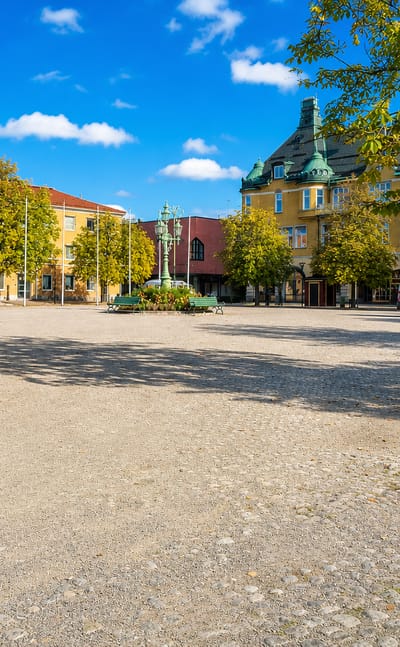
Köping is a municipality in Västmanland County, an old market town and port at the western end of Lake Mälaren in central Sweden.Where to stay →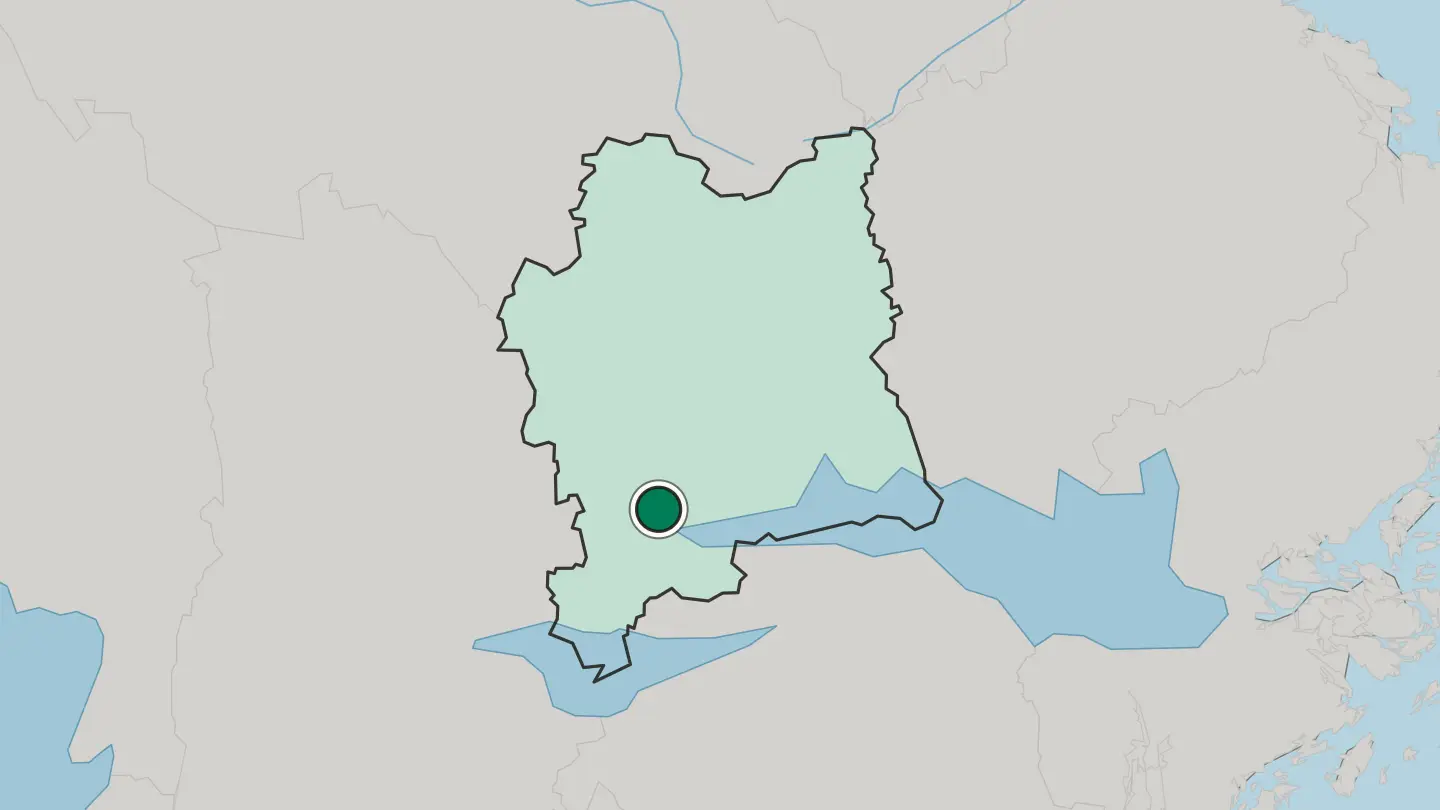
 Sweden
Sala
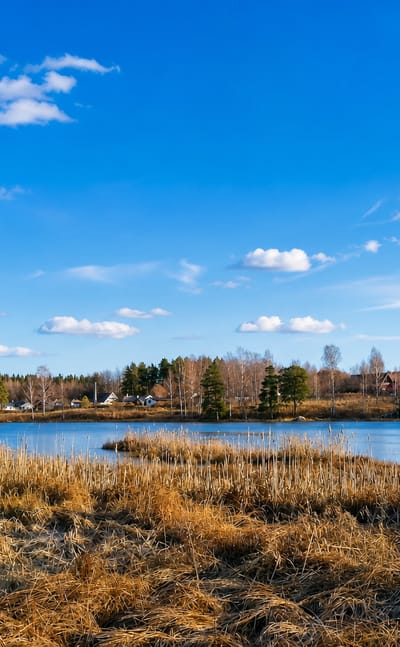
Sala is a municipality in Västmanland County in eastern Sweden, an old silver town built on the wealth of its historic mine.Where to stay →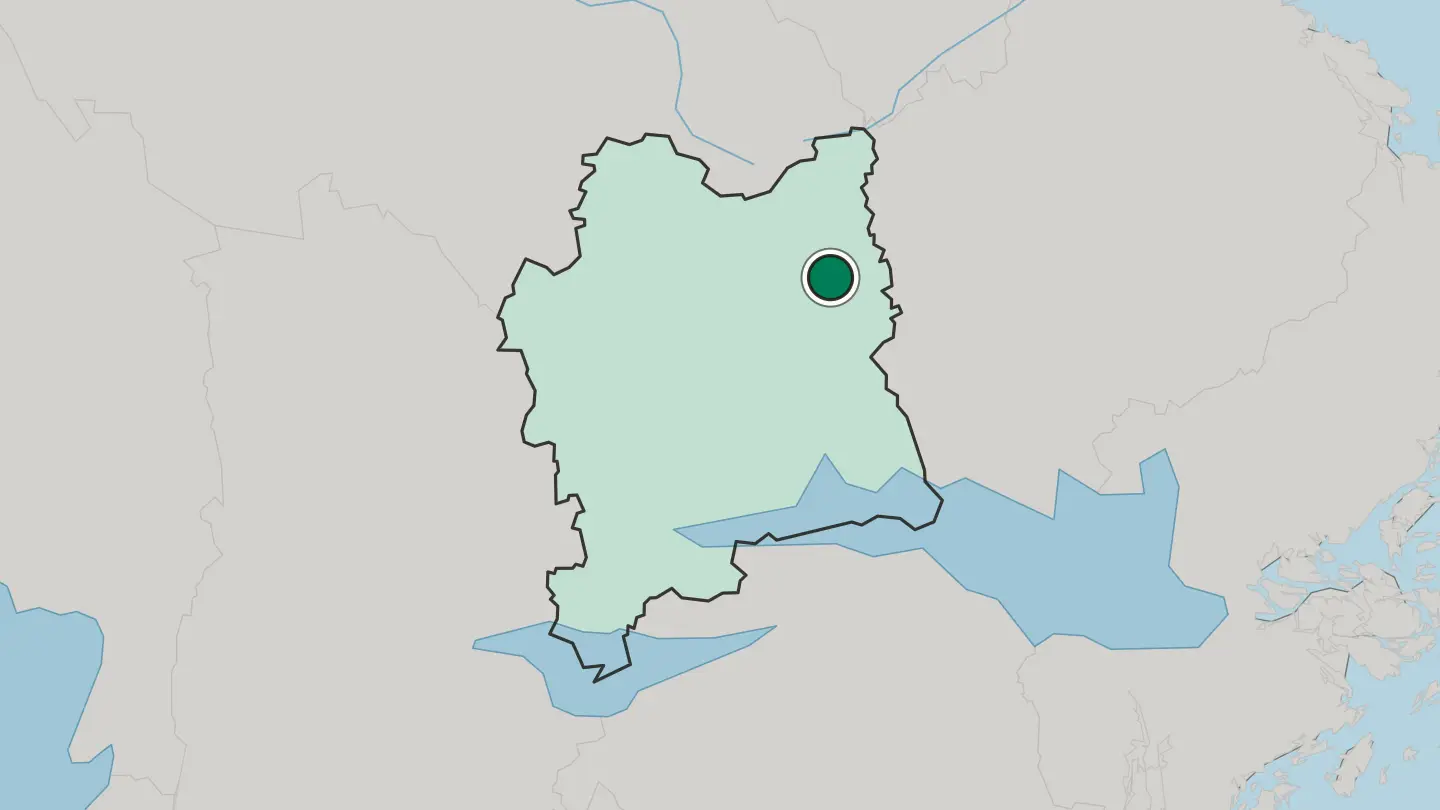
 Sweden
Fagersta
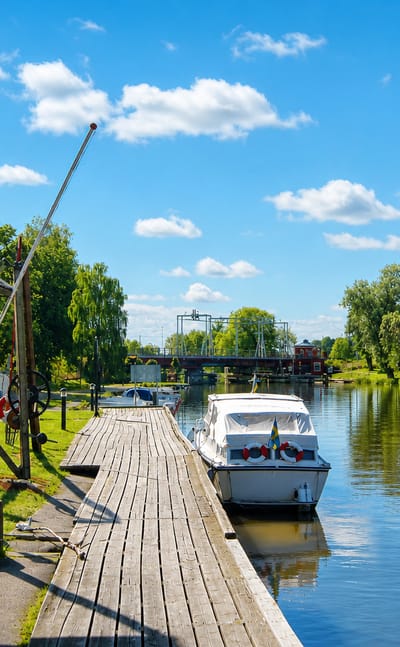
Fagersta is a municipality in Västmanland County, an iron-and-steel town in central Sweden where the Strömsholms kanal threads between forest lakes.Where to stay →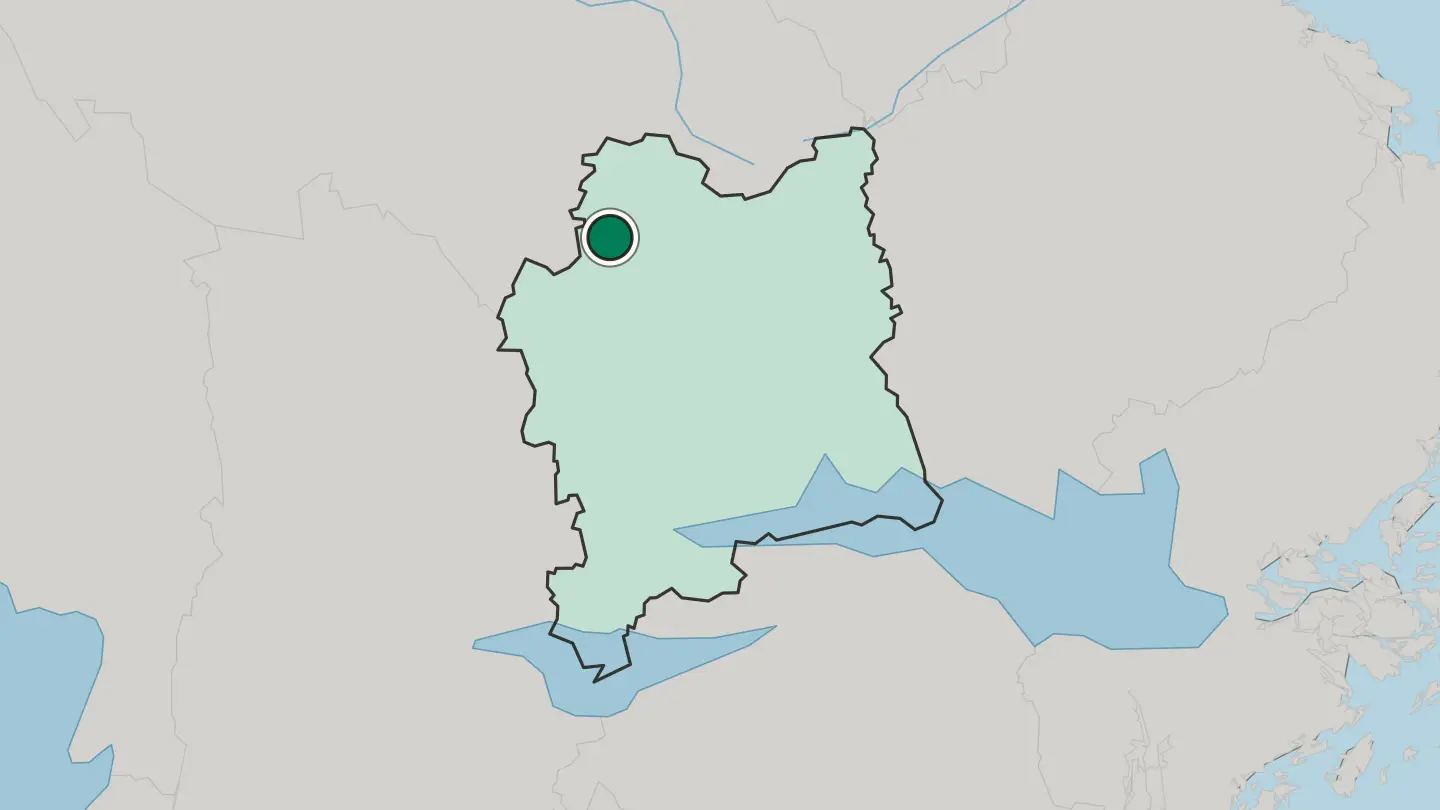
 Sweden
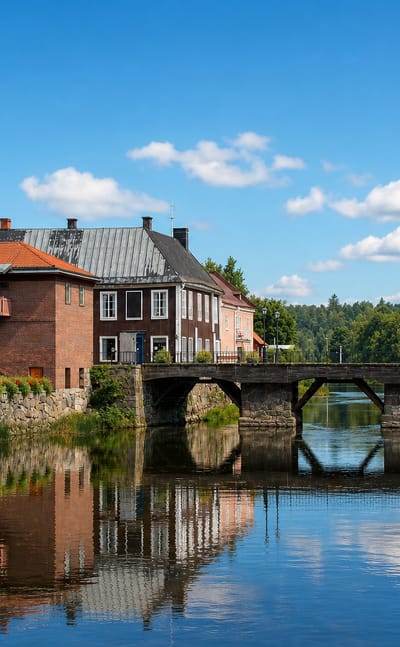
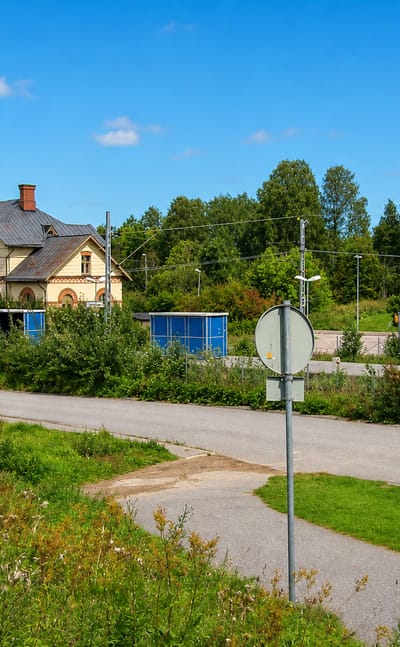
Arboga
Arboga is a municipality in Västmanland County, a medieval river town in central Sweden whose cobbled lanes follow the Arbogaån down to old quay houses.Where to stay →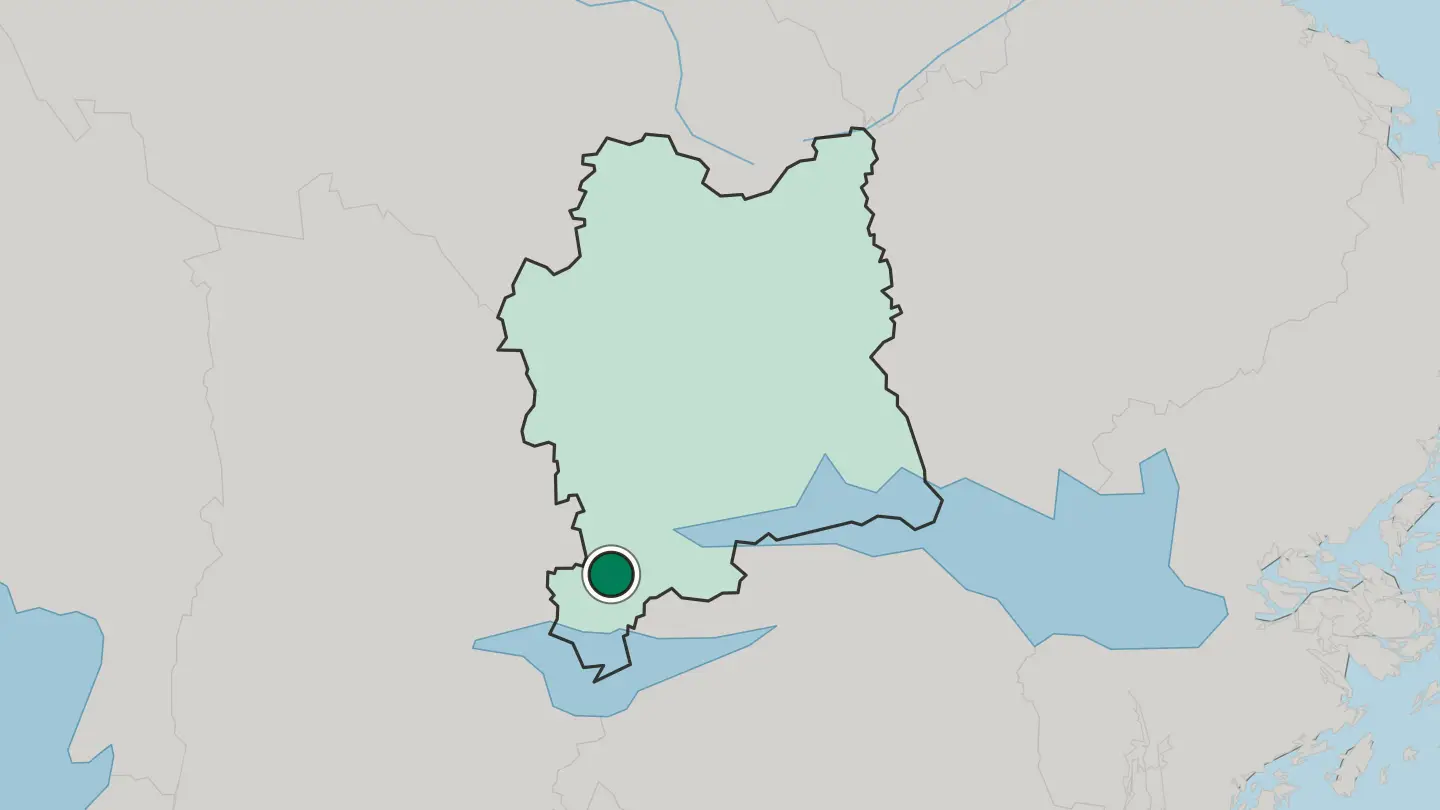
 Sweden
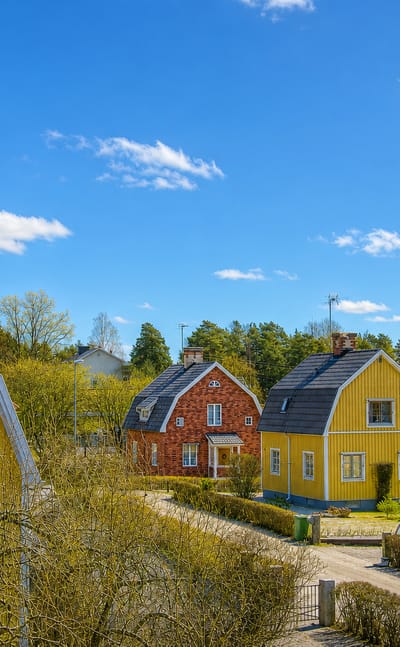
Hallstahammar
Hallstahammar is a municipality in Västmanland County, an industrial town on the Strömsholms kanal in central Sweden.Where to stay →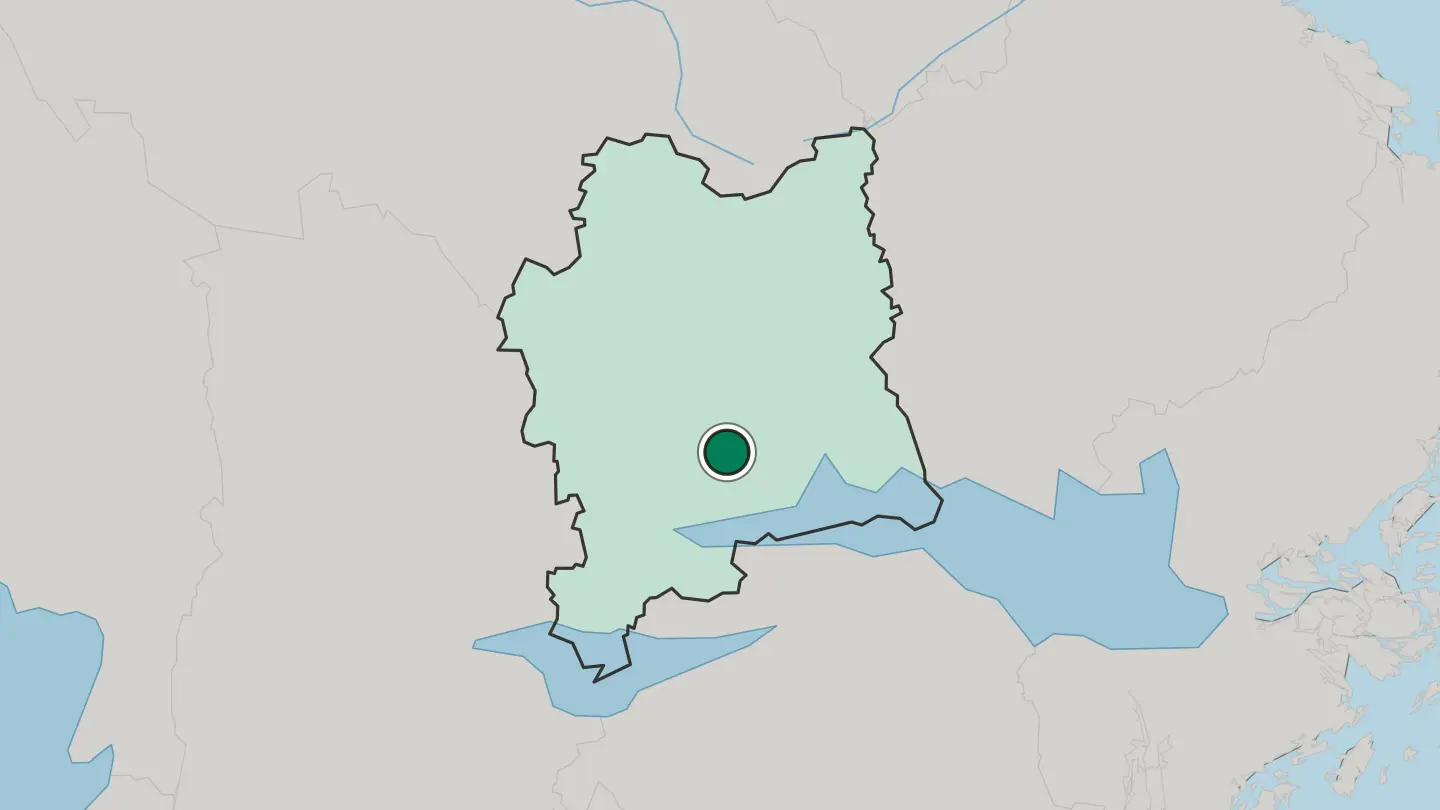
 Sweden
Surahammar
Surahammar is a municipality in Västmanland County, an old ironworks community on the Kolbäcksån river in central Sweden.Where to stay →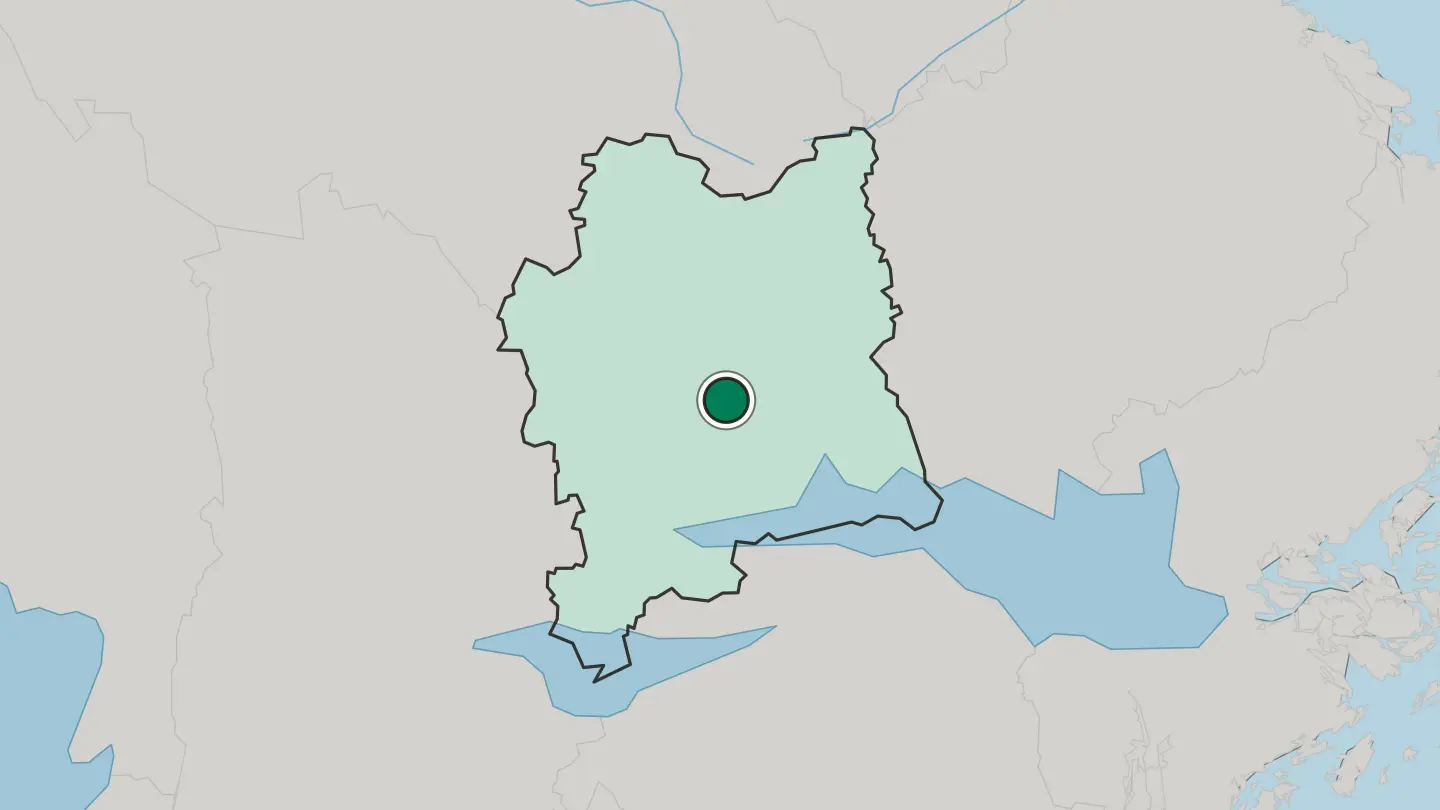
 Sweden
Kungsör
Kungsör is a municipality in Västmanland County, a small town on Lake Mälaren in central Sweden with a long royal connection.Where to stay →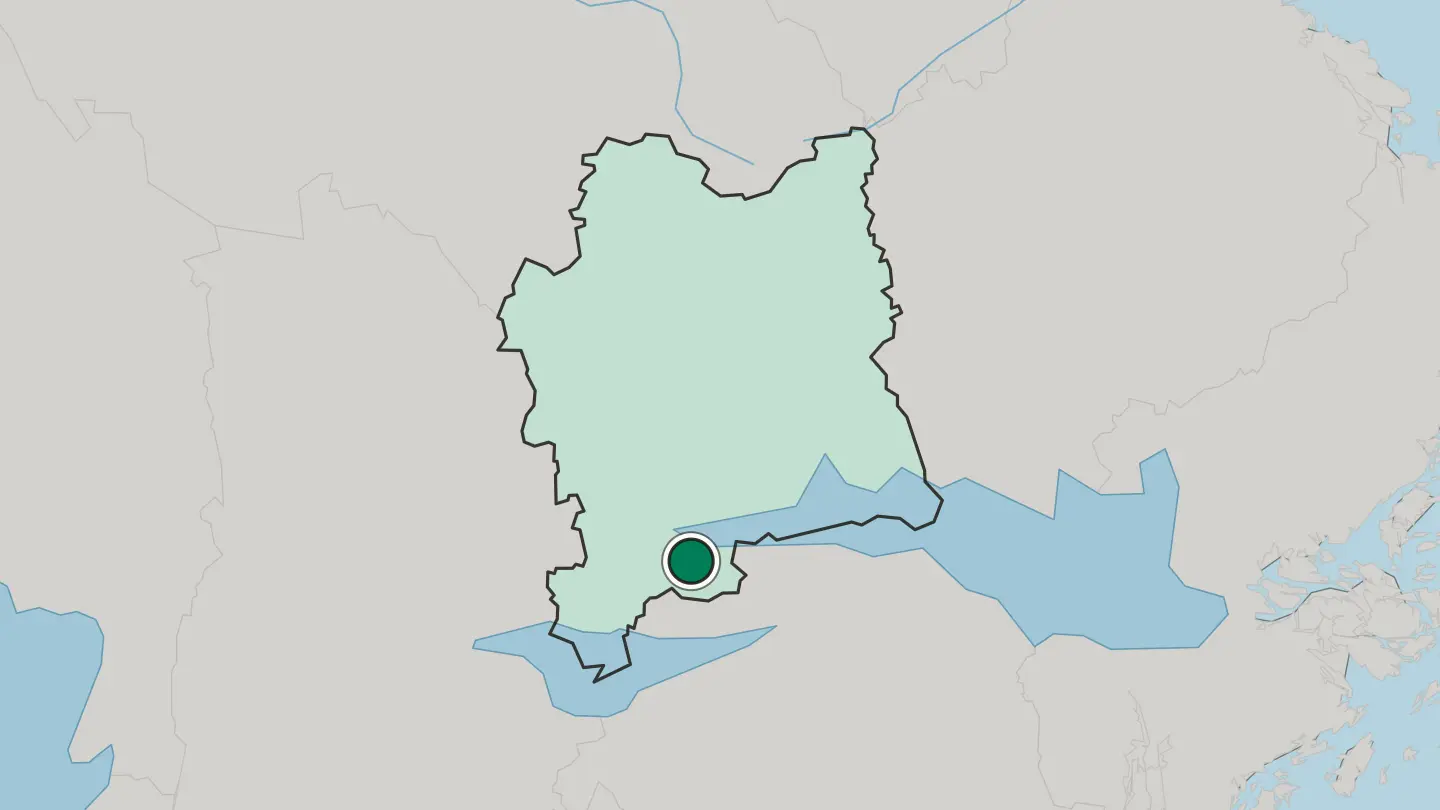
All towns & cities (10)
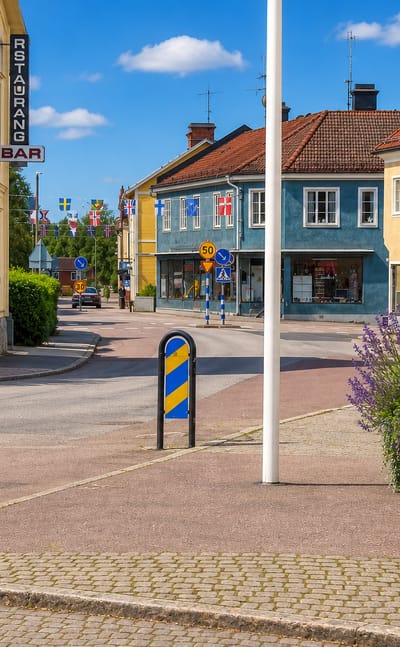 Sweden
Norberg
Norberg is a municipality in Västmanland County, one of Sweden's oldest mining districts, in the iron country of central Sweden.Where to stay →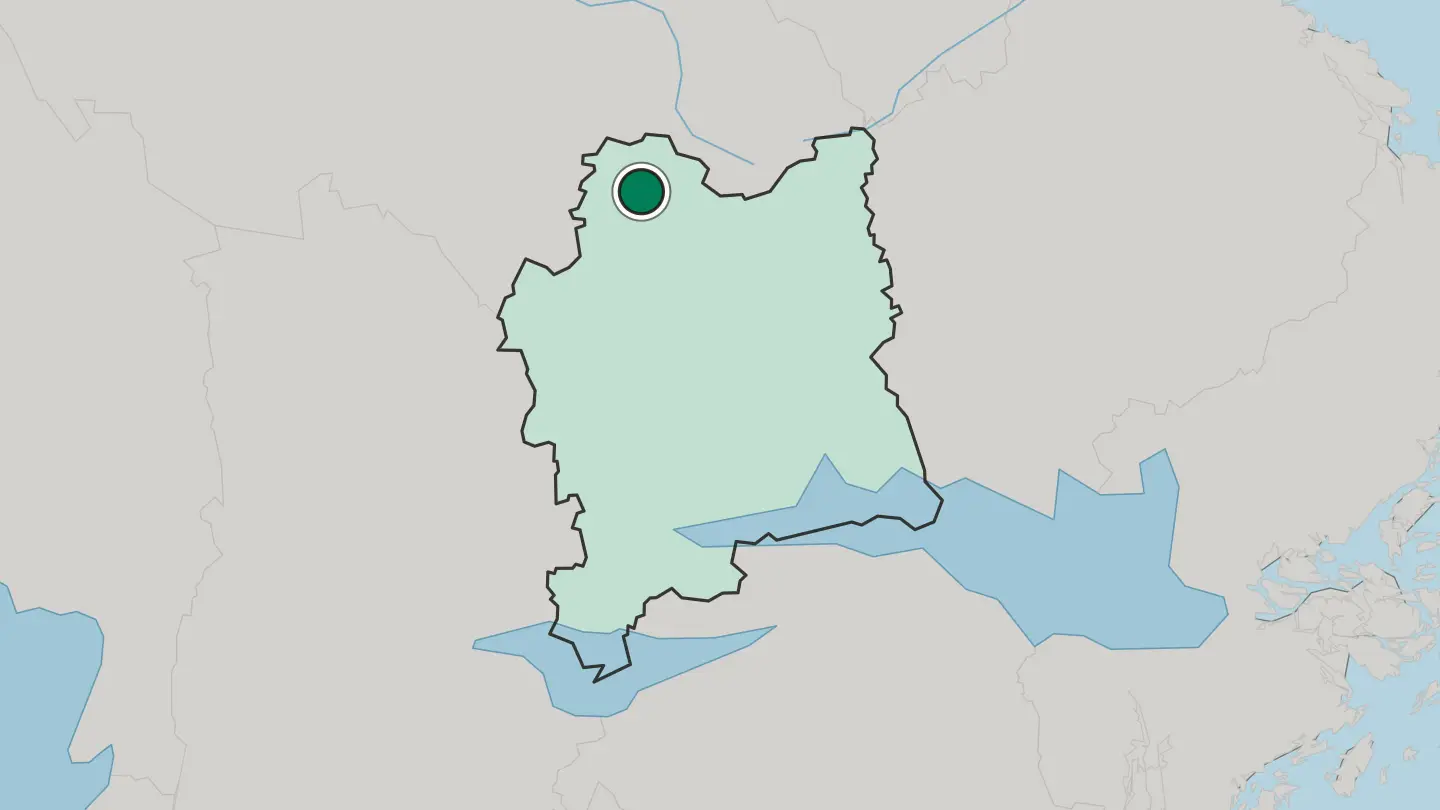
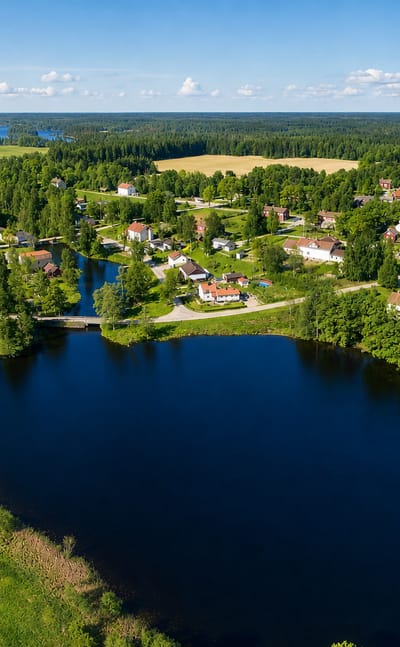 Sweden
Skinnskatteberg
Skinnskatteberg is a municipality in Västmanland County, a lake-and-forest community in the old mining country of central Sweden.Where to stay →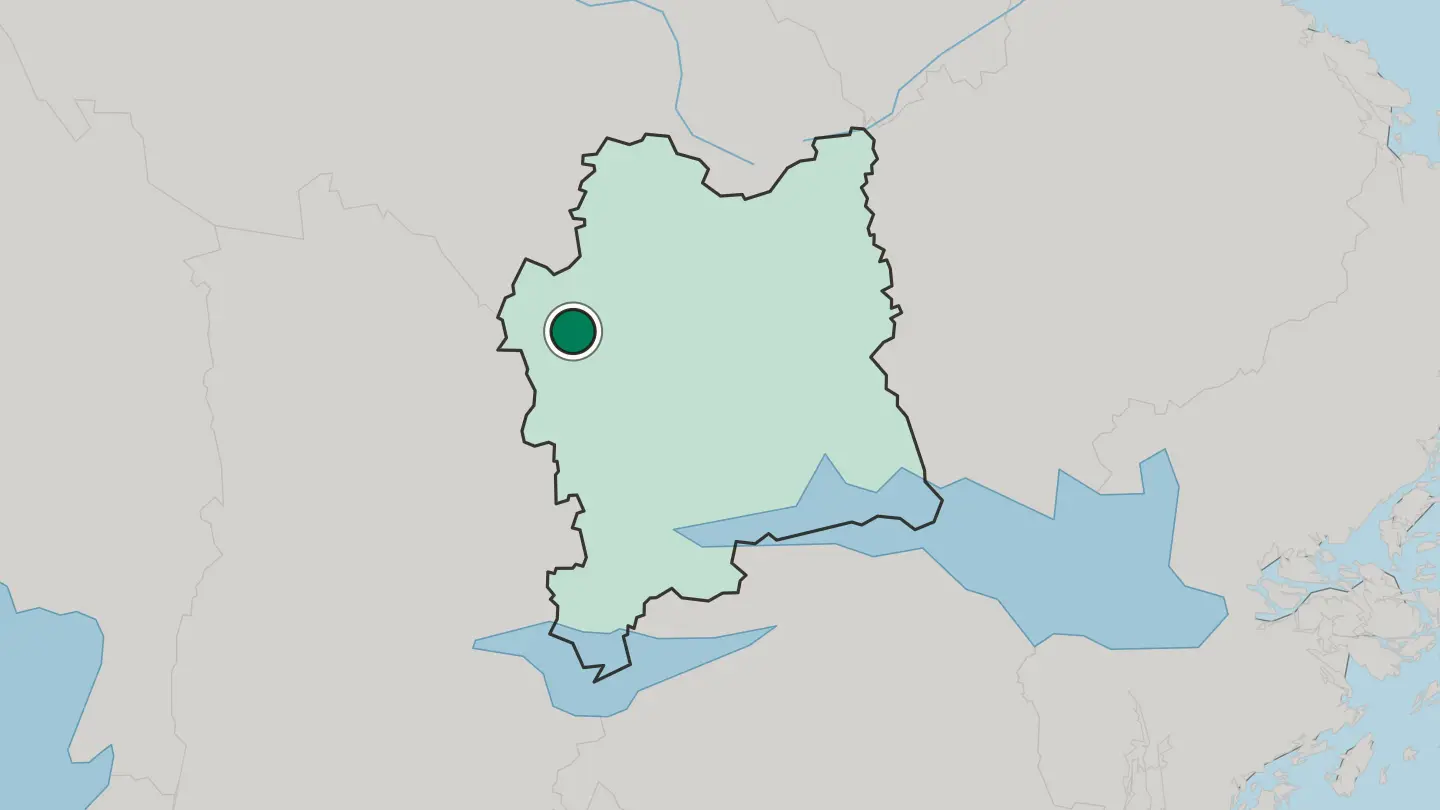
Hotel links are affiliate links: booking through them may earn us a commission, at no extra cost to you. It never affects how places are ranked. How this works
About Västmanland County
Mining and Mälaren shape this county.
What is Västmanland County known for?
The northern forests belong to Bergslagen, the historic ore district whose iron mines, foundries, and forge villages drove Swedish industry for centuries. Along the southern shore Lake Mälaren softens the land into farms, manors, and the lakeside city of Västerås. Anundshög, the largest burial mound in the country, rises near the city.
Iron in the north, water in the south, and deep history give the län its character.
Where is Västmanland County?
Västmanland County stretches across the south-eastern part of Sweden, from the bays of Lake Mälaren up to the forested highlands of the north. The ground slopes upward. From the fertile clay plains along the lake the ground rises gradually northward into the wooded hills, lakes, and bogs of Bergslagen, the long mining belt that crosses central Sweden.
Rivers such as the Kolbäcksån and the Hedströmmen drain south through the county and feed into Mälaren on its way toward the sea. Lake Mälaren forms the southern edge. Its shore is intricate.
Long inlets, peninsulas, and islands break the waterline around Västerås, giving the city its harbour and a green band of bays and reed beds. Inland the country grows wilder toward the borders with Dalarna in the north and Örebro in the west, while Uppsala and Södermanland lie to the east and south. The plain feeds the people; the forest fed the forges.
Plain, lake, and ore country together set the geography of this central county.
What is Västmanland County like?
Iron forged the culture here. The Bergslagen mining tradition runs through the county's identity, since centuries of mines, forges, and ironworks built a distinctive world of bruk communities, master smiths, and company estates whose buildings and customs survive across the northern parishes. The lakeside plain carries an older agrarian culture of manor farms and market towns.
Folk music, mining lore, and harvest tradition all draw on this twin heritage of forge and field. Västerås carries the modern cultural weight. An old cathedral city on Lake Mälaren, it grew into a centre of engineering and design, and its theatres, museums, and the great burial field at nearby Anundshög anchor the cultural calendar.
The ironworks villages keep their own quieter heritage of preserved forges and worker housing turned to museum use. Sala holds a silver mine of European renown. Mining history, manor life, and the engineering age together give Västmanland a culture shaped as much by metal and machine as by farm and lake.
What is the history of Västmanland County?
This is old ground. The great mounds at Anundshög and the rune stones around them mark a centre of power reaching back to the Iron Age and the Viking era along the Mälaren waterways. The county dates from 1634.
Through the Middle Ages and beyond the mines of Bergslagen made the region rich, supplying iron and silver that helped fund the Swedish crown, while Västerås grew as a cathedral and trading city on the lake. Industry carried that legacy into modern times.
What is the climate of Västmanland County?
The county has a temperate inland climate. Lake Mälaren and the surrounding plain enjoy fairly mild, settled weather by Swedish standards, with warm summers that ripen the fields and draw boats onto the lake. The cold season settles in with snow and frost.
The northern forests of Bergslagen run colder and snowier than the lakeside south, holding their cover well into spring. Rain falls across the year, heaviest in late summer. Spring comes earlier to the open plain than to the wooded highlands, where the cold lingers under the trees.
How do you get to Västmanland County?
Västerås is the main gateway. The city lies on the Mälaren Line, with frequent trains linking it to Stockholm in around an hour and onward across central Sweden, and Stockholm-Västerås Airport sits just outside town. Drivers reach the county on the E18, which runs west from the capital through the län.
Sala, Köping, and Fagersta sit on the rail network too. Buses connect the lakeside towns with the mining villages of the Bergslagen interior.
Common questions
What is the best area to stay in Västmanland County?
Västerås: first-time visitors. Bergslagen: history and nature travellers. Sala and Köping: drivers on the western plain.
Good for
More regions in Sweden
Updated September 2026