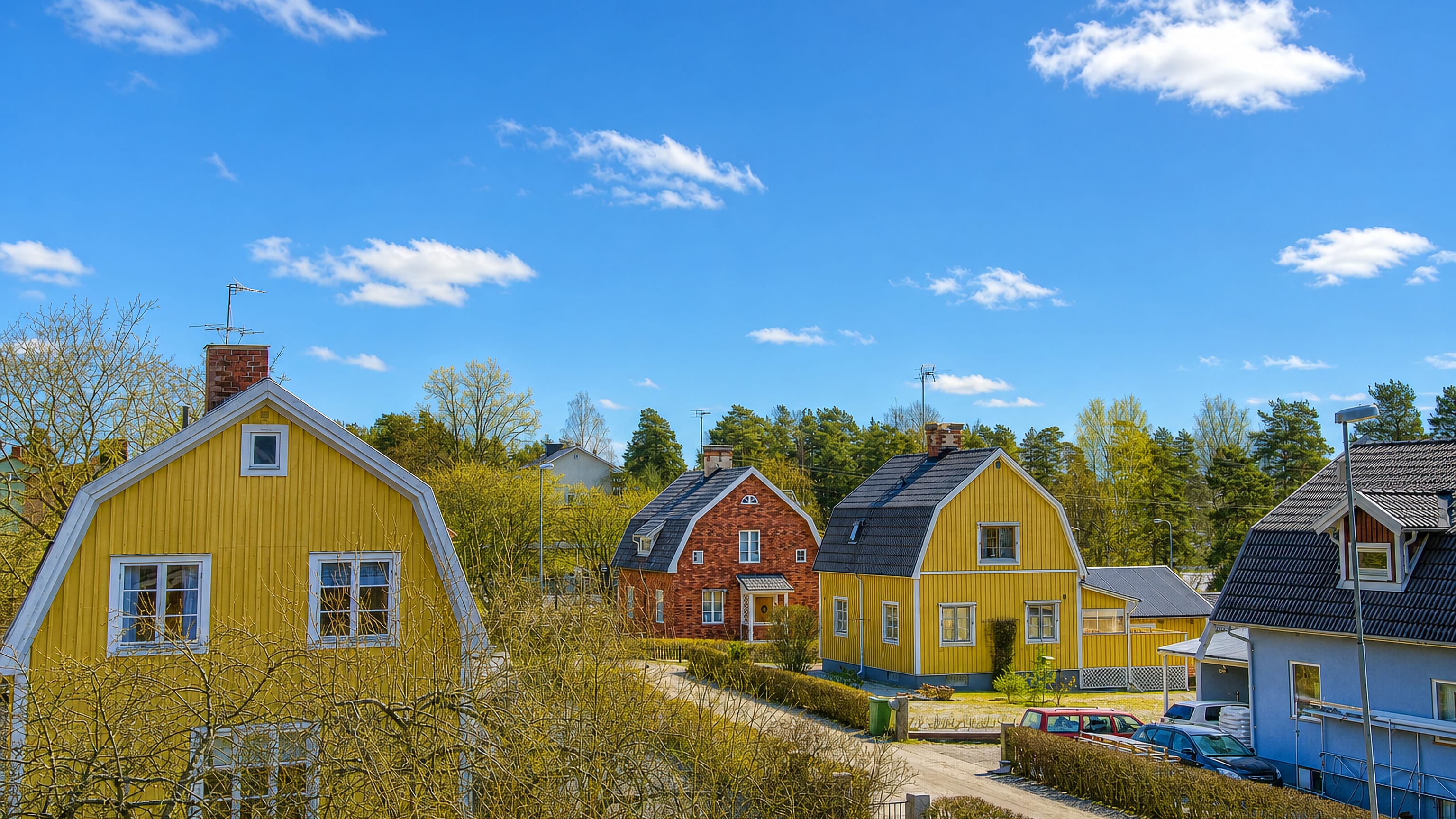
Sweden · Västmanland County
Where to Stay in Surahammar, Västmanland County
Surahammar is a municipality in Västmanland County, an old ironworks community on the Kolbäcksån river in central Sweden.
Hotel links are affiliate links: booking through them may earn us a commission, at no extra cost to you. It never affects how places are ranked. How this works


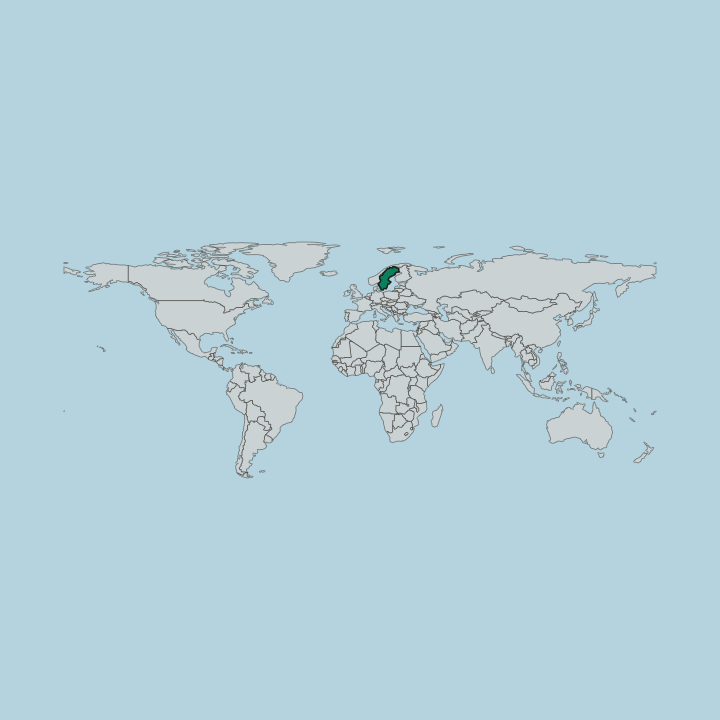
Where to stay in Surahammar
One nearby area has its own guide — here's what it is best for.
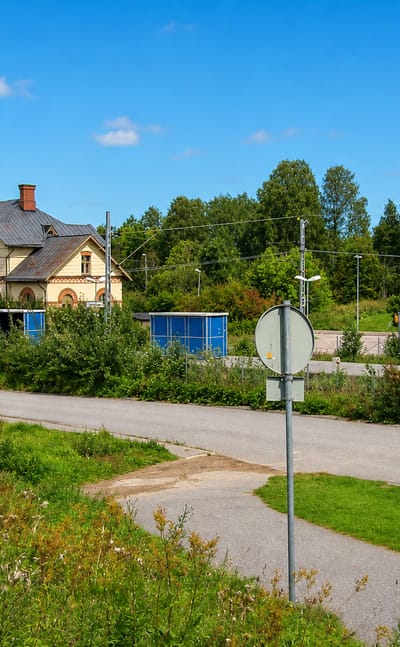
 Sweden
Hallstahammar
sits downstream on the Strömsholms kanal with a wider choice of roomsHallstahammar →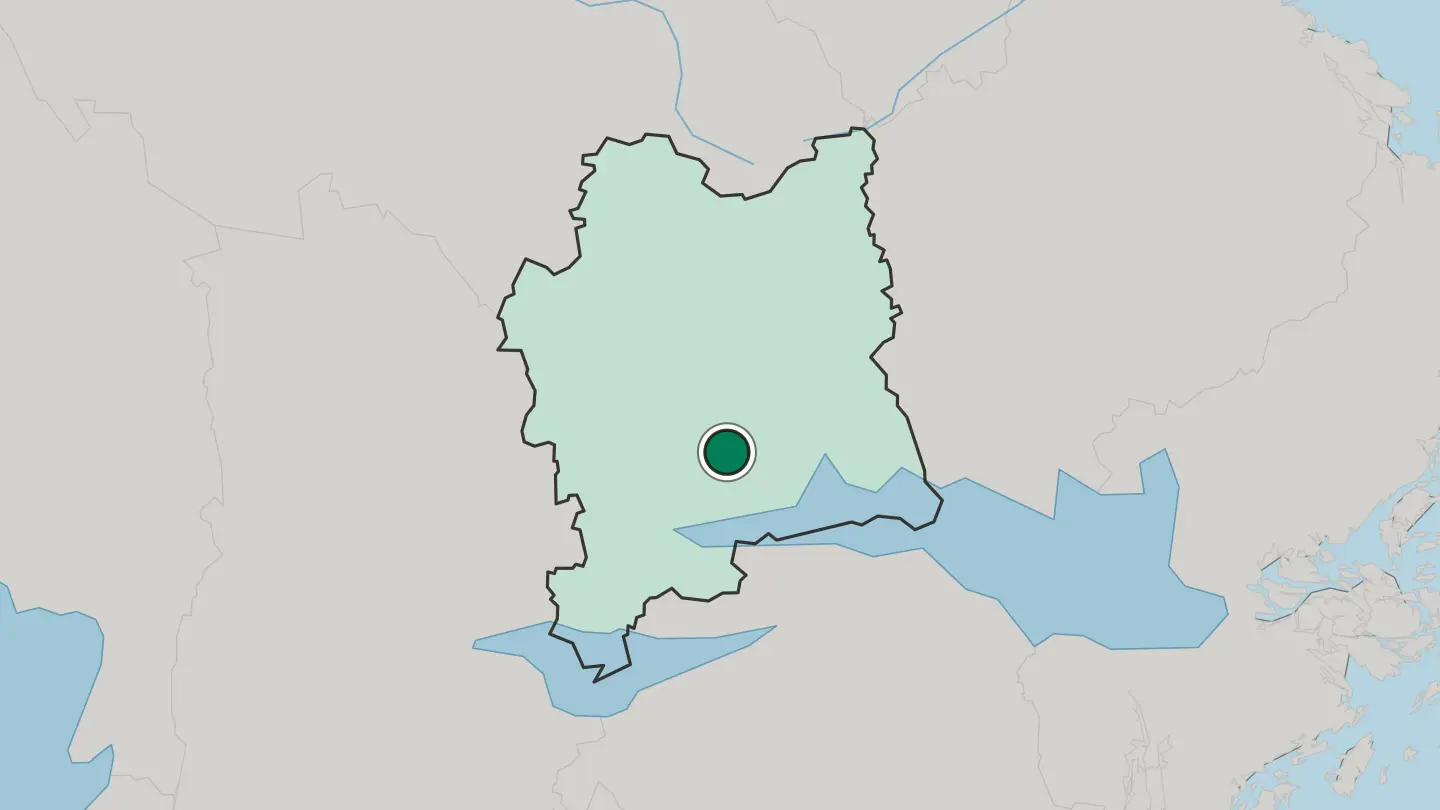
Hotel links are affiliate links: booking through them may earn us a commission, at no extra cost to you. It never affects how places are ranked. How this works
Few places to stay in Surahammar — most visitors book in Västerås nearby.
About Surahammar
Iron and steel built Surahammar.
What is Surahammar known for?
The works here rolled rails and forged railway wheels that ran on lines across the country, and the rhythm of the mill long set the pace of village life. The Strömsholms kanal threads past the town, its locks and old stone quays still tracing the water through the centre.
What are the main landmarks in Surahammar?
Sura kyrka stands above the old community, a stone church with a long history of serving the works and the farms around it. Along the Strömsholms kanal, a chain of locks lifts boats through the landscape, and the towpaths and lock-keepers' cottages make for slow walking on a summer day. The mill buildings still dominate the centre.
Heritage signs trace the iron story.
What is the history of Surahammar?
Surahammar began with iron. Waterpower from the Kolbäcksån turned hammers and bellows here from early modern times, when the forests gave charcoal and the streams gave the energy to work the metal. A bruk, or ironworks, took root and slowly drew a settlement around it.
Charcoal and water made the first fortunes. The opening of the Strömsholms kanal gave the works a route to Mälaren and the wider world. The railway age remade the place.
In the nineteenth century the works turned to steel and became known for railway wheels and other rolling stock, and the population grew as housing, a school, and shops followed the expanding mill. Work and the works were one. The whistle ordered the day, and generations of families followed one another into the same workshops.
When heavy industry contracted, the town kept its mill identity even as employment changed, and the canal that once carried iron now carries pleasure boats.
Where is Surahammar?
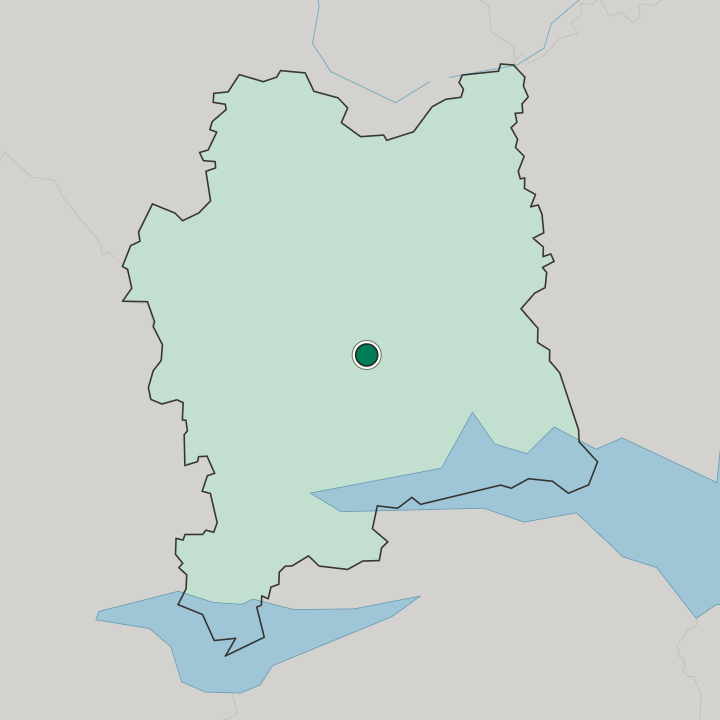
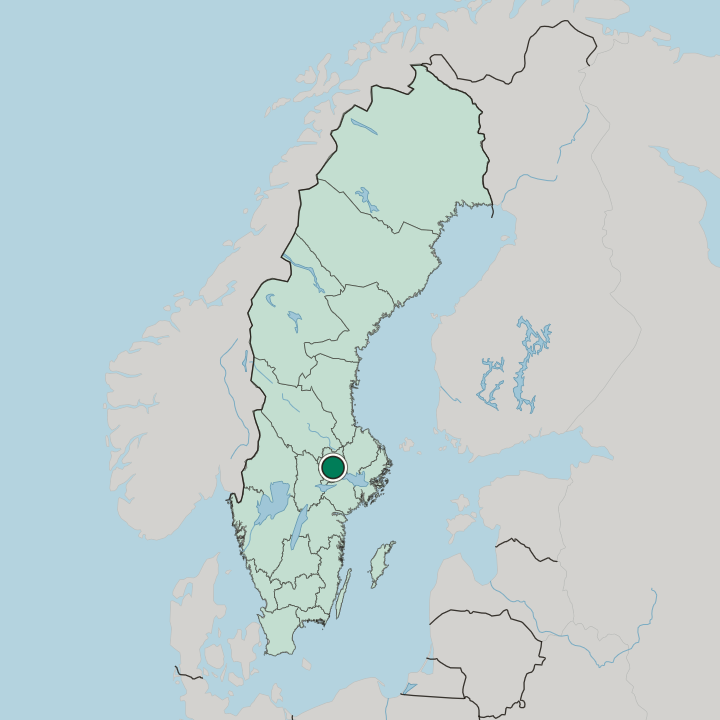
Surahammar lies in the north-western part of Västmanland County, in central Sweden. The Kolbäcksån runs south through the municipality toward Mälaren, linking a chain of lakes and old mill sites, and forest covers much of the higher ground that climbs toward the mining country of the north. Lakes lie scattered to the north.
The land is wooded and watered.
What is the climate of Surahammar?
Surahammar has a cold humid continental climate shaped by its inland, northern position. Winters bring frost, snow that settles for long stretches, and short grey days, while summers are mild and green with warm spells broken by rain and the long light of the northern evening. Spring arrives slowly.
Autumn is damp underfoot.
How do you get to Surahammar?
A railway and main roads connect Surahammar to Västerås and the larger towns of the county, and the regional bus network ties the centre to the surrounding villages and lakes. The drive from Västerås is short. From there the national rail and motorway network reaches Stockholm and beyond.
Cars make the smaller sites easy.
Common questions
What is the best area to stay in Surahammar?
Centrum: canal and ironworks heritage. Hallstahammar: more beds on the same canal.
Good for
More cities in Västmanland County
Updated September 2026