Sweden · Västmanland County
Where to Stay in Sala, Västmanland County
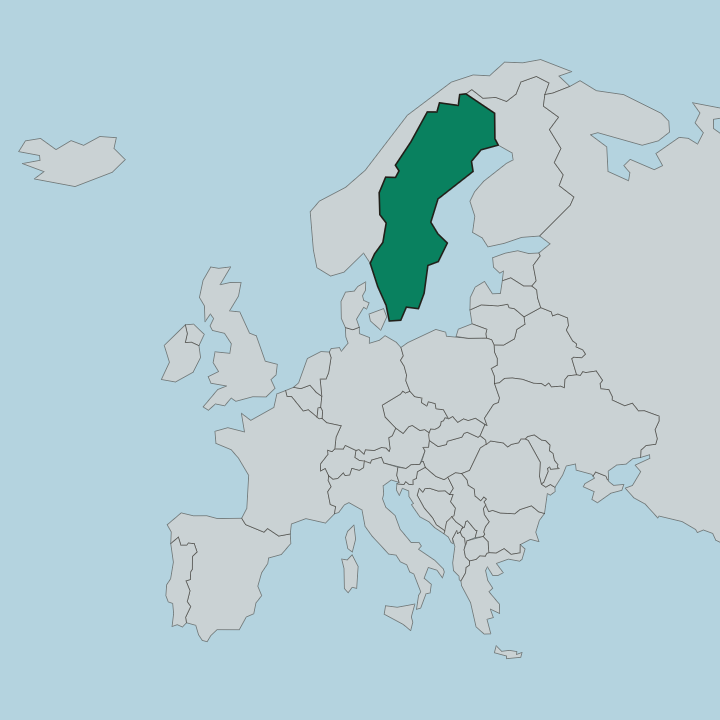
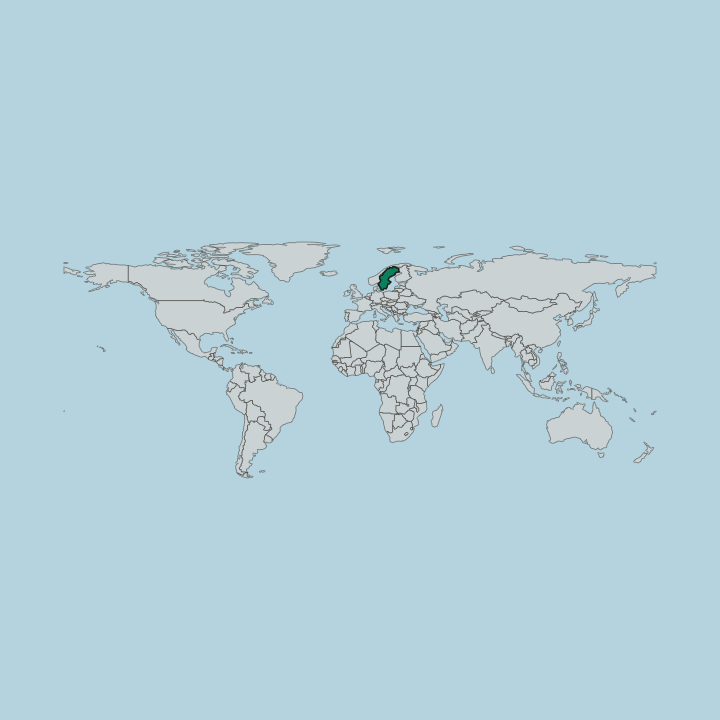
Sala is a municipality in Västmanland County in eastern Sweden, an old silver town built on the wealth of its historic mine.
Hotel links are affiliate links: booking through them may earn us a commission, at no extra cost to you. It never affects how places are ranked. How this works


Where to stay in Sala
The practical side of choosing where to sleep.
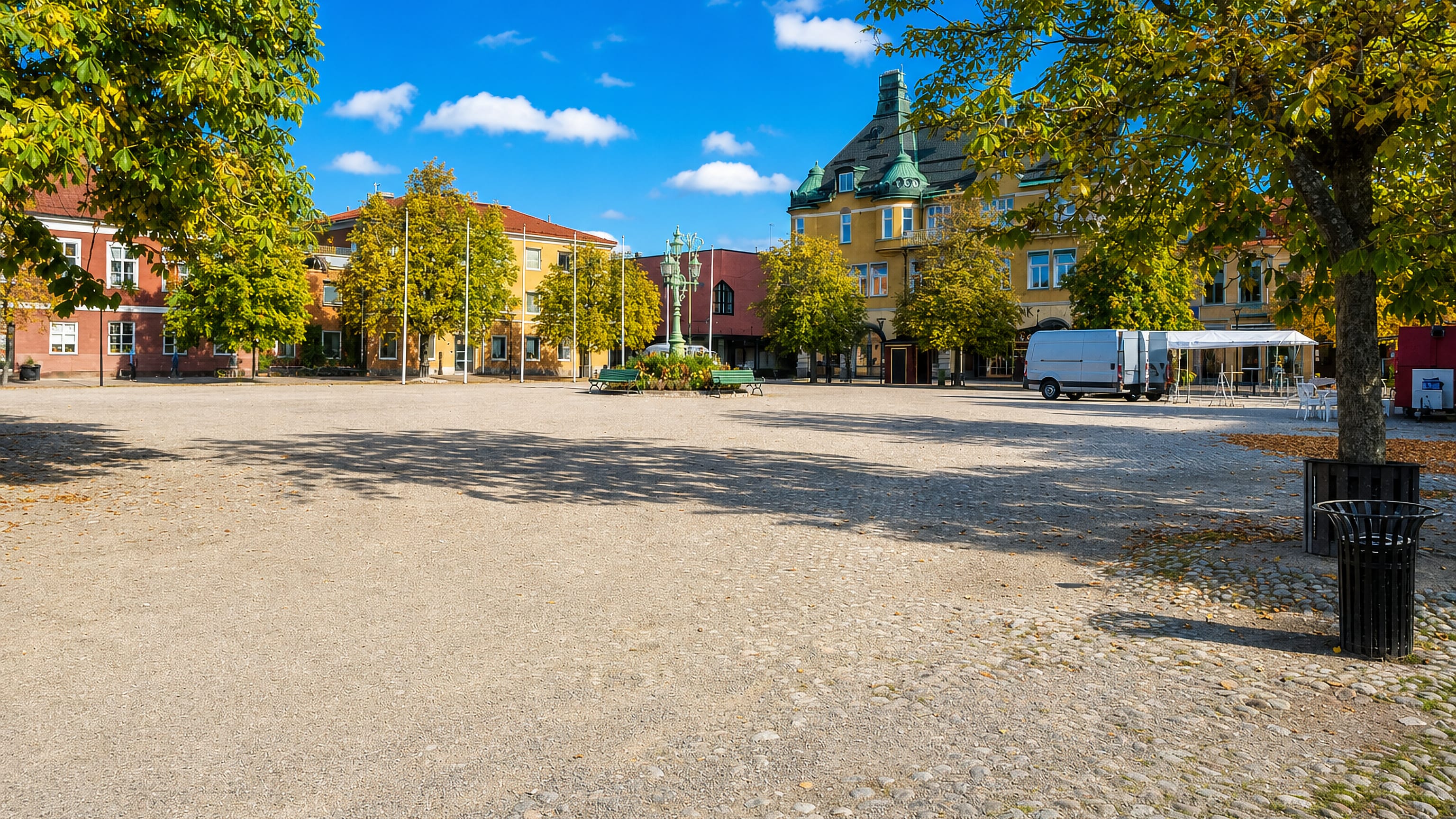
Sala has a walkable centre with a reasonable spread of beds. Stay around the main square and Kristina kyrka if you want shops, restaurants, and the station on foot, with the silver mine a short ride or cycle to the south; this suits first-time visitors and anyone without a car. The town is easy to cross on foot.
Out by the mine, the old works area with its lakes and canals offers a quieter, greener base for walkers and history-minded travellers who want the shafts and water system on the doorstep. Choose the centre for convenience, the mine district for atmosphere. Both fill in summer.
With the mine drawing day-trippers, a room booked ahead spares you a longer drive to Västerås for the night. Sala makes a calm base for the northern county, and cyclists like the flat run out to the mine.
Find hotels in Sala
Direct booking searches for these neighbourhoods.
Centrum
compact streets by the main square and Kristina kyrka, with the station on footFind hotels in Centrumhistory and quietSala silvergruva
green old works area with lakes and canals beside the historic mine. Lodging is scarce in this area; reserve in advance.Find hotels in Sala silvergruvaHotel links are affiliate links: booking through them may earn us a commission, at no extra cost to you. It never affects how places are ranked. How this works
Things to do in Sala
Ranked by global recognition; descriptions from Wikidata (CC0).
Museums & Galleries
2- Väsby kungsgård working life museum
- Aguéli museum
Churches & Religious Sites
3- Christina Church Heritage Church of Sweden church building
- Sala sockenkyrka Heritage
- Norrby Church Heritage church in Norrby
Landmarks & Notable Places
1- Sala Silver Mine Heritage former silver mine
worth knowingacross 3 categories in Sala
About Sala
Silver made Sala.
What is Sala known for?
For centuries the mine here was among the most valuable possessions of the Swedish crown, its deep shafts yielding silver that helped fund kings and wars, and the town grew around that single, glittering source of wealth. The mine is now a museum. Visitors descend into the cool, dark workings.
What are the main landmarks in Sala?
Sala silvergruva draws visitors underground into shafts that once made the town rich, with guided descents and a system of ponds and canals built to drive the pumps. Kristina kyrka anchors the centre. The Aguélimuseet shows art in the town where its namesake painter was born, a small and contemplative collection set among the old streets.
What is the history of Sala?
Sala's history is the history of its silver. Mining in these hills goes back to the late Middle Ages, and by the sixteenth century the works had become the crown's treasure chest, so vital that the king guarded its secrets and steered its output to pay for the affairs of state. Miners came from far away.
The shafts went deep. A rough settlement spread near the workings. In 1624 the king granted the town its privileges and laid out a new plan a little away from the mine, giving Sala the regular streets and central square it still keeps.
Wealth built the early town. The silver slowly thinned. As yields fell over the following centuries the town turned to farming, trade, and later industry, yet the mine remained its emblem and, in the end, its chief draw for visitors.
The deep workings outlasted the boom.
Where is Sala?
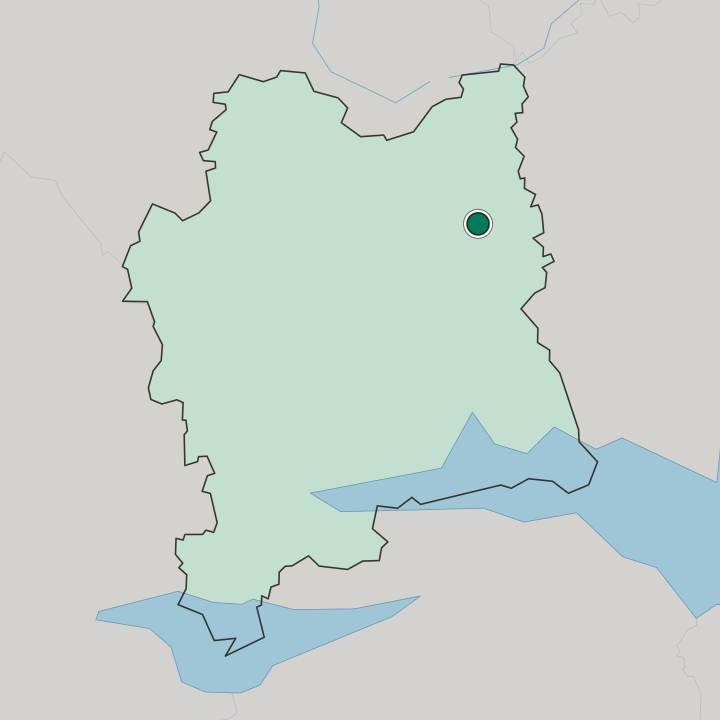
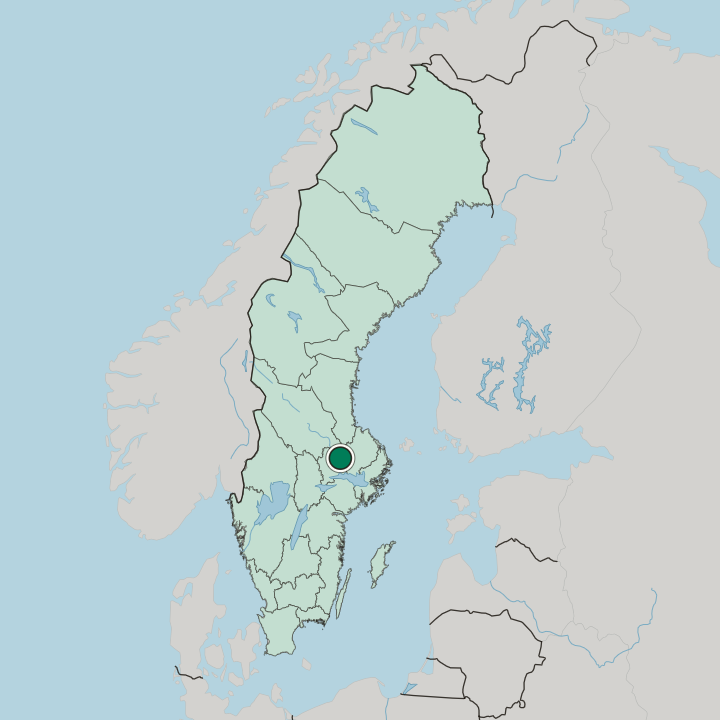
Sala lies in the northern part of Västmanland County, in eastern Sweden, north of the county seat at Västerås. Farmland and forest surround the town, and to the south the old mine's lakes and canals form a green belt of water meadows and ponds engineered long ago to serve the shafts. The land is gently rolling.
Streams feed the old system.
What is the climate of Sala?
Sala has a humid continental climate typical of the eastern interior, with a clear swing between the seasons. Winters are cold and snowy, with frost that holds for weeks and lakes that freeze hard, while summers are mild and often bright, warm enough for the fields to ripen and the woods to fill with berries. The thaw arrives slowly.
Autumn turns crisp.
How do you get to Sala?
Sala is a railway junction, where lines from Stockholm and the Mälaren towns meet routes running north and west into the mining country. Trains call at the central station. Roads link the town to Västerås and the surrounding countryside.
The mine lies a short way south of the centre.
Common questions
What is the best area to stay in Sala?
Centrum: first-time visitors and walkers to the silvergruva. Sala silvergruva: history and quiet.
Good for
More cities in Västmanland County
Updated October 2026