Sweden · Västmanland County
Where to Stay in Hallstahammar, Västmanland County
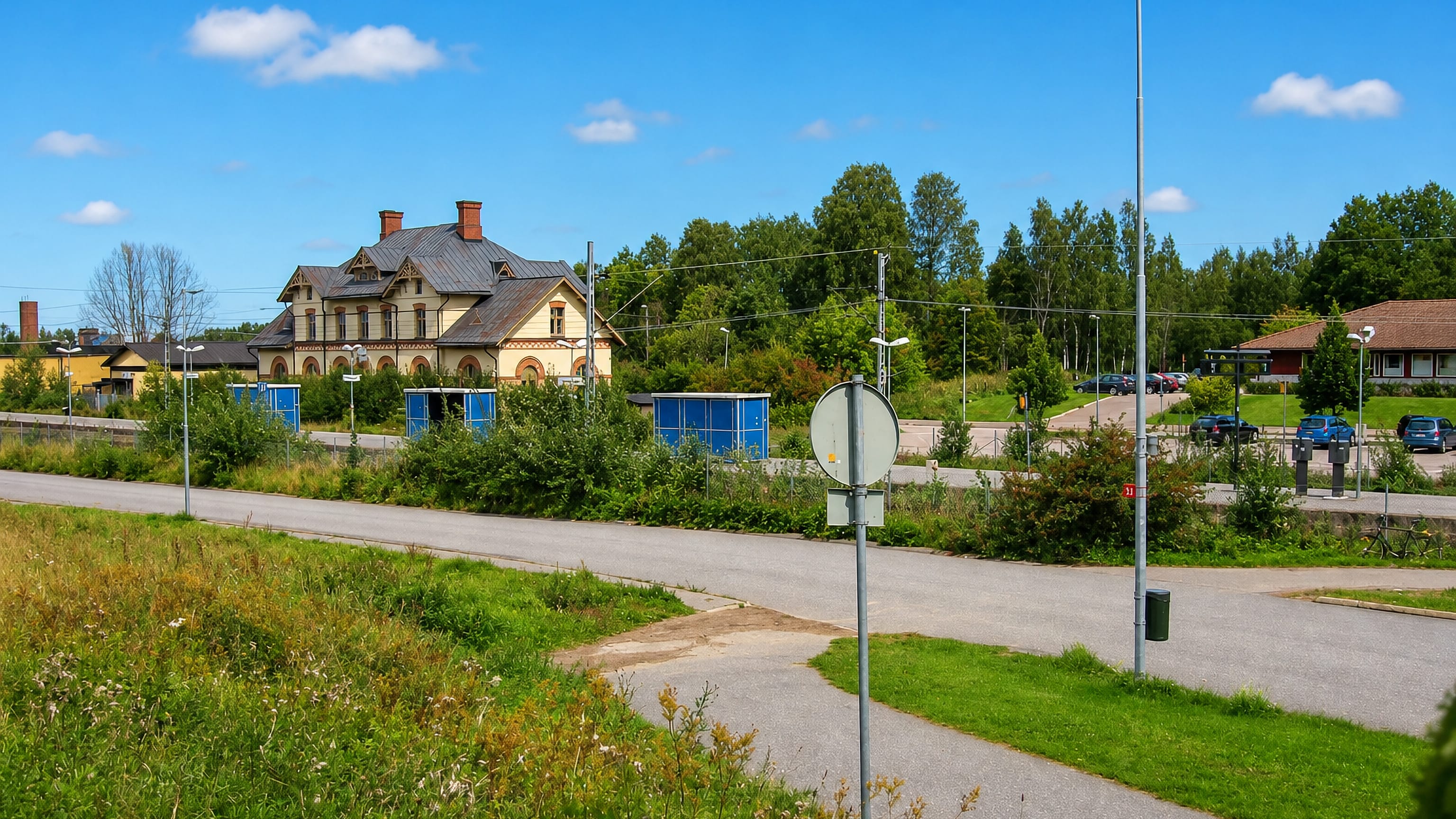
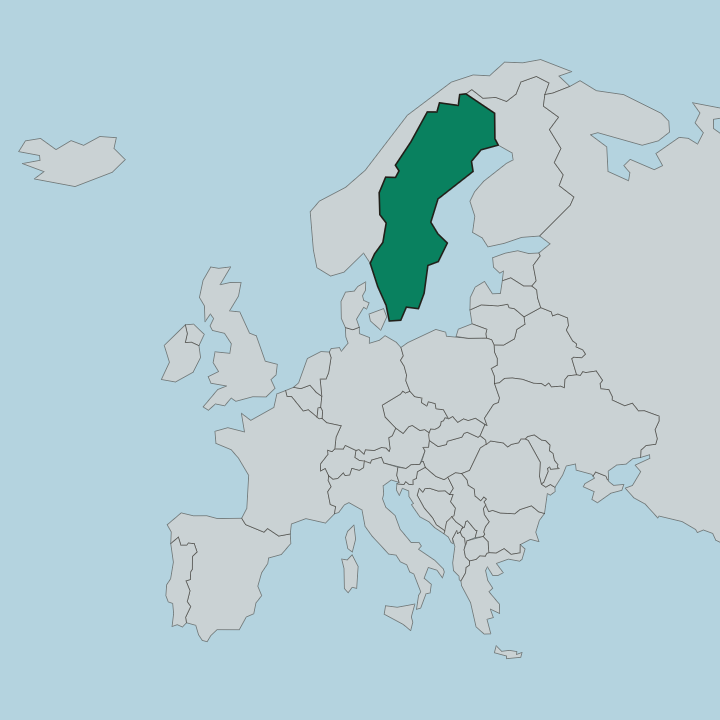
Hallstahammar is a municipality in Västmanland County, an industrial town on the Strömsholms kanal in central Sweden.
Hotel links are affiliate links: booking through them may earn us a commission, at no extra cost to you. It never affects how places are ranked. How this works


Where to stay in Hallstahammar
Where the beds are, and what that means for the visit.
Hallstahammar holds a limited number of rooms. The centre, beside the Strömsholms kanal and its locks, suits visitors here for the canal, the towpath walks, and the industrial heritage; stay here if a morning by the locks and easy access to the waterway matter more than a wide choice of hotels. The canal is the heart of it.
South of the town, around Strömsholm and its palace and stud, a greener riverside setting appeals to riders and to anyone drawn by the horses and the baroque grounds. For a full range of beds, many travellers base in Västerås, a short drive east, and visit on a day trip. Book ahead through the canal season.
With rooms limited in the town, an early reservation beats searching once the canal season fills. Each base trades hotel choice for water or history, and the towpath links the two.
Few places to stay in Hallstahammar — most visitors book in Västerås nearby.
Things to do in Hallstahammar
Ranked by global recognition; descriptions from Wikidata (CC0).
Museums & Galleries
3- Trångfors kraftstation working life museum
- Skantzen
- Åsby Lantbruksmuseum
Churches & Religious Sites
2- Svedvi Church Heritage
- Sankt Lars kyrka Heritage
Stadiums & Sports
1- Hallstarena
worth knowingacross 3 categories in Hallstahammar
About Hallstahammar
What is Hallstahammar known for?
The Strömsholms kanal runs through the middle of Hallstahammar, and the town grew up with it. Locks step the waterway down through the centre, once floating iron and goods between the mining country and Mälaren, and the mills and metalworks that lined the canal made the town a place of forges, wire, and steel. Boats now pass for pleasure.
The locks still work by hand.
What are the main landmarks in Hallstahammar?
The Strömsholms kanal is the chief sight. Its hand-worked locks step down through the centre in a stone staircase, and the quays and lock-keeper's cottages beside them survive as a working relic of the trade that once floated iron between the mining country and Mälaren. Two parish churches, Sankt Lars kyrka and Svedvi kyrka, stand among the older settlements that the works later drew together.
Hallstarena gathers the town for sport and events. South of the centre lie the palace and stud at Strömsholm.
What is the history of Hallstahammar?
Hallstahammar was shaped by iron and water. Forges and ironworks rose along the Kolbäcksån in early modern times, using the falling water to drive hammers and bellows, and the works drew a settlement to the riverbanks. Water did the work.
The Strömsholms kanal changed everything. It was cut to carry iron and goods between the inland mines and Mälaren, and the canal turned a cluster of mills into a working industrial town. The nineteenth century brought steel and wire.
Larger works took over, the town grew around the mills and the locks, and Hallstahammar became known for metal products that travelled far beyond the county. Industry set the rhythm of life. The mills ran for generations.
As the canal's cargo trade faded it found a second life with pleasure boats, while downstream the royal estate at Strömsholm kept its palace and its centuries-old tradition of horses.
Where is Hallstahammar?
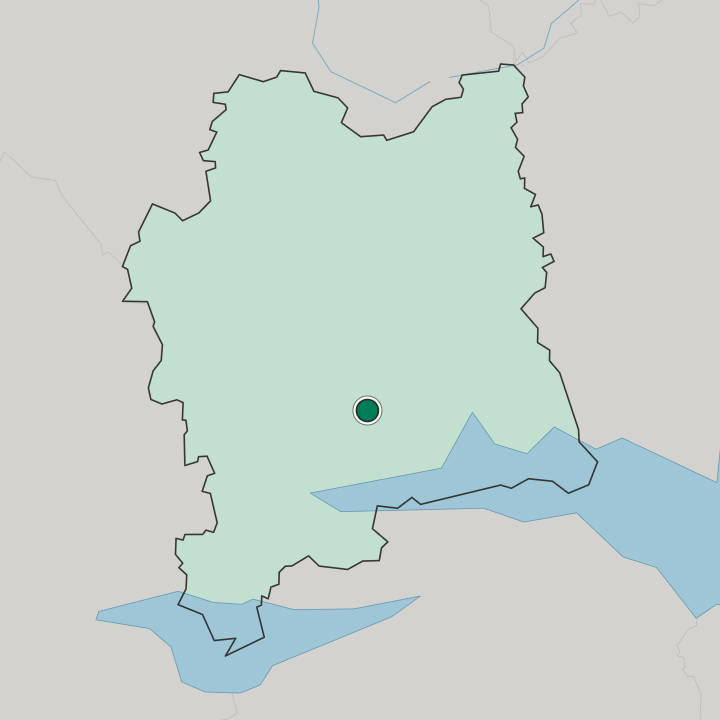
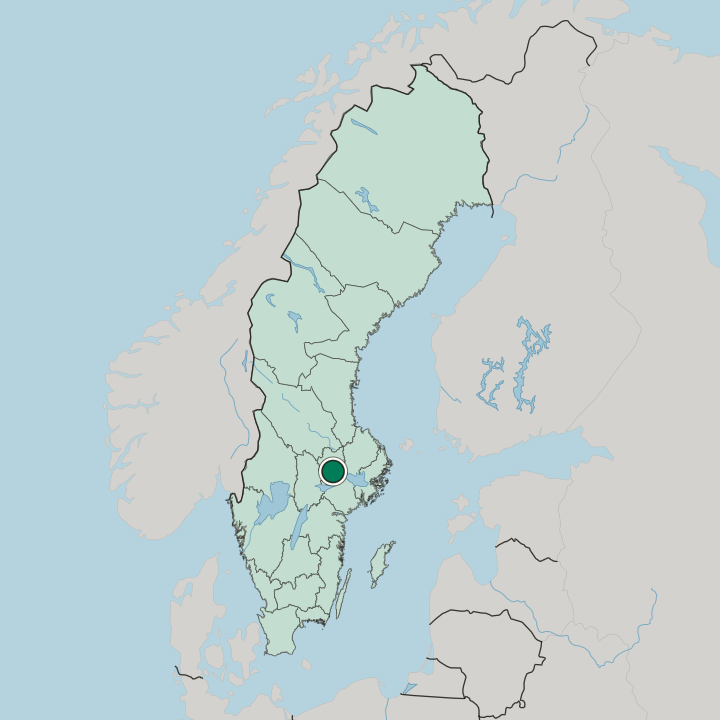
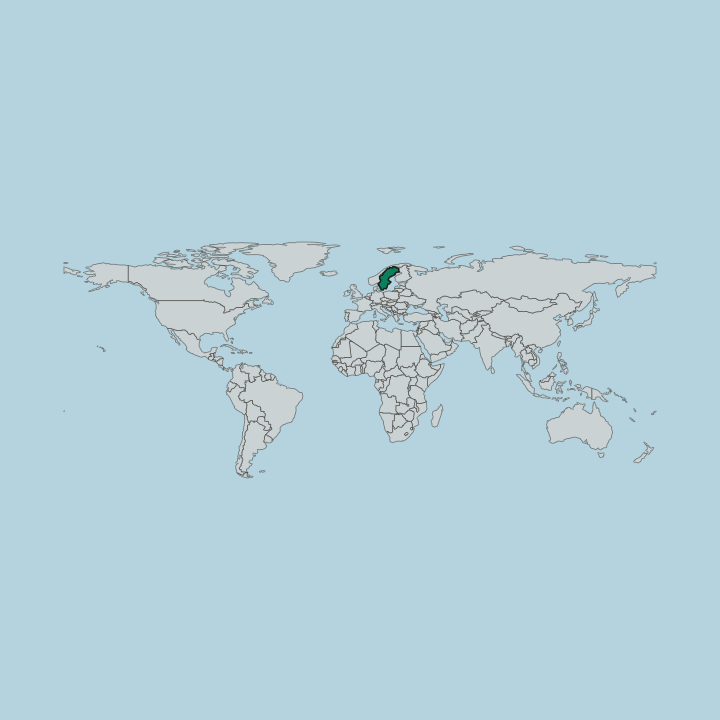
Hallstahammar lies in the western part of Västmanland County, in central Sweden, on the Kolbäcksån between Västerås and the western shore of Mälaren. The river and the Strömsholms kanal run south through the municipality toward the lake, threading a low country of farm fields and woods, and the canal's locks mark the fall of the water. The land is gentle and flat.
Water runs through the heart of it.
What is the climate of Hallstahammar?
Hallstahammar has a humid continental climate typical of the Mälaren valley. Winters are cold, with snow and frost and a canal that freezes over, while summers are mild and fairly bright, warm enough for swimming and for the boats that fill the locks from late spring through early autumn. Spring is slow.
Autumn turns grey and wet.
How do you get to Hallstahammar?
Main roads and a railway link Hallstahammar to Västerås in the east and Köping to the south-west, tying it into the corridor that runs west from Stockholm along the Mälaren valley. The drive to Västerås is short. The Strömsholms kanal offers a slower way through by boat.
Buses connect the town to its neighbours.
Common questions
What is the best area to stay in Hallstahammar?
Centrum: canal and heritage stays. Strömsholm: riders and palace visitors.
Good for
More cities in Västmanland County
Updated October 2026